Prep time: 10 minutes
Cook time: 15 minutes
Total time: 25 minutes
Servings: 4 servings
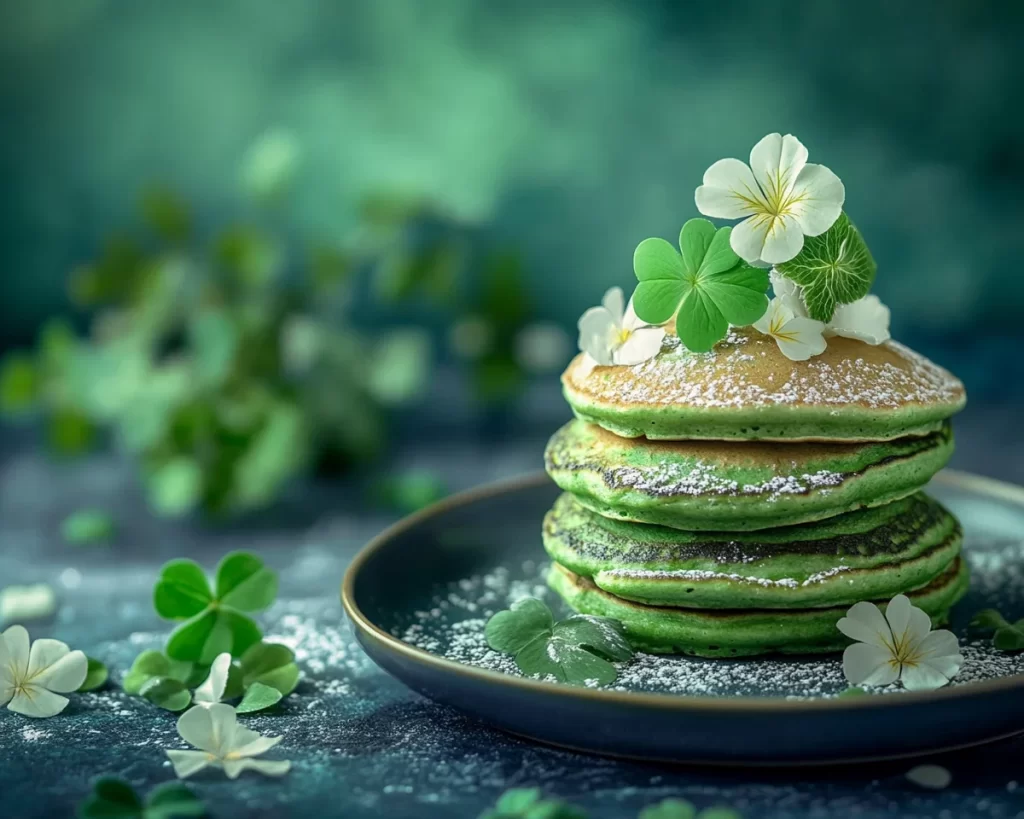
There’s nothing quite like the aroma of freshly made pancakes wafting through your kitchen. Now, imagine adding a festive twist that delights both the eyes and the taste buds—enter St. Patrick’s Day Green Pancakes for Breakfast! Imagine flipping over a perfectly cooked pancake only to reveal a vibrant green hue, reminiscent of lush Irish landscapes. These pancakes don’t just look good; they’re soft, fluffy, and oh-so-flavorful. St. Patrick’s Day is the perfect occasion to whip up something special, whether you’re hosting a brunch or just looking to introduce a bit of fun to your morning routine.
In this recipe, you’re going to learn how to make pancakes that are not only visually appealing but are easy to prepare. You’ll find tips to make them healthier, variations to suit different tastes, and detail everything from ingredients to cooking methods. Whether you’re a busy parent trying to bring some cheer to breakfast or a beginner determined to impress, this recipe has everything you need!
What Is St Patrick’s Day Green Pancakes for Breakfast?
St. Patrick’s Day Green Pancakes are a festive twist on the classic pancake recipe and serve as a delightful breakfast choice. Originating from the tradition of celebrating Irish culture and cuisine, these pancakes are infused with vibrant green color, usually achieved using natural ingredients such as spinach or food coloring. The blend of flavors is typically a harmonious mix of buttermilk, eggs, and flour, resulting in a soft and airy texture that melts in your mouth.
The flavor profile is light and subtly sweet, allowing the earthy notes of spinach (if used) to enhance the overall experience. When you pair these pancakes with toppings like maple syrup, whipped cream, or fresh fruit, it becomes more than just a meal; it’s an experience filled with color and flavor. Making these pancakes from scratch is a fantastic way to introduce a new culinary adventure, especially if you’re looking to impress friends and family with something unique and vibrant.
Not only are these pancakes a fun way to celebrate St. Patrick’s Day, but they’re also customizable enough to fit any breakfast occasion. Their eye-catching presentation makes them a favorite for children and adults alike, and they can easily be made healthier by adding whole grains or using alternative sweeteners.
Why You’ll Love This
There are numerous reasons why you’ll absolutely adore making St. Patrick’s Day Green Pancakes. For starters, they are incredibly versatile and easy to prepare. The foundational recipe is quite forgiving, making it suitable for anyone, whether you are a novice just stepping into the kitchen or an experienced cook looking for a quick breakfast solution. They are also an economical choice; with simple pantry staples and a few green ingredients, you can create a festive meal that will impress without breaking the bank.
Additionally, these green pancakes can be tailored to meet various dietary needs and preferences. If you’re looking to make them gluten-free, simply substitute regular flour with a gluten-free blend, and you won’t sacrifice flavor or texture. They are equally simple to make dairy-free by opting for plant-based milk or yogurt. You can also replace sugar with a natural sweetener like honey or maple syrup for a healthier take on sugar.
Another key aspect is that they offer a fun opportunity to introduce kids to cooking. You can involve them in mixing the batter or choosing toppings, creating a bonding experience while building valuable cooking skills. The excitement in their eyes when they see green pancakes on the table is truly priceless, providing you with ample opportunities to make lasting memories.
Ingredients You’ll Need
- 1 cup all-purpose flour: This is the base of our pancakes, providing structure. You can substitute it with whole wheat flour for a healthier alternative.
- 2 tablespoons granulated sugar: For sweetness, adjust to taste. Honey or agave syrup can also work well here.
- 1 tablespoon baking powder: This leavening agent is essential for making the pancakes fluffy.
- 1/2 teaspoon salt: A pinch of salt helps balance the sweetness and enhances flavor.
- 1 cup buttermilk: This adds moisture and a tangy flavor. For a non-dairy option, almond, coconut milk, or any dairy-free milk can be used.
- 1 large egg: Acts as a binding agent. You can use a flaxseed or chia seed egg as a substitute for a vegan option.
- 2 tablespoons melted butter or coconut oil: This adds richness. You can omit it for a lighter version.
- 1/2 cup fresh spinach or food coloring: For the green color. If using spinach, blend it with buttermilk for a smooth mixture. Food coloring is a quick alternative.
When preparing your shopping list, be mindful of substitutions based on dietary restrictions or preferences. For instance, you can easily swap in gluten-free flour or utilize dairy-free alternatives if you’re cooking for specific needs. Preparing ahead of time by having all your ingredients pre-measured can make the cooking process smoother, making it easier to whip these up, especially on busy mornings.
How to Make
- Prepare the wet ingredients: In a blender, combine the buttermilk, egg, and spinach if using. Blend until completely smooth. This step is crucial, as it ensures that the spinach is well combined, avoiding any green clumps in your batter. If you’re using food coloring, just mix the buttermilk and egg, adding a few drops of green food coloring until you achieve your desired shade.
- Combine dry ingredients: In a large mixing bowl, whisk together the flour, sugar, baking powder, and salt. Make sure there are no lumps in the dry mix; this is key for getting a smooth batter. Ideally, use a whisk to aerate the flour, which will help make your pancakes fluffy.
- Mix wet and dry ingredients: Pour the wet mixture into the bowl of dry ingredients. Gently fold them together using a spatula or wooden spoon, mixing until just combined. Overmixing can lead to tough pancakes, so it’s fine if there are a few small lumps. Allow the batter to rest for 5-10 minutes. This small pause will activate the baking powder, contributing to a fluffier outcome.
- Heat the griddle: Preheat a non-stick skillet or griddle over medium heat. To check if it’s ready, sprinkle a few drops of water on the surface; if they sizzle and evaporate quickly, you’re good to go. Lightly grease your griddle with butter or coconut oil to prevent sticking and enhance flavor.
- Cook the pancakes: Pour approximately 1/4 cup of batter onto the skillet for each pancake. Cook until bubbles form on the surface, usually in about 2-3 minutes, then flip carefully with a spatula. The second side should take about 1-2 minutes to cook until golden brown. Feel free to do a quick test by lifting the edge of one pancake to check for color.
- Keep warm: As you cook the pancakes, stack them on a plate and cover them with a clean kitchen towel to keep warm while you finish the rest. Alternatively, you can place them in an oven set to low heat (about 200°F or 90°C). This allows everyone to enjoy warm pancakes straight from the griddle!
- Serve and enjoy: Top your green pancakes with maple syrup, whipped cream, or fresh berries for an extra touch of flavor. You can even sprinkle some powdered sugar for added sweetness and a festive look. Your pancake masterpiece is now ready to delight your family and friends!
Each step in this process contributes to the overall texture and flavor of the pancakes. The gentle mixing ensures that you’re working with light, airy batter—critical for pancakes that are fluffy and melt-in-your-mouth. Pay attention to the color during cooking, flipping at the right moment ensures you capture the perfect golden brown exterior.
Variations & Substitutions
Spinach and Banana Variation: You can easily enhance the nutritional profile by adding ripe banana to the batter. Simply mash half a banana and blend it with the spinach and buttermilk. This addition not only contributes to a natural sweetness but also makes your pancakes super moist. If you’re feeding picky eaters, they may not even notice the spinach!
Paleo Variation: If you’re adhering to a paleo diet, you can substitute regular flour with almond or coconut flour. This swap will yield a different texture, making the pancakes a bit denser. Be sure to add a bit more liquid to achieve the desired batter consistency since these flours absorb moisture differently. The flavor will change slightly, but you will still have delicious pancakes suitable for any healthy diet.
Vegan Variation: Turning this recipe into a vegan option is simple! Replace the egg with a flaxseed or chia seed egg (1 tablespoon of ground flaxseed or chia mixed with 3 tablespoons of water), and use almond or coconut milk instead of buttermilk. For added richness, you can include 1/4 cup of applesauce in the mix. This adjustment not only caters to dietary needs but also provides an equally tasty pancake.
Chocolate Chip Green Pancakes: For a sweeter treat, fold in a handful of chocolate chips to the batter after mixing. This addition transforms your pancakes into a delightful dessert for breakfast. Dark chocolate hugs the green pancakes perfectly and adds bursts of sweetness with every bite, making them appealing to both children and adults alike.
Herb and Feta Variation: If you want a savory change, incorporate fresh herbs like parsley or chives into the batter, along with crumbled feta cheese. This intriguing duo adds a Mediterranean twist, transforming the pancakes from breakfast favorites to sophisticated brunch dishes. Serve with a dollop of Greek yogurt, and you’ll have a dish that’s both flavorful and visually appealing.
Common Mistakes to Avoid
One common mistake is overmixing the batter. This leads to dense pancakes that lack the fluffy texture you desire. Remember, it’s okay if you see a few lumps; the less you mix, the lighter your pancakes will be. Another critical point to consider is not preheating the pan properly. If it’s too cool, your pancakes will not cook evenly, leading to a soggier interior.
Ensure you’re using a moderate heat; too hot can burn the exterior while leaving the interior undercooked. Also, be careful not to overcrowd the pan. Cooking too many pancakes at once can lower the cooking temperature dramatically, creating an unevenly cooked result. Additionally, avoid using too much batter for each pancake; a little goes a long way for achieving the right thickness.
Lastly, don’t rush the cooling process. Keeping pancakes warm but not stacked in a tight pile is imperative to avoid steaming and turning them soggy. If you’re making a large batch, consider keeping them in the oven on low heat to maintain warmth and crispiness until ready to serve.
Storage, Freezing & Reheating Tips
St. Patrick’s Day Green Pancakes can be stored for up to 3 days in the refrigerator in an airtight container. To keep them fresh, allow them to cool completely before packing them away. If you want to freeze them for longer storage, place parchment paper between each pancake to prevent sticking, and store in a freezer bag or container. They can last for up to 2 months in the freezer this way.
When you’re ready to enjoy them again, you can reheat pancakes from the refrigerator or freezer in a few different ways. The safest method is in the oven at 350°F (175°C) for about 10-15 minutes, or until warmed through. Alternatively, you can use a microwave for a quicker option, heating for around 30 seconds, but be mindful not to overdo it as this can make them rubbery. You can also use a toaster to reheat them; just keep an eye on them to avoid burning.
Always remember to check for signs of spoilage if your pancakes have been stored for a lot longer than the suggested time. They should smell fresh, not sour, and you should not see discoloration or mold. Good food safety practices are essential for keeping your meals enjoyable and safe.
Frequently Asked Questions
Can I make the batter ahead of time? Yes, you can prepare the pancake batter a few hours ahead of time and store it in the refrigerator. Just make sure to give the batter a gentle stir before cooking, as some ingredients might settle. However, for the best texture, it is advisable to cook the pancakes immediately after mixing.
Can I add different flavors or extract to the batter? Absolutely! Adding a teaspoon of vanilla or almond extract is a fantastic way to elevate the flavor profile of your pancakes. You could also incorporate spices such as cinnamon or nutmeg for additional warmth and depth.
Why are my pancakes sticking to the skillet? The primary reason pancakes stick is often due to insufficient grease on the pan or skillet. Make sure to use enough butter or oil to create a nonstick surface. If you’re using a non-stick pan, ensure it’s sufficiently heated, and don’t be afraid to add a bit more grease if needed.
What can I substitute for buttermilk? If you don’t have buttermilk on hand, a simple alternative is to mix regular milk (whichever type you prefer) with vinegar or lemon juice. Combine one cup of milk with one tablespoon of vinegar or lemon juice, and let it sit for about 5 minutes. This will mimic the tangy flavor and acidity needed for the recipe.
Can I make these pancakes without eggs? Yes, there are numerous egg substitutes that work well in pancake recipes. Options include a flaxseed egg or using applesauce. Both alternatives will help bind the ingredients together, ensuring you end up with delicious pancakes.
Conclusion:
In conclusion, St. Patrick’s Day Green Pancakes for Breakfast are not only visually stunning but also a delightful way to start your day. These pancakes combine ease of preparation with rich flavors and versatility, making them perfect for a festive brunch or a casual breakfast any day of the year. Don’t hesitate to get creative with toppings and variations to find the perfect combo for your palate. This festive twist on a classic breakfast staple is bound to please everyone at the table! Get in the kitchen and try making them today—your taste buds will thank you!