Prep time: 15 minutes
Cook time: 15 minutes
Total time: 30 minutes
Servings: 4 servings
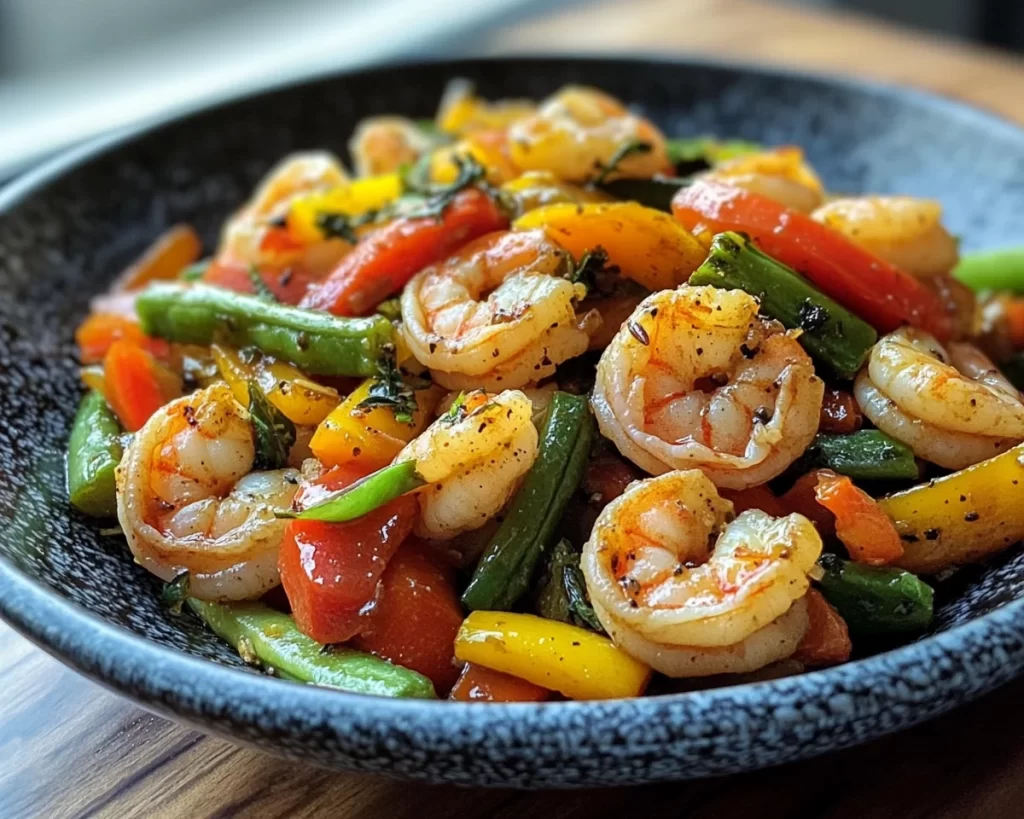
As the vibrant flowers bloom and the days grow longer, nothing says spring like a refreshing dish that combines the best of seasonal ingredients. This Spring Dinner Recipe: Shrimp and Veggie Stir Fry is a beautiful embodiment of fresh produce and succulent shrimp, offering a delightful medley of flavors and textures. Imagine succulent shrimp seared to perfection, bright vegetables retaining their crunch, all tossed in a savory sauce that brings everything together. Whether you’re a busy parent looking for a quick weeknight meal or a beginner in the kitchen, this dish is not only easy to prepare but also perfect for impressing family and friends.
You will learn all there is to know about making this enticing stir fry, including the steps to achieve that perfect balance of flavors, tips for maximizing freshness, and clever substitutions to tailor the meal to your dietary needs. Let’s dive into a dish that exemplifies comfort, health, and convenience.
What Is Spring Dinner Recipes: Shrimp and Veggie Stir Fry?
The Shrimp and Veggie Stir Fry is a quick and versatile dish that showcases the colors and flavors of spring. Originating from Asian cuisine, stir frying allows ingredients to be cooked quickly over high heat with minimal oil, resulting in vibrant color and crunch. Typically served over rice or noodles, this dish marries the succulent sweetness of shrimp with a variety of fresh vegetables. The shrimp offers a juicy and slightly briny flavor, while the vegetables—like bell peppers, snap peas, and carrots—add a sweet and crisp contrast.
What sets this dish apart is the accessibility of its ingredients, many of which can be found in your local grocery store or farmers’ market, especially in spring. The interplay of textures—from the tender, juicy shrimp to the crunchy vegetables—combined with a savory, garlicky sauce creates a delightful plate full of nutrients and flavor. Plus, its adaptability allows cooks to modify it as they see fit, making it perfect for exploring various ingredients you have on hand.
Why You’ll Love This
You will absolutely love this Shrimp and Veggie Stir Fry for several reasons. First and foremost is the taste—it’s savory, slightly sweet, and utterly delicious. The mix of fresh vegetables creates not just a rainbow on your plate but also a medley of flavors that dance in your mouth. From the crunch of snap peas to the sweetness of bell peppers, each bite brings springtime to life.
Another great aspect of this recipe is its ease of preparation. The whole dish comes together in just about 30 minutes, making it an ideal choice for busy weeknights when time is scarce. What’s even better? It offers a nutritious meal packed with protein, fiber, and an array of vitamins. You can indulge without the guilt!
Lastly, adaptability is a key feature here. If you’ve got some leftover vegetables in your fridge or have specific dietary requirements, you can easily switch things up. This recipe is friendly to both omnivores and those looking to incorporate more plant-based elements, ensuring that everyone can enjoy it.
Ingredients You’ll Need
- Shrimp: About 1 pound of large, peeled, and deveined shrimp. This is the star ingredient that imparts a wonderful taste to the dish. Alternatively, you can use chicken or tofu for a different protein source.
- Bell Peppers: Two medium-sized bell peppers (red and yellow for color) provide sweetness and crunch. Feel free to substitute with green peppers if you prefer a sharper flavor.
- Snap Peas: 1 cup of snap peas adds a pop of color and a delightful crunch. You could also use green beans or broccoli florets as substitutes.
- Carrots: Two medium-sized carrots, julienned. They introduce a slight sweetness and vibrant color to the stir fry. Baby carrots might work in a pinch.
- Garlic: Three cloves minced, providing essential flavor. Using fresh garlic is key; however, you can use garlic powder if you don’t have fresh on hand.
- Ginger: 1 tablespoon freshly grated ginger adds warmth and an aromatic touch. Ground ginger can be used but adjust the quantity as it is more concentrated.
- Soy Sauce: 1/4 cup for that quintessential umami flavor. Use low-sodium soy sauce for a healthier option or tamari for a gluten-free version.
- Sesame Oil: 1 tablespoon for added depth of flavor and fragrance. Canola or vegetable oil can be used if you want a more neutral taste.
- Rice or Noodles: To serve as the base of your stir fry. You can use brown rice for a healthier option or noodles for a more comforting dish.
How to Make
- Prepare the Ingredients: Start by gathering and prepping all your ingredients. Peel and devein the shrimp if not done already. Chop the bell peppers, julienne the carrots, and rinse the snap peas thoroughly. Mince the garlic and grate the ginger. This step is crucial as it will help everything cook evenly and quickly.
- Heat the Pan: In a large skillet or wok, heat 1-2 tablespoons of sesame oil over medium-high heat. You want the pan to be hot but not smoking, which helps in achieving that signature stir fry texture. If the oil shimmers, it’s ready for cooking.
- Add Garlic and Ginger: Once the oil is hot, add the minced garlic and grated ginger. Stir them quickly in the hot oil for about 30 seconds until they’re fragrant. Be careful not to let them burn; burnt garlic can impart a bitter flavor.
- Cook the Shrimp: Add the shrimp to the hot pan and sauté for about 3-4 minutes or until they turn pink and opaque. If you overcook the shrimp, they can become rubbery, so keep a close eye. If you’re cooking chicken or tofu, make sure they reach the appropriate internal temperature.
- Add Vegetables: Stir in the chopped bell peppers, snap peas, and julienned carrots. Toss everything together, letting the vegetables cook just until they are tender yet still bright and crunchy, about 3-4 minutes.
- Incorporate Sauces: Pour the soy sauce over the mixture and toss it all together to ensure the shrimp and veggies are coated. Le them cook for an additional minute to warm the sauce. Taste for seasoning and adjust as necessary. If you prefer a saucier stir fry, feel free to add more soy sauce.
- Serve: Transfer the stir fry to bowls over a bed of rice or noodles. Garnish with sesame seeds or green onions if desired. Enjoy your quick and flavorsome meal!
Variations & Substitutions
Vegetarian Option: For those who prefer a plant-based dish, replacing shrimp with tofu is an excellent way to go. Firm tofu can be easily sautéed to get a crispy exterior, making it a great stand-in for the shrimp. Combine it with mushrooms for a meatier texture, and add more vegetables like zucchini or broccoli for depth.
Spicy Shrimp Stir Fry: If you like a kick, consider adding some sliced red chili peppers or a tablespoon of chili garlic sauce to the pan during step three. This variation not only amps up the heat but also enhances the overall flavor profile. You can customize the spice level by starting with just a little and adjusting to your taste.
Pineapple Shrimp Stir Fry: A tropical twist can be achieved by adding fresh pineapple chunks towards the end of cooking. The sweetness of the pineapple contrasts beautifully with the savory elements of the stir fry, creating a delicious harmony of flavors. This variation works especially well if you’re serving the dish with rice.
Quinoa Bowl: For a healthier alternative to traditional rice, serve your stir fry over cooked quinoa. This will add a nutty flavor and extra protein, making the meal well-balanced and nutritious. Simply replace the rice with a similar amount of cooked quinoa, and the rest of the recipe remains unchanged.
Common Mistakes to Avoid
When making a Shrimp and Veggie Stir Fry, several common mistakes could lead to a less-than-perfect dish. One of the most frequent pitfalls is overcrowding the pan. If you add too many ingredients at once, they will steam instead of stir fry, resulting in soggy vegetables. Cook in batches if necessary to maintain that perfect crispiness.
Another issue often arises with shrimp cooking. Be mindful of the cooking time; overcooked shrimp turn rubbery rather than succulent. Watch for the change in color and texture closely. Also, make sure your ingredients are cut uniformly for even cooking. Larger pieces will take longer to cook and could leave smaller ones burned.
One last point is regarding the sauce. Adding it too early can lead to a burnt taste and an overly salty dish. Instead, incorporate the sauce near the end of cooking so that it gently coats the ingredients without overpowering them.
Storage, Freezing & Reheating Tips
To ensure your Shrimp and Veggie Stir Fry remains fresh, store any leftovers in an airtight container. It can be refrigerated for up to 3 days. When reheating, it’s best to do so in a skillet on medium heat to preserve the integrity of the ingredients. Adding a splash of water or broth can help rejuvenate the flavors, preventing dryness.
If you wish to freeze the stir fry, it’s best to do so without the rice or noodles. Place the cooled shrimp and veggies in a freezer-safe container or bag, and they can last up to two months in the freezer. Thaw in the refrigerator overnight before reheating. Be aware that while freezing can preserve the dish, some vegetables may lose their crunch upon reheating.
For food safety, always ensure that your shrimp is cooked properly and avoid leaving leftovers out at room temperature for more than two hours. Always reheat leftovers to an internal temperature of 165°F to ensure food safety.
Frequently Asked Questions
Can I use frozen shrimp for this recipe? Yes, frozen shrimp are a convenient option and can work very well in this recipe. Ensure you thaw them completely before cooking. Place the shrimp in a bowl of cold water for about 10-15 minutes to thaw quickly, or defrost them overnight in the refrigerator for best results.
What should I serve with this stir fry? The Shrimp and Veggie Stir Fry is versatile and pairs well with various bases. Traditional options include white or brown rice, but you can easily use quinoa or rice noodles for alternative servings. To bulk up the meal, consider adding side dishes such as a simple green salad or soup.
Can I make this stir fry ahead of time? While stir fry is best enjoyed fresh, you can prepare some elements ahead of time. Chopping the vegetables and marinating the shrimp in advance can save time. Just be sure to store everything separately in the refrigerator to keep the flavors fresh.
Is this dish gluten-free? It can be made gluten-free by using tamari instead of regular soy sauce. Make sure all other ingredients, like noodles or rice, are also gluten-free varieties if needed, especially with store-bought options.
Can I add other vegetables to this stir fry? Absolutely! One of the best aspects of stir fry is its adaptability. Feel free to incorporate broccoli, zucchini, or even baby corn. The key is to ensure uniform cooking times; add denser vegetables first and quicker-cooking ones later.
Conclusion:
The Shrimp and Veggie Stir Fry is not only a testament to the joys of spring and fresh produce but also a cornerstone for any busy home cook’s repertoire. Its vibrant colors, crunchy textures, and savory flavors ensure satisfaction in every bite. Now is the perfect time to give it a try, customizing the recipe to suite your personal tastes or dietary needs. Don’t hesitate to share your creations with friends or family; after all, good food is meant to be enjoyed together. Happy cooking!