### Prep Time
30 minutes
### Cook Time
4 hours
### Total Time
4 hours 30 minutes
### Servings
8-10 servings
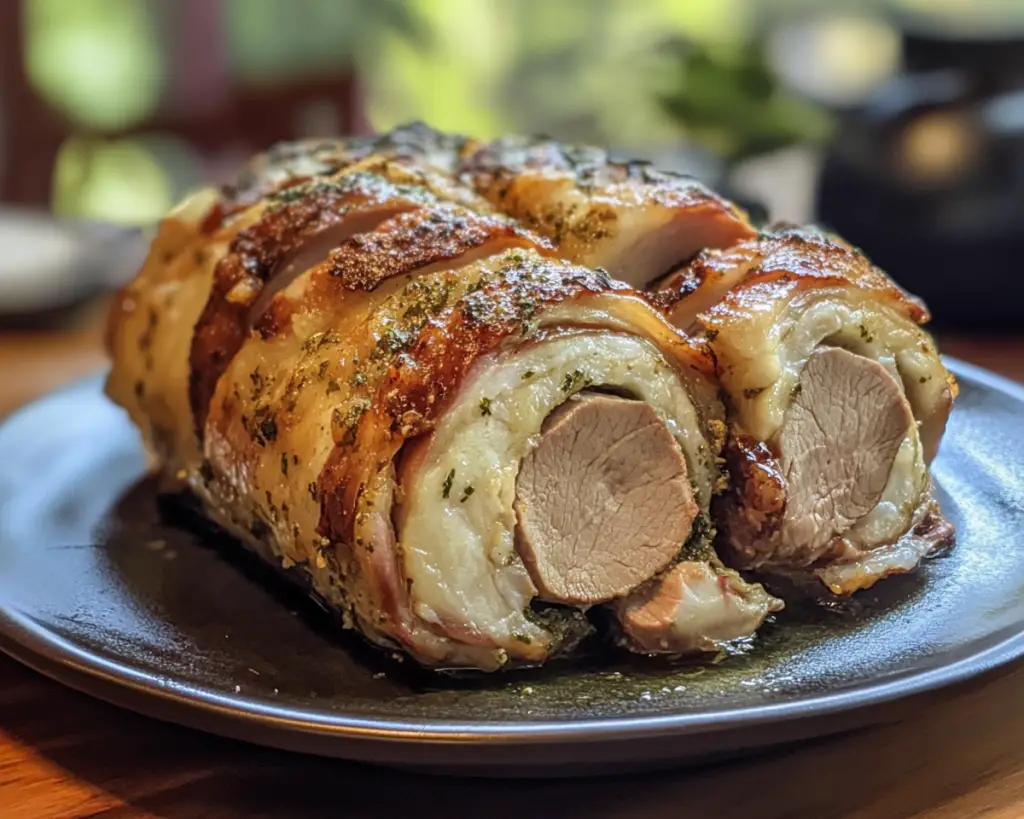
Porchetta is a classic Italian dish that is a feast for the senses. Envision a succulent, herb-infused pork roast, crispy on the outside, with a tender and flavorful interior. This dish is as delightful in flavor as it is in aroma, making it a centerpiece for any gathering. Perfect for holidays or a weekend feast, porchetta is more than just a recipe; it’s an experience!
In this article, you’ll learn how to make porchetta from scratch, including the best ingredients to select, tips for ensuring perfect texture and flavor, variations that suit dietary needs, and expert advice to avoid common pitfalls. Whether you’re a beginner or an experienced cook, this recipe will help you create a dish that will impress your family and friends.
What Is Porchetta?
Porchetta is an Italian succulent and savory roast, traditionally made from whole pigs that have been deboned, spiced, and rolled into a cylindrical shape before being slow-cooked to perfection. The dish originates from the regions of Lazio and Umbria, and it is often enjoyed as street food or served at special occasions. The key characteristics of porchetta are its *crisp, golden-brown skin* and its juicy, herb-flavored meat.
The preparation of porchetta often involves seasoning the meat with a blend of herbs, including *sage, rosemary, and garlic*, enhancing its already rich flavor profile. After slow-roasting for several hours, the exterior becomes a tantalizing contrast to the succulent meat within. The aromas wafting from the oven are so irresistible that they are sure to have your family gathering in the kitchen before dinner is even served!
Making porchetta at home allows you to adjust the seasoning and cooking methods to suit your taste. Each family might have its own twist, making porchetta a versatile dish that can be tailored to local ingredients or personal preferences.
Why You’ll Love This Porchetta
There are numerous reasons to fall in love with porchetta. First and foremost is the *incredible flavor* — an ideal balance between herbs, meat, and a hint of crispy skin. The slow-roasting process ensures that each bite is tender and flavorful, creating a culinary delight that’s hard to resist.
Another benefit of porchetta is its *ease of preparation*: while it may seem daunting, the steps are straightforward and rewarding. All you need are quality ingredients, a little time for preparation, and patience while it cooks.
On a budget? Porchetta offers a fantastic way to serve a large group without breaking the bank. The main ingredient—pork shoulder—is often more affordable than other cuts, especially when purchased in bulk. The leftovers are versatile, making excellent sandwiches or additions to salads, so you get great value.
There are also health benefits to consider. Pork, when cooked correctly, is a good source of protein and essential vitamins. By choosing lean portions and balancing with fresh herbs, you can enjoy a hearty meal without feeling overly indulgent.
It’s crucial to note some common misconceptions about porchetta. People often think this dish requires a whole pig and advanced cooking skills; however, this recipe allows you to make a smaller version at home with a pork shoulder or belly, making it accessible for home cooks of all skill levels.
Ingredients You’ll Need
To prepare porchetta at home, you’ll need the following ingredients:
– **Pork Shoulder or Belly** (4-6 lbs)
– This is the main ingredient. Choosing a well-marbled cut ensures flavor and moisture.
– **Salt** (2 tablespoons)
– Essential for seasoning and pulling out moisture from the meat for tenderization.
– **Black Pepper** (1 tablespoon)
– Freshly ground black pepper adds a punch of flavor that enhances the overall taste.
– **Fresh Rosemary** (2 tablespoons, chopped)
– This herb is aromatic and pairs beautifully with pork, bringing out its flavor.
– **Fresh Sage** (2 tablespoons, chopped)
– Sage adds an earthy taste that complements the richness of the pork.
– **Garlic** (6-8 cloves, minced)
– Garlic provides a depth of flavor that is crucial in this dish.
– **Fennel Seeds** (2 teaspoons, crushed)
– These add an anise-like flavor that is characteristic of traditional porchetta and brightens the dish.
– **Red Pepper Flakes** (optional, to taste)
– Adds a kick of heat; adjust according to your preference.
– **Olive Oil** (1/4 cup)
– Used to help bring the seasoning together while also adding moisture.
– **Cooking Twine**
– Necessary for securing the rolled porchetta before roasting.
Each ingredient contributes significantly to the overall flavor of porchetta. The pork shoulder is the canvas, while the herbs and spices are the artist’s palette, painting a multi-layered experience that enhances each bite. If you don’t have fresh herbs available, dried versions can work too, though fresh is always preferred for optimal flavor.
How to Make Porchetta
Making porchetta is a rewarding culinary adventure! Here’s a detailed step-by-step guide to prepare it:
1. **Prepare the Pork**:
Begin by selecting a quality pork shoulder or belly. Use a sharp knife to carefully trim any excessive fat from the outer layer. Remember that some fat is essential for moisture and flavor, so don’t remove it all. Position the pork skin-side down on a cutting board and gently score the meat with a knife in a crisscross pattern, ensuring not to cut too deep. This allows seasonings to penetrate effectively.
2. **Make the Herb Mixture**:
In a medium bowl, combine the salt, black pepper, crushed fennel seeds, minced garlic, chopped rosemary, chopped sage, and red pepper flakes if using. Mix these ingredients thoroughly. Then, stir in the olive oil until it becomes a paste. This mixture is what will flavor the inside of your porchetta.
3. **Season the Meat**:
Rub the herb mixture generously over the scored meat, ensuring it gets into all the crevices. Make sure to work the seasoning in well, including the scored lines to let the flavors permeate the interior. This step is crucial for achieving the full taste of porchetta.
4. **Roll the Porchetta**:
Starting from one end of the pork shoulder, roll it tightly into a cylinder, making sure to keep the herb mixture inside. Secure the roll with cooking twine at regular intervals, about 1-2 inches apart. This will help hold the shape while it cooks and ensure even heating throughout. Tie the ends securely.
5. **Rest the Porchetta**:
Once it’s rolled and tied, place the porchetta on a baking rack set in a roasting pan. Cover it with plastic wrap and let it rest in the refrigerator for at least 12 hours. This overnight process is vital for developing deeper flavors and ensuring tenderness.
6. **Preheat the Oven**:
The next day, remove the porchetta from the refrigerator about an hour before cooking to bring it to room temperature. Preheat your oven to 475°F (245°C) to achieve that coveted crispy skin.
7. **Roast the Porchetta**:
Place the porchetta in the oven and roast for 30 minutes. Watching closely, you want the skin to become blistered and golden. Once the skin reaches this perfect color, reduce the temperature to 300°F (150°C) and let it roast for an additional 3-4 hours. The internal temperature should reach 165°F (74°C) for safe consumption. Use a meat thermometer to verify without cutting into the meat, which would release its juices.
8. **Final Crisp**:
For extra crispy skin, finish under a broiler for a few minutes at the end of cooking; keep a close eye to prevent burning.
9. **Rest and Serve**:
Once the porchetta has reached the proper temperature, remove it from the oven and let it rest for at least 20-30 minutes. This resting period allows the juices to redistribute throughout the meat, ensuring every slice is juicy. After resting, untie the twine and slice the porchetta into thick rounds.
Enjoy it as is or serve it on crusty bread with a drizzle of olive oil and some arugula for a delightful sandwich!
8 Variations & Substitutions
1. **Mediterranean Porchetta**:
Add sun-dried tomatoes and black olives to the herb mixture for a rich Mediterranean twist. This variation adds a robust umami flavor while keeping the original essence intact. Ideal for those who love bold flavors, this will transport your taste buds to a sunny Italian café.
2. **Herbal Blend**:
If rosemary or sage isn’t available, you can replace them with thyme or oregano. Each herb brings a unique taste, and experimenting with fresh or dried herbs can lead to delightful surprises! Tailor to your pantry’s bounty and discover your favorite combination.
3. **Spicy Sicilian**:
Incorporate ground red pepper flakes along with crushed pistachios into the herb mix to achieve a smoky, spicy porchetta with a hint of crunchy texture stirring up Sicilian flavors.
4. **Apple and Sage**:
A delightful twist for autumn! Add finely chopped apples and walnuts into the herb mixture. This pairs beautifully with roasted pork, adding subtle sweetness and texture; perfect for fall gatherings or Thanksgiving.
5. **Balsamic Reduction Glaze**:
Introducing a balsamic glaze towards the end of cooking adds a deeply flavored sweetness that contrasts perfectly with the savory profile of the meat, elevating the overall dish to new heights without overwhelming its traditional flavor.
6. **Citrus Zest**:
Elevate your porchetta by including lemon or orange zest in the seasoning mix. The bright citrus notes cut through the richness and provide a great balance of flavors.
7. **Vegan Alternative**:
For a plant-based version, consider using a large, stuffed portobello mushroom cap stuffed with similar herbs or flavored rice. It won’t mimic porchetta exactly but can offer a delightful alternative for vegetarian friends.
8. **Slow Cooker Porchetta**:
For a fuss-free cooking style, try making porchetta in a slow cooker! Coat the pork with herbs per usual and cook on low for 8-10 hours. This method won’t give you the crispy skin but will yield a tender and delicious outcome.
Common Mistakes to Avoid
One common mistake when making porchetta is not allowing the meat to **rest after cooking**. This step is crucial for keeping the meat moist. Skipping the resting period can lead to dry meat when sliced, which is far from the intended flavor and texture experience.
Another pitfall is **overcooking the porchetta**. While it’s important to ensure the meat is safe to eat, overcooked pork can lead to a chewy and less appetizing final product. Always pay attention to the internal temperature and use an immediate-read meat thermometer to check its progress without compromising its juiciness.
Using too much salt in the seasoning can overpower the flavor and result in a less pleasing dish. It’s better to start with a smaller amount and, if necessary, adjust the seasoning with further toppings such as salsas or sauces when served.
Lastly, many novice cooks struggle with achieving crispy skin. A well-heated oven is essential for rendering fat and achieving that desirable crust. Avoid opening the oven frequently during cooking, as this can drop the temperature and hinder the crisping process.
Storage, Freezing & Reheating Tips
Porchetta is best enjoyed fresh, but you can store leftovers efficiently. Wrap any uneaten portions tightly in plastic wrap or aluminum foil to prevent moisture loss and keep them in the refrigerator for up to 3-4 days. Alternatively, place the sliced porchetta in an airtight container, where it will remain fresh for the same duration.
For longer storage, consider freezing your porchetta. Completely cool it and wrap it tightly before placing it in a freezer-safe container or bag. It can last up to 3 months in the freezer. Label the container with the date to keep track. When ready to eat, consider thawing in the refrigerator overnight for safety before reheating.
To reheat, the best method is to gently warm it in a preheated oven (350°F or 175°C) to avoid drying it out. You can cover it loosely with foil to retain moisture or simply warm it up on the stovetop with a little fat to keep it from sticking.
Frequently Asked Questions
1. **Can I use other cuts of meat for porchetta?**
Yes! While traditional porchetta primarily uses pork shoulder or belly, you can experiment with different cuts, including pork loin or even chicken. Adjust cooking times according to the specific cut to achieve the best results.
2. **How do I know when the porchetta is done?**
The internal temperature of the porchetta should reach 165°F (74°C) for safe consumption. Utilize a meat thermometer for a reliable reading, particularly placed in the thickest part of the meat to ensure an accurate measurement.
3. **Can I make porchetta ahead of time?**
Absolutely! You can prepare the porchetta and season it a day in advance. This allows flavors to meld beautifully, and you can simply roast it when you’re ready to serve.
4. **Why is my porchetta not crispy?**
If the skin hasn’t crisped, it may be lacking sufficient heat. Starting at a high temperature and avoiding opening the oven frequently is critical. You can also try finishing under the broiler for a few minutes, keeping a watchful eye to prevent burning.
5. **What can I serve with porchetta?**
Porchetta pairs exceptionally well with roasted vegetables, salads, or crusty bread. You can also serve it with grains like polenta or risotto, brightening the meal and providing a contrast to the rich flavors of the meat.
In conclusion, porchetta offers a mouthwatering culinary experience that is sure to impress. This traditional dish not only showcases the beauty of Italian cooking but also lets you tailor the flavors to suit your preferences. So gather your ingredients, roll up your sleeves, and enjoy the process of creating this charming and delicious dish. Whether served at a festive gathering or a cozy family dinner, your homemade porchetta will undoubtedly take center stage on the table. Give it a try and share your delicious results! [Read also: Easy Dessert Recipes for Beginners]