Prep time: 15 minutes
Cook time: 30 minutes
Total time: 45 minutes
Servings: 4
Mediterranean diet healthy dinners are a wonderful way to enjoy tasty, satisfying meals while benefiting from the nutritional advantages that this dietary approach offers. This cuisine emphasizes fresh vegetables, lean proteins, whole grains, and healthy fats, all of which play a crucial role in boosting overall health and wellness. If you’re looking to invigorate your weekly meal plan, you’ve come to the right place!
What Is Mediterranean Diet Healthy Dinners for Every Night?
The Mediterranean diet is more than just a set of recipes; it stands as a holistic approach to eating that promotes the use of whole foods like fruits, vegetables, legumes, nuts, and fish. Dinners that align with this dietary pattern are not only delicious but also flavorful and satisfying. By including a variety of colorful ingredients in your meals, you’re more likely to stick with your healthy eating commitments while indulging in satisfying dishes.
Why You’ll Love This
The beauty of Mediterranean diet healthy dinners is that they can be as versatile as your palate desires. Whether you are a busy parent juggling meal prep, a kitchen beginner stepping into your culinary journey, or someone simply looking to eat healthier, this diet makes it easy. Recipes are often quick, straightforward, and require minimal cleanup, allowing more time to enjoy dinner with family and friends. The rich flavors combined with wholesome ingredients make each meal feel special. Plus, they are budget-friendly and can often be adapted using whatever ingredients you have on hand.
Ingredients You’ll Need
- Olive Oil: 2 tablespoons – The primary source of fat in the Mediterranean diet, providing flavor and healthy monounsaturated fats.
- Garlic: 3 cloves, minced – Adds depth and aroma to your dishes, boosting health benefits with its anti-inflammatory properties.
- Cherry Tomatoes: 1 pint – Juicy and sweet, these add a burst of flavor and essential vitamins.
- Bell Peppers: 2, sliced – Colorful and crunchy, providing vitamins A and C.
- Spinach: 4 cups – A nutrient-dense leafy green that offers antioxidants and iron.
- Cooked Quinoa: 1 cup – A gluten-free grain rich in protein and fiber that acts as a perfect base.
- Lemon Juice: From 1 lemon – Adds zesty acidity, enhancing flavors and freshness in dishes.
- Feta Cheese: ½ cup, crumbled – A salty, tangy cheese that complements the dish beautifully.
- Fresh Herbs: Such as basil and parsley, for garnish – Adds a touch of freshness and enhanced flavor.
How to Make
- Prep Your Ingredients: Begin by washing and chopping your vegetables. Slice the bell peppers, halve the cherry tomatoes, and rinse the spinach thoroughly. This step not only ensures cleanliness but also makes the cooking process much smoother.
- Sauté the Aromatics: In a large skillet, heat the olive oil over medium heat. Add minced garlic and sauté for about a minute, until fragrant. Be careful not to burn the garlic, as this will give your dish a bitter flavor. You should notice a delightful aroma filling your kitchen.
- Add the Vegetables: Toss in the sliced bell peppers and cherry tomatoes, cooking for about 5-7 minutes until softened. The vibrant colors of the vegetables will start to entice your senses, creating a beautiful medley.
- Incorporate the Spinach and Quinoa: Stir in the fresh spinach until wilted, which should take roughly 2-3 minutes. Add the cooked quinoa and lemon juice, stirring to combine. The textures will blend excellently, and the lemon will add a refreshing kick.
- Top with Feta and Herbs: Sprinkle the crumbled feta cheese over the dish before removing it from the heat. Use your fresh herbs to garnish. This enhances both fragrance and taste, providing an artistic appeal.
- Serve Immediately: Transfer to bowls or plates, serving hot. Enjoy the comfortable warmth and incredible flavors of this nutritious Mediterranean meal!
Variations & Substitutions
Chickpea Variation: If you want to boost plant-based protein, feel free to add a can of drained and rinsed chickpeas to the mix while sautéing the vegetables. Chickpeas are an excellent source of protein and fiber, making this dish even more satisfying. They also soak up the flavors of the dish beautifully.
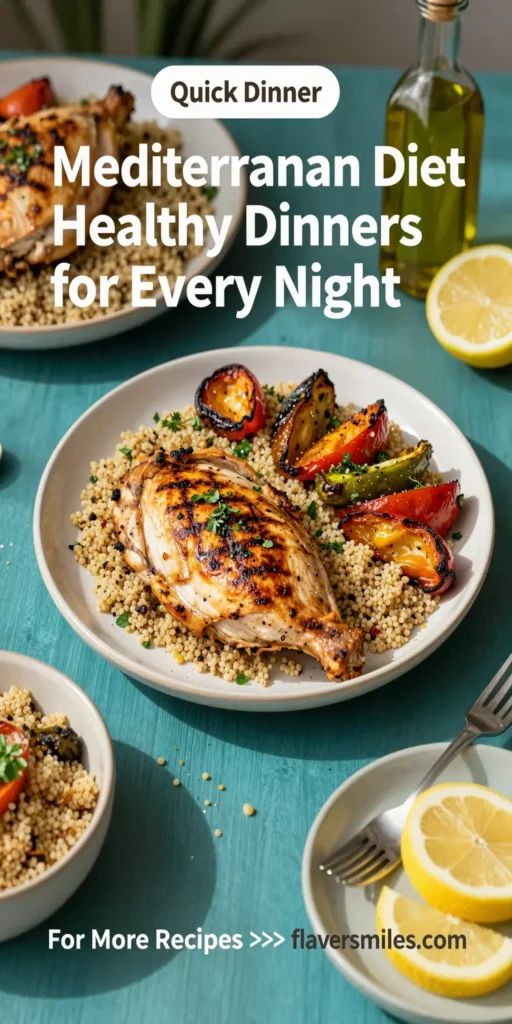
Grilled Lemon Chicken: For those who enjoy meat, marinated grilled chicken adds a robust flavor. Marinate chicken thighs in olive oil, lemon juice, rosemary, and garlic for at least 30 minutes, then grill and serve alongside the vegetable quinoa mix.
Veggie Swap: Don’t have cherry tomatoes or bell peppers? Substitute with seasonal vegetables like zucchini, asparagus, or even roasted eggplant. The Mediterranean diet is all about flexibility, so use what’s fresh and available to you.
Gluten-Free Option: Quinoa is naturally gluten-free, but if you’re looking for a different grain, try using brown rice or millet. These alternatives still harmonize well with the dish’s flavors.
Herb Infusions: If you’re a fan of different herb profiles, swap the basil and parsley for fresh dill or cilantro. Each herb can take the dish in a new flavor direction, giving you variety week after week.
Common Mistakes to Avoid
Pay attention to how you handle your garlic. Overcooking garlic can lead to bitterness. Always add garlic towards the end of your sautéing to preserve its aromatic qualities.
Another common issue is the misuse of salt. Too much salt can overpower your dish. Remember that feta cheese is already salty, so taste as you go and adjust accordingly.
Make sure your vegetables are cut uniformly. Unevenly sized vegetables will cook at different rates, some becoming mushy while others remain crunchy. Aim for consistency to ensure that every bite has perfectly cooked vegetables.
A mistake often made during cooking is overcrowding the skillet. Overcrowding prevents your ingredients from sautéing properly. Give them ample space to breathe, achieving that lovely caramelization we adore.
Storage, Freezing & Reheating Tips
Proper storage is crucial for extending the life of your meals. Allow your Mediterranean dinner to cool completely before storing it in an airtight container. This helps prevent condensation, which can make leftovers soggy. You can refrigerate the dish for up to three days.
For freezing, ensure that you use a freezer-safe container. This dish can be frozen for up to three months. When you’re ready to enjoy your meal again, it’s best to thaw it overnight in the refrigerator before reheating.
To reheat, use a microwave for quick options, or place it in a skillet over low heat, stirring occasionally until warmed through. You might want to add a splash of water or olive oil to revive any dry textures.
Frequently Asked Questions
Can I make this dish ahead of time?
Absolutely! This Mediterranean dinner can be prepped in advance. You can chop your vegetables and even cook your quinoa a few days earlier. Just store each component in separate airtight containers in the fridge until you’re ready to combine and heat.
How do I make this dish vegan?
To adapt this recipe for a vegan diet, simply omit the feta cheese and ensure that all vegetable broths used are plant-based. You may also consider adding nuts or seeds for a savory richness, enhancing both the taste and texture.
What should I serve with this Mediterranean dinner?
This dish pairs beautifully with a crisp salad or warm pita bread. A side of tzatziki made with cucumber, yogurt, and garlic is an excellent addition that complements the Mediterranean essence wonderfully.
Can I add meat to this dish?
Yes, adding protein like grilled chicken, shrimp, or fish can easily elevate the nutritional value and flavor. Ensure the meat is seasoned well and cooked thoroughly to maximize taste.
Is the Mediterranean diet suitable for everyone?
The Mediterranean diet is generally considered safe for most people, but dietary restrictions and food allergies should always be taken into account. It’s recommended to consult with a healthcare provider before starting any new diet, especially for individuals with specific health concerns.
Conclusion:
Incorporating Mediterranean diet healthy dinners into your daily routine offers both culinary enjoyment and nutritional benefits. With flexible ingredients and various options, you can easily adapt recipes to suit your preferences. The flavor profiles and health advantages will keep you and your loved ones delighted and nourished. Enjoy exploring this vibrant cuisine while making it your own!