**Prep Time:** 15 minutes
**Cook Time:** 20 minutes
**Total Time:** 35 minutes
**Servings:** 4
Chicken stir fry is one of those dishes that can transport you to a bustling street market in Asia with just one bite. Imagine that delicious mix of tender chicken, vibrant vegetables, and a tangy sauce that brings everything together. It’s one of those meals you can whip up quickly, making it a fantastic option for busy weeknights or a healthy dinner idea. This Low-Calorie Chicken Stir Fry not only satisfies your taste buds but also takes care of your health goals, making it a win-win choice on any day.
You might be wondering how to pull off a healthy stir fry that doesn’t compromise on flavor. In this recipe, we’ll be using lean chicken breast, a rainbow of veggies, and a simple, homemade sauce that’s loaded with flavor while keeping calories in check. The beauty of this dish lies in its versatility; you can add whatever vegetables you have in your fridge or your favorites to make it truly your own.
In this article, you will learn everything from the key ingredients that make this dish special to step-by-step cooking instructions. Plus, there are plenty of tips on variations and how to avoid common mistakes. By the end of this, you will feel confident to create a delicious, low-calorie chicken stir fry that will wow your family and friends!
What Is Low-Calorie Chicken Stir Fry?
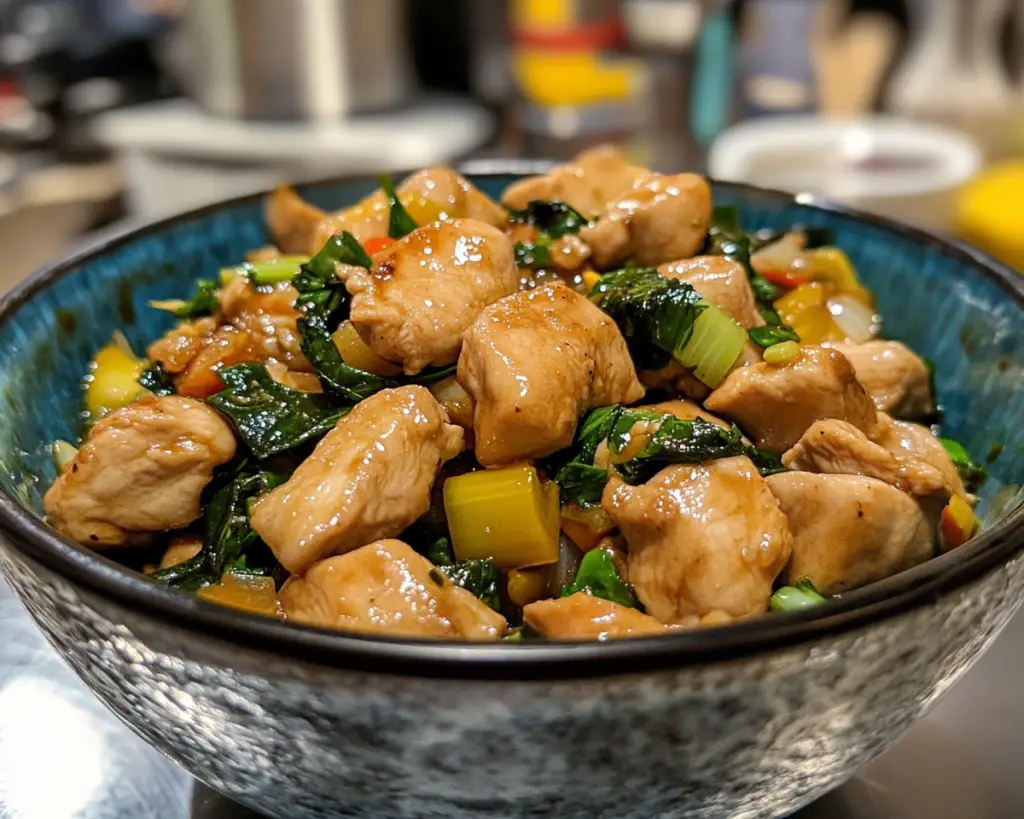
Low-Calorie Chicken Stir Fry is a simplified version of the classic stir fry, focusing on low-calorie content without sacrificing the rich texture and flavor that stir fry is known for. Originating from Asian cuisine, stir fry methods involve quickly cooking meat and vegetables over high heat, which helps to lock in nutrients and preserve the fresh flavors.
In this recipe, the key components include tender **chicken breast**, colorful **crisp vegetables** like bell peppers, broccoli, and carrots, complemented with a flavorful stir fry sauce that harmonizes all the ingredients. The goal is to create a satisfying meal that keeps calories to a minimum while providing ample nutritional value. This dish typically hovers around 300 calories per serving, depending on the exact quantities used.
Texture-wise, expect a delightful crunch from the vegetables paired with juicy chicken pieces that have absorbed the savory sauce. Flavors meld beautifully, giving off a sweet and savory aroma that fills your kitchen as you cook. It’s the epitome of comfort food made healthy, appealing to both your taste buds and your diet.
Why You’ll Love This Low-Calorie Chicken Stir Fry
This Low-Calorie Chicken Stir Fry brings a multitude of benefits that make it hard to resist. First and foremost, the taste is exceptional. The combination of fresh vegetables and marinated chicken creates a flavor explosion that dances on your palate. Additionally, the ability to customize the vegetables means there’s something for everyone; whether you’re a broccoli fanatic or a bell pepper lover, you can make this your own.
Secondly, ease of preparation is another reason to love this dish. With just about 15 minutes of prep and 20 minutes of cooking, you can have a healthy dinner on the table in under 40 minutes. This makes it an ideal choice for busy parents looking to provide nutritious meals for their families without spending hours in the kitchen.
When it comes to cost, chicken breast is generally an affordable protein source, often yielding leftovers that can be utilized in other meals. The vegetables can be tailored to seasonal offerings, further reducing costs while maximizing freshness.
Health-wise, this stir fry is packed with lean protein, vitamins, and fiber. Unlike takeout versions that are heavily laden with oils and sugar, this dish uses minimal oil and natural ingredients, ensuring a light meal that fills you up without weighing you down.
Lastly, cooking at home means you can get experimental. Feel free to mix in different vegetables, sauces, or even proteins like tofu or shrimp. The possibilities are endless, and each time you make it, you can create a new flavor profile to keep things exciting.
Ingredients You’ll Need
Here’s what you’ll need to create this delectable Low-Calorie Chicken Stir Fry. Each ingredient plays a critical role in the dish’s overall flavor and texture.
– **1 pound of boneless, skinless chicken breast:** Lean chicken breast is the star of this dish, offering high protein and low fat. You could substitute it with turkey breast or even tofu for a vegetarian version.
– **2 cups of mixed vegetables (bell peppers, broccoli, snap peas, carrots):** A colorful mix not only adds nutritional value but also makes the dish visually appealing. Feel free to swap in seasonal veggies or your favorites.
– **2 tablespoons of low-sodium soy sauce:** This provides an umami flavor that’s quintessential in stir fries. If you’re avoiding soy, tamari or coconut aminos can be good alternatives.
– **1 tablespoon of olive oil:** Just enough oil to lightly coat the pan and prevent sticking. You could opt for sesame oil for a nuttier aroma, but keep in mind that it has a stronger flavor.
– **2 cloves of garlic (minced):** Fresh garlic adds depth to the sauce. If you’re in a pinch, garlic powder can also do the job.
– **1 tablespoon of fresh ginger (grated):** Ginger brings warmth and a slight spice. A teaspoon of ground ginger can be a substitute while ensuring you keep it healthy.
– **1 tablespoon of honey (or agave syrup):** This natural sweetener balances out the saltiness of the soy sauce. If you’re vegan or need to cut sugar, feel free to skip or reduce it.
– **Salt and pepper to taste:** Season to your liking, but with the soy sauce included, you may want to minimize added salt.
– **Optional toppings:** Green onions, sesame seeds, or crushed red pepper can enhance flavor and add crunch. Feel free to get creative!
How to Make Low-Calorie Chicken Stir Fry
Now that you have your ingredients prepped and ready, let’s dive into making this healthy dinner!
1. **Prepare the Chicken:** Start by cutting the chicken breast into bite-sized pieces. This helps them cook evenly and faster. Season with a little salt and pepper for flavor. If you’re feeling adventurous, consider marinating the chicken in a mixture of soy sauce, garlic, and ginger for about 15-30 minutes before cooking to intensify flavors.
2. **Chop the Vegetables:** While your chicken is marinating (if you choose to do so), wash and chop your mixed vegetables into similarly sized pieces for uniform cooking. Colorful vegetables not only make the dish more appealing but also fuel your body with essential nutrients.
3. **Heat the Oil:** In a large non-stick skillet or wok, heat the olive oil over medium-high heat. Allow the oil to become hot but not smoking. Test the heat by dropping a small piece of chicken or a vegetable; if it sizzles, you’re good to go!
4. **Cook the Chicken:** Add the chicken to the hot skillet in an even layer. It’s important not to overcrowd the pan; doing so can cause steaming rather than searing. Cook for about 5-7 minutes, turning occasionally until the chicken pieces are golden brown and cooked through (internal temperature should reach 165°F).
5. **Add Garlic and Ginger:** Once the chicken is cooked, add the minced garlic and grated ginger to the skillet. Stir for one minute until fragrant, which should fill your kitchen with an amazing aroma.
6. **Add Vegetables:** Toss in your mixed vegetables and stir well. Stir-fry for about 4-5 minutes, or until they are vibrant in color and crisp-tender. You want them to maintain their crunch and bright patterns for visual appeal.
7. **Pour in the Sauce:** If you haven’t mixed the sauce separately, you can do so now in a small bowl. Combine the soy sauce, honey (or agave), and a sprinkle of black pepper. Pour this mixture over the chicken and vegetables, tossing everything to ensure it’s evenly coated. Cook for an additional 2-3 minutes for flavors to meld.
8. **Serve:** You can plate your stir fry on its own for a low-calorie option or serve it over cooked brown rice or quinoa for added fiber and healthy carbs. Top with green onions or sesame seeds for extra flavor and texture. Enjoy your tasty, low-calorie chicken stir fry hot!
5 Variations & Substitutions
As mentioned, stir fry is incredibly versatile. Here are five variations and substitutions you can try:
– **Vegetarian Stir Fry:** Swap the chicken for tofu or tempeh for a protein-packed vegetarian option. To enhance flavors, press and marinate the tofu before cooking for better texture and taste.
– **Spicy Chicken Stir Fry:** Add some heat by including fresh sliced chili peppers or a pinch of red pepper flakes. This gives your dish a spicy kick that can elevate the flavor profile significantly, appealing to those who enjoy a little heat.
– **Curry Chicken Stir Fry:** Incorporate curry powder or paste to create a unique twist. Simply add a tablespoon of curry to your sauce mixture for a fragrant, flavorful version of stir fry that brings an entirely different cultural essence to the dish.
– **Low-Carb Option:** For a lower carbohydrate count, you can replace the brown rice with cauliflower rice. This maintains the volume without the extra calories and carbs, making it a great alternative for keto dieters.
– **Meal Prep Version:** Make a larger batch and divide into meal prep containers for the week ahead. This is perfect for busy evenings or lunches. Ideally, stir fry is best consumed fresh, so make sure to keep the sauce separate when storing to avoid soggy veggies.
Common Mistakes to Avoid
Creating the perfect low-calorie chicken stir fry may seem simple, but there are common pitfalls to watch out for:
– **Overcrowding the Pan:** This is one of the most crucial points. When cooking, avoid adding too many ingredients at once. Overcrowding traps moisture and causes steaming instead of searing, leading to soggy chicken and veggies. Cook in batches if needed.
– **Low Heat Cooking:** Using too low of a heat can lead to mushy vegetables and undercooked chicken. Ensure your skillet or wok is hot enough to sear instead of boil.
– **Not Prepping Ahead:** Stir frying requires quick movements. Make sure to prep all your ingredients before starting. This way, you can keep the cooking process flowing smoothly without burning anything.
– **Ignoring Food Safety:** Always check that chicken reaches an internal temperature of 165°F to ensure it’s safely cooked. Using a meat thermometer can help in this case.
– **Skipping Flavoring:** Don’t skip the marinade or flavor-enhancing ingredients like garlic and ginger. Even with low-calorie options, flavor should not take a back seat!
Storage, Freezing & Reheating Tips
Proper storage can extend the lifespan of your stir fry. Here’s how to do it safely:
– **Refrigeration:** Store your leftover stir fry in an airtight container in the refrigerator for up to 3 days. When reheating, just warm it through in a skillet over medium heat to get everything heated evenly without overcooking.
– **Freezing:** If you’re looking to save it for a later date, your stir fry can also be frozen. Let it cool completely before transferring to a freezer-safe bag or container. It will keep well for up to 3 months.
– **Reheating from Frozen:** When it’s time to eat, thaw overnight in the fridge and then reheat in a skillet. Ensure it’s heated thoroughly as mentioned earlier.
– **Safety Practices:** Always ensure that reheated food should reach at least 165°F again to avoid foodborne illnesses. Discard any leftovers that have been sitting longer than recommended.
Frequently Asked Questions
1. **Can I use other proteins besides chicken?**
Yes! Chicken breast is commonly used due to its lean qualities, but you can easily substitute with turkey, shrimp, or even pork. Plant-based proteins like tofu or tempeh are also excellent alternatives that are great for vegetarian and vegan options.
2. **Is this stir fry gluten-free?**
The traditional soy sauce contains gluten; however, you can easily make it gluten-free by using tamari sauce, which is a wheat-free alternative. Always ensure your other sauces and ingredients are gluten-free if you have sensitivities.
3. **How do I make it spicier?**
To add heat, include fresh chilis, chili paste, or red pepper flakes. These can be adjusted to your personal preference for heat level. Start small, and you can always add more if you enjoy spiciness.
4. **What vegetables are best for stir fry?**
Almost any vegetable can work in a stir fry! Some favorites include bell peppers, broccoli, snap peas, carrots, and zucchini. Aim for a mix of colors and textures for a more visually appealing and nutritious dish!
5. **Can I make it ahead of time?**
Absolutely! You can prep your ingredients a day ahead or even fully cook the stir fry to store in the refrigerator. Just make sure to reheat properly and do not leave cooked chicken at room temperature for too long.
In conclusion, this Low-Calorie Chicken Stir Fry is a delicious and nutritious meal option that checks all the boxes: quick to prepare, budget-friendly, and totally flexible. Whether you follow the basic recipe or spin it with unique variations, the results will always tantalize your taste buds. So gather your ingredients, put on some fun music, and create a stir fry that’s bursting with flavor and health benefits! I encourage you to share your adaptations and experiences with this recipe. Cooking is always more enjoyable with shared stories! Happy cooking and enjoy your meal!