Prep time: 15 minutes
Cook time: 25 minutes
Total time: 40 minutes
Servings: 4
Are you looking for a versatile dish that can be enjoyed at any time of day? Imagine a beautifully fluffy and flavorful frittata that both satisfies your cravings and fuels your busy lifestyle. This Frittata Recipe with Spinach + Feta is not just easy to make; it’s also packed with proteins and nutrients, making it an excellent choice for busy parents, health-conscious individuals, or anyone seeking a delightful home-cooked meal.
This recipe stands out because it is not only delicious but also incredibly adaptable. You’ll learn how to create a dish that balances creamy feta cheese with fresh spinach, resulting in a kaleidoscope of flavors and textures. Plus, the steps are straightforward and perfect for beginners, allowing you to impress yourself and others without feeling overwhelmed. Get ready to create a masterpiece that’s as beautiful as it is appetizing!
What Is Frittata Recipe with Spinach + Feta (Fluffy + Easy)?
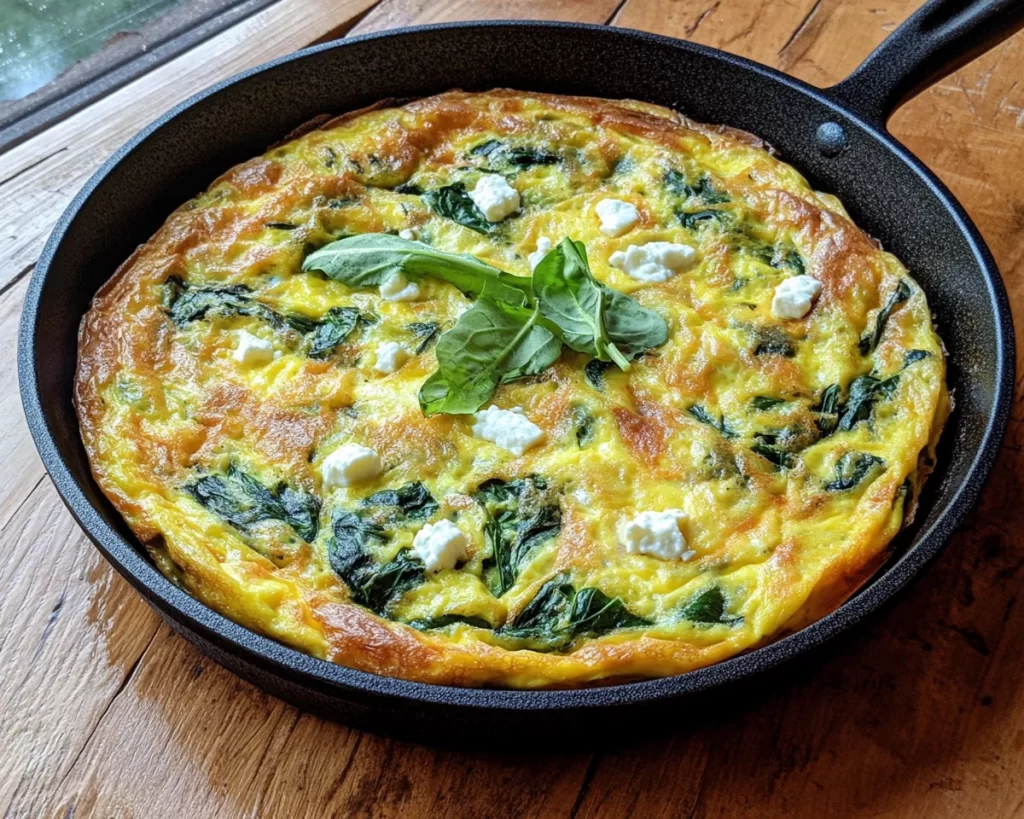
A frittata is often considered the Italian cousin of the omelette, but it is so much more than that! This dish is known for its hearty and welcoming nature, combining eggs with a variety of fillings, resulting in a satisfying meal perfect for brunch or anytime you’re craving something hearty yet light. The addition of fresh spinach brings a mild earthy flavor, while feta cheese adds a creamy tang, enhancing the overall taste experience and providing a visual treat.
Traditionally, frittatas are cooked slowly over low heat, allowing the eggs to set beautifully without burning. The process creates light and airy textures, giving you a fluffy end result. When paired with spinach and feta, the flavors meld together perfectly, creating a rich comfort food experience. This dish is a great way to incorporate fresh vegetables into your meals, making it an excellent option for health-conscious eaters.
In addition to its delectable taste, this dish hails from a long line of Italian cuisine that embodies simplicity and freshness. It’s versatile enough to adapt to many ingredients, meaning you can mix and match depending on what you have available in your kitchen. The best part? You’ll find it just as enjoyable cold as it is warm, making it a wonderful option for meal prep throughout the week.
Why You’ll Love This
This frittata is remarkable for many reasons. First, it delivers on flavor without demanding complex cooking skills or a long list of ingredients, making it an easy go-to for anyone, including busy parents juggling various tasks. You might think that cooking something as delightful as a frittata requires professional skills, but this couldn’t be further from the truth; with just a little practice, you’ll be flipping frittatas like a pro!
Moreover, the cost of making this dish is incredibly budget-friendly. Eggs, spinach, and feta are often inexpensive ingredients that you may already have in your fridge. This makes it a sensible choice for those looking to stretch their grocery budget while still providing a healthy, satisfying meal.
Another key benefit is its versatility. You can easily tailor the recipe to accommodate various dietary needs. For individuals who are lactose intolerant, for instance, you can substitute feta with a dairy-free cheese or simply omit it. This adaptability makes it an inclusive meal option for all dietary preferences.
Additionally, frittatas make excellent leftovers. You can whip up a large batch at the beginning of the week and enjoy them throughout, whether as a breakfast option, a nutritious lunch, or a quick dinner. Just consider the opportunities for customization—add different vegetables, herbs, or spices to keep your meals interesting!
Ingredients You’ll Need
To make this Fluffy Frittata with Spinach and Feta, you’ll need the following ingredients:
- Eggs: The star ingredient that forms the base of your frittata. They provide protein and richness. Use free-range or organic eggs for the best flavor.
- Fresh Spinach: Adds a vibrant color and nutritional value. You can also use frozen spinach, just make sure to thaw and drain it well before use.
- Feta Cheese: Offers a tangy creaminess that elevates the dish. If you want to reduce the saltiness, try rinsing it under cold water before crumbling it into the mix.
- Olive Oil: Essential for sautéing the spinach and adding healthy fats. You can substitute it with butter if you prefer a richer flavor.
- Salt and Pepper: For seasoning. Adjust to your taste preference but remember that feta can be salty, so taste before adding more salt.
- Onion (optional): Milder than their raw states, sautéing onions can contribute a lovely sweetness to your frittata.
- Garlic (optional): Adds a robust flavor that pairs exceptionally well with the spinach and feta. Use fresh garlic cloves for the best aroma.
Each ingredient in the list serves a purpose in contributing flavor, texture, and nutritional value. Feel free to swap ingredients according to your preferences or pantry contents. For instance, you might choose to replace spinach with kale, or feta with goat cheese, adapting this dish to your taste while maintaining its essential goodness.
How to Make
Making a frittata may seem daunting at first, but I promise you, it’s easier than you think! Follow these detailed steps:
- Preheat your oven: Begin by preheating your oven to 375°F (190°C). This temperature allows the frittata to cook evenly without browning too fast.
- Sauté the spinach: In a medium-sized oven-safe skillet, heat the olive oil over medium heat. Add chopped onions if using, and sauté them for about 3-4 minutes until they become translucent. Then, add the fresh spinach and cook until wilted, which should take about 2-3 minutes. Stir frequently to prevent any burning. Once cooked, remove from heat.
- Prepare the eggs: In a separate bowl, crack the eggs and whisk them vigorously until they’re frothy. This air incorporation helps produce a fluffier frittata. Season with salt and pepper according to your taste preferences.
- Combine: Pour the whisked eggs over the sautéed spinach and onion in the skillet. Fold in crumbled feta evenly throughout the mixture. This is where you can also add extras like herbs or spices if desired.
- Cooking on the stovetop: Allow the mixture to cook undisturbed on the stovetop for about 3-5 minutes. You want the edges to start setting while the center remains somewhat soft. This helps form a good base.
- Transfer to the oven: Once the edges are set, carefully place the skillet in the preheated oven and bake for about 15-20 minutes or until the top is golden brown and the center is set. You can test doneness using a toothpick; if it comes out clean, your frittata is ready!
- Cool and serve: Once out of the oven, allow the frittata to sit for a few minutes before slicing. This waiting time allows it to firm up slightly, making serving easier. Garnish with fresh herbs if you like, and serve warm or at room temperature.
Throughout the process, make sure to observe texture cues. The mixture will change from liquid to a custardy consistency as it cooks. It should look slightly puffed and golden when done. For those new to cooking, don’t worry if it doesn’t look perfect; the flavor will still be fabulous!
Variations & Substitutions
Vegetable Lovers Variation: If you adore vegetables beyond spinach, consider adding bell peppers, zucchini, or mushrooms to your frittata. These additions not only enhance flavor but also boost its nutritional profile. Just make sure to cook the vegetables until tender before adding the eggs to ensure a balanced cooking time.
Herbed Frittata Variation: For a burst of flavor, incorporate various fresh herbs like parsley, dill, or basil. These herbs can be mixed directly into the egg mixture before pouring it into the skillet. Herbs brighten the dish and provide fresh notes that complement the rich feta beautifully.
Meat Lovers Variation: If you want to introduce some protein beyond eggs, consider adding cooked bacon, ham, or smoked salmon into the frittata. Make sure to sauté any raw meats in the skillet first so they are thoroughly cooked before adding the egg mixture. This will give your frittata an extra layer of richness.
Dairy-Free Variation: For a dairy-free option, simply replace the feta with a vegan cheese alternative or even blended silken tofu mixed with nutritional yeast for a creamy, cheesy flavor. This variation retains the comfort but makes it suitable for lactose intolerant individuals.
Single-Serving Muffin-Frittatas Variation: If you’re preparing meals ahead of time, consider making mini frittatas in a muffin tin. Fill each muffin compartment with the egg mixture and any preferred fillings, adjusting cooking time to about 15-18 minutes. This is an easy and portable way to enjoy your frittata on the go!
Each of these variations allows you to customize your dish according to taste preferences and dietary needs, ensuring that everyone at the table leaves satisfied.
Common Mistakes to Avoid
Even though making a frittata is relatively straightforward, there are some common pitfalls to watch out for. One frequent issue is overcooking the eggs. Overcooked frittatas become rubbery and dry; you want to aim for a tender texture. Always keep an eye on your dish as it bakes and check for doneness using a toothpick.
Another mistake is overcrowding the skillet with fillings. If you add too many vegetables or other ingredients, the eggs may not set properly, resulting in a soggy frittata. A good rule of thumb is to maintain a balance between egg and fillings—about 1 to 2 cups of fillings for every 6 eggs will usually do the trick.
Additionally, remember the importance of seasoning. It’s easy to underestimate salt and pepper initially; however, they play a key role in enhancing the flavor. Taste the egg mixture before pouring it into the skillet and adjust seasoning as needed.
Finally, ensure that you’re using a properly seasoned or non-stick skillet to prevent sticking. If you find that your frittata sticks, consider using more oil or butter when sautéing initial ingredients. Always let your frittata rest before slicing to prevent crumbling.
Storage, Freezing & Reheating Tips
Proper storage of your cooked frittata is crucial to keeping it delicious for later meals. Allow the frittata to cool completely before storing it. Wrap individual slices in plastic wrap or aluminum foil and place them in an airtight container in the fridge. It will typically last for about 3-5 days when stored properly.
If you plan to freeze your frittata, cut it into individual portions, wrap each slice tightly, and place them in a freezer-safe container. It will maintain its best quality for about 2-3 months in the freezer. When you are ready to enjoy a slice, allow it to thaw in the refrigerator overnight, then reheat in the oven or microwave.
For reheating, place the slices in a microwave-safe dish and heat for about 1-2 minutes, or until warmed through. Alternatively, reheat in the oven at 350°F (175°C) for about 10-15 minutes for a freshly-baked texture.
It’s essential to follow food safety guidelines, particularly when it comes to eggs, to prevent any foodborne illnesses. When in doubt, adhere to the “when in doubt, throw it out” rule—better to be safe than sorry!
Frequently Asked Questions
Can I make this frittata ahead of time?
Absolutely! This frittata is perfect for meal prep. You can make it a day or two ahead of time and store it in the refrigerator. Just make sure to cool it completely and cover it properly to maintain its freshness.
Can I use frozen spinach instead of fresh?
Yes, frozen spinach works just fine! Just make sure to thaw and drain it well to remove excess moisture before adding it to the frittata. This will help achieve the ideal texture without making the frittata soggy.
Can I add meat to the frittata? What’s the best type?
Definitely! You can add cooked sausage, bacon, ham, or any other meat you love. Just make sure it’s pre-cooked and chopped into small pieces before mixing it into the egg mixture.
How do I know when my frittata is done cooking?
The frittata is done when the edges are set and the center is no longer liquid. You can perform a toothpick test; if it comes out clean from the center, your frittata is ready!
Is this frittata suitable for freezing?
Yes, this frittata freezes well when cut into slices. Just wrap each individual portion well in plastic wrap and store it in an airtight container. It should maintain its quality for 2-3 months in the freezer.
Conclusion:
In summary, this Frittata Recipe with Spinach + Feta is a truly delightful dish that balances taste, health, and convenience. Whether you’re a busy parent looking to satisfy the family, a beginner in the kitchen, or someone simply wanting to elevate their meal prep game, this recipe checks all the boxes. Customize it according to your needs, share it with friends and family, and enjoy every delicious bite. I encourage you to give it a go—you might just discover your new go-to recipe!