Prep time: 15 minutes
Cook time: 30 minutes
Total time: 45 minutes
Servings: 4 servings
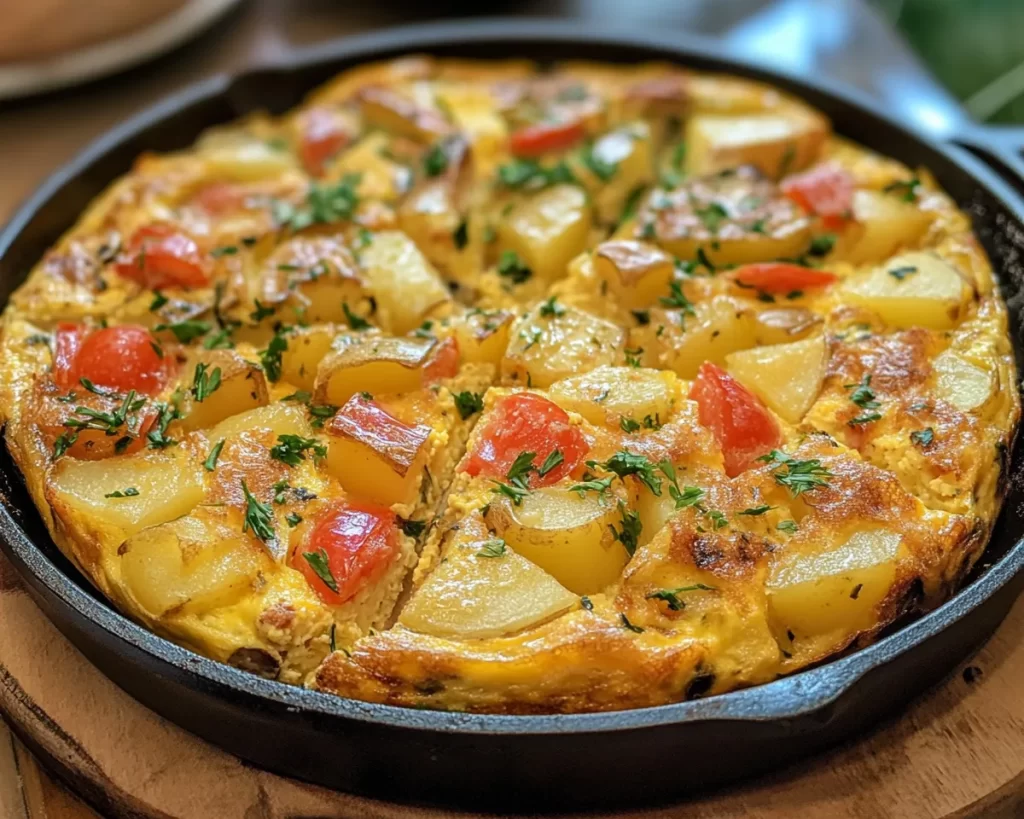
Imagine a dish that warms your soul while being incredibly nourishing—that’s what the Frittata Recipe with Potatoes offers. Whether you’re cooking for a leisurely brunch or a busy weekday breakfast, this frittata is loaded with earthy flavors, creamy textures, and satisfying chunks of potatoes. Not only is it easy to prepare, but it also allows you to use whatever fresh vegetables or leftover ingredients you have on hand. You won’t just make a meal; you’ll create a comforting experience that brings the entire family to the table.
What makes this frittata truly special is its versatility. You can effortlessly customize it to suit dietary needs or personal preferences. Perhaps you want to add extra greens or use a different cheese; the options are nearly limitless! This frittata highlights how cooking can be both practical and exciting. In this article, you’ll learn the essentials of making a comforting yet healthy frittata, including tips, variations, and answers to common questions.
What Is Frittata Recipe with Potatoes (Comfort + Healthy)?
A frittata is an Italian egg dish that is similar to an omelet or a crustless quiche. It is typically made by cooking the eggs with other ingredients, such as vegetables, meats, or cheeses, and then finishing it off in the oven or on the stovetop. The texture of a well-made frittata is creamy, yet slightly firm, making it a savory delight for your taste buds. When you add potatoes, they become tender and absorb all the rich flavors of the other ingredients, elevating the dish to new heights.
Frittatas date back to the 19th century and are closely associated with Italian cuisine. However, they’ve transcended cultural boundaries, becoming popular worldwide. The beauty of this dish lies in its simplicity—a wonderful way to make use of leftover ingredients while still creating something wholesome and delicious. The combination of fluffy eggs and tender potatoes marries beautifully to create a satisfying meal that feels both comforting and healthy.
In essence, a frittata is an incredibly forgiving dish that invites creativity. You can cook it in a skillet or a baking dish, depending on the quantity and the presentation you desire. Each bite promises a medley of flavors that taste like a warm hug on a plate.
Why You’ll Love This
You will undoubtedly love making a frittata, primarily because of its incredible versatility. This dish is not only straightforward to prepare but also economical and adaptable. Whether you’re a busy parent looking for a quick weekday meal or someone trying to impress guests at a brunch, a frittata fits the bill perfectly. The combination of eggs and potatoes is not just hearty; it’s also packed with nutrients like protein, healthy fats, and carbohydrates, making it a well-rounded option.
Even if you’re working with a limited budget, you can create a delightful frittata without breaking the bank. Eggs are a cost-effective source of protein, and by using seasonal vegetables or leftovers, you can whip up a vibrant dish that feels gourmet. There’s often a misconception that frittatas require extensive culinary skills—this is not the case! With careful attention and a few tips, you can avoid common mistakes and be on your way to a beautiful frittata.
Flavor-wise, this dish delivers delightful richness from the eggs complemented by the earthy undernotes of potatoes. You can experiment with various seasonings and herbs to create a distinctively flavored frittata that warms your heart, making it a versatile option for any mealtime.
Ingredients You’ll Need
- 6 large eggs: The foundation of your frittata, bringing protein and richness. You can substitute with egg whites for a lighter version.
- 2 medium potatoes: These add texture and heartiness. You may use sweet potatoes for a different flavor profile.
- 1 small onion: Provides flavor and sweetness. Feel free to replace it with shallots or garlic for a bolder taste.
- 1 bell pepper: Adds a crunch and sweetness. Any color works, and you can include jalapeños for heat.
- 1 cup spinach or kale: For extra nutrition and color. You could use frozen greens if they are more accessible.
- 1 cup shredded cheese: Cheddar, mozzarella, or feta work beautifully. Dairy-free cheese can be used for those with lactose intolerance.
- Salt and pepper: Essential seasoning for enhancing flavor.
- Olive oil or butter: For greasing the pan and sautéing vegetables.
Each ingredient plays a critical role in bringing your frittata to life. The eggs are obviously the star, but the potatoes and other vegetables add texture and complex flavors, creating a harmonious dish you’ll want to make again and again. Be inventive with your ingredients based on your pantry—this frittata is all about customization!
How to Make
- Preheat your oven: Begin by preheating your oven to 375°F (190°C). This ensures that the frittata cooks evenly and sets beautifully when you transfer it from the stovetop to the oven.
- Prepare the potatoes: Peel and dice the potatoes into small cubes, about 1/2 inch thick. Heat a large oven-safe skillet over medium heat and add a drizzle of olive oil or a pat of butter. Once hot, add the diced potatoes and season with salt and pepper. Cook for about 10-15 minutes, stirring occasionally until they are tender and start to brown slightly.
- Sauté your vegetables: Next, add the diced onion and bell pepper to the skillet with the potatoes. Sauté for another 5 minutes until the onion becomes translucent and fragrant. If you’re using spinach or kale, stir them in at this point until they wilt, which should only take a couple of minutes.
- Whisk the eggs: In a bowl, whisk together the eggs, and season with some salt and pepper. If you’re adding cheese, mix it in as well. This mixture will hold everything together, creating that signature fluffy texture.
- Combine and cook: Pour the egg mixture evenly over the vegetables in your skillet. Let it cook undisturbed for about 5 minutes. You’ll see the edges start to set, while the center remains a bit wobbly.
- Transfer to the oven: Carefully transfer the skillet to your preheated oven. Bake for about 15-20 minutes, or until the frittata is set in the middle and lightly golden on top. You can gently shake the pan to check—it should not jiggle in the center.
- Cool and serve: Remove from the oven and let it cool for a few minutes, then slice into wedges. Serve warm or at room temperature. Enjoy with fresh herbs sprinkled on top for added flavor.
Making a frittata is an enjoyable experience, especially when you see how simple it is to create a dish that feels fancy without requiring extensive cooking skills. Focus on the textures and flavors as you cook; the aroma of the sautéing vegetables will fill your kitchen and make everyone eager for a bite!
Variations & Substitutions
Vegetarian Delight: If you want to keep this dish vegetarian, you can go heavy on the veggies. Add mushrooms, zucchini, or broccoli for a nutritional punch. This variation keeps the dish colorful and appealing while still being incredibly satisfying.
Spanish-Style Frittata: Incorporate some Spanish flair by adding chorizo instead of the traditional potato. Sweet smoked paprika and sliced olives can also amp up the flavor. This makes for a heartier meal that’s perfect for dinner.
Herbed Frittata: For an aromatic twist, add fresh herbs like basil, parsley, or dill. This variation brightens the overall flavor and will be delightful, especially during the warmer months. Fresh herbs can transform a simple dish into something special.
Breakfast Casserole: For a more substantial meal, layer your frittata mixture in a baking dish, alternating with bread cubes. This makes for an excellent brunch option that is both filling and delicious.
These variations can elevate your frittata experience, allowing you to tailor the dish to your palate and dietary needs. Don’t hesitate to experiment while making this comfort food staple—the frittata is designed for creativity!
Common Mistakes to Avoid
One common mistake is overcooking the frittata, which can result in a rubbery texture. To avoid this, be attentive and remove it from the oven as soon as it is set in the center. If you’re unsure, it’s better to err on the side of undercooking than overcooking.
Another mistake is neglecting to season your eggs. Eggs can be bland without proper seasoning, so be generous with salt and pepper. Taste your egg mixture before pouring it over the veggies to make any necessary adjustments.
Lastly, a frequently overlooked step is choosing the right pan. A non-stick skillet is preferred, but make sure it’s oven-safe to prevent any mishaps when transferring to the oven. Pay attention to the size as well; overcrowding the pan can lead to uneven cooking.
By avoiding these common pitfalls, you can ensure your frittata will turn out as a splendid masterpiece, rather than a lesson learned in the kitchen!
Storage, Freezing & Reheating Tips
Storing your frittata properly ensures that you can enjoy it beyond the initial serving. If you have leftover slices, place them in an airtight container in the refrigerator for up to 3-4 days. For longer storage, you can freeze slices in freezer-safe containers for up to 2 months. Just ensure to wrap each slice tightly to avoid freezer burn.
When reheating, you have a couple of options. For the best results, reheat in the oven at 350°F (175°C) for about 10-15 minutes, which keeps the texture fluffy. Alternatively, microwaving can also work; simply heat on medium power for 1-2 minutes, checking regularly to avoid overcooking.
Always make sure to follow food safety guidelines when dealing with leftovers. Thaw frozen frittata in the refrigerator overnight before reheating, and never refreeze thawed food. This way, you’ll enjoy every delicious slice without compromising on quality or safety.
Frequently Asked Questions
Can I use egg substitutes for this frittata recipe?
Yes, you can use egg substitutes like tofu, aquafaba, or commercially available egg replacers if you prefer a vegan option. Adjust the quantities according to the serving size and the brand’s recommendations.
What are the best vegetables to use in a frittata?
The best vegetables for frittatas include onions, bell peppers, spinach, kale, mushrooms, and even zucchini. Feel free to experiment based on what’s in your fridge—frittatas are wonderfully adaptable!
Can I prepare the frittata in advance?
Absolutely! You can prepare the frittata mixture the night before if you want a quick breakfast or brunch. Just store the egg and vegetable mixture in the fridge and cook it the next day.
How will I know when my frittata is done?
A frittata is done when it is set in the center and lightly golden on top. If unsure, gently shake the pan; it should not jiggle, indicating it’s cooked through.
Can I add meat to my frittata?
Yes, you can definitely add cooked meats such as ham, bacon, or sausage to the frittata. Just make sure any meat added is pre-cooked and heated through, as the frittata will not cook long enough for raw meats.
Conclusion:
To wrap up, this Frittata Recipe with Potatoes is a culinary gem that brings comfort, nourishment, and versatility to your plate. It’s an ideal dish for busy mornings, special brunches, or even delightful dinners. You can create a meal that not only fills the stomach but also nurtures the soul by incorporating fresh ingredients while putting your unique spin on it. Don’t hesitate to make this recipe your own, whether by using different seasonings, cheeses, or vegetables. Try it out, and ensure to share it with loved ones—you’ll be the star of the kitchen!