Prep time: 15 minutes
Cook time: 30 minutes
Total time: 45 minutes
Servings: 4
Picture this: a busy weekday evening, hungry kids circling the kitchen, and a fridge full of leftover vegetables waiting to be used. What do you do? You whip up a delicious, satisfying frittata! This Frittata Recipe with Leftover Veggies not only solves the problem of wasted ingredients but also offers a hearty meal packed with flavor. You’ll learn how to combine various vegetables, eggs, and cheese into a simple yet versatile dish that everyone will love. It’s perfect for breakfast, lunch, or dinner and comes together quickly, making it a fantastic option for meal prep or last-minute dinners.
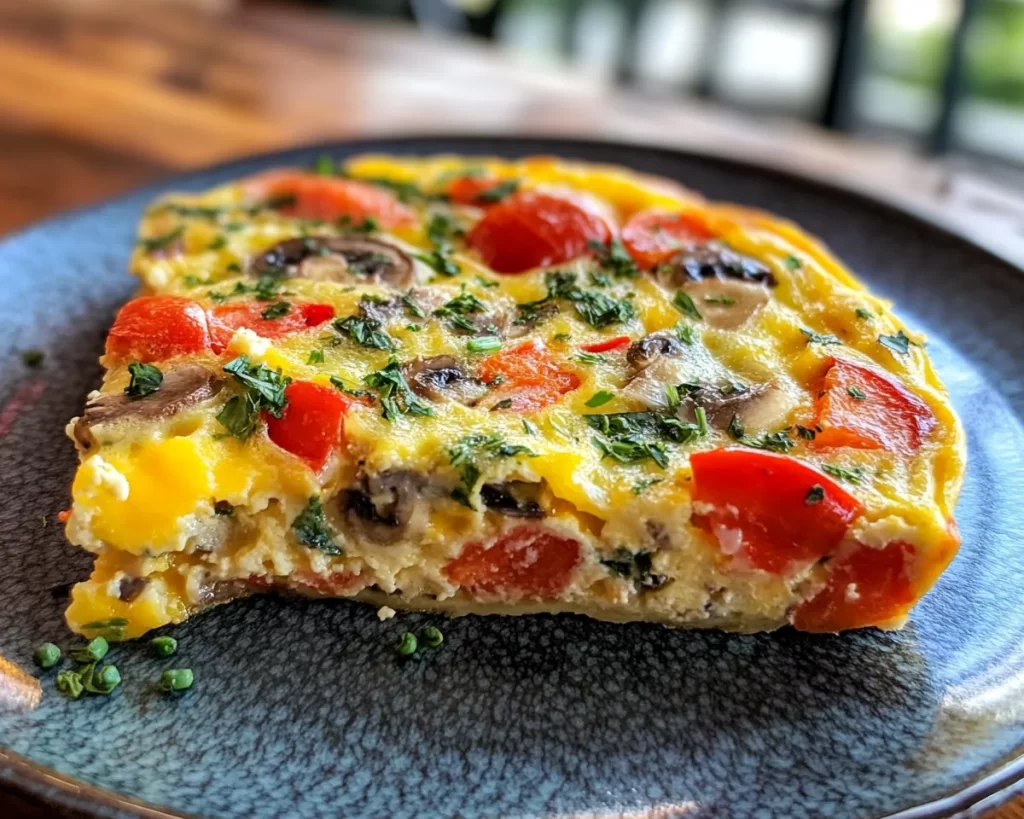
Imagine digging into a warm slice of frittata filled with colorful veggies, each bite bursting with flavor. The texture is soft yet firm, with the creaminess of the eggs balancing perfectly with the crunch of the vegetables. You’ll find this dish is not only easy to prepare but also customizable, accommodating whatever leftovers you might have. Let’s dive in and discover the magic of the frittata!
What Is Frittata Recipe with Leftover Veggies (No Waste)?
A frittata is an Italian egg-based dish similar to an omelet or quiche, but with its own unique character. Traditionally enjoyed for breakfast, it can also be served at brunch or lunch and even as a comforting dinner option. Frittatas are made by mixing eggs with various fillings like vegetables, meats, and cheeses, which are then cooked slowly to achieve a soft, custard-like texture. What makes our Frittata Recipe special is its “no waste” approach; it allows you to use up leftover vegetables that might otherwise go forgotten in your fridge.
The flavor profile of a frittata can be tailored to your liking, whether you enjoy robust herbs and spices or a mild medley of seasonal vegetables. The end goal is a well-cooked dish that is airy but still holds together nicely. The beauty of frittatas lies in their versatility, allowing you to play with different combinations of ingredients, making them a staple in many kitchens. If you’ve ever faced the dilemma of what to do with wilting spinach or half a bell pepper, this frittata recipe is your ultimate solution.
Why You’ll Love This
There are countless reasons to fall in love with this frittata recipe. First, it’s incredibly **tasty**. The eggs form a wonderful base that acts like a blank canvas for showcasing countless vegetables and flavors. Imagine the earthy tones of sautéed mushrooms combined with the sweetness of roasted peppers, all enveloped in fluffy eggs. It’s a culinary masterpiece that will make your taste buds sing.
Secondly, it’s entirely **easy** to prepare. With just a few simple steps and ingredients, you can create something remarkable. Even if you’re a beginner in the kitchen, this frittata will boost your confidence. Moreover, it is a cost-effective way to eat well without breaking the bank. The use of leftover veggies not only saves you money but also reduces food waste, making this dish as environmentally friendly as it is delicious.
Versatility is another fantastic aspect. You can tailor your frittata to accommodate various diets and preferences, whether you’re cooking for a vegetarian, someone gluten-free, or even picky eaters. You can experiment with different herbs, spices, and cheese varieties, adapting it to suit any occasion. Overall, this recipe becomes a delightful go-to, perfect for busy parents needing quick meals or anyone looking to enjoy nutritious, budget-friendly dishes.
Ingredients You’ll Need
To make a wonderful frittata with leftover veggies, gather these key ingredients:
- 6 large eggs: The foundation of your frittata, providing protein and richness. For a lower-calorie option, consider using egg whites.
- 1 cup mixed leftover vegetables: Examples include bell peppers, spinach, zucchini, or broccoli. Feel free to substitute with whatever you have on hand.
- 1/2 cup cheese (such as cheddar, feta, or mozzarella): Adds creaminess and a savory flavor. You can omit the cheese entirely for a dairy-free option.
- 1/4 cup milk: Makes the frittata fluffier. Options like almond milk or oat milk work well if you’re vegan or lactose intolerant.
- 2 tablespoons olive oil: For sautéing vegetables and greasing your pan. You can also use butter for a richer flavor.
- Salt and pepper to taste: Simple seasonings that enhance the flavors. You can also use herbs like oregano or basil for added depth.
With these ingredients, you’re well on your way to preparing a lovely frittata. The versatility of the frittata also means you can incorporate different spices or additional proteins like diced ham or cooked bacon, making it uniquely yours.
How to Make
Making a frittata is straightforward, especially with these step-by-step instructions:
- Preheat your oven: Begin by preheating your oven to 350°F (175°C). Preheating ensures even cooking and helps develop a lovely golden top.
- Sauté the vegetables: In a medium oven-safe skillet, heat olive oil over medium heat. Add your leftover vegetables and sauté for about 3-5 minutes until they’re tender. Stir frequently to ensure even cooking and to infuse the oil with the flavors of the ingredients.
- Prepare the egg mixture: In a large mixing bowl, whisk together the eggs, milk, and a pinch of salt and pepper. Ensure everything is well combined, with air bubbles forming for a fluffy texture.
- Add the cheese: Incorporate the cheese of your choice into the egg mixture, stirring to combine. This will melt beautifully when cooked and add an indulgent creaminess.
- Combine egg mixture with vegetables: Pour the egg and cheese mixture over the sautéed vegetables in the skillet. Allow it to sit for a moment to let the mixture seep in between the veggies.
- Cook on the stovetop: Let the frittata cook on the stove over low heat for about 5 minutes. You’ll notice the edges beginning to set while the center remains slightly runny. This step ensures the bottom cooks through before transferring it to the oven.
- Bake in the oven: Once the edges have set, transfer the skillet to your preheated oven. Bake for 15-20 minutes, or until the frittata has fully set and the top is golden. The texture should be firm but still moist, and the aroma will fill your kitchen.
- Cool and slice: After baking, let the frittata cool for a few minutes in the skillet. Then, use a spatula to cut it into wedges. Serve warm, garnished with fresh herbs if desired.
Each step is crucial in ensuring that your frittata has the perfect texture and flavor. The beauty of this dish is that it not only tastes heavenly but also provides a colorful array of vegetables, making it visually pleasing as well.
Variations & Substitutions
Vegetarian Frittata: This is the classic version, perfect for those who prefer to avoid meat. Make it purely vegetable-based or add extra cheese for a richer taste. Use seasonal vegetables like asparagus or cherry tomatoes for a refreshing twist.
Breakfast Frittata: For those who love a hearty breakfast, consider adding cooked bacon, sausage, or ham. The savory taste of the meat pairs beautifully with the fluffiness of the eggs and the richness of the cheese. You can also incorporate breakfast herbs like chives for enhanced flavor.
Mexican Frittata: Spice things up! Add jalapeños, black beans, and corn for a delightful twist. Top your frittata with avocado and fresh salsa after baking for a refreshing finish. This variation is perfect if you’re craving bold flavors in your morning routine.
Herbed Frittata: Fresh herbs like basil, parsley, or dill can elevate the taste of your frittata to new levels. Incorporating herbs gives it a lovely fragrance and a burst of flavor. Experiment with combinations to find what suits your palate best.
Gluten-Free Frittata: Naturally gluten-free, the frittata is already perfect for those with gluten sensitivities or celiac disease. Just ensure that your added ingredients, such as processed cheeses or any sausages, are gluten-free.
Each variation opens up numerous flavor possibilities, allowing you to adapt the frittata to your family’s tastes or dietary needs.
Common Mistakes to Avoid
While making a frittata may seem simple, there are some common pitfalls to avoid for the best results. One of the biggest mistakes is using too many watery vegetables, like zucchini, without properly removing excess moisture. This can lead to a frittata that turns out soggy and fails to set.
Another mistake is not cooking the veggies sufficiently before adding the eggs. Undercooking can create an uneven texture, so make sure to sauté them until they’re tender and their flavors meld. Additionally, using a pan that is not oven-safe could compromise the cooking process and ruin your dish.
Lastly, overcooking the frittata in the oven can lead to a rubbery texture. Always keep an eye on it and take it out when it is just set. Remember that residual heat will continue to cook it even after removing it from the oven, so it’s beneficial to err on the side of caution.
Storage, Freezing & Reheating Tips
One of the greatest aspects of this frittata is its storage and reheating capabilities. If you find yourself with leftover slices, allow them to cool completely before storing them. Wrap each slice in plastic wrap or place them in an airtight container. Properly stored, they can last for up to 4 days in the refrigerator.
For longer storage, consider freezing your frittata. Line individual slices with parchment paper before placing them in a freezer-safe container or bag. It can be stored for up to 2 months this way. When you’re ready to enjoy your frittata again, allow it to defrost in the fridge overnight.
To reheat, simply pop your frittata slices in the microwave for about 1-2 minutes or in a 350°F (175°C) oven for about 10-15 minutes until heated through. This dish retains its flavors remarkably well, providing a quick and nutritious meal option even days later.
Frequently Asked Questions
Can I use egg substitutes in this recipe? Yes! You can replace whole eggs with egg substitutes or egg whites for a lighter option. If using a plant-based substitute, like silken tofu, blend it until smooth to achieve the desired consistency before adding it to your vegetable and seasoning mixture.
What vegetables work best in a frittata? Almost any vegetable can be used, but some favorites include bell peppers, spinach, tomatoes, and mushrooms. Just keep in mind that some vegetables release more moisture than others, so it’s important to sauté them thoroughly before adding the egg mixture.
How do I know when my frittata is done? The frittata is done when the edges are golden brown and the center is just set but not jiggly. A slight wobble is acceptable, as it will continue cooking from residual heat after being removed from the oven.
Can I make this frittata dairy-free? Absolutely! Simply omit the cheese and replace the milk with your favorite dairy-free alternative, such as almond or oat milk. The frittata will still come out delicious and full of fresh flavors.
Can I serve frittata cold? While frittata is delightful when warm, it can also be enjoyed cold. Many people love it as a picnic dish or a cold snack. It can be served as a brunch dish or for lunch with a salad on the side as well.
Conclusion:
This Frittata Recipe with Leftover Veggies is not just a great way to clean out your fridge; it’s a testament to how delicious and satisfying simple ingredients can be when brought together in harmony. The flavors, textures, and ease of preparation make it a must-try for all home cooks. Don’t hesitate to get creative with your vegetable choices or cheese length, adjust the recipe to your specific needs, or simply use what you have on hand. Each variation allows you to explore new flavors, and it’s a dish sure to impress anyone at the table. Try it out, share it with friends, and make it a delightful part of your weekly meal planning. Enjoy the culinary adventure!