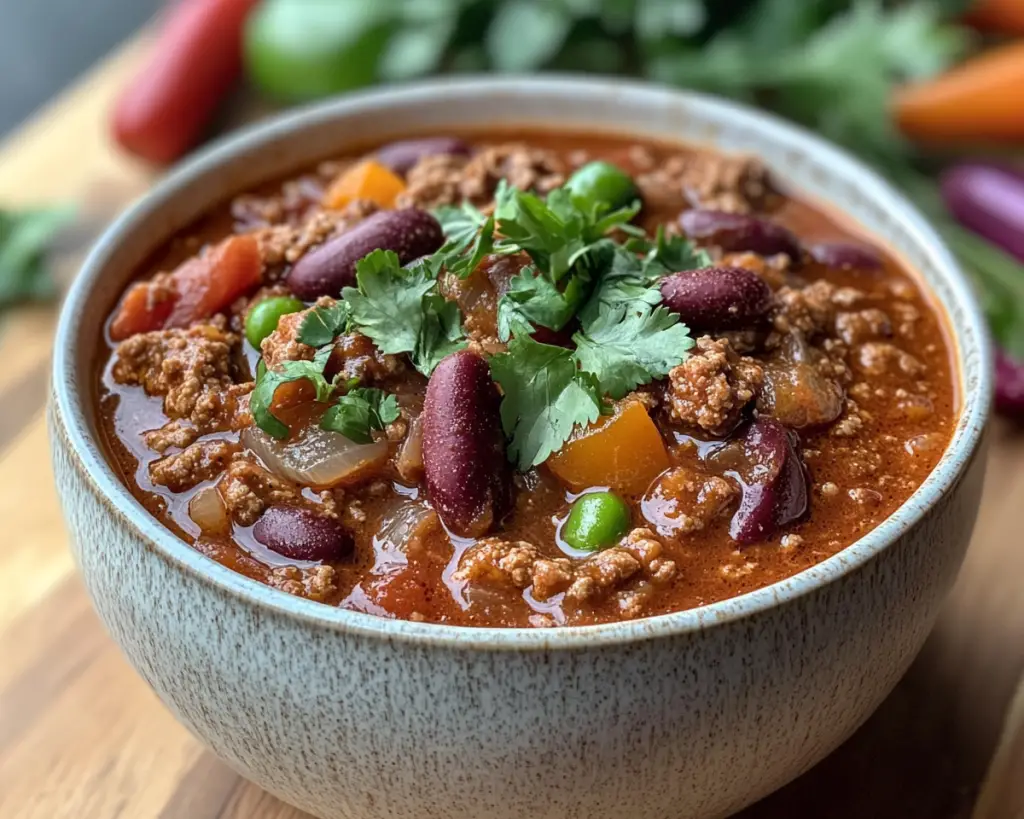
When the temperatures drop, there’s nothing quite so welcoming as a warm bowl of chili. This high protein chili is not just a feast for the senses but also a delicious and filling meal that fits the busy lifestyles of parents, health enthusiasts, and everyone in between. Imagine biting into a spoonful of rich, spicy broth filled with tender beans, lean meats, and vibrant vegetables. It’s like a warm hug on a chilly day!
What makes this high protein chili special is its combination of hearty ingredients that not only nourish your body but also tantalize your taste buds. Packed with flavorful spices and a healthy dose of protein, this chili is perfect for meal prep, game day gatherings, or a comforting weeknight dinner. By the end of this article, you’ll learn how to make this flavorful dish, some exciting variations, and tips to ensure your chili turns out perfectly every time.
What Is High Protein Chili?
High protein chili is a robust stew traditionally made with beans, spices, and meat, but with a focus on boosting the protein content. Originating from the American Southwest, chili has evolved into countless variations since its inception, with each region adding its unique twist to the classic recipe.
The key ingredients that typically make up a chili are **ground meat** (like beef, turkey, or chicken), **beans** (such as kidney or black beans), **vegetables** (like bell peppers and onions), and a variety of **spices**. The result is a rich, hearty dish that delivers a delightful combination of **flavors** — spicy, savory, and sometimes slightly sweet, depending on the ingredients used. A good high protein chili exhibits a thick, stew-like texture, which complements the various flavors beautifully.
With protein-rich ingredients taking center stage, this chili is perfect for anyone looking to squeeze in more nutrition without sacrificing taste. Rich in fiber and filled with essential vitamins and minerals, high protein chili is not just satisfying — it’s also a smart and heart-healthy choice for dinner or lunch.
Why You’ll Love This High Protein Chili
You’ll adore this high protein chili for several compelling reasons:
– **Nutritional Powerhouse**: Each serving of this chili is brimming with protein thanks to ingredients like lean ground meat and beans. This means you’re not just filling your belly; you’re also fueling your body with essential fuel.
– **Budget-Friendly**: Chili is a budget-friendly dish that allows you to feed a crowd without breaking the bank. Ingredients like beans and canned tomatoes can be purchased at a low cost, making it an excellent choice for budget-conscious families.
– **Convenience**: Perfect for meal prep! You can make a large batch and store it in the fridge or freezer, making weeknight dinners simpler.
– **Versatility**: This chili can be easily customized to suit your preferences or dietary needs, whether you’re vegetarian, on a low-carb diet, or want extra flavors.
– **Easy to Make**: With a few simple steps, you can create a delicious chili that simmers on the stove and fills your home with mouth-watering aroma.
It’s common for beginners in the kitchen to worry about complex recipes. But fear not! Chili provides an excellent entry point for those looking to build their cooking skills. Plus, you’ll have a warm, comforting meal to show for your efforts.
Ingredients You’ll Need
To whip up this delightful high protein chili, you’ll need the following ingredients:
– **1 lb lean ground beef (or turkey/chicken)**
– Provides the bulk of the protein while maintaining a low-fat content. Turkey is a great lean substitute, adding a slightly different flavor.
– **1 can (15 oz) kidney beans, drained and rinsed**
– Packed with protein and fiber, kidney beans add both nutrition and texture.
– **1 can (15 oz) black beans, drained and rinsed**
– They contribute to the protein content and add a creamy texture that balances the dish.
– **1 can (28 oz) crushed tomatoes**
– Gives the chili its rich, tomato-based broth, adding a level of acidity that brightens the flavors.
– **1 medium onion, diced**
– Onions offer a sweet base flavor that complements the spices.
– **1 bell pepper, diced (any color)**
– Adds crunch and sweetness, enhancing the overall color and nutritional value.
– **3 cloves garlic, minced**
– Infuses the chili with aromatic flavor and richness.
– **2 cups chicken or vegetable broth**
– A key ingredient for creating a soupy chili that doesn’t turn out dry.
– **2 tablespoons chili powder**
– This spice is the heart of your chili, creating a warm, spicy flavor profile.
– **1 teaspoon cumin**
– Adds a layer of earthiness that complements the spices.
– **1 teaspoon smoked paprika (optional)**
– Contributes a beautiful smokiness, which amplifies the chili’s depth.
– **Salt and pepper to taste**
– Don’t forget to adjust the seasoning to personal preference!
– **Optional toppings**: sour cream, shredded cheese, avocado, fresh cilantro
– Toppings enhance flavors and add creaminess.
How to Make High Protein Chili
Creating high protein chili is straightforward and rewarding. Here’s how to make it in just a few easy steps:
1. **Start by browning the meat**: In a large pot or Dutch oven, heat a tablespoon of olive oil over medium heat. Add the ground beef (or turkey/chicken) and break it apart with a wooden spoon. Cook until browned, which takes about 5-7 minutes. Watch it sizzle! You want a nice caramelization for the flavor but avoid burning.
2. **Sauté the vegetables**: Once the meat is browned, add the diced onion and bell pepper to the pot. Cook them for about 3-4 minutes until the onion becomes translucent. This step builds the base flavor of your chili. Stir in the minced garlic and cook for an additional minute until fragrant.
3. **Add the beans and tomatoes**: To the pot, pour in the drained kidney and black beans along with the crushed tomatoes. Stir it all together, allowing the ingredients to mingle and coat each other in flavor. The vibrant colors will remind you that dinner is going to be phenomenal!
4. **Seasoning time**: Sprinkle in the chili powder, cumin, and smoked paprika. Stir to evenly distribute the spices throughout the mixture. The bold scents will begin to fill your kitchen, whetting your appetite even more.
5. **Pour in the broth**: Add the chicken or vegetable broth and stir well. This step ensures your chili will simmer into a deliciously thick consistency. Increase the heat to bring the chili to a boil, then reduce it to a low simmer.
6. **Simmer to perfection**: Allow the chili to simmer uncovered for 30-40 minutes. This helps all the flavors intensify and meld together beautifully. Be sure to stir occasionally to prevent sticking. If you need to adjust the texture, add a little more broth, depending on your desired consistency.
7. **Taste and adjust**: After simmering, taste your chili for seasoning. Add salt and pepper as needed. If you’re feeling adventurous, consider a splash of lime juice for acidity or a bit of hot sauce for an extra kick.
8. **Serve and enjoy**: Ladle the chili into bowls, garnishing your dish with your choice of toppings like shredded cheese, sour cream, or fresh cilantro. Take a moment to appreciate the aromas wafting from your creation.
This high protein chili is perfect for chilly evenings, potlucks, or game-day gatherings and handles great leftovers for lunches through the week.
5 Variations & Substitutions
Chili is notably versatile. Here are five popular variations and substitutions to keep things exciting:
1. **Vegetarian High Protein Chili**:
– Replace meat with **extra beans** (like pinto or lentils) and add more vegetables such as corn, zucchini, or mushrooms. This version still offers a protein punch while accommodating vegetarian diets. Consider adding a splash of **liquid smoke** for that classic chili flavor without the meat.
2. **Quinoa Chili**:
– For an even higher protein content, include **quinoa**. Cook about 1 cup of quinoa separately and stir it in during the last 10 minutes of cooking. Quinoa is an excellent source of complete protein, providing all essential amino acids. This option gives a delightful nuttiness to the chili.
3. **Spicy Chipotle Chili**:
– Kick up the heat by adding **chipotle peppers in adobo sauce**. Chop one or two and mix them into the vast sea of chili. They impart a smoky heat and rich flavor. If your family prefers milder dishes, consider serving the chipotles on the side so everyone can adjust the heat level to their liking.
4. **Low-Carb Chili**:
– Substitute beans with **cauliflower rice** for a lower-carb version. You can also use diced zucchini or extra bell peppers, ensuring you still maintain a satisfying texture without too many carbs. This variation is great for those on a ketogenic or low-carb diet.
5. **Chili Mac**:
– Mix leftover chili with cooked pasta (elbow macaroni works great). Stir until combined and heated through, adding a bit of cheese if desired. This is a comfort food favorite that brings you two beloved meals together — chili and macaroni and cheese!
Common Mistakes to Avoid
Making chili is pretty straightforward, but sometimes things can go awry. Here are some common pitfalls and how to avoid them:
– **Too Watery**: If your chili is too soupy, continue simmering it uncovered to help evaporate excess liquid. You can also add a little cornstarch mixed with water as a thickening agent. **Avoid overcooking**, as that can make it too thick.
– **Underseasoned**: Chili needs seasoning to shine! Taste as you go and remember to adjust with salt, pepper, and spices. This may require more than just a sprinkle at the end. **Start with less and build up** until you reach the desired flavor.
– **Overcooking Vegetables**: Add **heartier vegetables** like carrots or bell peppers earlier in the cooking process, while more delicate ingredients like zucchini can be added midway through cooking to avoid mushiness.
– **Bland Flavor**: If your chili lacks flavor at the end, consider adding **acidity** with vinegar or lime juice, or enriching it with something sweet like brown sugar or honey to balance the spices.
– **Burning on the Bottom**: Always remember to stir your chili and keep the heat on low. If it sticks to the pot, it can impart a bitter flavor. If you notice burning, consider switching pots to prevent overcooking the bottom.
Storage, Freezing & Reheating Tips
Storing leftover chili is easy! Here are some tips for optimal storage:
– **Refrigeration**: Store chili in an airtight container in the refrigerator for up to 4-5 days.
– **Freezing**: Chili freezes wonderfully! Allow it to cool completely before transferring to freezer-safe bags, ensuring you remove as much air as possible. It can last up to 3 months in the freezer.
– **Reheating**: When you’re ready to enjoy your frozen chili, thaw it in the refrigerator overnight. You can reheat it on the stovetop over medium-low heat, stirring occasionally, or microwave it in 1-minute intervals until hot throughout.
**Food Safety Tip**: Always make sure chili reaches an internal temperature of 165°F when reheating to ensure food safety.
Frequently Asked Questions
**1. Can I make chili in a slow cooker?**
Absolutely! To make chili in a slow cooker, brown the meat and sauté the onions and garlic in a skillet first, then transfer everything to the slow cooker. Add the remaining ingredients and cook on low for 6-8 hours or on high for 4-5 hours. The slow cooker helps meld all the flavors beautifully!
**2. How can I reduce the spiciness of the chili?**
If your chili turns out spicier than expected, adding a little **sugar or honey** can help to balance the heat. Additionally, stir in a dollop of sour cream or Greek yogurt at serving, as both can help cool down any excessive spice.
**3. Can I add more vegetables to my chili?**
Absolutely! You can customize your dish by adding more vegetables like carrots, zucchini, corn, or mushrooms. Just keep in mind to adjust cooking times so the veggies don’t get overcooked and mushy.
**4. What should I serve with chili?**
Chili pairs well with cornbread, tortilla chips, or toasted bread. Some enjoy it as a topping for baked potatoes or rice. Toppings like shredded cheese, sour cream, and fresh herbs elevate the dish.
**5. Is this recipe gluten-free?**
Yes! This chili is naturally gluten-free. However, always check the labels of your broth and any canned ingredients to ensure they’re processed in a gluten-free environment.
In conclusion, this high protein chili hits all the right notes: comfort, nutrition, and delightful taste. With its warm flavors and customizable options, it’s sure to become a staple in your household. I encourage you to try this recipe, make it your own, and enjoy the delightful results. Share it with family and friends, and watch as they gather around the table for a bowl of pure goodness. Happy cooking!
[Read also: Easy Dinner Recipes for Busy Families]