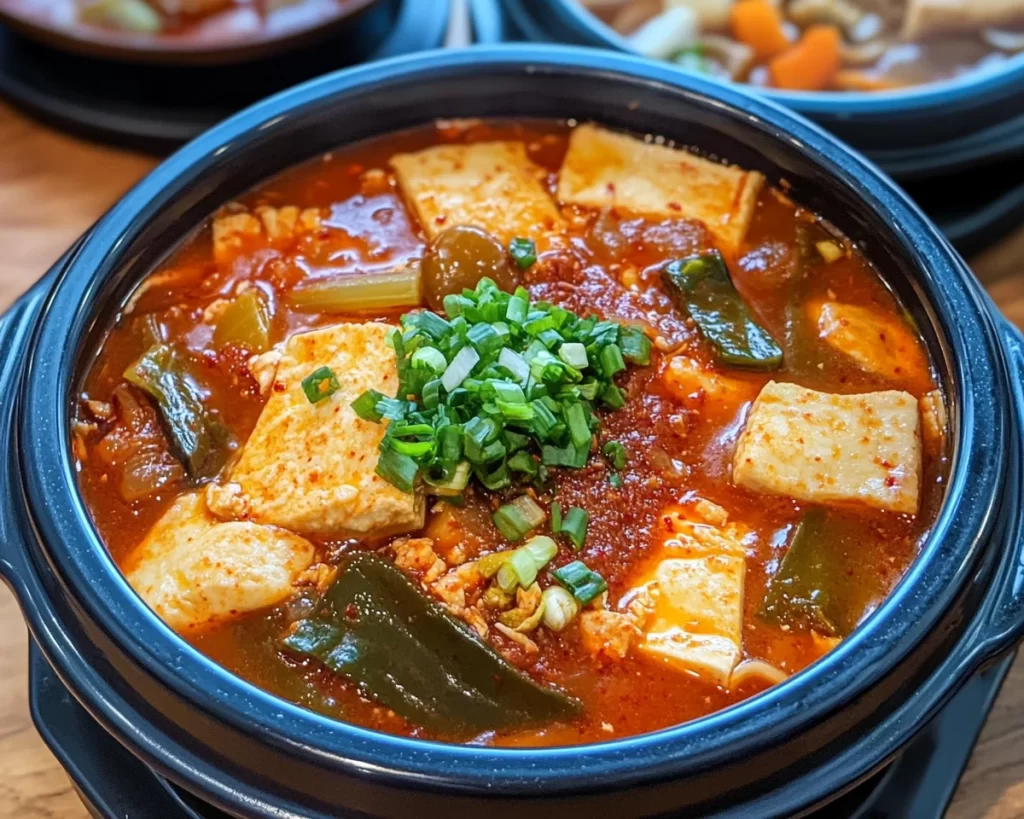
Prep time: 20 minutes
Cook time: 40 minutes
Total time: 1 hour
Servings: 4
Comfort food often brings to mind warm memories of cherished family recipes. One such comforting dish is Grandpa’s Jjigae, a delightful Korean stew that exemplifies home cooking at its finest. This recipe isn’t just about food; it’s a tribute to family traditions and the joy of sharing a meal together. You’re in for a treat as you learn not only how to make this stew but also about its rich history and flavors. Whether you’re a busy parent, a novice cook, or someone looking to enjoy wholesome meals, this dish has something for you.
The aroma of simmering ingredients, the vibrant color of fresh vegetables, and the heartiness of the broth make this Jjigae a noteworthy entry on any dinner table. With its rich flavors and nourishing qualities, you will discover how to make this easy Korean stew that warms both the body and soul. It’s time to dive deeper, and by the end, you’ll have a soup pot full of goodness.
What Is Comforting Grandpa’s Jjigae: Easy Korean Stew Recipe?
Comforting Grandpa’s Jjigae is a traditional Korean stew known for its robust flavors and nourishing ingredients. Originating from Korean homes, this dish often combines various meats, vegetables, and a balanced broth, creating layers of texture and taste. At its core, Jjigae is versatile; you can experiment with what you have on hand or customize it to suit your palate.
Typically, the base of Jjigae includes **gochujang**, a fermented red chili paste that adds a lovely heat and depth to the flavor profile. The addition of tofu provides creaminess, while vegetables like zucchini and mushrooms offer crunch and nutritional benefits. The stew often ends with a sprinkle of green onions, enhancing its freshness. This delightful combination is not just filling; it’s a hug in a bowl.
The real beauty of Grandpa’s Jjigae lies in its ability to adapt. Families often pass their recipes down through generations, making them unique to each household. The love and care put into the preparation make it even more special. One bite of this Jjigae and you will be transported to a cozy kitchen, feeling the warmth and love that only homemade food can provide.
Why You’ll Love This
There are numerous reasons why you’ll fall head over heels for this dish. First and foremost, the taste is simply exceptional. The harmony between the savory broth, tender meat, and fresh vegetables ensures a delightful experience with every spoonful. The heat from the **gochujang** adds just the right kick, making it perfect for those chilly evenings when you crave something warm and satisfying.
Beyond flavor, convenience is another key factor. This recipe is straightforward and calls for ingredients that are commonly available. Even if you’re new to Korean cooking, you’ll find the steps easy to follow. Additionally, you can make this stew in batches, perfect for meal prep or when you want to feed a crowd without much fuss.
Another significant benefit is the cost-effectiveness. The Jjigae uses budget-friendly ingredients that don’t skimp on nutrition or comfort. This makes it ideal for families or anyone looking to eat healthy without breaking the bank. It’s also a great way to use up leftover vegetables or proteins. You can truly let your creativity shine!
Many people think Korean cooking is complicated, but this stew proves otherwise. It’s about layering flavors and allowing them to meld together, which can easily be done with some patience and a little time. If you’ve ever found yourself intimidated by trying new cuisines, worry no more—this Jjigae is the perfect entry point into Korean cooking.
Ingredients You’ll Need
To make Comforting Grandpa’s Jjigae, gather the following ingredients:
- Meat (beef, pork, or chicken): Your choice of meat adds depth and protein. Beef short ribs are traditional, but chicken thighs work well, too. They all contribute a hearty flavor to the broth.
- Tofu: Use firm or soft tofu for creaminess. It absorbs the surrounding flavors and balances the heat from the spices.
- Gochujang: This fermented red chili paste gives the stew its characteristic heat and umami. If unavailable, you can replace it with **sriracha** or another chili paste, but the flavor profile will differ.
- Zucchini: Adds a slight crunch and complements the meat well. You can substitute with squash or even carrots if you prefer.
- Mushrooms (shiitake or button): Their earthiness enhances the overall flavor. Feel free to omit them if needed or switch them out for other veggies.
- Garlic: Freshly minced, garlic adds aroma and taste that can’t be replaced with powder. You’ll want this in there for that signature flavor.
- Onions: Chopped onions provide sweetness and depth to the broth. Yellow onions are commonly used, but shallots or scallions can also work.
- Vegetable broth or water: Either will serve as the base for your stew. For a richer flavor, choose a homemade broth or a good-quality store-bought one.
- Green onions: Chopped for garnish, bringing freshness and color to the dish. It’s the finishing touch that makes everything pop!
- Soy sauce: Adds saltiness and additional umami flavor. It can be adjusted according to personal taste.
Having all your ingredients prepped and ready to go will make cooking much easier. Feel free to experiment with what you have on hand; just remember that the heart of Jjigae lies in its flexibility and comforting essence.
How to Make
To create a remarkable bowl of Comforting Grandpa’s Jjigae, follow these detailed steps:
- Prepare your ingredients: Begin by chopping the meat, tofu, and all vegetables into bite-sized pieces. This will ensure even cooking and easier eating. Take a moment to slice the onions and mince the garlic, as these ingredients will be the aromatic foundation of your stew.
- Brown the meat: In a large pot or Dutch oven, heat a tablespoon of oil over medium heat. Once hot, add the meat and season with a pinch of salt. Sear the meat until browned on all sides, about 5-7 minutes. This step enhances the savory depth of the broth, creating a robust base for your Jjigae.
- Sauté the aromatics: Add the chopped onion and minced garlic to the pot. Stir constantly for about 2-3 minutes until the onions become translucent and the garlic is fragrant. These aromatics play a crucial role in building flavor.
- Add the vegetables: Toss in the zucchini and mushrooms. Stir well and let them cook for another 3-4 minutes. The vegetables should soften slightly while still retaining their texture. Timing is key here—overcooking them will result in mushiness.
- Incorporate the broth: Pour in the vegetable broth (or water) and bring the mixture to a boil. Once boiling, reduce the heat to a simmer. This simmering process allows all the flavors to meld together beautifully, creating a wonderful aroma that will fill your kitchen.
- Season the stew: Stir in the gochujang, soy sauce, and any other seasonings you desire. Taste and adjust the seasoning as needed—perhaps a little extra gochujang for added heat or more soy sauce for saltiness. Don’t forget that the flavors will intensify as it cooks, so be careful not to over-season!
- Add the tofu: Gently fold in the tofu, being careful not to break it up too much. Let the stew simmer for another 10-15 minutes until it becomes thick and satisfying. The tofu will soak up some of the broth, making it delicious in every bite.
- Finish with green onions: Once the Jjigae has reached your desired consistency, turn off the heat and stir in the chopped green onions for freshness. This last-minute touch elevates the entire dish, adding a beautiful pop of color and flavor.
Your Comforting Grandpa’s Jjigae is now ready to serve. Ladle it into bowls and enjoy it with a side of rice, kimchi, or any other favorite Korean side dishes. Each spoonful will be rewarding as the flavors warm your soul and fill your heart.
Variations & Substitutions
Vegetarian Variation: If you’re looking to enjoy this dish without meat, you can easily adapt the recipe to make a vegetarian Jjigae. Replace the meat with more vegetables or some plant-based protein such as **tempeh** or additional tofu. Also, use a vegetable broth to keep the flavor robust. The richness of the gochujang and assorted vegetables will still provide a comforting meal that satisfies your cravings.
Spicy Variation: For those who love heat, consider ramping up the spice levels. You can add more **gochujang** or even include some crushed red pepper flakes. Another fantastic addition would be one or two fresh sliced chilies. This twist will result in a fiery Jjigae that packs a punch, perfect for spice lovers who enjoy a bit more excitement in their stew.
Seafood Variation: If you adore seafood, why not throw in shrimp or fish? Simply replace the meat with your choice of seafood, as they cook relatively quickly. Adding **mussels** or **clam** can also introduce a fresh, briny flavor to the stew. Just ensure to adjust the cooking time accordingly, as seafood can become tough if overcooked.
Low-Sodium Variation: For those monitoring their sodium intake, make simple swaps to keep the dish flavorful yet healthier. Opt for low-sodium broth and soy sauce. To infuse flavor without the salt, use fresh herbs and lemon or lime juice to add brightness to every bite. This version ensures you maintain the essence of Jjigae while being conscientious about your health.
Common Mistakes to Avoid
Even with simple recipes, it’s easy to make a few missteps. One common mistake is **overcooking** the vegetables, resulting in mushiness. To prevent this, always add delicate vegetables like zucchini and mushrooms towards the latter part of the cooking process. Keep them slightly crispy for the best texture.
Another pitfall is not allowing enough time for the flavors to meld. Rushing the simmering stage can result in a bland Jjigae. Make sure you give the stew time to develop its signature taste by simmering it long enough to blend all the elements harmoniously.
Lastly, using the wrong broth can change the flavor entirely. While you can substitute with water, using a quality vegetable or meat broth will always enhance the stew’s richness. Remember to taste and adjust as you go—seasoning can be very subjective!
Storage, Freezing & Reheating Tips
Proper storage ensures that you can enjoy your Comforting Grandpa’s Jjigae again without losing any of its delicious qualities. Always let the stew cool completely before transferring it to an airtight container. It’ll stay fresh in the refrigerator for up to 3-4 days.
If you’re looking to freeze the Jjigae, portion it into freezer-safe bags or containers. It can last up to 3 months in the freezer. When you’re ready to enjoy your stew again, simply defrost it overnight in the fridge or use the microwave for quick thawing. Reheat gently over low heat on the stovetop, stirring occasionally to prevent sticking. Adding a splash of broth or water can help restore its original consistency.
For food safety, avoid reheating multiple times. If you only take out a portion, ensure it reaches a minimum internal temperature of 165°F. This will keep your dish safe and delicious to devour.
Frequently Asked Questions
Can I use different types of meat? Yes, absolutely! Depending on your preference, you can opt for beef, chicken, or even pork. Each type of meat will impart a unique flavor to the broth, contributing to the heartiness of the dish.
Is Jjigae gluten-free? The original recipe may not be gluten-free due to ingredients like soy sauce. However, you can easily substitute it with gluten-free soy sauce or tamari to make it accessible for those with dietary restrictions.
Can I make Jjigae in advance? Yes, Jjigae can be made ahead of time. In fact, like many stews, it can taste even better the next day as the flavors have more time to meld together. Just be sure to refrigerate it properly.
Can I add more vegetables? Definitely! Jjigae is wonderfully versatile, and you can add any vegetables you like. Just be mindful of cooking times; some vegetables, like leafy greens, should be added towards the end of cooking.
Is it traditional to eat Jjigae with rice? Yes! It’s customary in Korean cuisine to serve stews like Jjigae alongside a bowl of rice. The rice complements the soup and helps balance the flavors, making each bite a wholesome experience.
Conclusion:
This recipe for Comforting Grandpa’s Jjigae brings the love of home cooking right to your kitchen. Its rich flavors, comforting qualities, and easy preparation make it a go-to meal for families and individuals alike. You can adapt this versatile dish to suit your tastes or dietary needs, allowing you to enjoy a warm and hearty bowl time and again. Share it with loved ones, customize it, and create your cherished food memories. If you’re ready to create some wholesome comfort food, gather your ingredients and start cooking—you’re going to love it!