Prep time: 20 minutes
Cook time: 45 minutes
Total time: 1 hour 5 minutes
Servings: 6
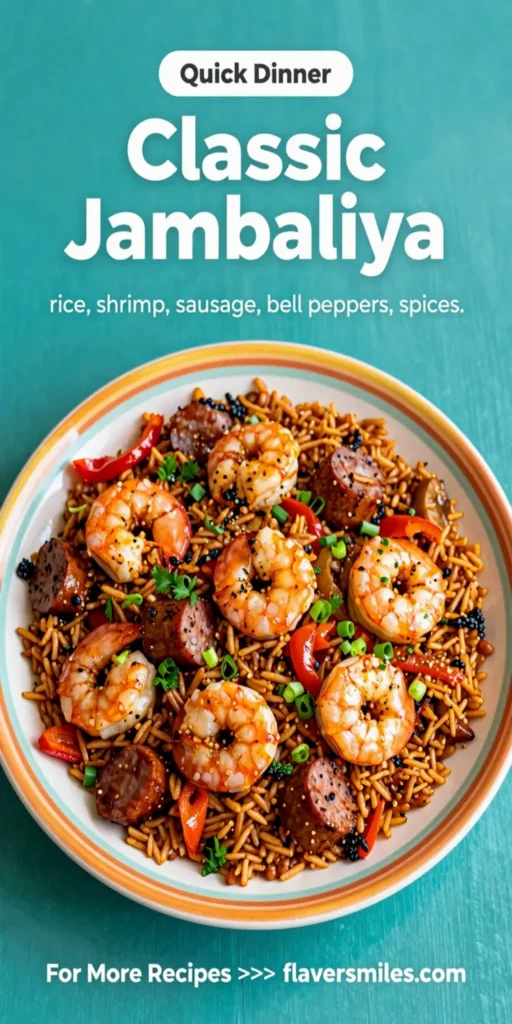
Classic Jambalaya is a savory and hearty one-pot dish that hails from the rich culinary landscape of Louisiana. This Creole classic is deeply satisfying, combining seasoned meats, vibrant vegetables, and fluffy rice into a comforting medley filled with flavor. Often enjoyed during family gatherings and celebrations, Jambalaya is not only delicious but also a versatile dish that reflects the diverse experiences and cultures of the region.
What Is Classic Jambalaya?
Classic Jambalaya is a Louisiana dish that showcases a mix of proteins—typically chicken, sausage, and shrimp—cooked alongside rice and a blend of spices. This dish is unique in its preparation style. The rice absorbs the flavorful broth, creating a wonderfully cohesive meal that’s both comforting and filling.
What sets Jambalaya apart from other rice dishes is its use of the “holy trinity,” a combination of onions, bell peppers, and celery. This aromatic base infuses the rice and proteins with a depth of flavor that perfectly encapsulates the essence of Creole cooking.
Why You’ll Love This
1. **One-Pot Wonder**: The simplicity of cooking everything in one pot makes for easy cleanup—a dream for busy parents and kitchen beginners.
2. **Flavor Profile**: The combination of smoked sausage, succulent shrimp, and zesty seasonings will have your taste buds dancing.
3. **Customizable**: Jambalaya can easily be adjusted based on what you have in your pantry, making it an excellent option for budget cooks.
4. **Meal Prep Friendly**: It’s perfect for meal prep as it can be easily stored for leftovers, making for quick lunches throughout the week.
5. **Healthier Options**: Loaded with vegetables and lean proteins, this dish can be a wholesome addition to a healthy eating plan.
Ingredients You’ll Need
- 1 pound chicken thighs: Boneless and skinless, these provide juicy flavor and texture.
- 1 pound smoked sausage: Andouille or Kielbasa adds a spicy and smoky depth to the dish.
- 1 pound shrimp: Peeled and deveined, these are quick-cooking and an excellent source of protein.
- 1 large onion: Chopped, it forms the aromatic base of the dish.
- 1 green bell pepper: Diced, for sweetness and crunch.
- 1 stalk celery: Chopped, to enhance the aromatic flavor profile.
- 4 cloves garlic: Minced, to impart a robust flavor.
- 4 cups chicken broth: For a savory liquid foundation.
- 2 cups long-grain white rice: Fluffy rice that soaks up all the delicious flavors.
- 1 can (14.5 ounces) diced tomatoes: Adds acidity and freshness.
- 2 teaspoons Creole seasoning: A blend of spices that elevates the taste.
- 1 teaspoon cayenne pepper: For a spicy kick; adjust to your heat preference.
- Salt and pepper: To taste, for enhancing overall flavor.
- 2 tablespoons olive oil: For sautéing the vegetables and proteins.

How to Make
- In a large pot or Dutch oven, heat 2 tablespoons of olive oil over medium-high heat. Once hot, add the chopped onion, bell pepper, and celery. Sauté for about 5 minutes until the vegetables become tender and aromatic, releasing their natural sweetness.
- Add the minced garlic and sauté for another minute until fragrant. Be cautious not to burn the garlic as it can turn bitter.
- Next, introduce the diced chicken thighs to the pot. Season with salt, pepper, and 1 teaspoon of Creole seasoning. Cook until the chicken is browned on all sides, about 5 minutes.
- Stir in the sliced sausage, allowing it to brown slightly before adding the shrimp, diced tomatoes, chicken broth, and the remaining Creole seasoning. Bring the mixture to a simmer.
- Once simmering, add the rice and cayenne pepper. Stir everything together to ensure the rice is submerged in the liquid. Cover the pot and reduce the heat to low, allowing the dish to simmer for about 20 minutes, or until the rice is tender and has absorbed most of the liquid.
- Finally, fold in the shrimp and cook for an additional 5 minutes, or until the shrimp are pink and cooked through. Adjust seasoning with more salt, pepper, or Creole seasoning, if desired.
Variations & Substitutions
Vegetarian Jambalaya: Swap out the meats for a mix of hearty vegetables like zucchini, mushrooms, and eggplant. Use vegetable broth instead of chicken broth to keep it rich and flavorful. Cook time may be reduced as vegetables typically require less time to soften.
Seafood Jambalaya: Focus solely on seafood by omitting the chicken and sausage. Use a variety of seafood such as mussels, clams, and fish. This gives the dish a fresh ocean flavor that pairs wonderfully with the spices.
Spicy Jambalaya: If you crave extra heat, consider adding sliced jalapeños or extra cayenne pepper. You can even add a dash of hot sauce just before serving for added flavor and spice.
Simplified Jambalaya: For a quicker version, use pre-cooked sausage and frozen shrimp. This reduces cooking time significantly, making it a go-to meal on a busy weekday night.
Common Mistakes to Avoid
One of the biggest pitfalls when making Jambalaya is **overcooking the rice**. Always ensure you watch the cooking time, as too much moisture will lead to a mushy texture. Additionally, **not using enough seasoning** can lead to blandness. The beauty of Jambalaya lies in its bold flavors, so don’t hesitate to season generously.
Also, **avoid rushing the simmering process**. Let the rice absorb the broth at its own pace to fully develop flavor. Lastly, don’t skip on the **creole seasoning**; this is what brings the unique character to your dish. Always consider adjusting spices based on your palate to find the perfect balance.
Storage, Freezing & Reheating Tips
Leftover Jambalaya can be stored in an airtight container in the refrigerator for up to 3 days. Always ensure to let it cool completely before sealing it to prevent condensation. For freezing, it can last up to 3 months. When ready to reheat, simply thaw overnight in the refrigerator, then reheat over low heat on the stovetop, adding a splash of broth to loosen it up if necessary.
It’s crucial to remember that seafood generally does not freeze well, so if you’re using shrimp in your Jambalaya, consider preparing a smaller batch that can be consumed within the week. Ensure to heat leftovers thoroughly to an internal temperature of 165°F (74°C) for food safety.
Frequently Asked Questions
Can I use brown rice instead of white rice?
Yes, you can use brown rice, but note that it will require a longer cooking time. Brown rice typically takes about 45 minutes to cook. You may need to add additional liquid to ensure it cooks properly while absorbing the flavors from the dish.
Can I make Jambalaya gluten-free?
Absolutely! Just ensure that the sausage you choose is labeled gluten-free, and use gluten-free broth. Most ingredients used in Jambalaya are naturally gluten-free; just double-check packaged items for any hidden gluten.
Is Jambalaya spicy?
The spice level can be easily adjusted based on your preference. By modifying the amount of cayenne pepper and other spicy ingredients like hot sauce, you can tailor Jambalaya to be as mild or spicy as you like.
What is the difference between Jambalaya and Gumbo?
While both dishes originate from Louisiana and share similar ingredients, the main difference is in their preparation and texture. Jambalaya is primarily a rice dish, where rice is cooked along with meat and vegetables, while gumbo is a thick stew served over rice.
Can I make Jambalaya in advance?
Yes! In fact, Jambalaya often tastes better the next day as the flavors meld together. It’s perfect for meal prep and occasions where you want to prepare ahead of time.
Conclusion:
Classic Jambalaya is a delightful dish that combines savory ingredients into a fulfilling meal ideal for various occasions. With its rich history and bold flavors, it’s sure to please everyone at your table. Whether you’re a kitchen novice or an experienced cook, this recipe offers simplicity and versatility that enhances your cooking experience. Enjoy the warmth of this dish and the joy it brings to your gatherings!