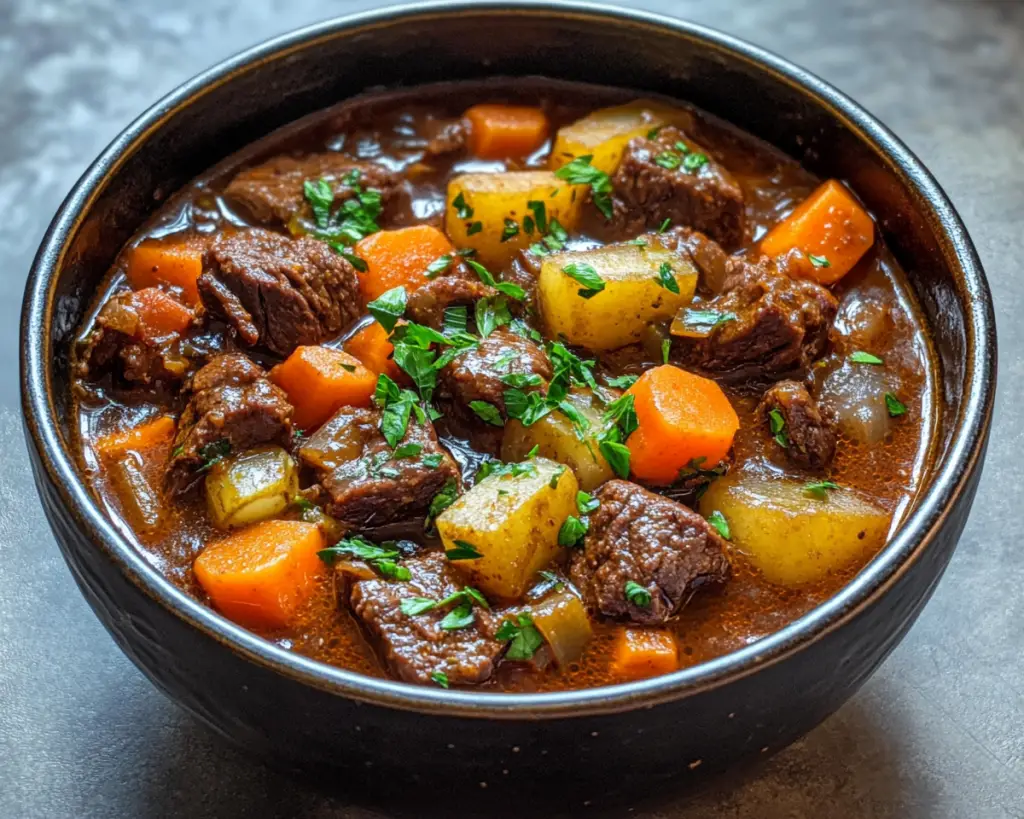
Beef stew is the quintessential comfort food that warms both the body and soul, especially during the chilly winter months. This hearty dish, with its rich and savory flavors, has been a family favorite for generations. If you’ve ever come home to the inviting aroma of a slow-simmering beef stew filling your kitchen, you’ll understand why this dish holds a special place in the hearts of many home cooks.
By coming together over a pot of classic beef stew, family and friends can make lasting memories, share laughter, and enjoy delicious flavors. This dish is not only easy to prepare, but it also offers a great opportunity for you to experiment with various ingredients and personalize it according to your taste.
In this article, I will guide you through the steps to make the perfect classic beef stew. You will learn about the key ingredients, common mistakes to avoid, and how to customize the recipe to suit your preferences. Get ready to roll up your sleeves and create a warming meal that everyone will love!
What Is Classic Beef Stew?
Classic beef stew is a hearty, savory dish made with tender beef, aromatic vegetables, and a flavorful broth. The origins of beef stew can be traced back to various cultures, where slow cooking methods allowed for the flavors to develop and the meat to become tender. It’s a dish that is often associated with cold weather, offering warmth and comfort with every warm bite.
The main components of a classic beef stew include *chunks of beef* that are browned to lock in flavor, *root vegetables* such as potatoes, carrots, and onions for added sweetness and texture, and *broth* that is infused with herbs and spices. The long cooking time allows the flavors to meld together beautifully, resulting in a thick, satisfying stew.
This dish is not only comforting but also versatile, allowing for variations to be made based on what you have on hand. Whether you prefer it loaded with veggies or packed with spices, classic beef stew can satisfy any craving!
Why You’ll Love This Classic Beef Stew
There are so many reasons to love this recipe! First and foremost, the *taste* is simply unbeatable. The slow-cooked beef becomes melt-in-your-mouth tender, while the vegetables add both flavor and nutrition. This stew is rich and hearty, making it a complete meal that can delight the whole family.
In terms of *ease*, this recipe is perfect for busy parents or beginners in the kitchen. With only a few main ingredients and the ability to let the stew cook on its own, you’ll have a delicious dinner ready with little fuss. Toss your ingredients into a pot, and let it simmer; the hardest part is waiting for it to finish!
When it comes to *cost-effectiveness*, beef stew is a great option for budget-conscious cooks. Using tougher cuts of beef, such as chuck roast, creates incredible flavor when cooked slowly, making it a thrifty choice. Plus, the addition of vegetables makes it even more filling without a lot of extra cost.
This classic beef stew also celebrates *health benefits*. The lean beef provides essential protein and nutrients, while the vegetables contribute vitamins and fiber. Making a homemade stew allows you to control the ingredients, ensuring you can keep it as healthy as you desire.
Lastly, classic beef stew is *versatile*. You can easily adapt it to fit dietary preferences or what you have in the pantry. Don’t have carrots? Swap in parsnips! Prefer no alcohol in your broth? Substitute beef broth with stock. The possibilities are endless!
Ingredients You’ll Need
To make the best classic beef stew, you will need the following ingredients:
– **2 pounds beef chuck roast**: Cut into 1-inch cubes. This cut is ideal for slow cooking because it becomes tender and flavorful.
– **2 tablespoons vegetable oil**: Used for browning the beef, enhancing the flavor, and preventing sticking.
– **1 large onion**: Chopped. This adds sweetness and depth to the stew.
– **3 cloves garlic**: Minced. Garlic adds a wonderful aroma and flavor.
– **4 cups beef broth**: For the base of your stew, creating a rich, hearty flavor.
– **3 medium carrots**: Sliced. They add both sweetness and texture.
– **2 medium potatoes**: Peeled and cubed. Potatoes make the stew filling and hearty.
– **2 tablespoons tomato paste**: This enriches the broth with a deep, robust flavor.
– **1 teaspoon dried thyme**: A classic herb that pairs beautifully with beef.
– **1 bay leaf**: For additional depth of flavor while cooking.
– **Salt and pepper to taste**: Essential for seasoning and enhancing all the flavors.
Optional:
– **1 cup red wine**: Adding this can elevate the flavors of the broth and provides complexity (you may substitute additional broth if preferred).
– **1 cup frozen peas**: Stir these in just before serving for a pop of color and freshness.
Each ingredient plays a vital role in creating the overall flavor and texture profile of the stew. Feel free to experiment and substitute with other vegetables or seasonings based on your preference or what is available in your kitchen!
How to Make Classic Beef Stew
Making classic beef stew is a straightforward process that yields outstanding results. Follow these step-by-step instructions:
1. **Prepare the Beef**: Cut your beef chuck roast into 1-inch cubes. Pat dry with paper towels and season generously with salt and pepper. This step is essential as it enhances the meat’s flavor and allows it to sear properly.
2. **Brown the Beef**: In a large, heavy pot or Dutch oven, heat the vegetable oil over medium-high heat. When the oil is shimmering, add half of the beef cubes in a single layer. Brown the beef for about 4-5 minutes on each side until a rich, golden crust forms. Remove the browned beef and set it aside on a plate. Repeat with the remaining beef, adding more oil if necessary.
3. **Sauté the Aromatics**: Once all the beef is browned, add the chopped onion to the pot. Sauté for 3-4 minutes until the onion is translucent. Add the minced garlic and cook for an additional 1-2 minutes until fragrant. The base of your stew is taking shape, and you’ll notice the delightful aroma in your kitchen!
4. **Add Flavor Enhancers**: Stir in the tomato paste and cook for about 1 minute to deepen its flavor. If you’re using red wine, pour it in now, scraping the bottom of the pot to deglaze and get all those flavorful bits. Let it simmer for a couple of minutes to cook off some of the alcohol.
5. **Build the Stew Base**: Return the browned beef to the pot and pour in the beef broth. Stir in the dried thyme, bay leaf, and any additional seasonings you prefer. Bring the stew to a gentle boil.
6. **Add the Vegetables**: Once boiling, reduce the heat to low. Add the sliced carrots and cubed potatoes, stirring everything together. Cover the pot with a lid and let it simmer. Cook for about 1.5 to 2 hours, or until the beef is tender and the flavors have melded beautifully. You may want to check occasionally and give it a stir to ensure even cooking.
7. **Finishing Touches**: In the final 10 minutes of cooking, if you’re using frozen peas, add them to the stew. This will brighten up the dish and add a nice color contrast. Taste and adjust the seasoning with additional salt and pepper if necessary.
8. **Serve and Enjoy**: Once the beef is tender and the sauce is thickened to your liking, remove the bay leaf and serve the stew hot. It goes perfectly with crusty bread, over rice, or on its own.
5 Variations & Substitutions
1. **Vegetable-Loaded Beef Stew**: To make this stew even more nutritious, consider adding a variety of vegetables. You can incorporate green beans, corn, or even mushrooms. Just remember to adjust the cooking time as some veggies may require less time to become tender. For instance, add mushrooms during the last 30 minutes of cooking to prevent them from breaking down too much.
2. **Slow Cooker Beef Stew**: If you prefer a hands-off approach, transfer all the ingredients to a slow cooker after browning the beef and sautéing the onions. Cook on low for 6-8 hours or high for 4-5 hours. The result will still be a delightfully rich beef stew that requires minimal effort!
3. **Herb-Infused Variation**: Experiment with different herbs like rosemary, parsley, or even a pinch of smoked paprika for a unique twist. For a Mediterranean flair, use oregano and serve it over a bed of couscous.
4. **Spicy Beef Stew**: If you love a kick of heat, add diced jalapeños, red pepper flakes, or a splash of hot sauce when sautéing the garlic. This variation is perfect for those who enjoy a spicy kick in their comfort food.
5. **Gluten-Free Option**: If you’re looking to make this dish gluten-free, simply ensure that your broth and any other ingredients are certified gluten-free. You can also thicken the stew with cornstarch or arrowroot powder instead of flour, making it suitable for gluten-sensitive diets.
Common Mistakes to Avoid
When making classic beef stew, there are a few pitfalls you’ll want to avoid to ensure the best results:
– **Skipping the Browning Step**: One of the key elements of a flavorful stew is the initial browning of the beef. Skipping this step can lead to a dull-tasting stew. Take your time and brown the meat in batches to prevent overcrowding the pot. The caramelization of the beef creates a richer flavor and adds depth to the final dish.
– **Not Using Enough Liquid**: Cooking your beef stew too dry will lead to tough meat. Ensure that you are using enough broth to cover the ingredients generously. If you feel it’s too thick during cooking, add extra broth or water.
– **Overcooking or Undercooking the Vegetables**: Different vegetables have unique cooking times. To avoid mushy potatoes or carrots, add them at the right time. Hard vegetables like carrots should be added earlier, while delicate ones like peas should be added toward the end of cooking.
– **Neglecting to Season**: Failing to season your stew properly at different stages can lead to a bland outcome. Always season your meat before browning and taste the dish as it cooks to adjust the salt and pepper as needed. The right seasoning will enhance the flavors and bring everything together.
Storage, Freezing & Reheating Tips
Store leftover beef stew in an airtight container in the refrigerator for up to 3–4 days. The flavors will continue to deepen as it sits, making the leftovers even more delicious!
To freeze the stew, let it cool completely before transferring it to freezer-safe containers. Beef stew can be frozen for up to 3 months. When ready to enjoy, thaw overnight in the refrigerator, then reheat on the stove over medium-low heat until warmed through. If it thickens too much after freezing, you can add a splash of broth to loosen it up.
Always practice food safety best practices by ensuring that cooked beef stew reaches an internal temperature of at least 165°F when reheating.
Frequently Asked Questions
1. **Can I use a different cut of beef?**
Absolutely! While chuck roast is preferred for its marbling and tenderness when slow-cooked, you can also use round roast, brisket, or even stew meat. Just ensure that whatever cut you choose has enough fat to keep it juicy during cooking.
2. **Can I make this dish in advance?**
Yes! In fact, classic beef stew tastes even better the next day once the flavors have had time to meld together. You can prepare it a day ahead and reheat it when ready to serve. Just be mindful of proper storage.
3. **Is it possible to make beef stew without alcohol?**
Certainly! You can either omit the red wine altogether or substitute it with more beef broth or stock. Some cooks even enjoy using a bit of balsamic vinegar for acidity without the alcohol content.
4. **Can I make beef stew in an Instant Pot?**
Yes! You can cook beef stew in an Instant Pot for a quicker version. Follow the same steps for browning the meat and sautéing the vegetables, then cook under high pressure for about 35 minutes with a natural release of steam for about 10 minutes before manually releasing the rest.
5. **What can I serve with beef stew?**
Beef stew is delicious served over a bed of rice, noodles, or mashed potatoes. It also pairs nicely with crusty bread for soaking up every last drop of sauce. A simple green salad is an excellent accompaniment for a balanced meal.
In conclusion, classic beef stew is a timeless dish that brings comfort and happiness to the dining table. With its combination of rich flavors, hearty ingredients, and endless variations, this recipe is sure to become a staple in your kitchen. Don’t hesitate to customize it to your family’s preferences, and enjoy the warm aromas while it cooks.
Now that you know how to make this classic dish, gather your ingredients, roll up your sleeves, and whip up a pot of delicious beef stew that your family will love. Whether it’s a cold winter night or a cozy dinner with friends, this recipe invites you to come together, share stories, and savor the rich flavors of home-cooked comfort. Enjoy!