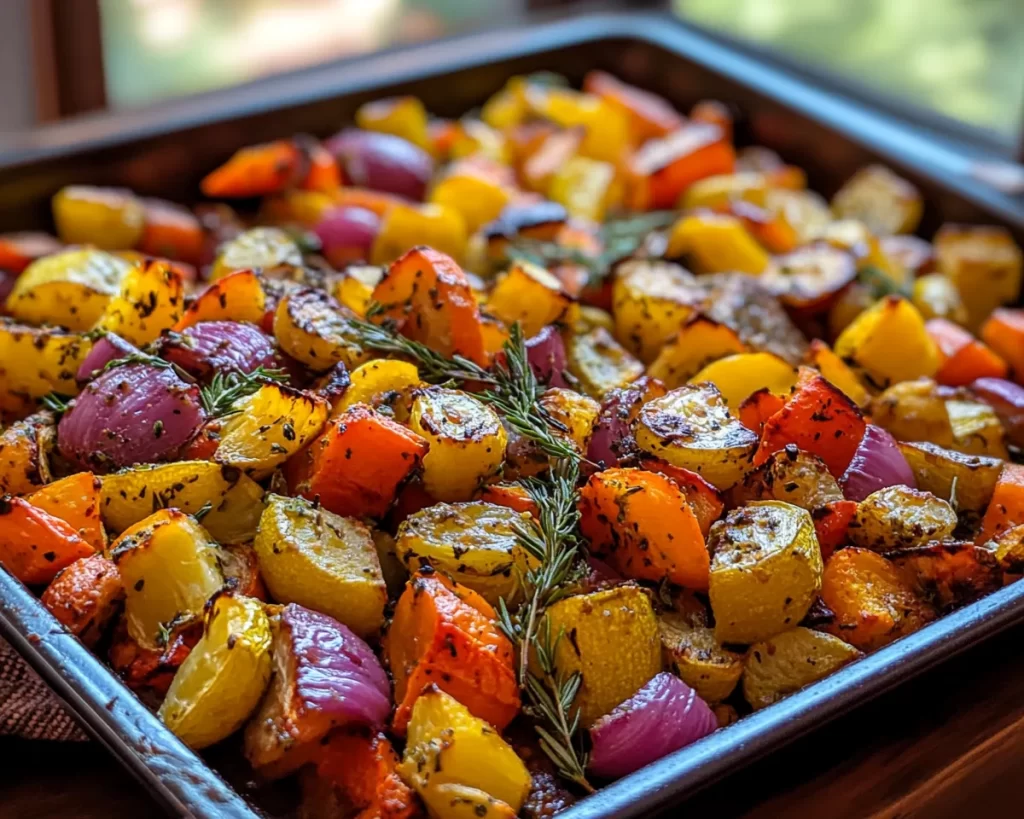
Prep time: 15 minutes
Cook time: 45 minutes
Total time: 1 hour
Servings: 6 servings
The aroma of freshly roasted vegetables can evoke memories of family gatherings, Sunday dinners, or even special occasions like Mother’s Day. When it comes to celebrating our loved ones, there’s nothing that delivers warmth and comfort quite like a beautifully crafted dish of herb roasted vegetables. This recipe is certainly not an ordinary vegetable medley; it combines a variety of colorful ingredients tossed with fragrant herbs, resulting in a dish that’s as visually appealing as it is delicious.
The secret to achieving the perfect roast lies in the selection of vegetables, the right blend of herbs, and the cooking method. You’ll soon find that it’s a rewarding adventure, as you create a dish that not only satisfies cravings but also impresses guests and family alike. In this article, you will learn how to prepare this simple yet exquisite recipe, explore diverse variations, and discover tips that ensure your herb roasted vegetables turn out beautifully every time.
What Is Mother’s Day Herb Roasted Vegetables?
Mother’s Day Herb Roasted Vegetables is a delightful dish that features an array of fresh, seasonal vegetables roasted to perfection with a medley of fragrant herbs. The various textures and flavors of the vegetables—crispy on the outside and tender on the inside—make this dish a celebration on its own. The origin of roasting vegetables can be traced back centuries, often serving as a test of culinary skills, embracing simplicity while highlighting the natural flavor of each ingredient.
Roasting allows the vegetables to caramelize, which enhances their natural sweetness and adds a complex depth of flavor that is utterly irresistible. The dish commonly includes vegetables such as carrots, broccoli, bell peppers, and potatoes, but its beauty lies in its versatility. You can easily adapt the recipe to include whatever vegetables you have on hand or your personal favorites. Whether served alongside roasted meats or as a stand-alone vegetarian delight, the flavors meld together harmoniously, creating a dish that embodies love, care, and nourishment.
Why You’ll Love This
You will undoubtedly fall in love with this dish for several reasons. First and foremost, the flavor is truly exceptional. The combination of roasted vegetables with robust *herbs* creates a symphony of taste that can brighten up any meal. Also, the cooking method is incredibly straightforward; all you need to do is chop, season, and roast.
This herb roasted vegetables recipe is also budget-friendly and allows for versatility. Whether you have a few stray vegetables in your fridge or an entire selection of seasonal picks from the farmer’s market, you can customize it easily based on what you have available. Everyone, including busy parents and cooking novices, can whip this together in no time, making it an excellent option for last-minute meal planning.
Another benefit is its healthfulness. Roasted vegetables are not only flavorful but also packed with essential vitamins and nutrients. Incorporating them into your diet can improve your overall well-being. There’s a common misconception that cooking vegetables diminishes their nutritional value; however, roasting actually retains most nutrients and enhances flavor, which can encourage you and your loved ones to consume more vegetables.
Ingredients You’ll Need
- Carrots: Bright orange and sweet, they caramelize beautifully when roasted. You can substitute them with parsnips for an earthier flavor.
- Bell Peppers: Use a mix of colors—red, yellow, and green—for a vibrant presentation. You can replace them with zucchini or eggplant if desired.
- Red Onions: Their natural sweetness intensifies when roasted. If you prefer a milder taste, use white onions.
- Broccoli: This cruciferous vegetable offers a crunch and absorbs flavors well. Cauliflower is a great substitute if you wish to experiment.
- Olive Oil: Essential for roasting, it helps in achieving a golden brown color. Feel free to use avocado oil for a different flavor profile.
- Salt and Pepper: Basic seasonings that enhance all the other flavors. You can experiment with different types of salt, such as sea salt or smoked salt, for unique flavor twists.
- Fresh Herbs: A combination of rosemary, thyme, and parsley works wonders in this dish but feel free to use dried herbs in a pinch.
- Garlic: Adds depth and aroma; roasted garlic has an entirely different dimension to its flavor. If you’re not a fan, you can omit it.
How to Make
- Preheat your oven: Start by preheating your oven to 425°F (220°C). This high temperature will help the vegetables caramelize and develop that sought-after golden crust. Make sure your oven is completely preheated before you place the vegetables inside; otherwise, the roasting process will be less effective.
- Prepare the vegetables: While your oven is warming up, wash, peel, and chop your vegetables into bite-sized pieces. Uniformity is key so they cook evenly; aim for pieces that are about one to two inches in size. The textures and flavors blend more harmoniously when they are all cut roughly the same size.
- Toss with olive oil and seasonings: In a large mixing bowl, add the chopped vegetables, a generous drizzle of olive oil, and your chosen herbs. Season with salt and pepper to taste. Toss everything together until evenly coated. This step is crucial; the oil ensures that each piece gets that desirable roasted texture.
- Arrange on a baking sheet: Spread the vegetable mixture out on a large baking sheet, making sure not to overcrowd them. Overcrowding can lead to steaming instead of roasting, so give them room to breathe. If you notice clumps, separate them to promote even cooking.
- Roast in the oven: Bake the vegetables in the preheated oven for 25 to 30 minutes, stirring halfway through. You want them to achieve a vibrant color and tender-crisp texture. Keep an eye on them during the last few minutes of cooking to prevent over-browning.
- Serving: Once cooked, remove the vegetables from the oven and let them cool slightly. Adjust the seasoning if needed and serve warm. This dish pairs wonderfully with roasted meat or grains like quinoa or rice, making it a versatile addition to any meal.
Variations & Substitutions
Root Veggie Medley: If you’re a lover of root vegetables, consider using a mix of sweet potatoes, parsnips, and turnips. This variation offers a complex sweetness and earthy flavor that pairs beautifully with herbs. The sweet potatoes caramelize nicely, providing that lovely texture contrast. This version is perfect for those who enjoy heartier options in colder months or are following a low-carb diet.
Herb-Infused Variation: For a more aromatic twist, add herb-infused oils or a variety of fresh herbs like dill or basil. These herbs infuse a fresh, outright delightful scent and taste that elevates your herb roasted vegetables. This variation is particularly suitable for holiday gatherings where subtle flavors can impress guests and leave them asking for the recipe.
Spicy Roasted Vegetables: If you enjoy a kick, add red pepper flakes or a drizzle of sriracha to the olive oil mixture. The spiciness complements the natural sweetness of the vegetables, creating a balanced flavor profile. This variation is ideal for those who enjoy a little heat in their meals. Ensure you adjust the amounts according to your spice tolerance.
Citrus Blend: Incorporate some citrus—like lemon or orange zest—before roasting to add a bright, refreshing zing to the earthy vegetables. The citrus works to elevate the flavors and offers a burst of freshness that cuts through the richness of the olive oil. This is especially delightful during spring and summer when fresh flavors are at their peak.
Common Mistakes to Avoid
One common mistake is overcrowding the baking sheet. If you pile the vegetables too close together, they will steam instead of roast, resulting in a soggy texture rather than that desirable crunchy edge. To avoid this, use multiple baking sheets if necessary, or roast in batches.
Another issue can arise from not cutting the vegetables evenly. Pieces that are cut too large may remain undercooked while smaller pieces may become a mushy mess. To combat this, invest time in properly preparing all the vegetables and strive for uniformity; this will contribute significantly to the overall texture and flavor of the finished dish.
Also, be cautious with salt. It’s easy to over-season, especially if you’re new to cooking. Start with lighter amounts of salt and add more if needed after cooking. Finally, always monitor oven times; every oven behaves differently, so being familiar with your appliance can save your dish.
Storage, Freezing & Reheating Tips
Storing your herb roasted vegetables is straightforward. Allow them to cool completely before transferring them to an airtight container. They can be stored in the refrigerator for up to 5 days. When reheating, a quick toss in the oven or on a skillet can revive their crispiness.
If you want to freeze the roasted vegetables, you can do so by spreading them out on a baking sheet in a single layer, freezing until solid, then transferring to a freezer-safe bag. They can be stored in the freezer for up to three months. To reheat, thaw in the fridge overnight and then warm them in the oven for the best texture.
Always remember to practice food safety, especially if your dish contains any meat. If you have incorporated meat into your herb roasted vegetables, make sure to consume leftovers within 3 days for optimal freshness. Use your senses—look for signs of spoilage like unusual smells or discoloration, and when in doubt, throw it out.
Frequently Asked Questions
Can I use frozen vegetables instead of fresh? Yes, you can use frozen vegetables, but the texture will differ. Frozen vegetables may release more water as they cook, possibly resulting in a mushier outcome. If using frozen vegetables, consider increasing the cooking time to achieve that desirable roasted texture.
What herbs pair best with roasted vegetables? Rosemary and thyme are excellent choices due to their robust flavors, but feel free to experiment with others like oregano or sage. Fresh herbs impart a different flavor profile compared to dried herbs, offering a fresher taste. Just ensure that dried herbs are used in lesser amounts as they are more concentrated.
Can I make this recipe vegan? Absolutely! This dish is already vegan-friendly. Simply follow the recipe as is, and it can serve as a hearty vegan side dish or main dish, making it suitable for plant-based diets.
Is there a way to speed up the cooking process? A great way to expedite cooking is to cut your vegetables smaller. Smaller pieces cook faster, so consider chopping them into smaller sizes for quicker roasting. Additionally, you can microwave the veggies for a few minutes before roasting; this will significantly cut down the roasting time.
What can I serve with herb roasted vegetables? These vegetables pair wonderfully with almost any main dish, including grilled chicken, roast beef, or fish. They can also accompany grain-based meals like quinoa or served over a bed of leafy greens for a light lunch. Feel free to mix and match to find your ideal pairing!
Conclusion:
In summary, Mother’s Day Herb Roasted Vegetables is an exceptional dish that effortlessly embodies the love and care we wish to show our family and friends. The combination of seasonal vegetables roasted to perfection, alongside fragrant herbs, offers a versatile option suitable for any occasion. Not only is it easy to prepare, but it also allows for endless variations and substitutions to cater to the specific tastes of those you are serving.
So, gather your favorite vegetables, experiment with herbs, and make this dish your own. Whether you’re serving it on a special day or as part of your weekly meal prep, this recipe is sure to delight. Don’t hesitate to share your experience or adjustments you’ve made; your journey in the kitchen can inspire others—happy cooking!