Prep time: 10 minutes
Cook time: 20-25 minutes
Total time: 30-35 minutes
Servings: 8
There’s nothing quite like the warm, comforting aroma of freshly baked cornbread wafting through your kitchen. Whether served alongside a hearty bowl of chili, used to soak up savory bean stew, or simply enjoyed with butter and honey, **Classic Southern Cornbread** has a special place in the hearts and stomachs of many. It’s rustic, golden, and has a satisfying texture that begs to be slathered with warm butter.
In this recipe, you will learn the traditional way of making cornbread that not only highlights the rich, sweet corn flavor but also reflects the deep-rooted culinary traditions of the Southern United States. You might be thinking, “Is cornbread really that different from other types of bread?” The answer is a resounding yes! This cornbread sets itself apart with its unique grains, techniques, and serving suggestions that truly celebrate Southern cooking.
Let’s dive into the details and discover what makes this Classic Southern Cornbread so beloved.
What Is Classic Southern Cornbread?
Classic Southern Cornbread is a type of quick bread made primarily from cornmeal, providing a distinct texture and flavor profile that is markedly different from traditional wheat-based breads. Originating in the Southern United States, cornbread is often associated with the comfort food category and is a staple in many homes, especially during the colder months.
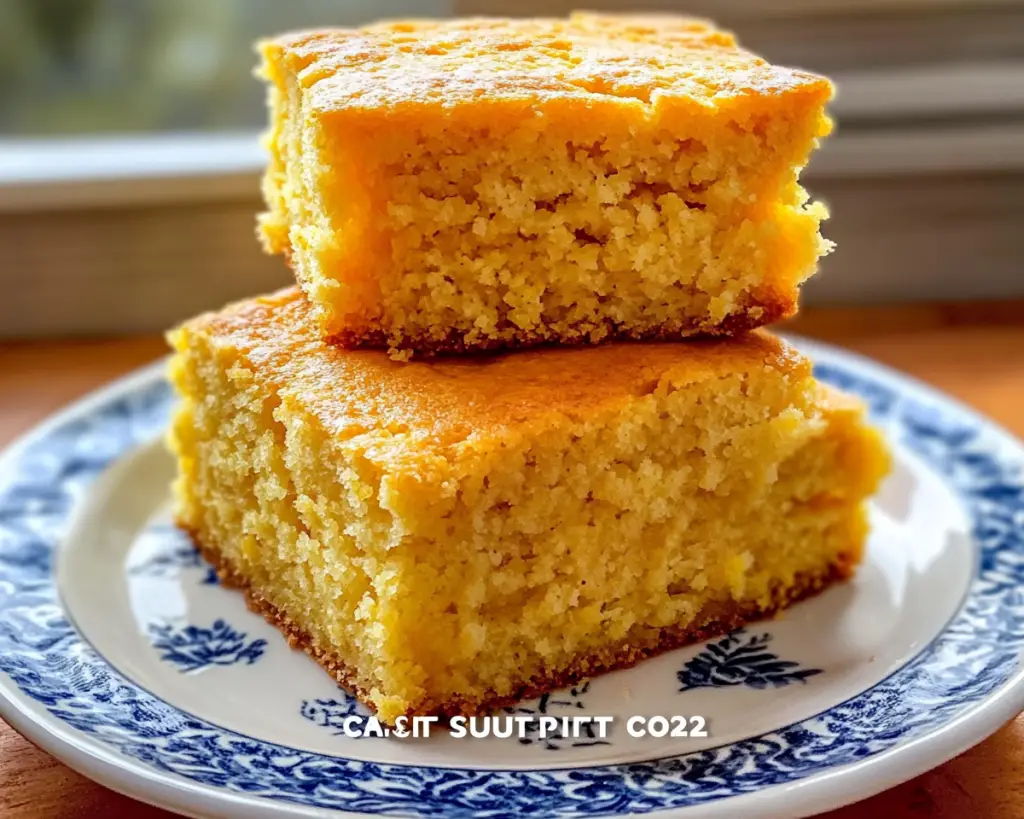
The texture of cornbread can range from somewhat crumbly to moist and fluffy, depending on the recipe and cooking method used. Southern cornbread is typically not as sweet as its northern counterpart, which often includes sugar. Instead, it boasts a buttery, savory flavor that complements a variety of dishes. It’s commonly baked in a cast-iron skillet, which helps achieve a beautifully brown crust.
When roasted to perfection, cornbread takes on a wonderful golden hue that not only looks appealing but also enhances its flavor through the Maillard reaction, resulting in crunchy edges and a soft, tender inside. This hallmark dish is versatile and can be enjoyed in various forms, whether as a side dish, a base for stuffing, or even a dessert when sweetened.
Why You’ll Love This Classic Southern Cornbread
There are countless reasons to fall in love with Classic Southern Cornbread. To start, its **hearty flavor** and golden color make it incredibly inviting. Not only that, but it’s also remarkably easy to whisk together in a matter of minutes, making it ideal for busy weeknight dinners or special gatherings. Additionally, its low ingredient list allows you to whip it up without much fuss, helping to keep your cooking experience stress-free.
Cost-wise, cornbread is an excellent option; it utilizes simple, pantry-staple ingredients such as cornmeal, flour, and buttermilk, which are often readily available. You don’t have to worry about breaking the bank to create something that tastes gourmet.
Many home cooks may assume that cornbread is complicated to make, but this recipe will dispel that myth. By following a few simple steps, you’ll gain confidence in your ability to recreate that perfect cornbread texture—crisp on the outside and buttery soft on the inside. This dish is also versatile enough to suit various **dietary preferences**, whether you’re serving it with a spicy chili or enjoying it as a delightful breakfast with a touch of honey.
Ingredients You’ll Need
To create your delicious Classic Southern Cornbread, you’ll need just a handful of easy-to-find ingredients. Here’s what you’ll need:
- 1 cup cornmeal: This is the foundation of your cornbread, providing the characteristic flavor and texture. Look for finely ground cornmeal for best results.
- 1 cup all-purpose flour: It helps to give the cornbread structure and lightness. You can substitute with gluten-free flour if needed.
- 1 tablespoon baking powder: This is essential for a good rise, giving your cornbread a light and fluffy texture.
- ½ teaspoon salt: This enhances the flavor and balances the sweetness of the cornmeal.
- 1 cup buttermilk: Buttermilk keeps the cornbread moist and adds a subtle tang that complements the sweetness of the corn.
- 2 large eggs: They provide richness and structure, binding the ingredients together.
- ¼ cup unsalted butter: Melted butter gives the cornbread a rich, buttery flavor and helps create a beautiful crust. You can use vegetable oil as a substitute if desired.
- Optional: ½ cup corn kernels: Fresh or frozen kernels add a fun texture and burst of sweetness, but this is purely optional.
Each of these ingredients plays a crucial role in achieving the perfect balance of texture, flavor, and moisture in the cornbread. Remember to always check for freshness, especially with your baking powder and buttermilk, which can affect the rise and flavor of your cornbread.
How to Make Classic Southern Cornbread
Now that you have everything needed, let’s go through the steps to make your Classic Southern Cornbread:
- Preheat your oven: Begin by preheating your oven to 400°F (200°C). If you’re using a cast-iron skillet, place it in the oven to preheat as well. This will ensure that you achieve that perfect crust by creating a hot baking environment.
- Mix the dry ingredients: In a large mixing bowl, whisk together the cornmeal, all-purpose flour, baking powder, and salt. This helps to evenly distribute the baking powder, ensuring your cornbread rises properly.
- Combine the wet ingredients: In a separate bowl, whisk together the buttermilk, eggs, and melted butter until well combined. You want these ingredients to be at room temperature for better incorporation into the dry mix.
- Combine dry and wet ingredients: Pour the wet ingredients into the dry ingredients, and gently fold them together using a spatula. Be careful not to overmix; just combine them until there are no dry streaks. A few lumps are perfectly acceptable.
- Incorporate optional additions: If you’re adding corn kernels, gently fold them in at this stage for extra sweetness and texture.
- Prepare to bake: Carefully remove the preheated skillet from the oven (use oven mitts!), and pour in the cornbread batter, spreading it evenly. The batter should sizzle upon contact, which indicates you’re on the right path to a crispy crust!
- Bake: Place the skillet back in the oven and bake for 20-25 minutes, or until the top is golden brown and a toothpick inserted into the center comes out clean. You’ll know it’s done when it looks fluffy and slightly pulls away from the sides of the skillet.
- Cool and serve: Once baked, remove the skillet from the oven and let the cornbread cool for about 10 minutes. This will help to further develop the flavors. Serve warm, perhaps with a smear of butter, honey, or even alongside your favorite stew or chili.
Following these steps will yield a beautifully baked Classic Southern Cornbread, perfect for any occasion. Trust us, the slightly crisp exterior, combined with the fluffy, moist interior is simply divine.
8 Variations & Substitutions
This Classic Southern Cornbread is versatile and can be tailored to meet different tastes and dietary needs. Below are several variations that you might consider trying:
1. Sweet Southern Cornbread
If you enjoy a hint of sweetness, consider adding 2-4 tablespoons of sugar or honey to the batter. This adds a delightful contrast, especially when served with spiced dishes like chili.
2. Jalapeño Cornbread
For those who appreciate a little heat, finely chop 1-2 fresh jalapeños and fold them into the batter. Their zesty flavor will add a wonderful kick, balancing well with the cornbread’s natural sweetness.
3. Cheddar Cheese Cornbread
Add 1 cup of shredded sharp cheddar cheese to the batter for a rich, cheesy treat. Pairing cornbread with cheddar makes for a delightful combination, perfect for serving with stews or soups.
4. Buttermilk Alternatives
If you don’t have buttermilk on hand, you can create a substitute by mixing 1 cup of regular milk with 1 tablespoon of lemon juice or vinegar. Allow it to sit for about 5-10 minutes until it thickens and curdles.
5. Cornbread Muffins
For an easy grab-and-go option, pour the batter into a muffin tin instead of a skillet. Adjust the baking time to around 15-20 minutes, and you’ll have adorable, individual servings of cornbread!
6. Vegan Cornbread
Substitute buttermilk with a non-dairy milk (like almond or oat milk) mixed with a tablespoon of vinegar. Replace eggs with flaxseed eggs (1 tablespoon of ground flaxseeds mixed with 2.5 tablespoons of water for each egg) to keep it entirely plant-based.
7. Herb-Infused Cornbread
Incorporate fresh or dried herbs such as rosemary, thyme, or chives into the batter. This adds an aromatic twist that elevates the cornbread and pairs well with light soups and salads.
8. Sweet Potato Cornbread
Mash 1 cup of cooked sweet potatoes and fold it into the batter for a slightly sweet and moist cornbread. This variation provides added nutritional value and a vibrant color.
These variations offer numerous ways to customize your Classic Southern Cornbread while preserving its essence. Choose one or mix and match different ideas for a dish that feels uniquely yours!
Common Mistakes to Avoid
When preparing any recipe, it’s important to be mindful of potential pitfalls. Here are some common mistakes to avoid when making Classic Southern Cornbread:
1. Overmixing the batter: While it might be tempting to thoroughly combine the ingredients, overmixing can lead to dense, tough cornbread. Mix just until combined and leave a few lumps for that desired texture!
2. Not preheating the skillet: Failing to preheat your skillet can result in cornbread with a pale, soft crust. Preheating helps create that signature crispy edge that is so beloved.
3. Skipping the baking powder: Baking powder is essential for achieving a lifting action. Forgetting it could lead to flat cornbread, so double-check that it’s fresh and added to your dry ingredients.
4. Incorrect oven temperature: Baking at a temperature that is too low may yield a pancake-like cornbread, while too high can cause it to burn without cooking through. Stick with the recommended 400°F (200°C) for best results.
5. Baking too long or too short: Cornbread should achieve a golden brown color on top and a toothpick inserted into the center should come out clean. Keep a close eye on it as you approach the cooking time, adjusting if necessary.
By keeping these common mistakes in mind, you can ensure that your cornbread turns out perfectly every time.
Storage, Freezing & Reheating Tips
Cornbread can be stored, frozen, and reheated with ease, making it a convenient option for meal prep or leftovers. Here are some tips to ensure your cornbread stays delicious:
1. Storage: Allow your cornbread to cool completely before storing it. Wrap it tightly in plastic wrap or aluminum foil, or place it in an airtight container at room temperature for up to 2 days. If you’re not eating it within that time frame, consider refrigerating it for up to a week to maintain freshness.
2. Freezing: For longer storage, cornbread can be frozen. Cut it into individual portions and wrap each piece tightly in plastic wrap, then place them in a freezer-safe bag or container. Cornbread can be frozen for up to 3 months without loss of flavor or texture.
3. Reheating: When ready to enjoy your frozen cornbread, remove it from the freezer and thaw it in the refrigerator overnight. To reheat, preheat your oven to 350°F (175°C), place the cornbread on a baking sheet, and cover it with foil to prevent drying out. Heat for about 10-15 minutes, or until warmed through.
Reheating in the microwave is also an option but may result in a slightly drier product. If you choose this method, cover the cornbread with a damp paper towel to help retain moisture during the reheating process.
Taking these storage and reheating tips into account will allow you to savor your cornbread days later without sacrificing quality!
Frequently Asked Questions
Can I make cornbread without buttermilk?
Yes, you can easily make cornbread without buttermilk. You can substitute it with regular milk mixed with a tablespoon of vinegar or lemon juice to replicate the tangy flavor. This alternative will work effectively and provide the moisture needed for the cornbread.
How do I know when my cornbread is done baking?
Your cornbread is done baking when it turns a beautiful golden brown, and a toothpick inserted into the center comes out clean. You might also notice it pulling away from the edges of the skillet. Keeping an eye on your cornbread towards the end of the baking time is key to preventing it from overbaking.
Can I add other ingredients like vegetables or meats to my cornbread?
Absolutely! Cornbread can be customized to include ingredients like sautéed onions, bell peppers, or cooked meats such as bacon or sausage. Just ensure that any additional ingredients are pre-cooked to ensure they blend seamlessly into your batter.
What’s the best way to serve cornbread?
Cornbread pairs beautifully with chili, soups, and stews but can also be enjoyed with butter, honey, or even as a side to barbecue dishes. Serve warm and feel free to customize with toppings that please your palate!
Can I make cornbread ahead of time?
Yes, cornbread can be made ahead of time and stored properly. You can bake it a day or two before serving and store it wrapped, or freeze if needed. Just reheat before serving to enjoy that fresh-baked taste again!
Conclusion:
Classic Southern Cornbread is not just a side dish; it’s a beloved staple that embodies warmth, comfort, and a sense of home. With its simple ingredients, quick preparation, and incredible versatility, you’ll find it a fantastic addition to your cooking repertoire. From serving at special gatherings to enjoying it on a busy weeknight, this cornbread can become your go-to recipe. Don’t hesitate to try different variations and make it your own! We encourage you to experiment, share this recipe with friends and family, and dive into the rich flavors of Southern cuisine. Happy baking!