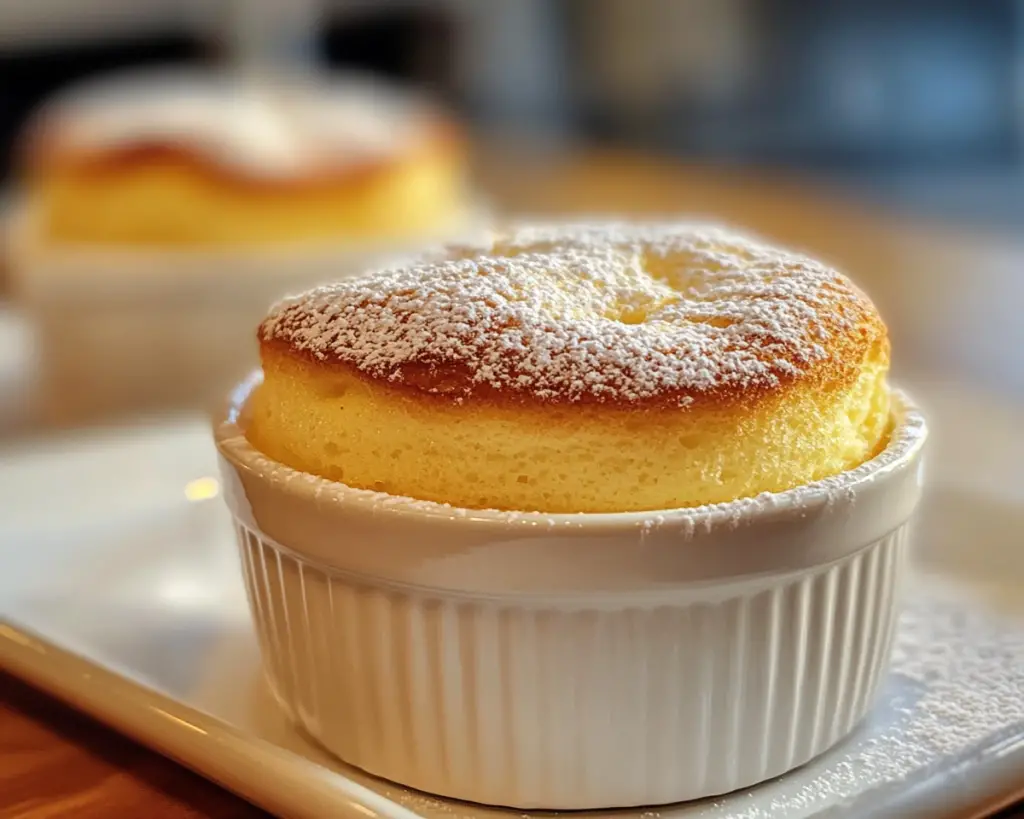
Prep time: 20 minutes
Cook time: 25 minutes
Total time: 45 minutes
Servings: 6
When you think about desserts that evoke a sense of warmth and nostalgia, few can match the delightful charm of a perfectly fluffy lemon soufflé cake. Imagine a cloud-like dessert that melts in your mouth, bursting with vibrant, zesty flavor. Unfortunately, many home cooks struggle with achieving that ideal fluffiness, often ending up with dense, sad cakes. However, fear not! This article will guide you step-by-step to create the perfect lemon soufflé cake, addressing common pitfalls and sharing tips that will elevate your baking game.
This recipe is special not only for its light and airy texture but also for its incredible balance of sweet and tart flavors. The refreshing zing of lemon paired with the soft, delicate body of the cake creates a dessert that feels indulgent yet comforting. Whether you’re a busy parent looking to impress your family or a beginner in the kitchen trying to master soufflé techniques, this guide will provide the essential knowledge to nail that fluffiness.
Throughout this article, you’ll learn about the fundamentals of making lemon soufflé cakes, including those crucial tips to ensure a successful rise, variations to suit different tastes, and answers to frequently asked questions. You are about to embark on a delicious journey that not only fills your kitchen with enticing aromas but also brings joy with every bite.
What Is Why Are Your Lemon Soufflé Cakes Not Fluffy Enough?
Lemon soufflé cake is a delightful dessert that originates from the culinary tradition of soufflés, a dish that utilizes whipped egg whites to achieve its fluffy texture. The word “soufflé” itself translates to “puffed up” in French, which perfectly describes the airy quality you’re aiming for in this dessert. Combining the vibrant zest of lemons with the lightness of whipped egg whites, this cake showcases a beautiful soft interior, almost like a sponge that carries the lemon’s punchy flavor.
The essential element of a lemon soufflé cake lies in the mixing technique. By carefully folding whipped egg whites into a rich, creamy lemon-infused base, you create a batter that is light and airy. The result? A cake that rises beautifully in the oven, providing that sought-after fluffy texture. The lemon flavor not only elevates the overall taste but also balances perfectly with the sugar, making each bite a harmonious blend of sweetness and tartness. This cake is often served with a dusting of powdered sugar or a dollop of whipped cream, rounding off the experience beautifully.
When prepared correctly, lemon soufflé cakes promise a cloud-like bite that floats on your tongue, creating a memory that lingers long after dessert has been served. If you’re looking to impress guests or simply treat yourself to a comforting delight, this recipe will help you avoid common mistakes and share secrets to effectively achieve the perfect soufflé texture.
Why You’ll Love This
There are countless reasons to love lemon soufflé cakes. To begin with, the taste is nothing short of fantastic. The zesty lemon flavor elevates your dessert experience, making it feel vibrant and refreshing, yet the airy texture creates an indulgent sensation that will have you craving more. This dessert is not only delectable but also relatively simple to prepare, making it an excellent option for those who may be new to baking or have a busy lifestyle.
Moreover, the cost of ingredients is reasonable. Fresh lemons, eggs, and sugar are often staples in most kitchens, allowing you to create a show-stopping dessert without breaking the bank. The versatility of lemon soufflé cakes also can’t be overlooked; they can serve as the perfect finish to any meal or a sweet treat for afternoon tea. When you take into consideration that they can be paired with various sauces or fruit coulis to enhance flavor, the options are practically endless.
Many people assume soufflés are complicated or difficult to perfect. However, with a few tips and techniques that I’ll share, you’ll find that anyone can make a light, fluffy lemon soufflé cake with ease. This cake is truly about balancing flavors while enjoying the simple act of creating something delicious from scratch.
Ingredients You’ll Need
- Fresh Lemons: You’ll need about 2 to 3 for the zest and juice, providing that vibrant flavor. If you’re in a pinch, bottled lemon juice can work, but fresh is always best.
- Granulated Sugar: This is essential for sweetness and to help stabilize the egg whites during whipping. You can also use powdered sugar for a slightly different texture.
- Eggs: You’ll need both the whites and yolks for this recipe. The yolks create a rich base, while the whites give the soufflé its fluffy height.
- Butter: Softened butter is necessary for the batter. This adds richness to the cake and helps it stay moist. You can substitute with margarine if needed.
- All-Purpose Flour: A small amount is used for structure. You can substitute with a gluten-free flour mix if you need a gluten-free option.
- Salt: A pinch balances the sweetness and enhances the flavors.
Each ingredient plays a vital role. The freshness of the lemons is crucial, so always opt for the best quality you can find. Using room temperature eggs makes a significant difference in achieving fluffy egg whites, as cold eggs tend to whip poorly.
If you’re looking to enhance or modify the flavors, feel free to incorporate additional flavorings such as vanilla extract or a hint of almond extract. Whichever path you choose, understand that the harmony of these ingredients warrants a divine dessert experience.
How to Make
- Start by preheating your oven to 350°F (175°C). While the oven heats, prepare your soufflé dishes by greasing them generously with butter and dusting them with sugar. This will help the cakes rise smoothly without sticking. Using individual ramekins gives each guest their own serving and adds an elegant touch.
- Next, zest the lemons carefully, ensuring you only take the bright yellow outer layer without touching the bitter white pith. Combine the lemon zest with the granulated sugar in a medium bowl, allowing the sugar to absorb the flavors and aromas while you prep the other components.
- In a separate bowl, beat the egg yolks together with the lemon juice and softened butter until the mixture looks creamy. Gradually blend in the lemon-sugar mixture, ensuring it’s all well incorporated. This step creates the luscious lemon base that will form the heart of your soufflé cake.
- Now it’s time to tackle the egg whites. In a clean, dry bowl, whip the egg whites with a pinch of salt using an electric mixer on medium speed until soft peaks form. This process is essential for fluffy soufflés — the whites should be glossy and hold a peak when the beaters are lifted.
- Gently fold the whipped egg whites into the lemon batter in three additions. Be cautious during this process as you want to retain as much air as possible. Use a rubber spatula and employ the folding technique; this promotes lightness while preventing the deflation of egg whites.
- Once combined, evenly pour the batter into your prepared soufflé dishes. Fill them approximately three-quarters full to allow space for rising. Place the ramekins on a baking tray for easier handling and to capture any overflow.
- Finally, bake in the preheated oven for 20 to 25 minutes, or until the cakes are puffed and lightly golden on top. You’ll know they are done when they spring back lightly when touched. Avoid opening the oven door during baking; this may cause them to collapse.
- Once removed from the oven, allow the cakes to cool for a few minutes before serving. Dust with powdered sugar and serve warm. If desired, accompany them with a dollop of whipped cream or a drizzle of lemon sauce for added indulgence.
Remember, the texture of your soufflé is all about the gentle folding technique and ensuring that your egg whites are whipped to the correct peaks. Don’t rush through the process; take your time, and the results will speak for themselves.
Variations & Substitutions
Orange Soufflé Variation: If you love citrus, try replacing the lemon with fresh orange juice and zest. The orange flavor provides a sweeter and slightly different profile, which can appeal to kids or those who favor a less tangy dessert. Follow the same recipe and techniques, and feel free to use a combination of both lemon and orange for a zesty twist.
Gluten-Free Option: For those who follow a gluten-free diet, this recipe can easily be adapted. Replace the all-purpose flour with a gluten-free flour blend. The ratio will usually be similar, but make sure to check your specific blend’s package for guidance. This option will allow everyone to enjoy the light and fluffy texture without compromising on flavor.
Lemon Lavender Soufflé: For a floral twist, add a teaspoon of culinary lavender when beating the yolk mixture. This will impart a subtle fragrance to your soufflé. Make sure to strain the mixture before folding in the egg whites, to achieve a silky texture that’s complemented by the aroma of lavender.
Coconut Soufflé Variation: If you’re looking for an exotic flavor profile, consider mixing in some shredded unsweetened coconut into the batter or replacing a portion of the butter with coconut cream. This adds richness and an engaging texture, creating a tropical delight that is perfect for summer gatherings.
Incorporating these variations and substitutions into your lemon soufflé will not only personalize your dish but potentially transform your dessert into something even more enjoyable for your guests, making them feel special and considered.
Common Mistakes to Avoid
One of the most frequent mistakes is over-mixing the batter after folding in the egg whites. Be gentle and deliberate during this step, allowing the air you’ve whipped into the egg whites to remain instead of deflating them. Mixing too vigorously can lead to a sad, flat soufflé instead of the light, fluffy texture you desire.
Another pitfall is using cold ingredients. Always ensure that your eggs are at room temperature so that they whip up to max volume. If they’re cold, you’re setting yourself up for failure, as they will not incorporate as well and can lead to denser cakes.
Finally, avoid opening the oven door during the baking process. Sudden changes in temperature can cause your soufflés to collapse before they have a chance to set. Patience is key here; it can be tempting to peek, but trust the process and the baking time you’ve set. Your soufflé will thank you for it!
Storage, Freezing & Reheating Tips
Lemon soufflé cakes are best enjoyed fresh, as they are prone to deflating over time. However, if you have leftovers, store them in an airtight container in the fridge for up to 2 days. Allow them to cool completely before covering to avoid condensation forming, which can make them soggy.
While freezing soufflés is not typically recommended due to texture changes, you can freeze the batter before baking it. Pour it into prepared ramekins and tightly wrap each with plastic wrap, then foil. They will keep for up to a month. When you’re ready to bake, simply remove them from the freezer and bake from frozen, adding an additional 5-10 minutes to your cooking time.
Reheating is also tricky. If you have to reheat cold baked soufflés, use a low oven (around 300°F (150°C)) to gently warm them. This should be done cautiously to avoid drying them out. Alternatively, enjoy them cold if you find the texture and flavor appealing.
Frequently Asked Questions
Why did my lemon soufflé cake collapse?
A common reason for collapsing is over-mixing the batter after incorporating the whipped egg whites. When folding, be gentle to avoid deflating the air bubbles that provide structure. Additionally, not baking the soufflé immediately after mixing can cause it to lose volume, so be sure to work quickly.
Can I use bottled lemon juice instead of fresh?
While bottled lemon juice can be used in a pinch, fresh lemons provide superior flavor and acidity. The zest from fresh lemons also adds aromatic elements vital to the souffle’s character. If you genuinely cannot access fresh lemons, look for a high-quality bottled option that is pure juice without additives.
How can I tell when my soufflé is done?
You will know your soufflé is finished baking when the tops are set and lightly golden, and they spring back when gently pressed. The texture should be firm around the edges but soft in the center. Regularly checking at the 20-minute mark will keep you on track for that perfect rise.
Is there a way to make a lemon soufflé cake vegan?
You can create a vegan version by substituting eggs with aquafaba (the liquid from canned chickpeas) whipped to stiff peaks. Use 3 tablespoons of aquafaba for each egg white. You can also replace the butter with plant-based alternatives and use a dairy-free milk option for the liquid components.
Can I add flavors to my soufflé cake? What suggestions do you have?
Absolutely! You can enhance your cake with various flavors by adding herbs or spices like lavender, ginger, or even cardamom. Feel free to incorporate a splash of vanilla extract or mix in a little coconut for a delightful twist. It’s a blank canvas—don’t hesitate to get creative!
Conclusion:
This lemon soufflé cake is not just a dessert; it’s an experience waiting to unfold in your kitchen. With its airy texture and refreshing flavor, it offers an invitation to indulge in nostalgia while impressing your family and friends. Don’t hesitate to experiment with variations and personal touches to truly make it your own. Trust in the steps and tips shared, and you’ll find that whipping up this delight is not only achievable but also incredibly rewarding. So roll up your sleeves, gather your ingredients, and get ready to enjoy a slice of fluffy perfection. Reach out to your loved ones, share your successes, and create lasting memories around this quintessential dessert!