Prep time: 20 minutes
Cook time: 10 minutes
Total time: 30 minutes
Servings: 4 servings
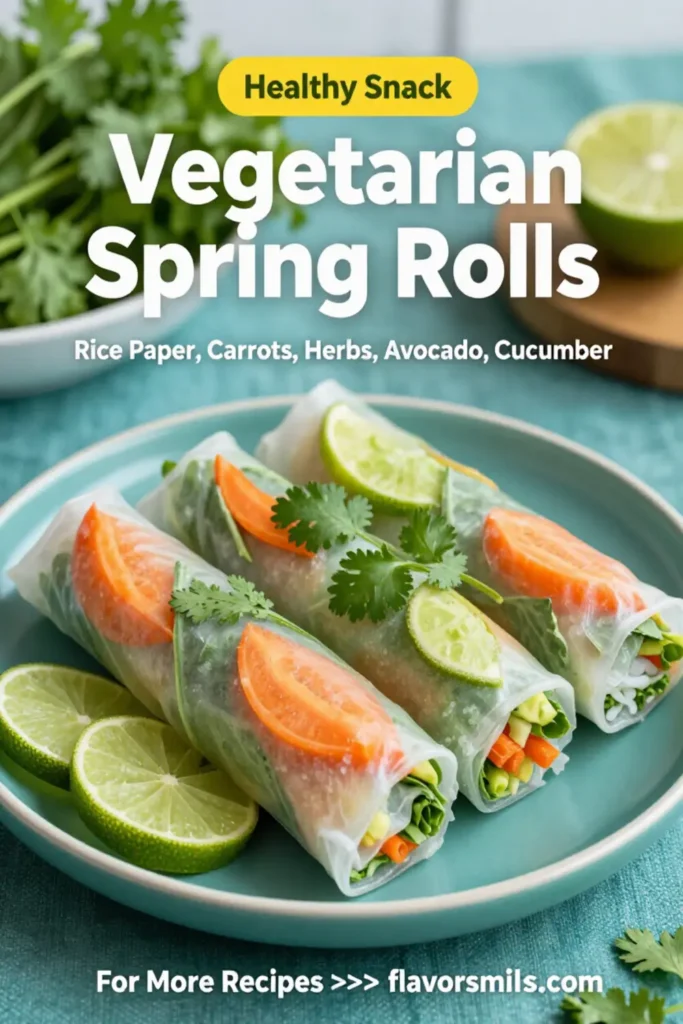
Vegetarian spring rolls are a delightful culinary delight that combines crispy textures with fresh, vibrant flavors. These rolls are perfect for various occasions, from a quick snack to a party appetizer. With the right ingredients and a few tips, you can create delicious vegetarian spring rolls that everyone will love.
What Is Vegetarian Spring Rolls Recipe: 7 Tips for Perfect Rolls?
Vegetarian spring rolls are a popular dish in many Asian cuisines, often filled with a variety of fresh vegetables and sometimes served with dipping sauces. They are light, healthy, and bursting with flavor, making them the perfect choice for a starter or a light meal. The essence of a perfect spring roll lies in the balance of filling and the crispiness of the wrapper. This recipe focuses on creating not just any spring rolls but the perfect vegetarian versions that are satisfying and easy to make.
Why You’ll Love This
There are countless reasons to love vegetarian spring rolls. They are not only delicious but also versatile. You can customize the fillings to suit your taste preferences or dietary restrictions. If you’re feeding a crowd, these rolls are easy to prepare in large batches, making them ideal for sharing at parties. The blend of flavors and textures in these rolls can cater to various palates, from busy parents looking for a quick meal to kitchen beginners trying their hand at something new. Additionally, they align beautifully with meal prep practices, allowing you to enjoy them fresh for days.
Ingredients You’ll Need
- Rice Paper Wrappers: These translucent sheets are crucial for wrapping the ingredients tightly, creating that signature spring roll texture.
- Fresh Vegetables: Use a mix of carrots, cucumbers, and bell peppers; they add crunch and vibrant color.
- Leafy Greens: Lettuce or spinach provides a crisp base for your filling.
- Herbs: Fresh mint and basil will add aromatic notes and enhance the freshness of your rolls.
- Protein Options: Include tofu or tempeh for added protein; they soak up flavors beautifully.
- Dipping Sauce: A mixture of soy sauce, peanut butter, and a touch of sweet chili sauce can create an irresistible dip.
How to Make
- Start by preparing your ingredients. Slice the carrots, cucumbers, and bell peppers into thin strips. This ensures they fit nicely into the rolls and are easy to bite into. If you opt for tofu, cut it into small cubes and either pan-fry or grill until golden brown.
- Next, soak your rice paper wrappers in warm water. Place one wrapper at a time in a shallow dish of warm water for about 10-15 seconds until it becomes pliable. Lay it on a clean, damp towel to keep it from sticking.
- Layer your fresh ingredients in the center of the wrapper. Begin with a piece of leafy green, followed by your sliced veggies and herbs. Be careful not to overfill, as this can make rolling difficult.
- Fold the sides of the rice paper over the filling, then roll tightly from the bottom upward. Ensure that the filling is secured within the wrapper as you roll. The rice paper is sticky, so it should seal itself as you finish rolling.
- Once rolled, set the spring rolls seam-side down on a plate. Repeat the process for the remaining wrappers and fillings.
- To serve, mix your ingredients for the dipping sauce and taste for balance. Adjust the flavors to your liking and enjoy your spring rolls fresh!
Variations & Substitutions
Sweet Potato Spring Rolls: Instead of using traditional fillings, try roasted sweet potato slices for a sweeter flavor. The natural sweetness pairs well with tangy sauces, adding a refreshing twist to your spring rolls. You can also include black beans or quinoa for added protein and texture.
Asian Noodle Spring Rolls: Incorporate cooked vermicelli noodles into your filling for a heartier roll. The chewy noodles complement the crunch of fresh vegetables and add a satisfying element. Season the noodles with soy sauce and sesame oil to enhance flavor.
Spicy Spring Rolls: If you’re a fan of heat, consider adding thin slices of jalapeños or a drizzle of sriracha to your filling. The extra kick can elevate the flavor profile and make the rolls even more enticing.
Fruit Spring Rolls: For a unique dessert, use fresh fruits such as mango, strawberries, and kiwi. Pair them with a sweet dipping sauce made from coconut milk and honey for an unforgettable treat.
Common Mistakes to Avoid
While making vegetarian spring rolls is straightforward, there are some common mistakes to steer clear of.
One mistake is overfilling the wrappers. If you stuff them too full, they can burst or become difficult to roll. Aim for a balanced ratio of veggies to wrappers. Additionally, ensure that the wrappers are not too dry. If you let them sit out for too long without preparation, they can dry out and crack.
Another common issue is not sealing the rolls properly. Make sure to roll them tightly enough so that the filling doesn’t fall out during serving. Lastly, remember that the choice of dipping sauce can greatly affect the overall experience. Don’t skimp on this; a well-balanced sauce can elevate the spring rolls significantly.
Storage, Freezing & Reheating Tips
To ensure your vegetarian spring rolls maintain their freshness, store them in an airtight container in the refrigerator. They are best consumed within 2 days. If you want to prepare them in advance, keep the wrappers and filling separate until you are ready to serve. This keeps the wrappers from becoming soggy.
If you need to store, freezing can be an option. Lay the rolled spring rolls on a baking sheet in a single layer and place them in the freezer until solid. Once they are frozen, transfer them to an airtight bag. When you’re ready to enjoy, you can cook them directly from frozen in a skillet or an oven.
When reheating, avoid microwaving as this can make the wrappers chewy. Instead, pan-fry them briefly in a little oil until heated through or place them in a preheated oven until they become crispy again.
Frequently Asked Questions
Can I use other types of wrappers besides rice paper?
Yes, you can use other types of wrappers such as wonton or egg roll wrappers. However, keep in mind that they will change the texture and cooking time. If you choose to fry them, make sure to adjust the frying time as necessary.
How do I keep my spring rolls from being soggy?
To prevent soggy spring rolls, make sure the filling is dry. Excess moisture from vegetables can lead to soggy wrappers. You can also allow vegetables to drain or pat them dry before rolling.
What kinds of proteins can I add?
You can add various proteins to your spring rolls such as tofu, tempeh, shrimp, or chicken, depending on your dietary preferences. Just ensure they’re cooked and seasoned well to enhance the overall flavor.
Can I make spring rolls ahead of time?
Yes, spring rolls can be made ahead of time, but it’s crucial to store them in a way that prevents the wrappers from drying out. Wrap them tightly in plastic wrap and store them in the refrigerator for optimal freshness.
Is there a gluten-free option for the dipping sauce?
Absolutely! You can replace soy sauce with a gluten-free tamari sauce for a gluten-free option. This way, you can still enjoy the scrumptious taste without gluten.
Conclusion: Vegetarian spring rolls are versatile and full of flavor, making them a popular choice for various occasions. By following the tips and variations provided, you can craft delicious and beautiful rolls that are sure to impress. Enjoy experimenting with different fillings and sauces as you become more confident in your spring roll-making skills!