Prep time: 30 minutes
Cook time: 45 minutes
Total time: 1 hour 15 minutes
Servings: 12 servings
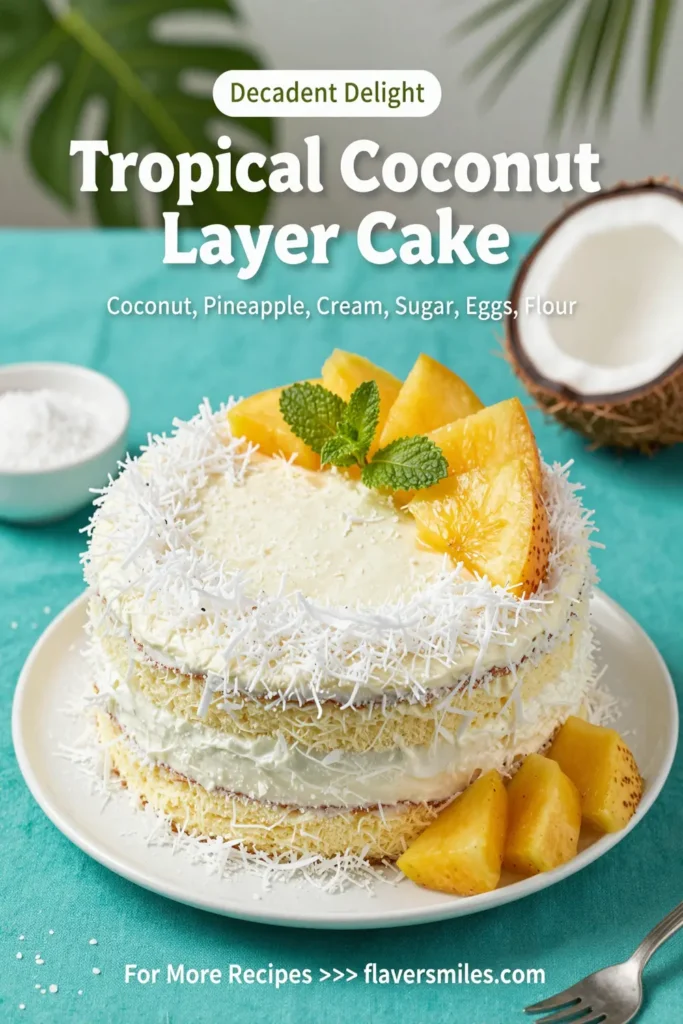
Tropical Coconut Layer Cake is a delightful dessert that transports you straight to a sun-soaked beach with every bite. Made with layers of light, fluffy coconut-flavored cake and a rich, creamy coconut frosting, this cake is perfect for special occasions or simply to satisfy your sweet tooth. The combination of flavors and textures makes it an indulgent treat for anyone who adores coconut. Whether it’s a summer birthday party or a holiday gathering, this cake is sure to impress your guests!
What Is Tropical Coconut Layer Cake?
Tropical Coconut Layer Cake is a multi-layered dessert typically made with coconut milk and shredded coconut to enhance its flavor and texture. The cake is light and airy, creating a wonderful contrast with the thick coconut frosting. Each layer is not only moist but also bursting with a rich coconut essence, making it a favorite among coconut lovers. A visually appealing cake, it is often decorated with toasted coconut flakes which add an extra crunch. This cake is a wonderful selection for those who appreciate tropical flavors and want to add a dash of paradise to their dessert table.
Why You’ll Love This
There are countless reasons to fall in love with Tropical Coconut Layer Cake! First and foremost, its flavor is incredibly refreshing, perfect for any season, but especially during warmer months. The fluffy texture of the cake pairs so wonderfully with the creamy frosting, creating a dessert that seems indulgent yet light at the same time. It’s also versatile, suitable for various occasions from birthdays to potlucks. Moreover, the process of making this cake invites creativity, allowing bakers to customize colors and flavors according to their preferences. Finally, the satisfaction of creating a beautiful cake from scratch is unmatched, making it a rewarding experience.
Ingredients You’ll Need
- For the Coconut Cake:
- 2 cups all-purpose flour – provides the structure.
- 1 ½ cups granulated sugar – adds sweetness and moisture.
- ½ cup unsalted butter, softened – contributes to a tender crumb.
- 1 cup coconut milk – infuses a primary coconut flavor.
- 3 large eggs – binds the cake and adds richness.
- 1 tablespoon baking powder – helps the cake rise.
- ½ teaspoon salt – enhances the flavors.
- 1 cup shredded coconut – adds texture and a burst of coconut flavor.
- For the Coconut Frosting:
- 1 cup unsalted butter, softened – creates a rich frosting consistency.
- 4 cups powdered sugar – sweetens the frosting.
- 1 cup coconut milk – adds creaminess and flavor.
- 1 teaspoon vanilla extract – enhances the overall taste.
- 1 cup toasted coconut flakes – for decoration and a crunchy texture.

How to Make
- Preheat your oven to 350°F (175°C). Prepare three 9-inch round cake pans by greasing them and lining the bottoms with parchment paper. This ensures the cakes don’t stick and makes for easy removal once baked.
- In a large mixing bowl, cream the softened butter and granulated sugar together until light and fluffy. This will usually take about 3 to 5 minutes. The fluffiness indicates that enough air has been incorporated, which adds to the cake’s light texture.
- Next, add the eggs one at a time, beating well after each addition. This step is crucial for creating a smooth batter. Then stir in the coconut milk, mixing until fully incorporated.
- In a separate bowl, whisk together the flour, baking powder, and salt. Gradually add the dry mixture to the wet ingredients, mixing just until combined. Be careful not to overmix, as that can lead to a dense cake.
- Finally, fold in the shredded coconut gently to retain the airiness of the batter.
- Divide the batter evenly among the prepared cake pans and smooth the tops. Bake for 25 to 30 minutes or until a toothpick inserted into the center comes out clean. Allow the cakes to cool in the pans for 10 minutes before transferring them to wire racks to cool completely.
- While cooling, prepare the frosting. In a large bowl, beat the softened butter until creamy. Gradually add the powdered sugar, alternating with the coconut milk, until you achieve your desired frosting consistency and flavor. Mix in the vanilla extract.
- Once the cakes are completely cooled, place one layer on a serving plate, spread a layer of frosting on top, and sprinkle some toasted coconut flakes. Repeat this process for the second layer. Finally, place the third layer on top and frost the entire cake, smoothing the sides and top.
- Decorate the top of the cake with the remaining toasted coconut flakes for an inviting presentation. Slice and serve to friends and family!
Variations & Substitutions
Chocolate Coconut Layer Cake: For chocoholics, substitute 1 cup of flour with cocoa powder in the cake batter. You’ll end up with a rich chocolate flavor that complements the coconut beautifully.
Gluten-Free Option: Swap the all-purpose flour with a gluten-free flour blend that can be used cup-for-cup as a substitute. Ensure also that all other ingredients such as baking powder and vanilla extract are gluten-free.
Fruity Coconut Layer Cake: Add layers of fresh fruit, like pineapple or mango, between the cake layers for that tropical burst of flavor. Chop the fruits into smaller pieces and toss lightly with sugar and lime juice before layering to keep them fresh.
Vegan Coconut Layer Cake: For a vegan version, replace the eggs with flaxseed meal mixed with water, use plant-based butter, and choose a non-dairy milk. Ensure the powdered sugar is vegan-friendly.
Pineapple Coconut Layer Cake: Incorporate crushed pineapple into the cake batter for added moisture and sweetness. The pineapple combines wonderfully with the coconut and creates a lovely texture.
Common Mistakes to Avoid
Using cold ingredients can lead to a cake that does not rise properly. Always ensure that butter and eggs are at room temperature. This will help achieve a better emulsion, leading to a fluffier texture.
Another common mistake is overmixing the batter after adding the flour. Mix only until the dry ingredients are just incorporated. Overmixing can result in a dense cake. Additionally, rushing the cooling process can compromise the structure of the cake. Always allow the cakes to cool completely before frosting. This will prevent the frosting from melting.
Storage, Freezing & Reheating Tips
To store the leftover Tropical Coconut Layer Cake, place it in an airtight container and keep it in the refrigerator for up to 4 days. Ideally, it’s best enjoyed fresh, as it tends to be moister when freshly made. If you want to keep it longer, you can freeze the cake layers by wrapping each one in plastic wrap and then sealing them in a freezer bag. They can last up to 2 months in the freezer. To thaw, simply place them in the refrigerator overnight before frosting. When reheating slices, gently warm them in the microwave for about 10-15 seconds, being careful not to overheat, as this can dry out the cake.
Frequently Asked Questions
Can I make this cake ahead of time?
Yes, you can bake the layers ahead of time and store them in the refrigerator for up to 2 days before frosting. Just ensure they are well-wrapped to prevent them from drying out.
What can I use instead of coconut milk?
If you don’t have coconut milk on hand, you can use whole milk or almond milk as a substitute. However, you will miss out on the creamy coconut flavor, so consider adding a little coconut extract for that essence.
How do I make my frosting thicker or thinner?
To thicken the frosting, you can add more powdered sugar, a little at a time, until you reach the desired consistency. If it’s too thick, simply mix in a little more coconut milk until smooth.
Can I decorate with fresh coconut flakes instead of toasted?
While you may use fresh coconut flakes, toasted coconut adds a delightful crunch and a deeper flavor. If you prefer fresh, just be sure to use lightly sweetened flakes to complement the cake’s flavors.
Why did my cake sink in the middle?
A sunk center typically results from underbaking or opening the oven door too soon, causing the temperature to drop. Always check the cakes a few minutes before the recommended baking time, and avoid opening the oven until the last few minutes.
Conclusion: Tropical Coconut Layer Cake is not just a feast for the taste buds; it’s visually striking and a delightful addition to any dessert table. The light, fluffy layers paired with creamy frosting create a harmonious balance that is sure to win over anyone. Make this cake, and bring a taste of the tropics to your home!