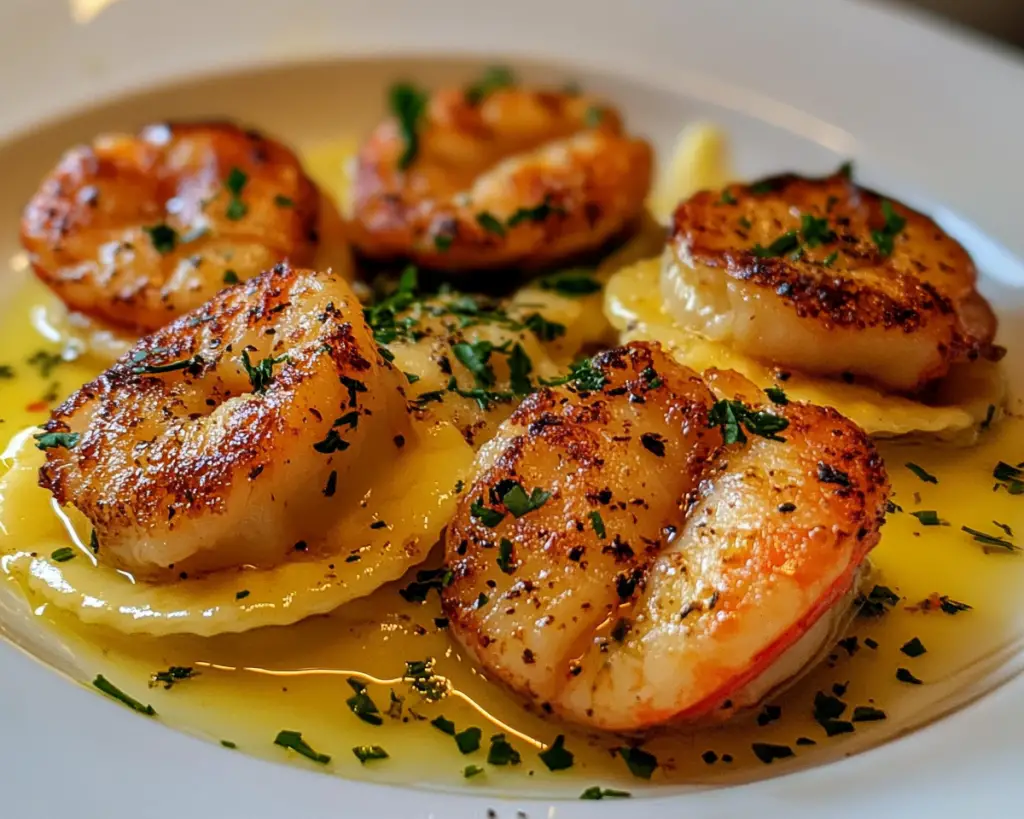
Prep time: 30 minutes
Cook time: 25 minutes
Total time: 55 minutes
Servings: 4
Indulging in a luxurious dish such as Lobster Ravioli is an experience that transforms an ordinary dinner into an extraordinary affair. Imagine the delicate pasta envelopes bursting with rich, creamy lobster filling, all drizzled with a sumptuous sauce that envelops the senses. This dish is perfect for those special occasions, especially a romantic Valentine’s dinner, where you want to impress your loved one with your culinary skills.
Lobster Ravioli is more than just food; it’s an expression of love and care. The rich flavors and the elegant plating make it ideal for celebrations. In this article, you will learn how to create these delicious raviolis from scratch, from the pasta dough to the lobster filling and the final presentation. Along with these easy step-by-step instructions, you will discover helpful tips, variations to tailor the dish to your liking, and answers to common questions.
What Is Lobster Ravioli?
Lobster Ravioli is a type of stuffed pasta that originated in Italy and has gained immense popularity worldwide. Typically, ravioli are small squares or circular pasta pouches filled with delectable ingredients. In the case of Lobster Ravioli, the filling is primarily made of *lobster meat*, *ricotta cheese*, *herbs*, and *spices*, offering a luxurious flavor profile that tantalizes the taste buds.
Traditionally, making ravioli involves rolling out fresh pasta dough, which is filled and then sealed before being cooked. The dish is incredibly versatile, allowing chefs to experiment with different sauces and side ingredients. With its rich texture and sophisticated flavor, Lobster Ravioli often graces the menus of high-end Italian restaurants. However, preparing this dish at home allows you to customize it to your taste, ensuring that the flavors reflect your personal style.
The combination of *the sweet, tender lobster meat* with *the creamy filling* encased in *fresh pasta* makes this dish unique and irresistible. When served with a light sauce, perhaps a *lemon butter sauce or a sage brown butter sauce*, Lobster Ravioli becomes a culinary masterpiece that speaks of elegance and romance.
Why You’ll Love This Lobster Ravioli
There are countless reasons to adore Lobster Ravioli, making it a wonderful addition to your culinary repertoire. First and foremost, the taste is unparalleled; the sweetness of the lobster contrasts beautifully with the creamy filling and sauce, creating a perfect balance of flavors. Additionally, the dish’s presentation is a key factor—these beautifully crafted pasta pillows look stunning on the plate, making it a showstopper for any special occasion.
Moreover, making Lobster Ravioli at home allows you to control the ingredients, ensuring freshness and quality, which can sometimes be lacking in store-bought options. This dish provides an opportunity to practice and showcase your cooking skills, making it a rewarding experience for both beginners and seasoned cooks. When prepared with care, your homemade Lobster Ravioli can easily rival that of a five-star restaurant.
Cost is often a concern when it comes to seafood, but with a little planning, making Lobster Ravioli at home can be quite economical compared to dining out. Endless variations exist, ensuring that this dish can be tailored to accommodate dietary preferences or ingredient availability. Whether you’re feeding a large crowd or looking for an intimate dinner for two, Lobster Ravioli is versatile enough to fit any occasion.
Ingredients You’ll Need
To prepare your Lobster Ravioli, you will need the following ingredients:
- 2 cups all-purpose flour: This is the base of your pasta dough. You can use “00” flour for a finer texture.
- 3 large eggs: Eggs add richness and moisture to the dough, helping it come together and providing a beautiful color.
- 1 tablespoon olive oil: This helps with the elasticity of the dough. Use high-quality extra virgin olive oil for the best flavor.
- Salt: A pinch of salt enhances the flavor of your pasta dough.
- 1 pound cooked lobster meat: Fresh or frozen; if using frozen, ensure it is thawed and drained well.
- 1 cup ricotta cheese: This creamy cheese adds texture and flavor to the filling. Look for whole milk ricotta for the best taste.
- 1 tablespoon fresh lemon juice: This brightens the taste of the filling and balances the richness.
- 1 tablespoon fresh herbs (parsley or chives): Finely chopped herbs add freshness to the filling. You can also try dill for a different flavor.
- 1 cup grated Parmesan cheese: This adds depth of flavor to the filling and enhances the overall dish.
- For the sauce: You can use a basic butter sauce, or sage brown butter, or even a light cream sauce.
While preparing your ingredients, consider quality; fresh lobster meat is essential for achieving that rich flavor. If you’re on a budget, other seafood, such as shrimp, can be substituted in your filling, although it will modify the overall taste.
How to Make Lobster Ravioli
Follow these detailed steps for creating your Lobster Ravioli:
- Prepare the pasta dough: In a large mixing bowl, combine the flour and salt. Make a well in the center and crack the eggs into this well. Add the olive oil. Using a fork, gradually mix the flour into the eggs until it forms a shaggy dough. Use your hands to knead the dough on a lightly floured surface for about 8-10 minutes until it becomes smooth and elastic. Wrap the dough in plastic wrap and let it rest for at least 30 minutes.
- Make the filling: In a mixing bowl, combine the cooked lobster meat, ricotta cheese, lemon juice, chopped herbs, and grated Parmesan cheese. Mix until well combined; season with salt and pepper to taste. If you want extra flavor, consider adding a pinch of nutmeg. Allow the filling to chill in the refrigerator while you roll out the pasta.
- Roll out the pasta: After resting, divide the dough into four equal portions. Keep the portions you are not using covered to prevent drying out. Using a pasta machine or rolling pin, roll each portion out into thin sheets, about 1/16 inch thick. Dust lightly with flour as you roll to prevent sticking.
- Shape the ravioli: Lay one sheet of pasta on a lightly floured surface. Spoon about a tablespoon of lobster filling onto the pasta, leaving enough space between each mound (about 2 inches apart). Moisten the edges of the pasta around each filling with a little water. Place another sheet of pasta over the filling, pressing to seal and removing any air pockets. Use a pasta cutter or knife to cut the ravioli into squares or circles. Press the edges firmly to ensure they are sealed. Repeat with the remaining dough and filling.
- Cook the ravioli: Bring a large pot of salted water to a gentle boil. Add the ravioli and cook for about 3-4 minutes or until they float and are al dente. Be careful not to overcook them. Carefully remove the ravioli with a slotted spoon and immediately transfer them to a warm plate.
- Prepare the sauce: You can quickly prepare a simple butter sauce by melting unsalted butter in a skillet over medium heat. Add herbs, garlic, or shallots for additional flavor, if desired. Toss your cooked ravioli in the sauce gently to coat them.
- Serve: Plate the ravioli and drizzle with the sauce. Garnish with additional Parmesan cheese, fresh herbs, or a squeeze of lemon juice for brightness. Enjoy your homemade Lobster Ravioli with a glass of white wine for the ultimate dining experience.
Each step is designed to build up the flavors and textures that make Lobster Ravioli so special. Take your time, especially with the dough, as a good pasta is the foundation of making delicious ravioli.
5 Variations & Substitutions
Lobster and Crab Filling: If you want to incorporate a different flavor profile, consider mixing in some *crab meat* with the lobster. The sweet, tender crabmeat balances perfectly with the lobster and adds a unique twist to your filling. This variation is great for seafood lovers looking to enhance the dish’s richness without straying too far from the classic recipe.
Vegetarian Version: For a vegetarian twist, substitute sautéed *mushrooms* or *spinach* mixed with *ricotta* for the lobster filling. This dish will appeal to those who prefer not to eat seafood while providing a savory, satisfying flavor. Mushroom-laden ravioli is hearty and can be accompanied by a creamy sage sauce for a delicious pairing.
Gluten-Free Option: If you or a loved one has a gluten intolerance, consider using *gluten-free flours*, such as almond or brown rice flour, to make the pasta dough. While gluten-free dough may require slightly different handling, it can still produce wonderful ravioli. Forgo traditional fillings and explore options like *butternut squash* or *sweet potato* for a pop of flavor.
Spicy Lobster Ravioli: For those who like a kick, adding *crushed red pepper flakes* or *fresh chili* to the lobster filling or sauce can bring a whole new level of heat to the dish. This variation works beautifully if paired with a light marinara sauce that can balance the spice with a hint of sweetness.
Herbed Cream Sauce: Instead of a simple butter sauce, try making a creamy sauce with *heavy cream*, *garlic*, and fresh *herbs* such as basil or dill. This variation is very indulgent and can enhance the lobster flavors, making it a decadent treat for special occasions.
These variations allow you to tweak the recipe based on what you have on hand or your guest’s preferences. Don’t hesitate to experiment and make the dish your own!
Common Mistakes to Avoid
When preparing Lobster Ravioli, there are a few common pitfalls to watch out for. One critical mistake is not allowing the pasta dough to rest. Skipping this step can lead to tough and elastic pasta that won’t roll out correctly. Ensuring your dough is properly rested will yield a much tenderer noodle.
Another common error is overstuffing the ravioli. While it may be tempting to pack in as much filling as possible, overstuffing can cause the ravioli to burst during cooking, resulting in a chewy, uneven noodle. A tablespoon of filling per ravioli will ensure they cook evenly.
Be careful when cooking the ravioli. Placing too many into the pot simultaneously can lead to a drop in water temperature, causing the pasta to cook unevenly or stick together. Instead, cook them in smaller batches for the best results.
When sealing the ravioli edges, be sure there are no air pockets, as trapped air can expand during cooking and cause the ravioli to split. Pressing firmly along the edges will guarantee a proper seal.
Lastly, remember to season your pasta water. The water should taste slightly salty, as this is the only opportunity you will have to flavor the pasta directly. If the ravioli lack seasoning, the resultant dish may be bland and unappetizing.
Storage, Freezing & Reheating Tips
If you have leftover Lobster Ravioli, store them in an airtight container in the refrigerator for up to two days. To keep them fresh, make sure that they are individually separated or coated lightly in olive oil to prevent sticking.
For longer storage, you can freeze the uncooked ravioli. To do this, lay the assembled ravioli in a single layer on a baking sheet lined with parchment paper. Once frozen solid, transfer them to a freezer-safe container or bag, where they can be stored for up to three months. This method allows you to enjoy freshly made ravioli at a later date without the fuss of starting from scratch.
When you’re ready to cook the frozen ravioli, there’s no need to thaw them first. Simply drop them directly into boiling salted water, adding a few extra minutes to the cooking time.
If you plan to reheat cooked ravioli, ensure you do so gently to avoid breaking them apart. You can reheat them in a skillet with a little sauce over medium-low heat, stirring carefully until warmed through. Avoid microwaving if possible, as this can lead to a rubbery texture.
Frequently Asked Questions
Can I use frozen lobster for this recipe? Yes, frozen lobster is a great alternative if fresh is unavailable. Just be sure to thaw it completely and drain any excess moisture before incorporating it into the filling.
How do I know when the ravioli is cooked? Ravioli is typically done when it floats to the surface of the boiling water, usually taking about 3-4 minutes to cook. You can also taste one to test for doneness; it should be tender and have a slight bite to it.
Can I make the ravioli a day in advance? Absolutely! You can assemble the ravioli a day ahead, store them covered in the fridge, and cook them just before serving. This is particularly helpful for meal prepping for a special occasion.
What sauce is best for Lobster Ravioli? A light butter sauce, such as sage brown butter, complements the richness of the ravioli beautifully. Alternatively, a creamy herb sauce can enhance the dish’s flavor profile, depending on your taste preferences.
Is there a vegetarian substitute for the lobster filling? Yes, you can create a delicious vegetarian filling using sautéed mushrooms, ricotta cheese, and fresh herbs. This maintains the ravioli’s elegance while catering to vegetarian diets.
Conclusion:
Creating Lobster Ravioli at home is not just a recipe; it’s an experience that brings together flavors and colors, celebration and sophistication. The steps may seem detailed, but with a little patience and care, you will craft a dish that feels five-star worthy right in your home kitchen. Don’t hesitate to personalize it according to your tastes or dietary needs—your kitchen is your canvas! Enjoy the process of making this exquisite meal, savor each moment, and do share your culinary masterpiece with loved ones and friends. Happy cooking!