Prep time: 20 minutes
Cook time: 40 minutes
Total time: 1 hour
Servings: 8
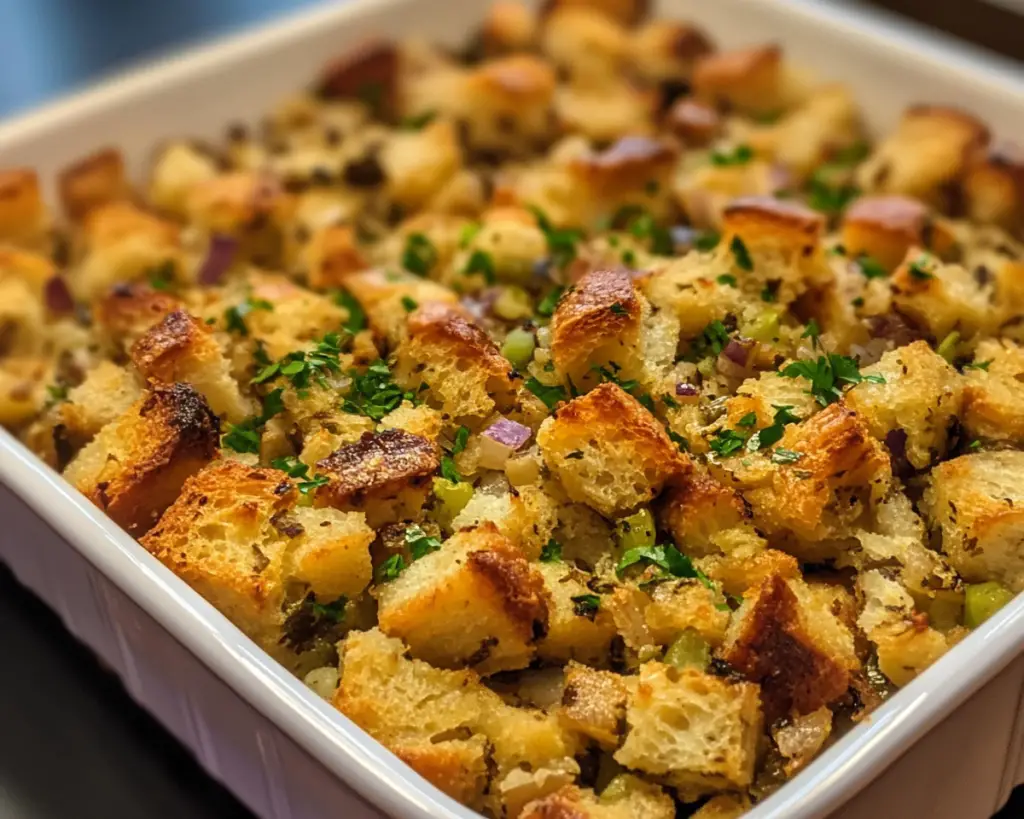
There’s something absolutely heartwarming about the smell of stuffing baking in the oven, isn’t there? It often transports you back to cherished family gatherings and festive holiday dinners. Now, imagine being able to enjoy that classic comfort food without the constraints of meat and animal products. This is where the **Best Vegan Stuffing** shines. Not only does it bring the flavors and feelings of a traditional stuffing, but it does so while accommodating various dietary needs.
This recipe is special in that it’s not only simple to make, but it’s also loaded with vibrant flavors and an array of textures that will make even the most devoted meat-lover take a second helping. With fragrant herbs, savory vegetables, and crusty bread, this dish becomes a highlight of the holiday table. In this guide, you will learn how to make this delightful stuffing, explore variations to suit your personal taste or dietary needs, and discover cooking tips that can elevate your dish to a whole new level.
What Is The Best Vegan Stuffing (Easy Holiday Side Dish)?
Vegan stuffing has its roots deeply embedded in traditional recipes passed down through generations, often used as a delightful side to accompany a turkey or roast. However, it has evolved to stand alone as an incredible dish in its own right. This stuffing delivers a hearty mix of textures and flavors, perfectly balancing the soft and savory components with a delightful crunch.
You can expect earthy notes from **mushrooms** and **herbs**, sweet undertones from sautéed **onions** and **celery**, and the satisfying texture of toasted **bread**. The versatility of the ingredients means you can really make it your own while ensuring it remains completely plant-based. Each forkful offers a blend of seasonings melding beautifully together, creating a dish that feels downright indulgent yet wholesome.
Why You’ll Love This
Why go vegan with stuffing? Well, the answer is simple. This stuffing is rich in flavor, approachable for most home cooks, and highly economical. With the right combination of ingredients, you can make a dish that feels gourmet without breaking the bank. It’s not just about being vegan; this stuffing is genuinely tasty and fulfilling.
One common misconception is that vegan dishes are lacking or bland. This recipe demonstrates how far from the truth that can be. Using fresh, vibrant ingredients packed with flavor makes this stuffing exciting and satisfying. Whether you are accommodating a vegan friend or simply looking for a nutritious side dish that everyone can enjoy, this vegan stuffing is sure to impress.
Ingredients You’ll Need
- Stale Bread: You can use sourdough, whole wheat, or any crusty bread you prefer. Stale bread absorbs flavors better than fresh, so it’s ideal for stuffing.
- Vegetable Broth: This adds moisture and rich flavor. Homemade is best, but store-bought works just fine.
- Onion: A classic flavor base that adds sweetness when sautéed.
- Celery: Adds a wonderful crunch and fresh flavor.
- Mushrooms: These provide earthiness and bulk. They also enhance the umami flavor of the dish.
- Garlic: A must for depth and aromatic quality.
- Herbs: Thyme, parsley, and sage are traditional choices that add a classic stuffing flavor.
- Nuts or Seeds (optional): Can add extra crunch and nutrients. Try pecans or sunflower seeds for a nutty flavor.
- Dried Fruits (optional): Raisins or cranberries can bring in a sweetness that complements the savory elements.
- Olive Oil: For sautéing the vegetables and helping to roast the bread pieces.
Each ingredient plays a vital role, creating a layered flavor profile that is both comforting and exciting. Feel free to mix and match according to your preferences or what you have on hand.
How to Make
- Preheat your oven: Start by preheating your oven to 350°F (175°C). This will ensure your stuffing bakes evenly and comes out with a lovely golden-brown crust on top.
- Prepare the bread: Cube your stale bread into bite-sized pieces. If the bread isn’t stale yet, simply toast the cubes in the oven for about 10-15 minutes until they are a light golden color. This step prevents the stuffing from becoming mushy.
- Sauté the vegetables: In a large skillet, heat about two tablespoons of olive oil over medium heat. Add chopped onions and diced celery, cooking until they are soft and fragrant, about 5-7 minutes. Then, add minced garlic and diced mushrooms, cooking for an additional 5 minutes until the mushrooms have released their moisture and are tender.
- Season the mixture: Stir in your choice of fresh herbs—chopped parsley, thyme, and sage. Season with salt and pepper to taste. Allow these ingredients to cook together for another 2-3 minutes, enhancing the flavors.
- Combine with bread and broth: In a large bowl, combine the toasted bread cubes and the sautéed vegetable mixture. Pour in the vegetable broth gradually, stirring well to ensure all bread pieces are evenly moistened; you want them to be moist but not soaked. Add dried fruits or nuts if you are using them.
- Transfer to a baking dish: Spread the stuffing mixture into a greased baking dish. Pat it down gently, ensuring even coverage. Optionally, drizzle a bit more olive oil on top to help it brown.
- Bake: Place the dish in the oven and bake for 25-30 minutes until the top is golden brown and crisp. The aroma that fills your kitchen is simply out of this world!
- Serve: Remove from the oven and let it cool for a few minutes before serving. This allows the stuffing to set slightly, making it easier to spoon out portions.
With its medley of textures and a depth of flavor that speaks to tradition while still catering to the modern palate, this stuffing is bound to be a family favorite.
Variations & Substitutions
Mushroom and Spinach Variation: If you want extra nutrients and a delightful flavor twist, try adding spinach and extra mushrooms. Simply sauté a handful of fresh spinach alongside the other vegetables. This addition gives the stuffing a lovely color and an added earthy flavor. It’s perfect for those who are looking to sneak in more greens in their meals without sacrificing taste. Plus, who doesn’t love that beautiful green hue in their dish?
Gluten-Free Variation: For a gluten-free option, swap out regular bread for gluten-free bread. Make sure to use gluten-free vegetable broth as well. Many brands now offer gluten-free bread that still provides great texture and taste. You won’t have to compromise on the heartiness and satisfaction that traditional stuffing offers, ensuring everyone can enjoy this dish regardless of dietary needs.
Nut-Free Variation: If allergies are a concern, simply omit the nuts from the recipe. You can also consider adding sunflower seeds for a similar crunch without the risk of allergy. The richness of the sautéed mushrooms and the fragrant herbs will still keep it satisfying and flavorsome.
Additional Flavoring Variation: To elevate the dish further, consider adding some sautéed leeks or finely diced apples to the mixture. The leeks bring a mild onion flavor, while the apples introduce a lovely sweet and tart note to balance the savory components. This variation is fantastic for those who love to experiment with flavors and will have your guests raving about your impressive cooking skills.
Common Mistakes to Avoid
When preparing your vegan stuffing, several common pitfalls can leave you with a lackluster result. One major mistake is using fresh bread instead of stale. Fresh bread may tend to become mushy and break down during cooking, resulting in a disappointing texture. Instead, ensure that you use stale bread or toast it beforehand for the best outcome.
Another error is neglecting to season adequately. Don’t be shy with your use of herbs and spices. Seasoning is key in enhancing the flavors and making your stuffing stand out. A light sprinkle will not suffice; you should taste and adjust as you go along to ensure balance in flavor.
Lastly, you should be cautious not to over-mix the ingredients when adding in the broth. Over-mixing can lead to a mushy consistency. Instead, gently fold the ingredients together to keep those textures intact.
Storage, Freezing & Reheating Tips
Storing your vegan stuffing is straightforward. Allow it to cool completely before transferring it into an airtight container. It can be kept in the refrigerator for up to four days. When you’re ready to enjoy it again, simply reheat in the oven at 350°F (175°C) until warmed throughout, adding a splash of vegetable broth if necessary to avoid drying out.
For long-term storage, this stuffing freezes beautifully! After baking, allow it to cool, then transfer it to a freezer-safe container or freezer bag. It will last for up to three months in the freezer. To reheat, thaw it in the refrigerator overnight or use the defrost feature in your microwave. Bake it at 350°F (175°C) until heated through. Just remember to check for dryness and add a bit of vegetable broth if needed.
For food safety, always ensure that your stuffing is stored properly and consumed within the recommended timeframe. If the stuffing has been left at room temperature for more than two hours, it’s best to discard it to avoid any risk of food-borne illness.
Frequently Asked Questions
Can I use fresh herbs instead of dried?
Absolutely! Fresh herbs can enhance the flavor of your stuffing dramatically. If you are using fresh, you’ll want to use about three times the amount of fresh herbs compared to dried, as their flavors are more subtle. Just chop them finely and toss them in with the sautéed vegetables.
Can I make this stuffing in advance?
Yes! You can prepare everything except the final baking stage the day before. Mix the sautéed vegetables with the bread and broth, then store it in an airtight container in the refrigerator. On the day of serving, simply transfer it to a baking dish and bake as directed.
What bread works best for vegan stuffing?
A variety of breads can work well, such as sourdough, whole grain, or even ciabatta. The key is to ensure it’s stale or to toast it lightly so it can hold up to the moisture of the broth without becoming mushy.
Can I adjust the number of servings?
Yes! This recipe is easily adjustable. Simply scale the ingredients according to the number of servings you need. For every additional serving, consider increasing the ingredients proportionately, keeping in mind to taste and adjust seasoning accordingly.
What can I serve with this stuffing?
This vegan stuffing pairs perfectly with many main dishes! Consider serving it alongside a roasted vegetable platter, vegan gravy, or a hearty green salad. It can even be a wonderful side to a stuffed squash or hearty plant-based protein dish. The flavors of the stuffing will complement any festive meal beautifully.
Conclusion:
In summary, the **Best Vegan Stuffing** is not just a side dish; it’s an experience that captures the essence of holiday gatherings. With its savory flavors, inviting aroma, and the warmth of nostalgia, it’s a recipe worth cherishing and passing down. Don’t hesitate to make this dish your own, whether through the additions of vegetables, nuts, or herbs. Your family and friends will thank you for bringing this delightful tradition to the table. So go ahead, give it a try, and savor every bite while making your kitchen smell divine. You might just find it to be your new favorite holiday staple!