Tartar sauce has been a beloved condiment for generations, pairing perfectly with fish dishes, crab cakes, and even as a delightful spread for sandwiches. Its creamy texture combined with tart and zesty flavors makes it a versatile addition to many meals. If you’ve ever wanted to make your own tartar sauce at home, you’re in the right place! In this article, we’ll explore everything you need to know about making classic tartar sauce — from the ingredients required to the step-by-step process and even some variations to suit your tastes.
What Is Tartar Sauce?
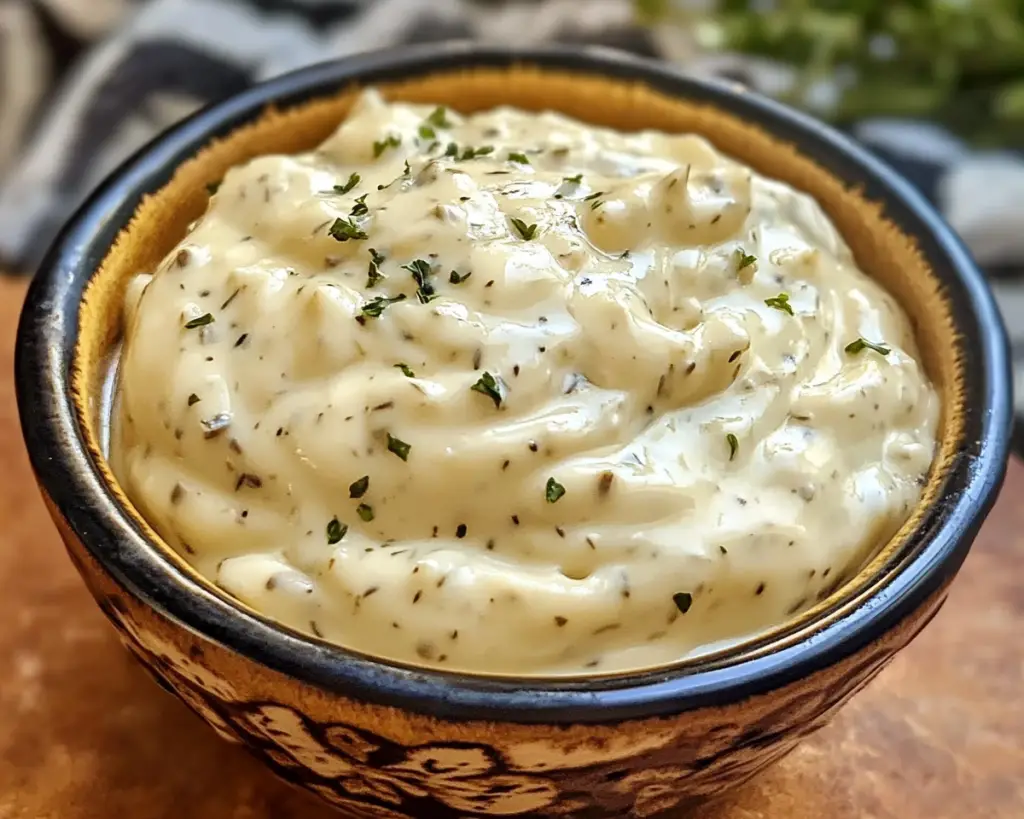
Tartar sauce is a cold, creamy condiment that traditionally accompanies fried fish and seafood dishes. Its origins can be traced back to France, where it was likely named after the Tatars, a group of Mongol and Turkic-speaking people. The original preparation involved mayonnaise, finely chopped pickles or capers, and herbs, which come together to create a flavorful dipping sauce. The texture is smooth and creamy, making it a delightful contrast to crispy fried food.
The classic flavor profile of tartar sauce is a balance of rich and tangy, thanks to the combination of mayonnaise and acidic ingredients such as pickles, lemon juice, and vinegar. Additionally, fresh herbs or spices add layers of complexity, making it a refreshing option against richer dishes. Over the years, many variations have emerged, but the essence of tartar sauce remains rooted in its creamy, savory base enhanced by acidity.
Why You’ll Love This Tartar Sauce
Creating your own tartar sauce at home is not only simple and quick, it also allows you to tailor the flavor to your liking. Here are some reasons why you’ll love this recipe:
1. **Freshness**: Homemade tartar sauce is so much fresher than store-bought versions, which can contain preservatives or artificial flavors. When you make it yourself, you know exactly what goes into it.
2. **Cost-Effective**: Tartar sauce can be made with ingredients that you likely already have at home, making it an economical choice.
3. **Customizable**: You can adjust the ingredients according to your preferences. Want to add more dill? Go for it! Prefer a bit more lemon zest? Just add it!
4. **Versatile**: Tartar sauce is not limited to just seafood; it can also be spread on sandwiches or used as a dip for vegetables and fries.
5. **Easy to Make**: You don’t need any special culinary skills to whip up this classic condiment. It can be prepared in mere minutes!
Ingredients You’ll Need
To make a classic tartar sauce, you will need the following ingredients:
– **Mayonnaise** (1 cup): This is the base of your sauce. It contributes creaminess and acts as an emulsifier. For a lighter version, you can substitute with Greek yogurt.
– **Dill Pickles** (1/4 cup finely chopped): The key textural element, pickles add crunch and acidity. You can use sweet or dill pickles depending on your preference.
– **Capers** (1 tablespoon, rinsed and chopped): These bring a briny finish to the sauce, offering a pop of flavor that complements the richness of the mayonnaise.
– **Fresh Lemon Juice** (1 tablespoon): This adds brightness and acidity, balancing the richness of the mayonnaise.
– **Dijon Mustard** (1 teaspoon): This ingredient introduces a subtle tang and depth of flavor.
– **Fresh Herbs**: Chopped fresh dill, parsley, or chives (1 tablespoon): These enhance flavor and add a fresh element to the sauce.
– **Salt and Pepper**: To taste; these basic seasonings help elevate the flavors.
How to Make Tartar Sauce
Now that we have our ingredients ready, let’s walk through the steps to make this delicious tartar sauce.
1. **Gather Your Ingredients**: Start by gathering all the ingredients and measuring them out to make the mixing process easier.
2. **Prepare the Veggies**: Finely chop the dill pickles and rinse and chop the capers. If you’re using fresh herbs, chop them finely as well. Having them prepped will make it easier to combine everything.
3. **Mix the Base**: In a mixing bowl, combine the mayonnaise, chopped dill pickles, and chopped capers. Stir these together thoroughly until the mixture is well-combined.
4. **Add Flavorings**: Next, fold in the fresh lemon juice and Dijon mustard. Make sure to mix everything well, ensuring the acid from the lemon juice and the tang from the mustard are evenly distributed throughout the mayo mixture.
5. **Incorporate Fresh Herbs**: Gently mix in your choice of chopped fresh herbs. Dill is the classic herb for tartar sauce, but parsley or chives can add a delightful twist.
6. **Season to Taste**: Season the sauce with salt and pepper. Start with a pinch and taste it to see if you need more. Adjust based on your preference.
7. **Chill and Serve**: It’s best to let the tartar sauce chill in the refrigerator for at least 30 minutes before serving. This allows the flavors to meld together beautifully.
8. **Enjoy**: Serve your tartar sauce with fried fish, crab cakes, or as a dip for fries and veggies!
Variations & Substitutions
Making tartar sauce at home gives you the flexibility to turn up the creativity. Here are six variations and substitutions to consider:
1. **Spicy Tartar Sauce**: If you’re looking to add some heat, try incorporating a teaspoon of hot sauce or some finely chopped jalapeños. This twist is particularly delightful with fried shrimp.
2. **Avocado Tartar Sauce**: For a healthier twist, replace half of the mayonnaise with mashed avocado. This will lend creaminess while infusing the sauce with healthy fats and a subtle flavor.
3. **Herb-Loaded Tartar Sauce**: To amp up the freshness, use a mix of herbs like dill, parsley, and tarragon. This variation can elevate the flavor profile, providing a more complex taste.
4. **Sweet Tartar Sauce**: If you prefer a sweeter taste, consider mixing in a teaspoon of honey or using sweet pickle relish instead of chopped dill pickles for an added sweetness.
5. **Caper-Free Version**: Not a fan of capers? You can omit them and replace their briny flavor with a splash of Worcestershire sauce or a dash of pickle juice.
6. **Vegan Tartar Sauce**: To make a vegan version, simply swap regular mayonnaise with a plant-based alternative. You may also add some aquafaba (the liquid from canned chickpeas) for added creaminess.
Common Mistakes to Avoid
When making tartar sauce, it’s easy to make some common mistakes that can affect the final result. Here are a few pitfalls and how to avoid them:
1. **Overmixing**: While you want to combine ingredients well, overmixing can lead to a broken sauce where the oils separate from the tangy components. Take your time, and mix gently.
2. **Neglecting to Taste**: Always remember to taste your sauce before serving! You may need to adjust the seasoning or acidity to match your preference.
3. **Skipping the Refrigeration Time**: Allowing the tartar sauce to chill is crucial as it helps the flavors meld together. Skipping this step can result in a less flavorful sauce.
4. **Using Low-Quality Mayonnaise**: Since mayonnaise is the base, using a low-quality version can significantly impact the taste of your tartar sauce. Invest in a good-quality mayonnaise for the best results.
5. **Not Chopping Ingredients Finely**: For the perfect texture, make sure all ingredients are chopped finely. This ensures that every bite has a balance of flavor and texture.
Storage, Freezing & Reheating Tips
To maximize freshness while preserving quality, follow these storage tips:
– **Refrigeration**: Store your tartar sauce in an airtight container in the refrigerator. It can typically last for about a week.
– **Freezing**: While it’s not recommended to freeze tartar sauce due to its mayonnaise base, if you decide to do so, use a freezer-safe container. When thawed, the texture may be slightly altered, but the flavor should remain intact.
– **Reheating**: Tartar sauce is typically served cold or at room temperature. If you’ve made your sauce in advance and refrigerated it, allow it to sit at room temperature for a few minutes before serving.
Frequently Asked Questions
1. **Can I make tartar sauce in advance?**
Absolutely! In fact, making tartar sauce a day ahead of time allows the flavors to meld and enhance. Store it in the refrigerator in an airtight container for up to one week.
2. **What is the best way to serve tartar sauce?**
While tartar sauce is most commonly served with fried seafood, it can also be delicious with chicken fingers, chips, or as a sandwich spread.
3. **Can I use different types of pickles in tartar sauce?**
Yes! Variations like sweet pickles or bread-and-butter pickles can add a different flavor profile. Experiment to find what you enjoy most!
4. **What can I substitute for mayonnaise?**
If you want a healthier alternative, Greek yogurt is an excellent substitute. You could also use any plant-based mayonnaise for a vegan option.
5. **Can I use dried herbs instead of fresh?**
While fresh herbs give the best flavor, you can use dried herbs in a pinch. Just remember that dried herbs are more concentrated, so use about one-third of the amount compared to fresh herbs.
Conclusion
Now that you have a comprehensive guide on making your own classic tartar sauce, I hope you’re excited to whip up this delicious and versatile condiment in your kitchen. Its delightful balance of creaminess, tang, and crunch can elevate your meals and impress your loved ones. Whether you’re serving it alongside fried fish for dinner or using it as a dip for appetizers, this homemade tartar sauce is sure to become a staple in your home.
Don’t hesitate to customize the recipe to suit your preferences or dietary needs. Share this recipe with friends and family so they can enjoy your handmade tartar sauce too! Happy cooking!