Prep time: 15 minutes
Cook time: 20 minutes
Total time: 35 minutes
Servings: 4
There’s something undeniably indulgent about French toast, especially when you elevate it with a splash of Irish cream. Picture this: a crisp morning, the aroma of freshly brewed coffee filling the kitchen, and the sweet scent of golden-brown bread sizzling on the stovetop. This St Patrick’s Day Irish Cream French Toast is not just a breakfast; it’s an experience. With its rich custard-like texture and a hint of Irish cream liqueur, this dish transforms a classic meal into a festive feast. Whether you’re enjoying it with family on a special occasion or treating yourself during a quiet weekend, this recipe is sure to impress.
In this article, you’re going to learn how to create this delectable dish step-by-step, along with some fantastic variations, cooking tips, and answers to common questions. With just a few simple ingredients, you’ll be on your way to crafting a feast that encapsulates the spirit of St. Patrick’s Day. Get ready for a heartwarming meal that will leave your taste buds tingling and your heart content.
What Is St Patrick’s Day Irish Cream French Toast?
St Patrick’s Day Irish Cream French Toast is a delightful twist on the traditional French toast. Originating from France, French toast is made by soaking bread in a mixture of egg and milk, which is then cooked until golden brown. This particular version adds a splash of Irish cream liqueur, infusing the dish with a rich, creamy flavor that sets it apart from the usual breakfast fare. The blend of sweet and creamy liqueur creates a tantalizing experience that harmonizes beautifully with the crisp texture of the toast.
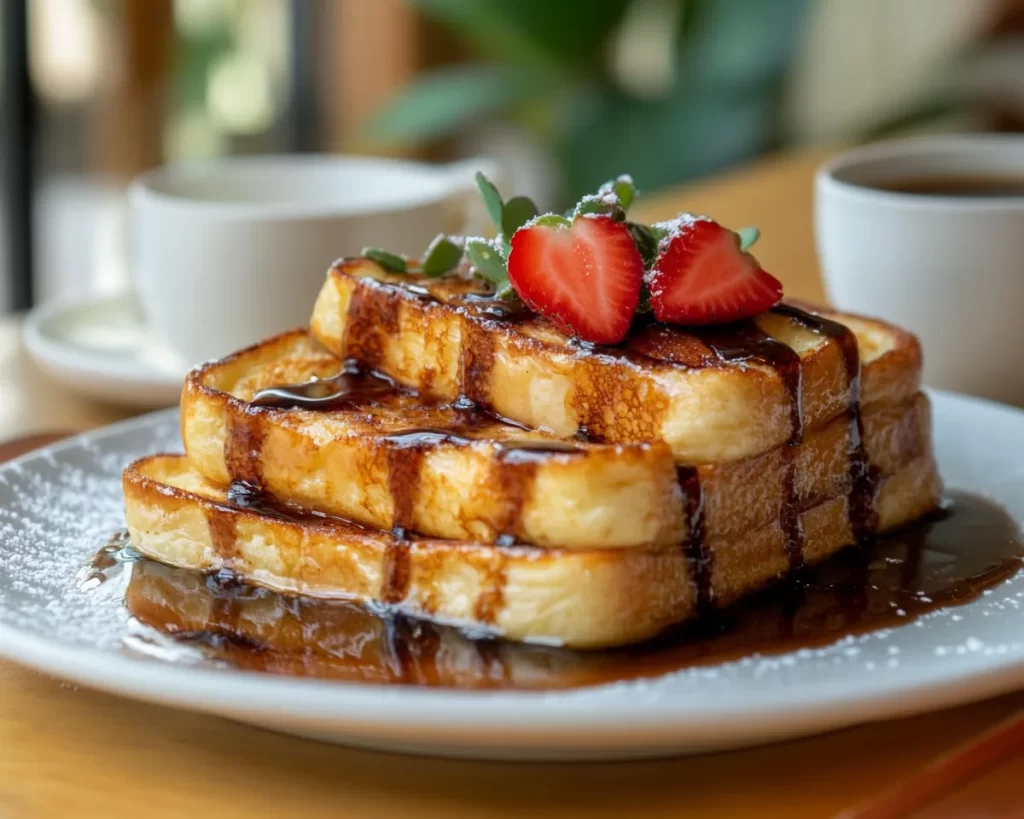
When you take a bite, you’ll be met with a luscious, custard-like center that melts in your mouth. The use of thick-cut bread or even brioche ensures a hearty bite, while the caramelization on the outside adds a satisfying crunch. The overall flavor results in a delightful blend of sweet, rich, and slightly boozy notes, making it perfect for special occasions. This dish isn’t just for St. Patrick’s Day; it’s a fantastic way to celebrate life’s simple pleasures any day of the year.
Why You’ll Love This
One of the main reasons you will love this St Patrick’s Day Irish Cream French Toast is its incredible flavor profile. The luscious richness of the Irish cream combined with maple syrup creates a symphony of sweetness that dances on your palate. Moreover, this recipe is incredibly easy to follow, making it a go-to choice for busy parents or beginner cooks. You can whip it up in just over half an hour, allowing you to spend more time enjoying it with loved ones rather than stressing in the kitchen.
Another benefit is its versatility. Whether you prefer to indulge in a decadent brunch or have it as a dessert, this recipe fits the bill. Feel like impressing guests? It can act as a delightful centerpiece for a gathering. Wary about the alcohol? Don’t worry; the alcohol cooks off, leaving just the luscious flavor of the Irish cream. Additionally, you can customize the dish with various toppings, like fresh berries or whipped cream, making it as unique as you desire.
However, some people may have misconceptions about French toast being a complicated dish. In reality, with a few simple ingredients and steps, you’ll find this recipe is easy and approachable. Just remember to keep an eye on your cooking time to avoid overcooking or burning – a common mistake that can be easily avoided.
Ingredients You’ll Need
- Bread: 8 slices of thick-cut bread, such as brioche or challah. The thickness allows for better absorption of the custard mixture.
- Eggs: 4 large eggs. They act as the binder, providing a rich custard texture.
- Milk: 1 cup of whole milk. You can substitute with almond milk or oat milk for a dairy-free option.
- Irish Cream Liqueur: 1/2 cup. This key ingredient adds depth and a lovely, rich flavor.
- Vanilla Extract: 1 teaspoon. Pure vanilla adds a touch of warmth and complements the sweetness.
- Cinnamon: 1 teaspoon, plus a pinch for garnish. A warm spice that enhances the overall flavor.
- Maple Syrup: For drizzling, making each bite heavenly.
- Butter: 2 tablespoons for frying. Adds richness and prevents sticking.
Each ingredient plays a vital role in creating the perfect St Patrick’s Day Irish Cream French Toast. Choosing high-quality bread is crucial, as it can make all the difference in texture. Bread that is two days old works best, as it soaks up the custard mixture without becoming overly soggy. If you’re watching your calories, feel free to adjust the amounts. Additionally, feel free to swap the regular milk for plant-based alternatives for a healthier twist.
How to Make
- Prepare the custard: In a large bowl, whisk together the eggs, milk, Irish cream liqueur, vanilla extract, and cinnamon until well combined. Make sure the mixture is smooth and the egg yolks are fully integrated.
- Heat the skillet: Place a large skillet or griddle over medium heat. Add the butter and let it melt, swirling it around to coat the pan adequately. The butter should foam but not brown too much; that’ll indicate you’re ready to start cooking.
- Soak the bread: Dip each slice of bread into the custard mixture, allowing it to soak for about 30 seconds on each side. Ensure the bread absorbs enough custard but doesn’t become overly soggy and fall apart.
- Cook the bread: Once your bread is adequately soaked, place it in the hot skillet. Cook for 3-4 minutes on one side until golden brown. Then, flip and repeat for the other side. You may need to adjust the heat to prevent burning.
- Keep warm: If you’re making multiple servings, place the cooked French toast on a baking sheet in a warm oven (around 200°F or 93°C) while you finish cooking the rest. This helps maintain the temperature without overcooking.
- Serve: Once all the slices are cooked, stack them on a plate. Drizzle with maple syrup and sprinkle a pinch of cinnamon on top. Feel free to add additional toppings, such as whipped cream or fresh berries, to elevate your presentation!
These steps will lead you to a mouthwatering breakfast that’s not only visually appealing but also bursting with flavor. As you practice, you’ll find your cooking time improves, and personal touches make each batch even more special!
Variations & Substitutions
Dairy-Free Option: If you’re looking for a dairy-free version of this dish, you can easily substitute the whole milk with unsweetened almond milk or coconut milk. The custard will still retain its creamy texture, and you won’t miss out on flavor. Additionally, opt for a dairy-free Irish cream liqueur if available. This variation allows those who are lactose intolerant or following a vegan diet to enjoy this festive breakfast without compromise.
Fruit-Infused Variation: For a fruity twist, consider adding some fresh fruits into the custard mixture. Mashing or blending ripe bananas or strawberries can enhance the sweetness and add a refreshing taste to the dish. You can also use these fruits as toppings after cooking. Just sprinkle them generously on top of your French toast alongside maple syrup for a burst of flavor.
Chocolate Lovers’ Delight: If you or your guests love chocolate, consider adding a tablespoon of cocoa powder in your custard mixture, or even better, using chocolate brioche bread. Chocolate chips, sprinkled atop the French toast just before serving, can take this dish into dessert territory while still keeping it breakfast-friendly.
Nutty French Toast: For an earthy, nutty flavor, incorporate 1/3 cup of finely chopped nuts into the custard mixture. Almonds, walnuts, or pecans would all work beautifully. The added texture will give your French toast a delightful crunch and create an exciting contrast with the creamy custard.
Each variation has its unique flavor and texture profile, allowing for endless experimentation to find the perfect combination that suits your taste!
Common Mistakes to Avoid
One of the most common mistakes when making French toast is letting your bread become too soggy. Ensure that you soak the bread just long enough — about 30 seconds on each side should suffice. This will help maintain its structure while still allowing it to absorb the custard mixture. If the bread begins to disintegrate, your French toast won’t turn out as expected.
Another pitfall is cooking at too high a temperature. Cooking the toast too fast can lead to burnt outsides with an undercooked center. Keep the heat at medium and don’t rush; the perfect golden-brown color comes with patience. You may have to adjust the temperature throughout cooking to minimize the risk of burning.
Lastly, don’t skimp on the toppings. Though the French toast itself is rich and flavorful, toppings like maple syrup, fresh berries, and some whipped cream can elevate the dish even further. Don’t forget to sprinkle a bit of cinnamon or whipped cream on top; these little touches can make a world of difference!
Storage, Freezing & Reheating Tips
If you find yourself with leftovers, don’t worry! You can store cooked French toast in an airtight container in the refrigerator for up to 3 days. To reheat, preheat your oven to 350°F (175°C) and place the toast on a baking sheet. Warm it for about 10-15 minutes until heated through but not dried out.
If you’re making the French toast in advance, feel free to freeze individual slices. Lay them flat in a single layer on a baking sheet to freeze, then transfer to zip-top bags once solid. They can be stored in the freezer for up to 3 months. To reheat, simply pop them in the toaster or microwave until warm. This makes it an accessible breakfast option for busy mornings.
Always remember, to ensure food safety, try to use your leftover French toast within the recommended time frame. If you see any signs of spoilage, such as an off smell or unusual texture, it’s best to discard it.
Frequently Asked Questions
Can I make this French toast without alcohol? Yes, absolutely! Simply omit the Irish cream liqueur and replace it with a splash of vanilla extract or almond milk to maintain a rich flavor.
Can I use regular milk instead of whole milk? Yes, you can substitute whole milk with 2% milk, skim, or non-dairy alternatives like almond or oat milk. Each will provide varying levels of creaminess, so choose based on your preference.
How can I make this French toast a bit healthier? To make this dish healthier, consider using whole-grain bread, reducing the amount of Irish cream used, or using unsweetened almond milk. You can also pile on fresh fruit for additional nutrients and sweetness without added sugar.
What are some suitable toppings for this dish? There are endless possibilities for toppings! You can use fresh fruits like strawberries, blueberries, or bananas, a dollop of whipped cream, or a drizzle of chocolate sauce for those who want to indulge. Adding nuts or seeds can also provide extra crunch.
Can I make the custard mixture ahead of time? Yes, you can prepare the custard mixture a few hours ahead. Just refrigerate it until you’re ready to cook. Make sure to whisk it well before using to recombine any settled ingredients.
Conclusion:
To summarize, St Patrick’s Day Irish Cream French Toast is a delightful and elegant dish that is easy to make and incredibly versatile. With its creamy texture and delectable flavors, it promises to be a hit at any table. I encourage you to try your hand at this recipe, make it your own with various toppings and variations, and share it with your family and friends. You’ll find that this dish is not only perfect for special occasions but also a fantastic way to bring a little more cheer to your mornings. Happy cooking!