Prep time: 20 minutes
Cook time: 30 minutes
Total time: 50 minutes
Servings: 4
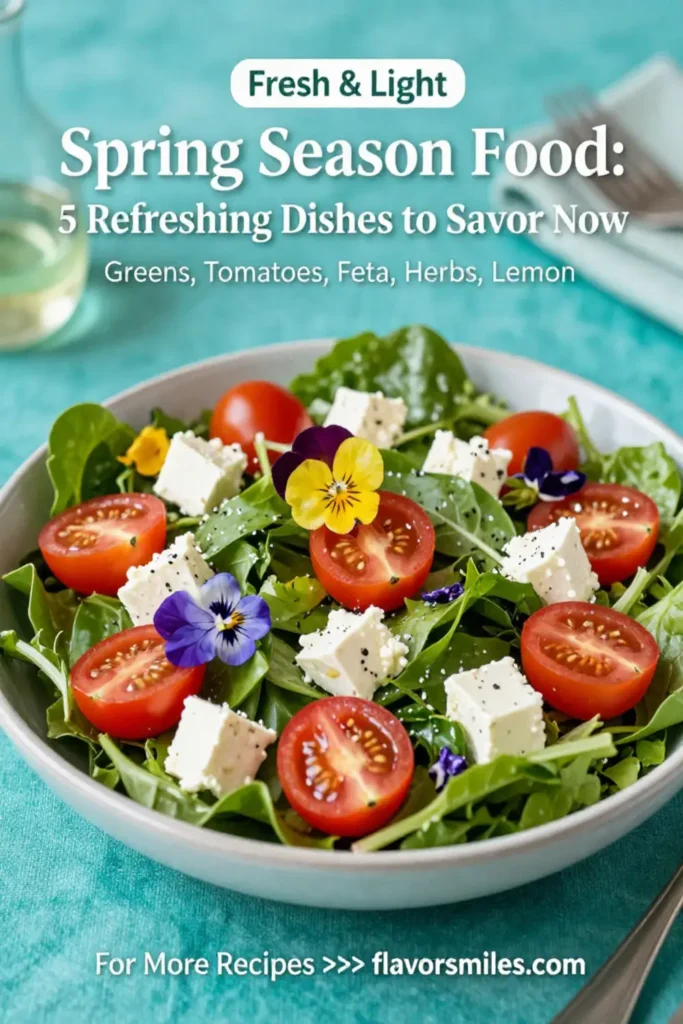
Spring is a wonderful time to elevate your meal planning and bring vibrant flavors to the table. With the changing season, an abundance of fresh produce comes into play, making it the perfect opportunity to create dishes that are not only delicious but also visually appealing. In this recipe roundup, we’ll explore five refreshing dishes that capture the essence of spring, utilizing seasonal ingredients that will invigorate your palate and brighten up your dining experience.
What Is Spring Season Food: 5 Refreshing Dishes to Savor Now?
Spring season food is characterized by its lightness and freshness, featuring ingredients like asparagus, peas, strawberries, and herbs. These elements are not only delicious but also provide a beautiful array of colors that can stimulate your appetite. By focusing on seasonal ingredients, you benefit from optimal flavor and nutrition while also supporting local farmers and food producers. The dishes we’re featuring today offer a variety of flavors and textures, perfect for any occasion—from casual family dinners to festive gatherings.
Why You’ll Love This
These refreshing dishes are not only simple to prepare but also allow for variations to fit your specific taste preferences or dietary needs. The recipes highlight seasonal produce, ensuring that each bite is packed with flavor. Additionally, they are designed to be light, making them perfect for warmer weather. Each recipe supports a healthy lifestyle while still being satisfying, which is essential for active families, busy individuals, or anyone looking to lighten their meals as the weather warms up.
Ingredients You’ll Need
- Asparagus: 1 bunch, cut into 2-inch pieces. Asparagus adds a tender crunch and is a superb source of vitamins A, C, E, and K.
- Cherry tomatoes: 1 pint, halved. These sweet little gems will burst with flavor and color in the dish.
- Fresh basil: ½ cup, chopped. The aromatic herb brings a fresh element that enhances many recipes.
- Garlic: 3 cloves, minced. Garlic infuses a rich flavor that complements the spring vegetables beautifully.
- Olive oil: 3 tablespoons. This healthy fat helps to sauté the vegetables and brings everything together.
- Quinoa: 1 cup, rinsed. Quinoa provides a complete protein source and adds a lovely nutty flavor when cooked.
- Feta cheese: ½ cup, crumbled. Feta adds a layer of creaminess and saltiness that is irresistible.
- Salt and pepper: to taste. Essential for enhancing all the vibrant flavors in the dish.
How to Make
- Begin by preparing your quinoa. Combine 1 cup of rinsed quinoa with 2 cups of water in a saucepan. Bring to a boil, then reduce to a simmer, cover, and cook for about 15 minutes, or until the quinoa is fluffy and the water has been absorbed. This will create a lovely base for your salad.
- While your quinoa is cooking, heat 2 tablespoons of olive oil in a large skillet over medium heat. Add the chopped asparagus and minced garlic, sautéing until the asparagus is vibrant green and tender-crisp, about 5 minutes.
- Add the halved cherry tomatoes to the skillet. Continue to cook for an additional 3-4 minutes, allowing the tomatoes to soften slightly and release their juices. The vibrant color and sweetness of the tomatoes will heighten the dish.
- Once the quinoa is cooked, fluff it with a fork and add it to the skillet. Stir everything together, ensuring that the flavors intermingle well. Season with salt and pepper to taste. If needed, add more olive oil for moisture.
- Remove from heat and fold in the fresh basil and crumbled feta cheese. This will bring a wonderful creaminess to the dish while the basil contributes its fragrant aroma.
- Serve warm or at room temperature, making it a versatile option for any spring gathering.
Variations & Substitutions
Grilled Vegetable Variation: For added depth of flavor, you can grill the asparagus and cherry tomatoes instead of sautéing them. This method enhances the smoky notes in the dish. Simply toss your veggies in olive oil and grill them over medium heat until they develop those beautiful char marks.
Chickpea Addition: For more protein, consider adding a can of drained and rinsed chickpeas to the quinoa during the last minute of cooking. This addition not only makes the dish heartier but also adds a lovely creaminess against the crunch of the veggies.
Vegan Adaptation: To make this dish vegan, simply omit the cheese or replace it with a plant-based feta or nutritional yeast for added flavor. This keeps the dish light and fresh, while still offering great taste.
Herb Swaps: Feel free to experiment with different herbs. Dill or parsley can replace basil if that’s what you have on hand, each contributing their unique touch to the dish.
Whole Grain Alternative: Quinoa can be substituted with brown rice or farro for a different texture. Both alternatives provide a chewy component and blend well with the summer vegetables.
Common Mistakes to Avoid
One common mistake in preparing this dish is overcooking the quinoa. It’s essential to monitor the cooking time closely; it should be fluffy and not mushy. If quinoa is overcooked, it can become gummy, which can detract from the overall texture of your dish.
Additionally, be cautious when sautéing your vegetables. Cooking them for too long can cause them to lose their vibrant color and crunch, turning them mushy which is not desirable for a fresh spring dish. Make sure to cook until just tender—this will retain both flavor and nutritional value.
When seasoning, it’s easy to overdo it with salt. It’s best to start with a smaller amount and adjust according to taste. A light seasoning will enhance the freshness of the ingredients rather than overpower them.
Lastly, not allowing the dish to cool slightly before serving can lead to a loss of texture. Letting it sit for a few minutes will improve the melding of flavors and allow it to be enjoyed at the perfect temperature.
Storage, Freezing & Reheating Tips
This refreshing quinoa and vegetable dish can be stored in an airtight container in the refrigerator for up to four days. When storing, ensure that it has cooled to room temperature to prevent condensation from forming within the container, which could lead to sogginess.
If you wish to freeze the dish, it’s best to do so without the feta cheese. Store in freezer-safe containers for up to three months. When ready to eat, thaw overnight in the refrigerator, then reheat gently on the stovetop or in the microwave. Add fresh herbs and feta just before serving to enhance freshness.
When reheating, a splash of olive oil and a few fresh herbs can breathe new life into the dish, making it enjoyable once more.
Frequently Asked Questions
Can I make this dish ahead of time?
Absolutely! This dish can be made ahead of time, making it perfect for meal prep. The flavors improve after being refrigerated for a day or two as they meld together. Just be sure to keep the feta cheese separate until you are ready to serve to maintain its texture.
What’s the best way to ensure the veggies stay crisp?
To keep the vegetables crisp, avoid overcooking them. Sauté them until just tender and vibrant in color. Using fresh, seasonal vegetables also plays a big part in achieving that satisfying crunch.
Can I customize the ingredients used?
Yes, this dish is highly customizable. You can add your favorite spring vegetables or even switch out the quinoa for different grains. The key is to maintain the balance of flavors while using fresh ingredients.
Is this dish gluten-free?
Yes! As long as your spices and seasonings are gluten-free, quinoa is naturally gluten-free, making this a perfect option for those avoiding gluten in their diet.
How can I increase the protein content in this dish?
If you’re looking to increase the protein, consider adding grilled chicken or sautéed shrimp. Alternatively, chickpeas or lentils would also be great options to maintain a vegetarian approach.
Conclusion:
Spring season food offers a colorful palette of flavors that invigorate both body and spirit. The five refreshing dishes showcased not only celebrate the season with vibrant ingredients but also fit seamlessly into various lifestyles—making them perfect for busy families, beginners in the kitchen, or health-conscious eaters. By embracing seasonal produce, you not only enhance your dishes but also support local agriculture. So, roll up your sleeves, gather your fresh ingredients, and savor the delightful flavors of spring today!