Prep time: 10 minutes
Cook time: 0 minutes
Total time: 10 minutes
Servings: 4
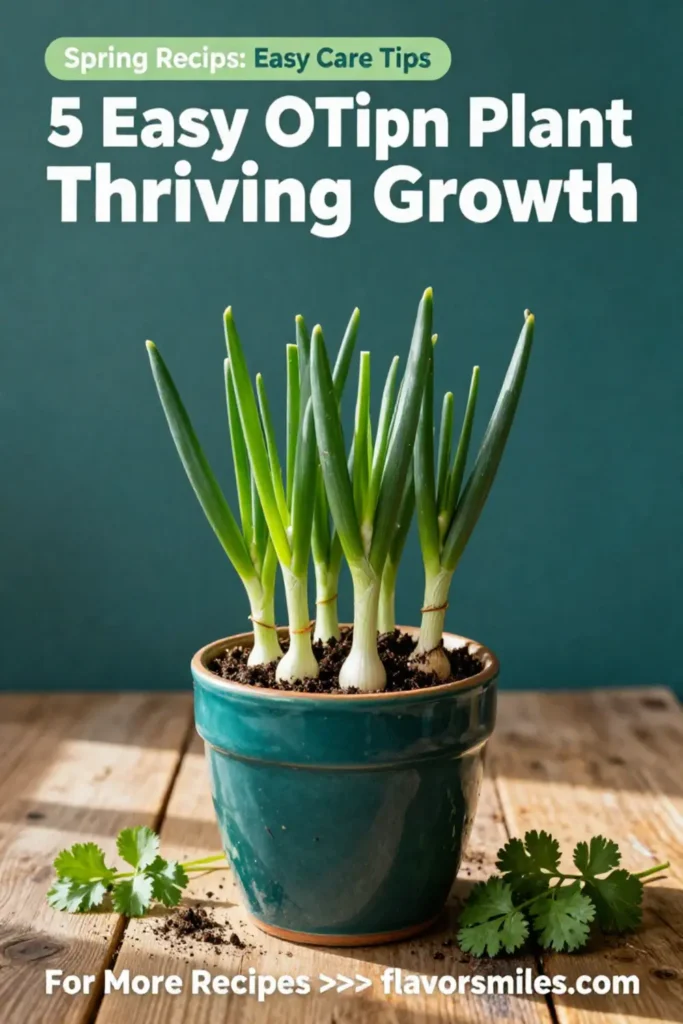
The **Spring Onion Plant** is not only one of the easiest plants to grow but also one of the most rewarding. Ideal for busy families, kitchen beginners, and anyone looking to add fresh flavors to their meals, these vibrant green stalks provide a mildly sweet onion flavor that can elevate any dish. With minimal maintenance, you can enjoy an abundant harvest of spring onions in no time. Here are five easy tips to ensure your spring onion plants thrive and flourish!
What Is Spring Onion Plant: 5 Easy Tips for Thriving Growth?
Spring onions, often referred to as scallions or green onions, are young onions harvested before their bulbs mature. They come bundled tightly together and are loved for their mild flavor and versatility in a variety of dishes, from salads to garnishes. Growing spring onions can be a delightful project, particularly for those who cherish fresh produce.
Here are **five easy tips** to ensuring the thriving growth of your **spring onion plants**:
1. **Choose the Right Planting Location**
Spring onions thrive in well-drained soil with plenty of sunlight. Look for a spot in your garden or on your balcony that receives about 6 to 8 hours of sunlight daily. If you’re limited on space, they can even be grown in pots indoors as long as they receive ample light.
2. **Plant at the Right Time**
For optimal growth, plant your spring onions in spring or early summer. However, in many climates, they can be grown year-round, especially if you have a greenhouse or can provide the right indoor conditions. Keep in mind they prefer cooler weather, so early spring is ideal.
3. **Watering Schedule**
Regular watering is crucial for growing spring onions. Make sure the soil is consistently moist but not soggy. Be attentive to their needs during hot months; you might need to increase your watering frequency. They’re sensitive to both overwatering and underwatering.
4. **Harvesting Carefully**
When your spring onions reach a height of about 6 to 8 inches, it’s time to harvest. Use a sharp knife to cut them at the base, ensuring you don’t disturb the roots. If you leave the roots intact, they may continue to grow, providing you with multiple harvests!
5. **Fertilizing**
Use an all-purpose fertilizer to keep your spring onion plants healthy. A balanced fertilizer applied once every month during the growth period will boost their growth and flavor. Ensure you follow the manufacturer’s instructions for application rates.
Why You’ll Love This
Not only are spring onions easy to grow, but they also offer a wealth of health benefits. Rich in vitamins, particularly vitamin K, spring onions provide essential nutrients that contribute to overall well-being. Their low-calorie count makes them perfect for those looking to maintain a healthy lifestyle. Whether you’re adding them fresh to salads, cooking them into stir-fries, or using them as garnishes, they add both flavor and color to your dishes.
Growing your own **spring onions** means you’ll have fresh ingredients at your fingertips, all while saving money! Instead of buying spring onions every week at the grocery store, a little effort in growing them at home translates to maximum freshness and flavor.
Ingredients You’ll Need
To cultivate healthy spring onion plants, here’s a list of essentials:
- Spring Onion Seeds or Sets: Opt for quality seeds or onion sets based on your climate.
- Well-Drained Soil: A mix of garden soil and compost will create the ideal environment.
- Fertilizer: A balanced organic fertilizer will provide essential nutrients.
- Watering Can or Hose: Tools to ensure consistent moisture.
- Sunlight: Natural light is crucial for photosynthesis and growth.

How to Make
Growing spring onions is easy with simple steps:
- Prepare the Soil: Choose a sunny spot, and enhance the soil by mixing in compost or organic matter. This will create a nutrient-rich environment that promotes strong growth.
- Sow Seeds or Sets: Whether using seeds or onion sets, bury them about 1 inch deep in the soil. Ensure adequate spacing of about 4 inches between each plant to allow for their growth.
- Water Regularly: After planting, water gently to moisten the soil without flooding. Keep the soil damp, especially during the initial weeks of growth.
- Monitor Growth: Watch your plants closely for up to 8 weeks. They should be growing steadily; adjust watering levels and fertilizer application based on their growth and the season.
- Harvest at Peak: When your plants are around 6 to 8 inches tall, utilize a sharp knife to cut them at the base. For continuous growth, leave some roots in the ground.
Variations & Substitutions
Green Onion vs. Spring Onion: Though they might be used interchangeably, **green onions** tend to have a milder flavor and a slightly different appearance. Spring onions have a more defined bulb and a stronger taste. You can substitute green onions for spring onions in your recipes, but note the flavor shift.
Growing in Hydroponics: For those interested in modern gardening, consider growing spring onions hydroponically. This method utilizes nutrient-rich water instead of soil and can yield faster growth.
Other Onions: If spring onions aren’t available, consider substituting with shallots or chives in a pinch. Each offers its unique flavor profile but can be used effectively in various dishes.
Common Mistakes to Avoid
To achieve successful growth of your spring onion plants, avoid these common pitfalls:
1. Overwatering: Constantly soggy soil can lead to root rot. Ensure your planting area has good drainage to keep the roots healthy.
2. Inadequate Sunlight: Insufficient sunlight can stunt their growth. Ensure they’re placed where they can soak up at least 6 to 8 hours of light daily.
3. Ignoring Fertilization: Lack of nutrients can lead to poor growth. Applying organic fertilizer will nourish your plants and enhance their flavor.
4. Harvesting Too Early: Allow spring onions to grow to at least 6 inches for robust flavor. Harvesting prematurely will yield smaller, less flavorful onions.
Storage, Freezing & Reheating Tips
To maintain the freshness of your harvested spring onions, store them properly. Place them in a jar filled with water, keeping the roots submerged while the tops remain above water. Cover the jar with a plastic bag and refrigerate, changing the water weekly to keep your onions fresh for over a week.
If you find yourself with an excess of spring onions, freezing is an option. Wash and chop them, then spread them on a baking sheet to freeze individually. Transfer the frozen pieces into a zip-top bag, ensuring you press out as much air as possible. This will maintain their flavor and texture for several months.
When reheating or using frozen spring onions, there’s no need to thaw; simply add them directly into your dishes as needed.
Frequently Asked Questions
Can I regrow spring onions from kitchen scraps?
Absolutely! Place the roots of leftover spring onions in a glass of water, ensuring only the roots are submerged. Set them in a sunny spot and change the water regularly. Within days, you’ll see new growth! This is a great way to enjoy the plant repeatedly while cutting down on food waste.
How long does it take for spring onions to grow?
Typically, from planting to harvest, spring onions take about 6 to 8 weeks, depending on the growing conditions and the variety. With proper care, you can expect a beautiful harvest in less than two months.
Are spring onions the same as scallions?
Yes, spring onions and scallions are often used interchangeably, though there can be subtle differences based on the size and maturity. They both belong to the same family and can be used similarly in recipes.
What is the best way to eat spring onions?
Spring onions can be eaten raw in salads, grilled, or sautéed. Their versatility allows them to be added to soups, stews, or stir-fries for added flavor.
Can spring onions be grown indoors?
Definitely! You can grow spring onions indoors as long as they have adequate sunlight or are placed under grow lights. This method is perfect for apartment dwellers looking to enjoy fresh herbs and vegetables year-round.
Conclusion:
Growing your own **spring onion plants** can be a rewarding endeavor that not only enhances your cooking but also enriches your garden or kitchen space. With just a few simple tips and considerations, you can cultivate a vibrant and flavorful yield. Enjoy the process, and let your garden flourish with these delightful green wonders! Happy gardening!