Prep time: 20 minutes
Cook time: 30 minutes
Total time: 50 minutes
Servings: 4 servings
Imagine a spring evening illuminated by soft, golden light, where laughter fills the air and the aroma of freshly prepared dishes creates a comforting ambiance. This is the essence of a typical spring dinner party, and at the heart of it lies the delectable Spring Vegetable Soup. Not only does this vibrant soup encapsulate the freshness of the season, but it also offers a delightful combination of flavors and textures that make it an inviting starter or main dish for gatherings.
This recipe is special because it allows you to embrace the abundant produce of spring, transforming simple vegetables into a hearty bowl of goodness. You’ll find a medley of fresh greens, tender roots, and other seasonal ingredients, all lovingly combined to create a nourishing soup. As you read on, you’ll discover not only how to prepare this delightful soup but also some handy tips and variations that will make this dish your go-to during the spring months.
What Is Spring Dinner Party Spring Vegetable Soup?
Spring Vegetable Soup is a **light yet hearty** dish that celebrates the arrival of fresh produce after a long winter. Typically, this soup features vibrant **vegetables** that are brightly colored and packed with nutrients. The combination of spring peas, asparagus, and tender greens offers a flavor profile that is both **refreshing** and **satisfying**.
The origins of spring vegetable soups can be traced back to various culinary traditions that prioritize seasonal ingredients. A well-made spring vegetable soup tends to have a thin yet **rich broth**, allowing the flavors of the ingredients to shine while still delivering a comforting texture. Each spoonful brings forth a burst of freshness that encapsulates the essence of spring.
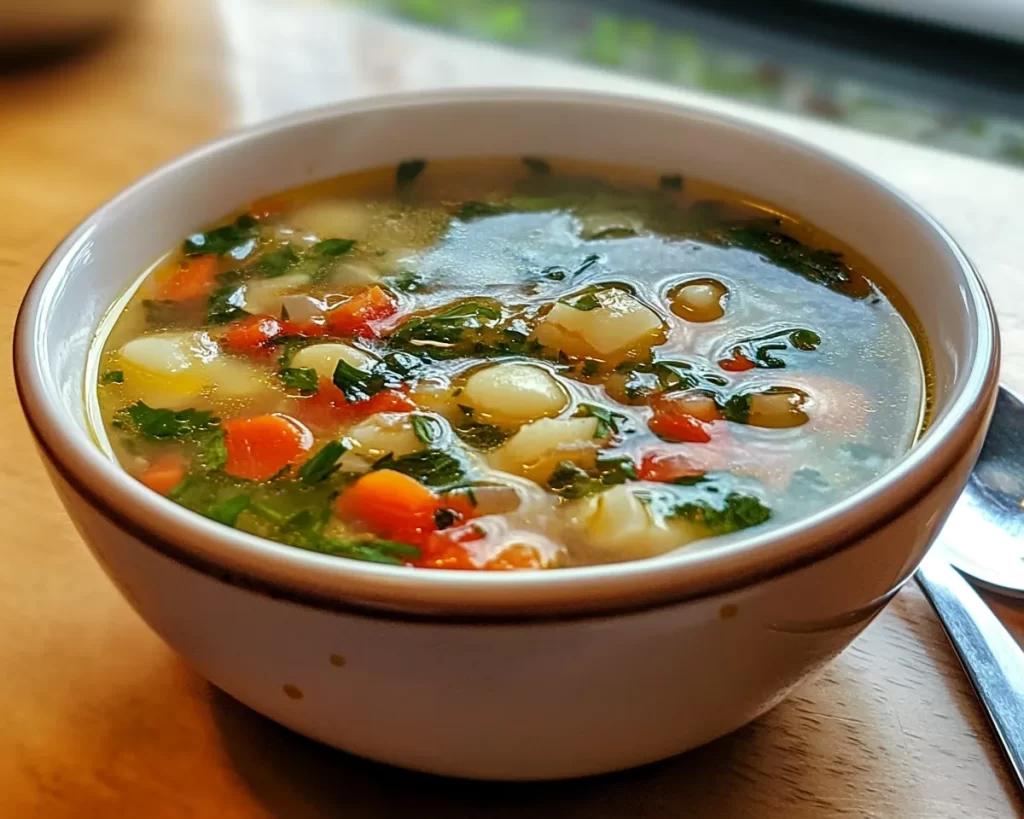
One of the highlights of this dish is its **silky consistency** combined with the tenderness of cooked vegetables. As you spoon it into bowls, you’ll see vivid greens, interspersed with vibrant yellow and orange bits, inviting guests to indulge in a bowl filled with wholesome goodness.
Why You’ll Love This
There are numerous reasons to fall in love with Spring Vegetable Soup. First of all, the taste is an explosion of **freshness**—it captures the delicate flavors of spring while still providing a warm and comforting experience. The ease of preparation makes it an ideal dish for both seasoned cooks and beginners. You won’t have to spend hours in the kitchen to create a culinary masterpiece that your guests will love.
In addition to its **simplicity**, this recipe is also cost-effective. Spring offers an abundance of **affordable vegetables**, many of which you might already have in your fridge. This soup allows you to use up leftover vegetables creatively, reducing waste while saving you money.
Moreover, the health benefits of this soup cannot be overstated. Packed with a variety of vitamins and minerals, each serving contributes to your daily nutritional requirements. The high fiber content makes it **satisfying** while keeping your meal light. Lastly, the versatility of this dish allows it to cater to various dietary needs; you can easily remove or substitute ingredients to accommodate vegan, gluten-free, or low-carb diets.
Ingredients You’ll Need
– 1 tablespoon olive oil
– 1 medium onion, finely chopped
– 2 cloves garlic, minced
– 2 medium carrots, diced
– 1 medium potato, peeled and cubed
– 1 cup asparagus, cut into 1-inch pieces
– 1 cup green peas (fresh or frozen)
– 4 cups vegetable broth
– 1 teaspoon dried thyme
– Salt and pepper, to taste
– Fresh herbs for garnish (like parsley or dill)
Each ingredient plays an essential role in building flavor and texture. The **olive oil** serves as the base for sautéing your onion and garlic, allowing for a rich foundation from which other flavors will develop. The **onion and garlic** add sweetness and depth, while **carrots** and **potatoes** introduce both sweetness and creaminess, creating a well-rounded texture.
**Asparagus** and **peas** bring vibrant colors and a freshness that embodies the season, and the **vegetable broth** binds everything together, making the soup both nourishing and flavorful. Dried **thyme** enhances the aroma and complexity, while salt and pepper bring balance. Don’t forget to add fresh herbs as a finishing touch; they’ll brighten the dish and provide a refreshing burst of flavor.
How to Make
To prepare your Spring Vegetable Soup, follow these simple yet detailed steps:
- Heat the olive oil: In a large pot or Dutch oven, heat the olive oil over medium heat. Once the oil shimmers, add the chopped onion and sauté for about 3-4 minutes until the onions become translucent and soft. This step builds the aromatic base of your soup.
- Add garlic and carrots: Stir in the minced garlic, allowing it to sauté with the onions for about 30 seconds, or until you can smell its pungent aroma. Next, add the diced carrots. Sauté them for an additional 5 minutes. This will brighten the flavor and create a wholesome, tender texture.
- Incorporate the potatoes: Toss the cubed potatoes into the mixture and stir well. Pour in the vegetable broth and bring the mixture to a boil. Once boiling, lower the heat to a simmer and cover the pot. Let everything cook for about 10-15 minutes, or until the potatoes are fork-tender.
- Add asparagus and peas: After the potatoes are tender, add the asparagus pieces and green peas. Stir to combine and cook for another 5 minutes. This is a critical step as it helps retain the vibrant color and crunch of the vegetables while ensuring they’re cooked without becoming mushy.
- Season to taste: Once the vegetables are cooked to your desired texture, add dried thyme, salt, and pepper to taste. Stir everything well, allowing the flavors to meld together for a few minutes. This step will elevate the overall taste and aroma of your soup.
- Serve and garnish: Ladle the hot soup into bowls and garnish with freshly chopped herbs like parsley or dill. This adds both visual appeal and an extra layer of flavor. Enjoy your lovely soup while it’s still steaming!
Variations & Substitutions
Hearty Grain Addition: For those looking to make the soup a bit more filling, consider adding a cup of quinoa or farro. This not only makes the soup more substantial but adds a lovely chewy texture that contrasts beautifully with the tender vegetables. Cook the grains separately according to package instructions and stir them in just before serving. This is an excellent option for anyone wanting to stretch the dish to feed more people or make it a **complete meal**.
Protein Boost: If you’re looking to add some protein, feel free to incorporate shredded chicken or beans into the soup. Using canned beans like cannellini or chickpeas simplifies meal prep, as you only need to rinse and drain them before adding them into the pot. Simply add them during the last phase of cooking to warm them through without compromising their texture. This approach suits those who wish to increase their protein intake without sacrificing flavor.
Spicy Twist: For those who enjoy a bit of heat in their meals, adding a dash of red pepper flakes or a finely chopped jalapeño can elevate your soup to a new dimension. This variation is perfect for those who prefer spicy dishes, and it doesn’t require much extra effort—simply sprinkle some spice at the end of cooking to ensure you achieve your desired level of heat without overwhelming the other ingredients.
Richer Flavor Profile: If you want to deepen the flavor, consider finishing the soup with a splash of cream or a dollop of crème fraîche. This will add a nice richness and a beautiful silky texture. For a **vegan** option, use coconut milk or cashew cream; these offer a delightful creaminess without the dairy, making it suitable for various dietary preferences.
Seasonal Swaps: Feel free to experiment with whatever fresh produce you have on hand. For instance, **zucchini** or **spinach** can easily be substituted or added to the soup. These changes allow you to customize the recipe according to your taste and what’s available in your local market, ensuring you create a dish that feels personal and unique to you.
Common Mistakes to Avoid
One of the most frequent issues people run into while making soups is cooking the vegetables for too long. Overcooked vegetables can become **mushy** and lose their fresh flavors. A good tip is to cook the heartier vegetables, like the potatoes and carrots, first, while adding quicker-cooking vegetables like peas and asparagus later in the process.
Another common mistake is under-seasoning the soup. It’s essential to taste as you go along, adjusting seasoning appropriately. If the soup lacks flavor, consider adding more herbs, spices, or even a squeeze of lemon juice at the end, which can brighten the entire dish. Don’t be afraid to make adjustments as you see fit.
Finally, many home cooks forget to allow the soup to rest for a few minutes before serving. This is crucial as it allows the flavors to meld and develop even further.
Storage, Freezing & Reheating Tips
When it comes to storing your Spring Vegetable Soup, it’s essential to cool the soup completely before transferring it to an airtight container. Stored properly in the fridge, this soup can last for up to three days. For longer storage, consider freezing the soup. However, be cautious as certain vegetables can become mushy upon thawing.
To freeze, pour the cooled soup into freezer-safe containers or bags, leaving some space for expansion. Ensure you label the containers with the date for easy reference. The soup can last in the freezer for up to three months. When you’re ready to enjoy, thaw overnight in the refrigerator and reheat on the stove over medium heat, stirring occasionally until it is heated through.
Always remember to practice food safety; do not let the soup sit out at room temperature for more than two hours.
Frequently Asked Questions
Can I make Spring Vegetable Soup ahead of time?
Yes! This soup actually benefits from being made ahead of time. The flavors deepen and meld when allowed to sit overnight in the fridge. Simply store in airtight containers in the refrigerator and reheat on the stove when you’re ready to enjoy it.
Is this recipe suitable for freezing?
Absolutely! Just be sure to cool the soup completely before freezing. It can be stored in freezer-safe containers for up to three months. When you’re ready to eat, thaw it in the refrigerator the night before and reheat it over medium heat.
Can I use canned vegetables in this soup?
While fresh vegetables will always yield the most flavor and texture, you can use canned vegetables in a pinch. Just be sure to rinse and drain them to remove excess sodium. Add them in at the end cooking time to prevent them from becoming mushy.
How can I enhance the flavor of this vegetable soup?
To enhance the flavor, you can add a squeeze of fresh lemon juice, a splash of balsamic vinegar, or a sprinkle of fresh herbs right before serving. These additions will lend a brightness that elevates the entire dish.
Is it necessary to use vegetable broth?
While vegetable broth provides a rich base, you can substitute it with water if necessary. To increase flavor, you can throw in additional herbs or even a splash of wine, which can add depth without being overpowering.
Conclusion:
With its lovely medley of flavors and colors, Spring Vegetable Soup captures the essence of the season in every bowl. This dish is not only delicious and nourishing but also adaptable to various tastes and dietary needs. Whether you serve it at a dinner party or enjoy it on a quiet night in, this soup invites everyone to savor the beauty of spring.
Don’t hesitate to try out different variations and make this recipe your own. Share it with friends and family, and let them experience the warmth and comfort it brings. Your **culinary creativity** can shine through, making each bowl uniquely yours. So grab those fresh ingredients and get cooking!