Prep time: 20 minutes
Cook time: 30 minutes
Total time: 50 minutes
Servings: 6 servings
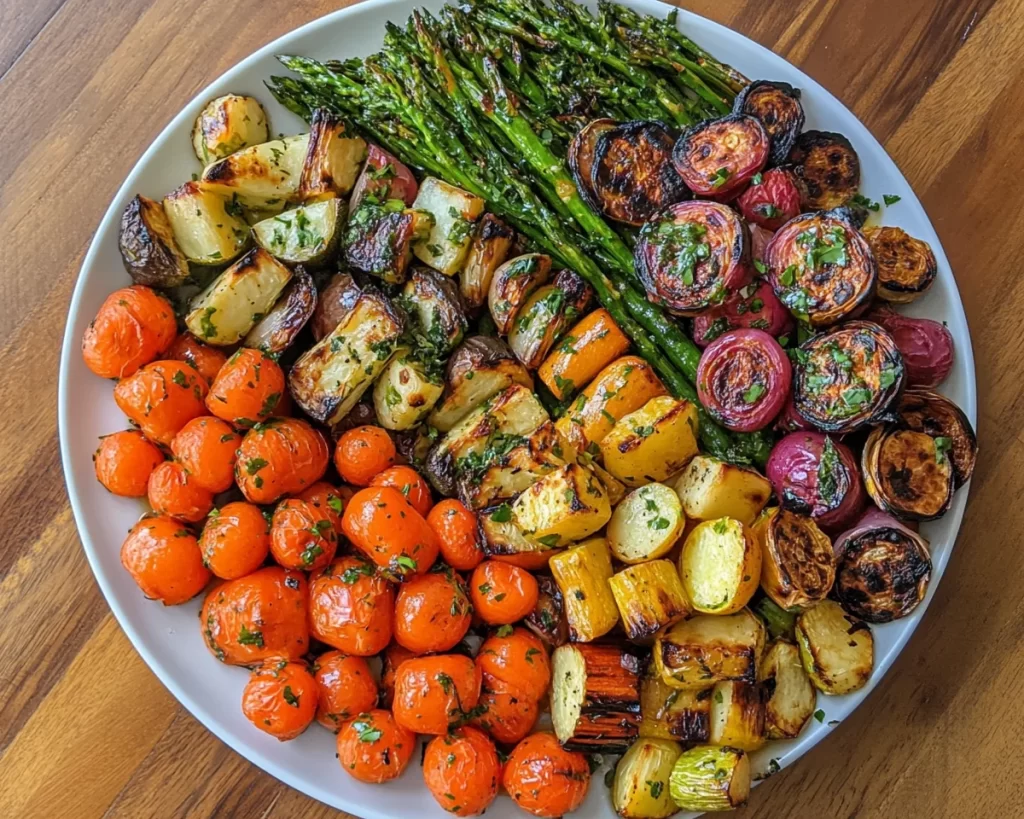
Imagine hosting a vibrant spring dinner party filled with laughter, rich conversations, and delicious food that brings everyone together. The centerpiece of your gathering? A stunning Roasted Vegetable Platter that not only captivates the eyes but also tantalizes the taste buds. This dish is the epitome of spring, showcasing a medley of colorful and fresh seasonal vegetables. Each bite is a delightful orchestration of flavor and texture, from the crunchy edges of the roasted veggies to the warm, tender centers. If you’re looking for a recipe that is easy to prepare yet looks like you spent hours in the kitchen, you’ve landed in the right spot.
This Roasted Vegetable Platter is more than just a side dish; it’s an experience. The blend of earthy flavors, paired with aromatic herbs, creates a tantalizing aroma that fills your kitchen with a sense of warmth and comfort. In this article, you will learn not only how to prepare this beautiful platter but also several tips and tricks to elevate your dish. You’ll discover how to choose the best vegetables and learn variations to suit every palate or dietary need.
What Is Spring Dinner Party Roasted Vegetable Platter?
The Spring Dinner Party Roasted Vegetable Platter is a delightful array of vegetables, roasted to perfection, highlighting the season’s best offerings. Traditionally, this dish originates from Mediterranean cuisines, where communal platters filled with colorful produce signify celebration and togetherness. Picture a colorful assortment—vibrant bell peppers, lush zucchini, plump cherry tomatoes, and hearty carrots—each ingredient contributes its unique flavor profile to the dish.
Upon roasting, the vegetables develop a caramelized exterior while maintaining a tender core. The roasting process brings out their natural sweetness while also enhancing the savory notes, making each bite a balance of flavors. The incorporation of fresh herbs like thyme, rosemary, or basil further elevates these flavors, bringing quintessential spring notes to the platter. Not only is this dish visually stunning, but it’s also a healthy option packed with vitamins, minerals, and antioxidants essential for maintaining your well-being.
Why You’ll Love This
There are countless reasons to adore this Spring Dinner Party Roasted Vegetable Platter. First and foremost, it’s all about the **flavor**—the roasted vegetables not only taste incredible but also add visual appeal to any dining table. The beautiful array of colors brings an inviting atmosphere, making it perfect for gatherings. Beyond taste, the recipe is remarkably **easy to prepare**, making it ideal for both experienced cooks and beginners. You can toss your favorite vegetables together, sprinkle some herbs, and pop them into the oven while spending time with your guests.
Cost-effectiveness is another compelling reason to embrace this dish. Seasonal vegetables are typically more affordable and abundant in spring, allowing you to prepare a generous platter without splurging. This recipe also encourages **versatility**—you can mix and match various vegetables based on your preferences or what’s readily available at your local market. Furthermore, it caters to various dietary preferences, making it an excellent choice for gatherings with diverse guests. Whether you’re serving vegan friends, gluten-free guests, or simply health-conscious eaters, everyone will find joy in this dish!
Ingredients You’ll Need
To prepare a delightful Spring Dinner Party Roasted Vegetable Platter, gather the following ingredients:
- Bell Peppers: Use a mix of colors for visual appeal. They add a sweet crunch that complements other vegetables.
- Zucchini: Its mild flavor and soft texture turn velvety when roasted, balancing the crunch of firmer veggies.
- Carrots: Sweet and earthy, they caramelize beautifully and add a pop of color.
- Cherry Tomatoes: These burst with flavor upon roasting, creating a succulent, juicy addition.
- Red Onion: Their sharpness mellows during roasting, imparting a rich flavor to the dish.
- Olive Oil: Essential for roasting, it helps achieve that crispy exterior while providing healthy fats.
- Salt and Pepper: Simple yet crucial for enhancing and balancing the flavors.
- Fresh Herbs: Use thyme or rosemary to elevate the aromatic profile of your dish.
- Balsamic Vinegar (optional): A drizzle brings an extra layer of tanginess, enhancing the dish’s complexity.
Each vegetable plays a role in building layers of flavor and texture. Feel free to substitute with what you have on hand; for instance, asparagus or sweet potatoes work beautifully as well. Using seasonal ingredients not only enhances flavor but also promotes sustainability, supporting local farmers.
How to Make
Follow these simple steps to create your stunning Roasted Vegetable Platter:
- Preheat your oven: Set the oven to 425°F (220°C). Preheating ensures even roasting, essential for achieving that perfect caramelization on the vegetables.
- Prepare the vegetables: Wash and cut the vegetables into uniform sizes—around 1 to 2 inches—ensuring they roast evenly. For cherry tomatoes, leave them whole. This step is crucial for achieving consistent cooking.
- Toss with olive oil: In a large mixing bowl, combine the chopped vegetables with olive oil, salt, and pepper. Make sure each piece is well coated, which is vital for that rich flavor and crispy texture.
- Add herbs: Chop your selected herbs and add them to the bowl. Stir gently to combine, ensuring that the herbs are evenly distributed throughout the vegetables.
- Arrange on a baking sheet: Spread the vegetable mixture out on a large baking sheet in a single layer. This is important to avoid steaming and to help achieve the desired caramelization. Overcrowding can lead to soggy veggies.
- Roast in the oven: Place the baking sheet in the preheated oven and roast for about 25 to 30 minutes. Toss the vegetables halfway through for even cooking. You’ll know they’re done when they are golden brown and tender.
- Finish with balsamic vinegar: If using, remove the vegetables from the oven and drizzle with balsamic vinegar while still hot. This adds a sweet-tangy flavor that pairs beautifully with the roasted notes.
- Serve and enjoy: Transfer the vegetables to a serving platter and celebrate the vibrant colors and aromas that embody spring. This dish is best served warm.
As you follow these steps, take joy in the process! The sizzling sound of the vegetables in the oven and the delicious aroma wafting through your kitchen will create excitement for this culinary delight.
Variations & Substitutions
Italian Roasted Vegetable Platter: For a spin on flavors, introduce Italian herbs like oregano and basil. You might also add eggplant and zucchini, giving your platter a Mediterranean flair. Pair with a sprinkle of shredded parmesan cheese before serving for extra richness.
Spicy Roasted Vegetable Platter: If you favor heat, consider tossing your veggies with a pinch of cayenne pepper or red pepper flakes. Including spicy jalapeños or sweet corn can enhance the flavor profile. This variation is perfect for those who appreciate a bit of heat in their meals.
Asian-Inspired Roasted Vegetable Platter: Add a drizzle of soy sauce and sesame oil to bring an Asian twist to your platter. Incorporate vegetables like bok choy, shiitake mushrooms, or bell peppers. Finish with sesame seeds and chopped scallions for added texture and flavor.
Root Vegetable Roasted Platter: Focus on heartier root vegetables, such as beets, parsnips, and sweet potatoes. These vegetables will bring a sweeter taste and a rustic feel to your dinner table. Season with cumin or coriander for warmth and depth.
Herb-Scented Variations: Feel free to experiment with other herbs. Try cilantro, parsley, or even mint if you’re feeling adventurous. A fresh herb twist can add a refreshing note to your roasted platter that beautifully complements the spring season.
Each variation suits different taste preferences, allowing you to get creative while making this recipe. You’re not limited to just one combination; explore various ingredients and flavors to personalize your platter!
Common Mistakes to Avoid
While creating your Roasted Vegetable Platter may seem simple, there are a few common pitfalls to steer clear of to achieve perfection. One significant mistake is cutting the vegetables unevenly. Uneven sizes can lead to inconsistent cooking, where some pieces may be overcooked while others are undercooked. To **prevent this**, always try to cut your vegetables into similar sizes for even roasting.
Another frequent mistake is overcrowding the baking sheet. When vegetables are close together, they tend to steam instead of roast, resulting in a mushy texture rather than that coveted crispy finish. Make sure you provide enough space for each piece. If you have a lot of vegetables, consider using two baking sheets.
Lastly, don’t skip the seasoning. A sprinkle of salt and pepper enhances the natural flavors, and without it, your dish may taste bland. Season generously, keeping in mind the flavor intensity of each vegetable. Roasting at a higher temperature also helps achieve the perfect caramelization; baking at too low of a temperature can lead to steaming instead of roasting.
Storage, Freezing & Reheating Tips
Proper storage and reheating techniques are crucial to maintain the vibrant flavors and textures of your Roasted Vegetable Platter. After serving, allow the vegetables to cool completely before storing. Transfer them to an airtight container and store in the refrigerator for up to three days. Reheating is best achieved in the oven; place the roasted vegetables on a baking sheet and warmth them at 350°F (175°C) until heated through, about 10 to 15 minutes.
If you plan to freeze leftovers, ensure they are completely cooled and spread them out on a baking sheet to freeze individually. Once frozen, transfer to a zip-top freezer bag for up to three months. Reheating frozen roasted vegetables directly from the freezer is possible, although they may not be as crispy as when freshly made. Always aim for proper food safety practices to ensure your dish remains safe and delicious.
Frequently Asked Questions
Can I use frozen vegetables instead of fresh? While fresh vegetables yield the best texture and flavor, you can use frozen vegetables in a pinch. However, note that they may have a softer texture and lose some of their crispness upon roasting. If you choose to use frozen vegetables, be sure to thaw and drain them first to minimize excess moisture.
What vegetables are best for roasting? A variety of vegetables can be roasted successfully, including bell peppers, zucchini, carrots, sweet potatoes, and brussels sprouts. Each vegetable offers a unique flavor and texture, contributing to an exciting platter. Choose colors and varieties that are in season for the best taste!
Can I roast vegetables ahead of time? Yes, you can roast vegetables ahead of time and then reheat them for serving. To maintain optimal taste and texture, store them in an airtight container in the fridge and reheat them in a hot oven before serving to regain some of their original crispiness.
What are some good dipping sauces for roasted vegetables? Pair your roasted vegetable platter with a wide range of dips for an extra layer of flavor. Popular choices include hummus, tzatziki, or a balsamic glaze. These add delicious contrasts to the roasted flavors and make for an enjoyable dining experience.
Can I use the same recipe for other seasonal vegetables? Absolutely! This recipe serves as a template, allowing you to experiment with various seasonal vegetables. Feel free to swap or add any vegetables that you enjoy or have on hand, making this dish versatile and adaptable to your taste preferences or dietary needs.
Conclusion:
With its array of vibrant flavors, second-to-none ease of preparation, and the ability to cater to many dietary preferences, the Spring Dinner Party Roasted Vegetable Platter is a must-make dish for any gathering. You’ll not only please your guests and family but also impress them with your culinary skills. Whether you stick to the classic version or make some exciting variations, this platter is sure to be a star in your spring entertaining repertoire. Dive in, experiment, and remember—the best part about cooking is sharing it with others. So, get your friends around the table and enjoy the beauty of springtime flavors together!