Prep time: 15 minutes
Cook time: 40 minutes
Total time: 55 minutes
Servings: 6
When it comes to hosting a memorable dinner party, the food you serve can make all the difference. Imagine the delightful aroma of fresh, roasted vegetables wafting through your kitchen as guests arrive, instantly awakening their appetites. This is exactly why the recipe for Spring Dinner Party Roasted Spring Vegetables is one you should consider. Not only is it vibrant and full of flavor, but it also embodies the essence of spring, bringing a splash of color and a burst of fresh taste to your table. You’ll find that this dish is not just easy to prepare but is also adaptable to various dietary needs and tastes.
Throughout this article, you’ll learn not only how to whip up these delicious roasted vegetables, but also various tips to enhance the flavor and texture, as well as exciting variations to customize the recipe further. No matter if you’re a novice in the kitchen or an experienced cook, this recipe provides the perfect combination of simplicity and sophistication.
What Is Spring Dinner Party Roasted Spring Vegetables?
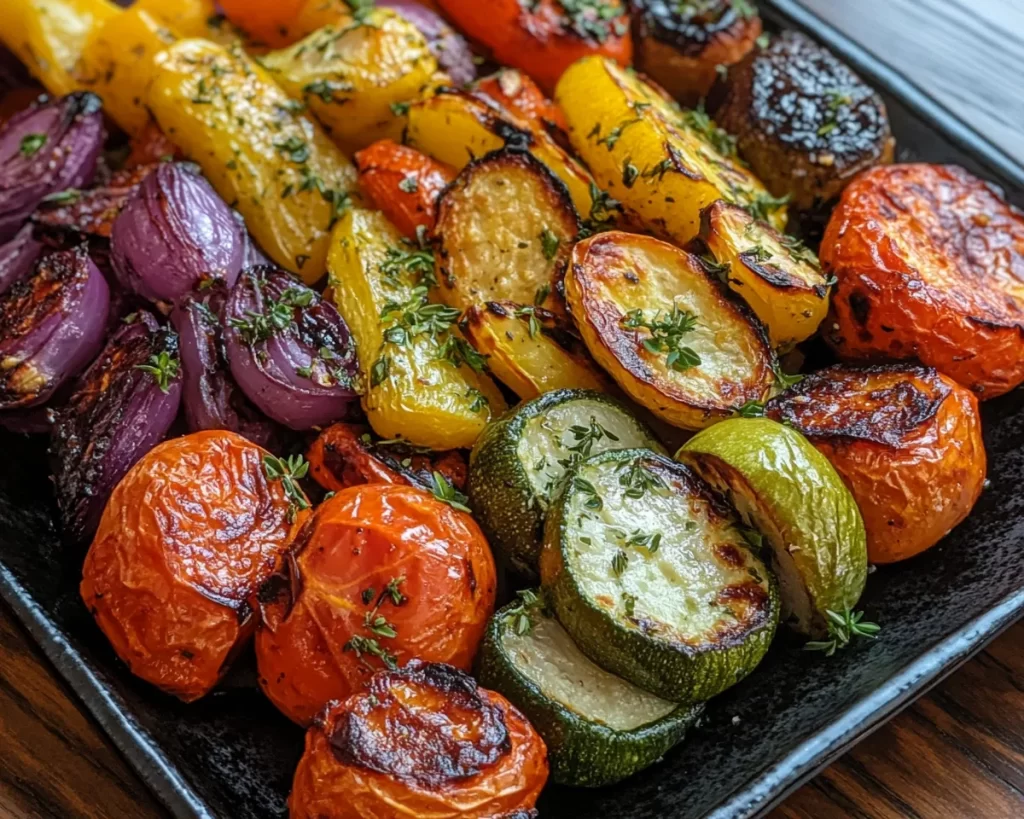
Spring Dinner Party Roasted Spring Vegetables is a delightful medley of seasonal vegetables, specifically chosen for their crisp texture and fresh flavors. This dish commonly features spring onions, asparagus, carrots, and radishes, all of which are roasted to enhance their natural sweetness. The roasting process creates a beautiful caramelization, providing complex flavors that can elevate any meal. The vegetables retain their vibrant colors and offer a satisfying crunch with each bite.
The origins of roasting vegetables date back centuries when people discovered how heat could transform simple ingredients into something magical. Today, this cooking method remains popular for its ability to bring out the best in vegetables without the need for intricate techniques. A sprinkle of herbs and seasoning, alongside a drizzle of good-quality olive oil, can take this dish to a whole new level. The result is not only a feast for the palate but also for the eyes, creating a dish that is as appealing visually as it is flavorful.
Each ingredient sings in this dish. The spring onions lend a gentle sweetness, while asparagus provides a tender, yet slightly crisp texture. Carrots contribute their vibrant hue and earthy flavor, and radishes add a surprising peppery kick. When combined and roasted together, these vegetables create a harmonious balance that captures the essence of spring and rejuvenates your dinner party.
Why You’ll Love This
One of the standout features of this recipe is its incredible taste. As the vegetables roast, they develop a lovely, smoky flavor that pairs beautifully with grains, meats, or can be enjoyed on their own. You’ll find that this recipe is not only easy and quick to prepare, but it is also cost-effective. Seasonal vegetables are often more affordable and flavorful, making this a budget-friendly option for feeding a crowd.
Additionally, this dish embraces versatility, allowing you to adjust the recipe according to what veggies are available or your personal preferences. Vegetarian or vegan? No problem! You can easily adapt this recipe to fit your dietary needs. Moreover, it’s a fantastic way to sneak in extra vegetables for your family, making it perfect for busy parents who want to promote healthy eating among their children.
One common misconception about roasted vegetables is that they require significant cooking skills or time. On the contrary! The simplicity of this recipe is what makes it approachable, especially for beginners in the kitchen. With just a few simple steps and minimal cleanup, you can impress your guests with a dish that looks gourmet without the fuss.
Ingredients You’ll Need
- Spring Onions: Also known as scallions, they bring a milder onion flavor and a pop of green color to the dish. You can substitute with regular onions or shallots if needed.
- Asparagus: Tender and slightly crunchy, asparagus adds a lovely texture. If unavailable, consider using green beans or broccoli for a similar profile.
- Carrots: Sweet and full of nutrients, they enhance the dish’s flavor and color. Baby carrots can be a convenient substitute.
- Radishes: They provide a distinctive peppery taste and are a surprising addition. If you prefer, turnips can be used instead.
- Olive Oil: This is essential for roasting vegetables, helping in browning while providing rich flavor. Feel free to use avocado oil for a different taste.
- Salt and Pepper: Basic seasonings that bring out the flavors of the vegetables. Consider using herbs like thyme or rosemary for additional depth.
Each of these ingredients plays a crucial role. The spring onions not only add flavor but also a touch of freshness. Asparagus is nutrient-rich and very low in calories. Carrots contribute beta-carotene, which is great for eye health, and radishes are packed with antioxidants. This mix of vegetables ensures that you’re not only indulging in deliciousness but also nourishing your body with every bite.
How to Make
- Preheat your oven to 400°F (200°C). A hot oven is essential for achieving that golden-brown finish on your roasted vegetables. Make sure you give the oven enough time to reach the desired temperature before you start roasting.
- Prepare the vegetables by washing and peeling them as necessary. For the carrots and radishes, remove their tops and cut them into uniform sizes to ensure even cooking. Spring onions can be left whole or cut into thirds, depending on your preference.
- In a large mixing bowl, combine all the chopped vegetables. Drizzle a generous amount of olive oil over them. Use about 2-3 tablespoons to start with, and adjust according to your preference for richness.
- Season with salt and freshly cracked black pepper. This is a crucial step, as seasoning draws out flavors during the roasting process. Toss everything well so that the vegetables are evenly coated with oil and seasoning.
- Line a baking tray with parchment paper for easier cleanup. Spread the vegetables out in a single layer on the tray. If they are crowded, they will steam instead of roast, so give them room to caramelize beautifully.
- Roast in the preheated oven for 30–40 minutes. About halfway through, give them a toss with a spatula to ensure even cooking. You’ll know they are done when the edges are crispy, and they have a beautiful golden color.
- Once roasted, remove the tray from the oven and let it cool for a few minutes. This resting time allows the flavors to settle. Serve warm and enjoy the delightful taste of spring.
When preparing this dish, it helps to pay attention to the timing and sizing of your vegetable cuts. Uniform pieces ensure that everything cooks evenly, and keeping an eye on the roasting process will help you achieve that perfect, caramelized exterior while keeping the inside tender.
Variations & Substitutions
Herb-Roasted Spring Vegetables: For a delightful burst of flavor, consider tossing the vegetables with fresh herbs like thyme or rosemary before roasting. These additions can elevate the dish’s aroma and taste, making it even more inviting. Use about a tablespoon of finely chopped herbs mixed in with the olive oil to allow the flavors to meld beautifully during roasting.
Spicy Roasted Spring Vegetables: If you enjoy a bit of heat, adding crushed red pepper flakes or a pinch of cayenne pepper to the oil before tossing with the vegetables can do the trick. This variation will introduce a new flavor dimension that pairs well with the sweetness of the spring onions and carrots, making it perfect for those who love spicy fare.
Asian-Inspired Roasted Vegetables: For a completely different flavor profile, use sesame oil instead of olive oil and sprinkle the vegetables with soy sauce and sesame seeds prior to roasting. This Asian twist will add a unique savory depth, making it a wonderful addition to a meal with an Asian flair, or as a standalone side dish.
Root Vegetable Medley: If you’re looking for a more earthy taste, consider adding root vegetables like sweet potatoes or parsnips. These will add a different texture and sweetness that complements the spring vegetables. They may require slightly longer cooking times, so just keep that in mind when roasting.
Each of these variations allows you to explore different flavors without changing the essence of the dish. Don’t hesitate to get creative and mix in your favorite vegetables or spices based on what you have on hand or what your guests enjoy.
Common Mistakes to Avoid
One of the most common pitfalls when roasting vegetables is overcrowding the pan. If the vegetables are too close together, they will steam rather than caramelize, resulting in a mushy texture instead of the desired crispy edges. Always use a large baking tray and arrange the vegetables in a single layer for the best results.
Another mistake to be wary of is under-seasoning. Since roasting brings out the flavors of the ingredients, it’s important to season generously with salt and pepper before cooking. You might be tempted to skimp on seasonings to keep the dish “healthy,” but doing so can lead to bland results.
Lastly, keep an eye on cooking times. Different vegetables have varied cooking durations. For example, asparagus may cook faster than carrots. If you notice some veggies roasting quicker, remove them from the tray to avoid overcooking.
Storage, Freezing & Reheating Tips
Storing leftover roasted vegetables is a breeze. Allow them to cool completely, then place them in an airtight container in the refrigerator, where they will stay fresh for up to 3-5 days. These leftovers make for an excellent addition to salads, grain bowls, or even as part of a sandwich filling.
If you wish to freeze roasted vegetables, it’s best to do so within 2 hours of roasting. Spread them out on a baking sheet in a single layer and freeze them prior to transferring to a freezer-safe container. This method prevents them from clumping together. Frozen roasted vegetables can last for up to 3 months. When you’re ready to use them, simply pull them out and roast from frozen, adjusting cooking times accordingly.
Reheating is simple. You can toss them in a preheated oven at 375°F (190°C) for about 15-20 minutes until warmed through. This method will help restore some of the original crispness. Alternatively, you can reheat in a skillet over medium heat, adding a splash of water and covering the pan to steam them lightly.
Always prioritize food safety by ensuring that cooked vegetables are refrigerated within two hours of cooking. This practice helps to prevent foodborne illnesses.
Frequently Asked Questions
What vegetables work best for roasting?
You can roast a wide variety of vegetables, including carrots, bell peppers, zucchini, and cauliflower. Choosing seasonal vegetables will enhance the flavor and texture. Root vegetables like potatoes and sweet potatoes also work beautifully, providing a hearty element to your dish.
Can I make this dish ahead of time?
Absolutely! You can roast the vegetables a day in advance and store them in the refrigerator. This saves time on the day of your dinner party. Just reheat them in the oven before serving, and they will taste almost as good as freshly roasted.
How can I make this dish more flavorful?
In addition to the basic seasonings, incorporating a variety of herbs and spices can enhance the flavor. Consider adding garlic, lemon zest, or balsamic vinegar to give it a unique twist. Marinades or unique oils like truffle oil can also produce a wonderful depth of flavor.
Is this dish gluten-free?
Yes! This recipe is naturally gluten-free, as it does not contain any grains or gluten-containing ingredients. You can enjoy it freely, even if you or your guests have dietary restrictions related to gluten.
Can I use frozen vegetables instead?
While fresh vegetables yield the best flavor and texture, frozen vegetables can work in a pinch. Just be aware that they may release more moisture during roasting, resulting in softer vegetables. If you choose frozen, ensure they are spread out evenly on the baking sheet for the best possible result.
Conclusion:
This Spring Dinner Party Roasted Spring Vegetables recipe is a versatile, delicious option that brings the flavors of spring to your table. With simple steps and plenty of opportunities for customization, you can make it your own while providing guests with a fresh, healthy dish. Remember, cooking should be enjoyable and creative, so don’t feel limited by the recipe—allow your own tastes and preferences to guide you. Whether you stick to the original or explore different variations, you’ll find that this dish is a crowd-pleaser that encourages everyone to dig in and savor the tastes of the season. Don’t hesitate to give it a go, and share it with friends and family; they’ll thank you for it!
[Read also: Easy Dessert Recipes for Beginners]