Prep time: 15 minutes
Cook time: 20 minutes
Total time: 35 minutes
Servings: 6
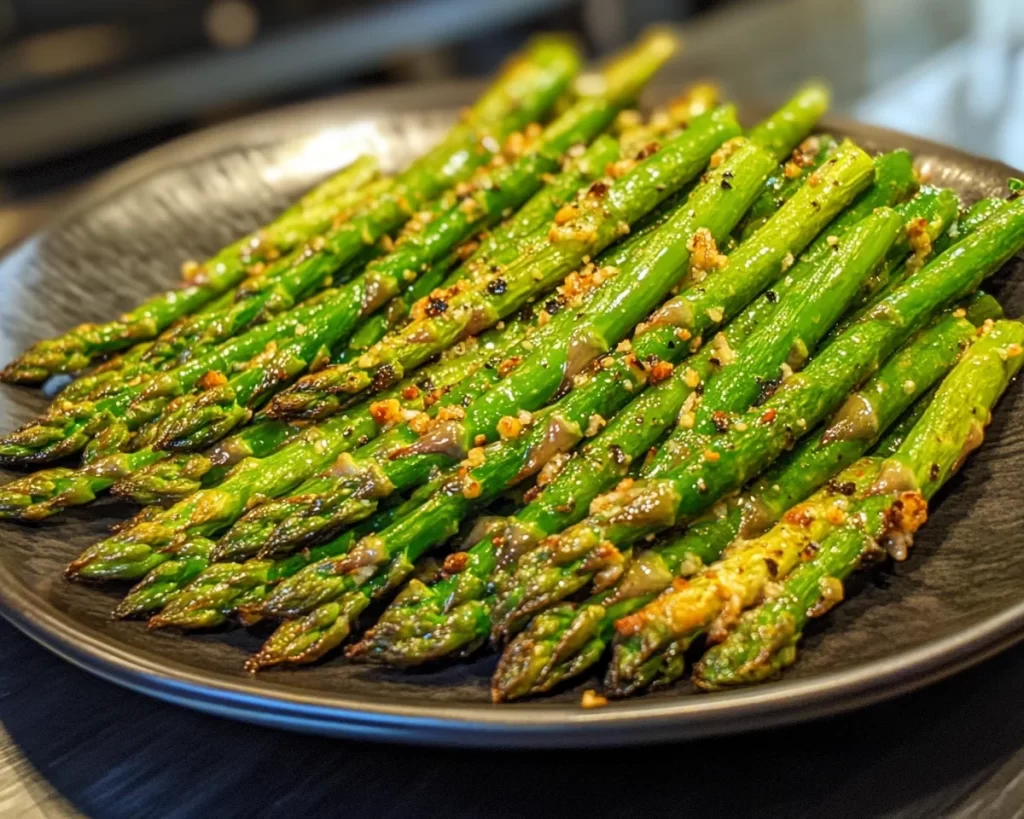
If you’re looking for a fresh, vibrant dish to impress your guests at your next gathering, look no further than the Spring Dinner Party Roasted Asparagus Salad. Picture a beautifully arranged plate that not only brings color but also flavors that sing of spring. Imagine crisp asparagus, perfectly roasted to bring out its natural sweetness, mingled with a delicious citrus vinaigrette that brightens every bite. This dish has become a staple for many of us, especially during dinner parties where the goal is to please both the eye and the palate.
What makes this salad stand out is its combination of textures and flavors. The asparagus offers a delightful crunch, while other ingredients such as cherry tomatoes and creamy feta add to the overall enjoyment. Whether you’re hosting a gathering or simply looking for a healthy side dish to complement your meal, this recipe is here to elevate your culinary repertoire. You’ll learn about the main ingredients, cooking methods, and tips to ensure your salad is absolutely perfect.
What Is Spring Dinner Party Roasted Asparagus Salad?
Spring Dinner Party Roasted Asparagus Salad showcases the fundamental essence of fresh, seasonal ingredients. Originating from Mediterranean cuisine, this salad celebrates the delicate flavors of asparagus, enhanced further by roasting—a method that brings out its natural sweetness and earthy characteristics. The crisp-tender asparagus pairs beautifully with the acidity from the vinaigrette and the rich creaminess of the feta cheese, delivering a balanced dish that feels indulgent without being heavy.
Flavor-wise, this salad hits all the right notes. The roasted asparagus provides a warm, nutty flavor, while the fresh herbs and lemon juice add a contrast that brightens the dish. The texture ranges from the tender asparagus stalks to the slight bite of raw vegetables like bell peppers, making each forkful enjoyable. The visual appeal alone can make this dish a centerpiece at any dining table.
The addition of ingredients like toasted nuts or seeds can elevate the dish further, providing extra crunch and health benefits. As you prepare this dish, you’ll recognize that it isn’t just a salad; it’s a celebration of spring bounty, perfect for any gathering or even a special family dinner.
Why You’ll Love This
One of the main reasons you’ll love this roasted asparagus salad is its incredible taste and ease of preparation. It strikes a balance between being healthy and indulgent, making it a fantastic choice for busy parents and beginners alike. The recipe allows you to use fresh ingredients that are often readily available in spring, meaning you can whip up this salad without breaking the bank or spending hours in the kitchen.
A common misconception is that salads are always bland or unsatisfying; however, that’s far from true with this recipe. The roasting process is what transforms the asparagus into something special, enhancing its natural flavors. It’s easy to overlook the nutritional benefits of asparagus as well—it is low in calories yet high in vitamins A, C, and K, making it a smart choice for those looking to maintain a balanced diet.
Moreover, this salad is incredibly versatile. You can easily adapt the ingredients based on what you have on hand or to cater to different dietary needs. In the kitchen, having the freedom to experiment with flavors while still following a basic framework can inspire even the most hesitant cooks to step outside their comfort zone.
Ingredients You’ll Need
- 1 bunch of fresh asparagus – Look for firm, bright green stalks. Feel free to substitute with green beans for a similar bite.
- 1 cup cherry tomatoes – These add juiciness and color. If using out-of-season tomatoes, consider using sun-dried tomatoes instead.
- ½ cup feta cheese – A creamy and salty addition that enhances the overall flavor. Goat cheese works well if you prefer a different taste.
- ¼ cup chopped fresh herbs – Parsley or basil are great options. You can also use dried herbs; just remember to adjust the quantity.
- 2 tablespoons olive oil – Use high-quality extra virgin olive oil for the best flavor. Avocado oil can be a mild substitute.
- Juice of 1 lemon – Fresh lemon juice brightens up the dish. Lime can be used for a slightly different twist.
- Salt and pepper to taste – Essential for enhancing flavors. Experiment with smoked sea salt for an added layer of depth.
Each ingredient plays a pivotal role in creating the final dish. The asparagus is, of course, the star, while the vinaigrette brings all the flavors together. Understanding the role of each ingredient allows you to substitute effectively and still achieve a delicious result.
How to Make
- Preheat the oven. Start by preheating your oven to 425°F (220°C). This temperature ensures that the asparagus roasts beautifully, allowing it to become crisp-tender without getting overly soft.
- Prepare the asparagus. Rinse the asparagus under cold water and trim the woody ends, which can be tough and chewy. A good rule of thumb is to snap the asparagus near the bottom; it will naturally break where it becomes tender. Place the cleaned asparagus on a baking sheet.
- Season the asparagus. Drizzle the asparagus with 1 tablespoon of olive oil, then sprinkle with salt and pepper. Toss everything together to ensure even coverage. You’re looking for a light coating—this will prevent the asparagus from being soggy while roasting.
- Roast the asparagus. Roast in the preheated oven for about 15-20 minutes, depending on the thickness of the stalks. You want them tender and slightly caramelized in spots but still bright green. Keep an eye on them and toss halfway through for even cooking.
- Prepare the vinaigrette. While the asparagus is roasting, mix the remaining olive oil, lemon juice, and chopped fresh herbs in a bowl. Whisk until combined, then set aside. This dressing will provide a refreshing contrast to the roasted flavors.
- Combine the salad. Once the asparagus is done roasting, allow it to cool slightly before combining it with the chopped cherry tomatoes and crumbled feta cheese in a large bowl. Drizzle with the prepared vinaigrette and gently toss to coat everything evenly.
- Plate and serve. Transfer the salad to a serving platter for an elegant presentation. You can garnish with additional herbs and a sprinkle of feta if desired. Enjoy while the asparagus is still warm for the best flavor.
Each step has been designed to build flavors and textures, ensuring that even those new to cooking can create a dish that impresses without requiring advanced culinary skills. Remember, the key is patience and attention to detail, especially during the roasting process.
Variations & Substitutions
Grilled Asparagus Variation: This option is great for those who enjoy a smoky flavor. Instead of roasting, simply preheat your grill to medium-high heat. Brush the asparagus with olive oil and place directly on the grill. Grill for about 5-7 minutes, turning occasionally until charred and tender. This variation adds a unique depth and complements the vinaigrette beautifully, making it perfect for summer barbecues.
Vegan Asparagus Salad Variation: If you are aiming for a plant-based version, just omit the feta cheese and replace it with marinated tofu or avocado slices. The tofu can be seasoned and roasted alongside the asparagus for added flavor. This not only maintains texture but enhances the nutritional profile with plant protein. Try adding nutritional yeast for a cheesy flavor without dairy.
Quinoa & Asparagus Salad Variation: For a heartier meal, add cooked quinoa to the salad. Quinoa is rich in protein and adds a wonderful nuttiness. Mix in about 1 cup of cooked quinoa with the other ingredients right before serving. This variation makes the salad a filling main dish, perfect for meal prep or serving a larger crowd.
Nutty Asparagus Salad Variation: If you’re looking to add crunch and healthy fats, toss in some toasted almonds or walnuts. This can add a delightful texture that contrasts well with the creamy feta and soft asparagus. Toasting the nuts beforehand enhances their flavor, making them a worthwhile addition.
Asparagus Salad with Citrus Fruits Variation: Elevate the dish by including sliced citrus fruits such as oranges or grapefruit. Their bright acidity complements the salad beautifully and offers a refreshing twist that is especially welcome during warmer months. This variation also packs in additional vitamins, enhancing the dish’s health benefits.
Each of these variations provides an opportunity to customize the salad according to personal preferences, dietary restrictions, or simply the mood of the moment.
Common Mistakes to Avoid
One common mistake when roasting asparagus is not trimming the ends properly. Always make sure to remove the tougher, woody ends; otherwise, you’ll end up with unpleasant bites in your dish. Another issue is overcrowding the baking sheet. When the asparagus stalks or any vegetables are too close together, they will steam instead of roast, which can lead to a soggy texture. Ensure that they are arranged in a single layer for optimal caramelization.
Additionally, be cautious not to over-season your salad. When preparing the vinaigrette, start with a little salt and pepper, then taste before adjusting. Too much salt can overpower the dish and compromise its freshness. And remember, the acidity from the vinaigrette will mellow as it sits, so you might want to season more lightly at first.
Finally, many people don’t realize that salads are best enjoyed fresh. While the flavors will meld beautifully, the texture can suffer, particularly if left to sit for too long. Prepare it just before serving to experience the crisp, vibrant flavors at their peak.
Storage, Freezing & Reheating Tips
For those who intend to make this dish ahead of time, proper storage is crucial to maintain freshness. If you have leftover salad, store it in an airtight container in the refrigerator. To keep the asparagus crisp, consider keeping the vinaigrette separate and adding it right before you serve. Generally, this salad is best enjoyed within 2-3 days of making.
Unfortunately, freezing this dish is not advisable, as the texture of the asparagus will become mushy once thawed. However, if you have leftover roasted asparagus, you can freeze it for future use in soups or blended sauces, but the salad format doesn’t maintain well after freezing.
When it comes to reheating, if you find you’ve stored some of the salad with the dressing, it’s best to eat it cold or at room temperature. If you want to warm the asparagus, do so in a skillet over low heat for just a few minutes; this keeps it tender-crisp and avoids any loss of flavor.
Frequently Asked Questions
Can I make this salad ahead of time? Yes, you can prepare the roasted asparagus and the vinaigrette ahead of time to save effort while hosting. Just be sure to combine the ingredients right before serving to keep everything fresh and crisp.
What kind of asparagus should I use? Look for pencil-thin asparagus stalks, as they tend to be more tender. Thicker stalks may need a bit longer to roast and could have a tougher texture, so adjust cooking times accordingly.
How can I make this salad gluten-free? This salad is naturally gluten-free, as all the ingredients used do not contain gluten. Ensure that any substitutes or additional ingredients also meet gluten-free standards.
Can I use frozen asparagus? While fresh asparagus is preferred for this salad due to its texture, you can use frozen asparagus in a pinch. Just be sure to thaw and drain them well to avoid excess moisture in your salad.
What should I serve this salad with? This salad pairs wonderfully with grilled chicken, fish, or even as a side to pasta dishes. It’s a versatile side that complements a wide variety of main courses, keeping your meal fresh and vibrant.
Conclusion:
This Spring Dinner Party Roasted Asparagus Salad is the perfect way to celebrate the flavors of the season while impressing your guests. With its ease of preparation and stunning presentation, it’s a dish that anyone can master. Not only is it delicious, it also offers plenty of room for customization based on your taste preferences or dietary restrictions. Don’t hesitate to try different variations, and enjoy the process of making this salad your own. Go ahead and bring a refreshing burst of flavor to your dinner table, and may your culinary adventures be as joyful as they are delicious!