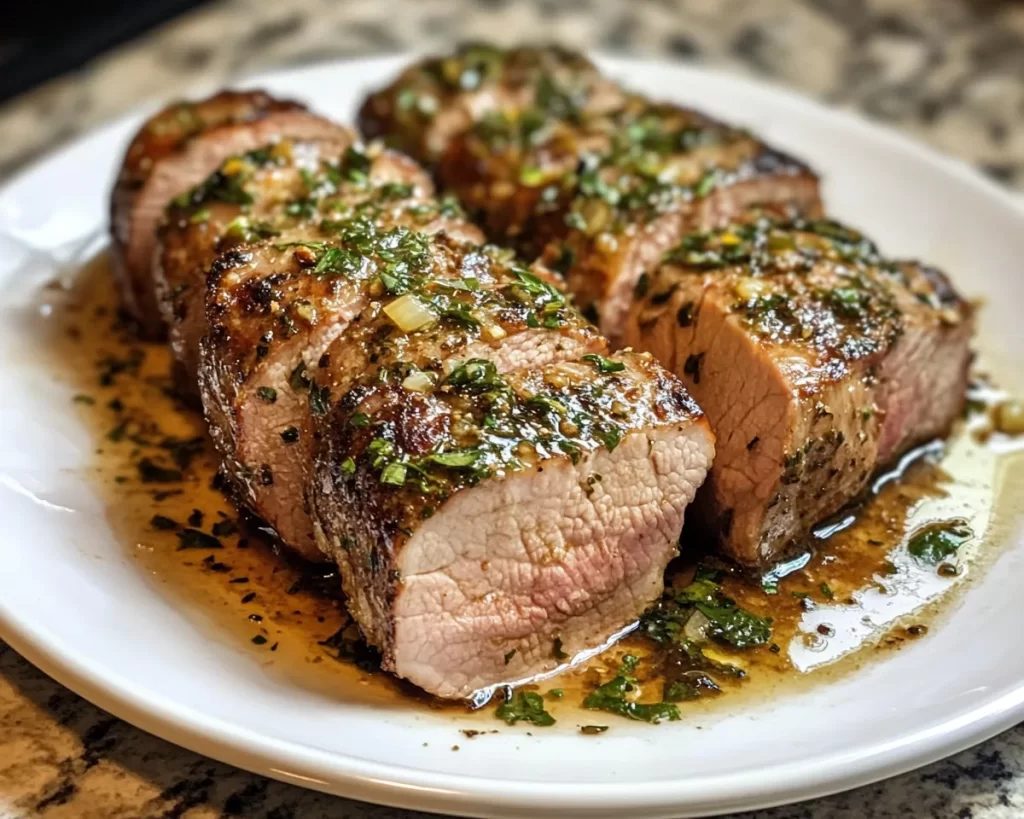
Prep time: 15 minutes
Cook time: 30 minutes
Total time: 45 minutes
Servings: 6
Spring is a wonderful time of year, bursting with life, color, and a craving for fresh flavors. One dish that encapsulates the essence of this season—while also being perfect for a dinner party—is Garlic Herb Pork Tenderloin. With its tender texture and succulent herbs, this dish can make any meal feel special, whether it’s a celebration or a simple family gathering. Imagine the aroma wafting through your kitchen as the tenderloin roasts, wrapping you in a warm hug of garlic and herbs—a smell that draws everyone to the table.
This recipe stands out for its simplicity and elegance. Utilizing just a few key ingredients, it transforms an ordinary pork tenderloin into a gourmet experience. You’ll learn not only how to make this dish but also various tips to elevate it further to suit your needs and preferences.
What Is Spring Dinner Party Garlic Herb Pork Tenderloin?
Garlic Herb Pork Tenderloin is a beloved dish that hails from various culinary traditions, blending flavors that make it particularly enticing for spring gatherings. The dish traditionally features a succulent pork tenderloin that is marinated or rubbed with a mixture of fresh herbs, garlic, and spices, infusing the meat with deep flavors. The result is a juicy center, perfectly complemented by a slightly crispy outer crust.
The tenderness of the pork is key, as it absorbs the flavors beautifully while roasting. When cooked properly, each slice yields a mouthwatering bite that combines the rich savoriness of the meat with the aromatic herbs. Common herbs used in this dish include rosemary, thyme, and parsley, each adding its unique character while making it vibrant and ideal for warmer months. With its forgiving cooking process, this dish allows both novice cooks and seasoned chefs alike to create a memorable centerpiece for any meal.
Why You’ll Love This
There are numerous reasons why Garlic Herb Pork Tenderloin will steal a place in your heart (and on your dinner table). First and foremost, the taste is out of this world. The fragrant garlic and fresh herbs beautifully balance the savory richness of the pork, creating a dish that pleases palates young and old. Your guests will be left in awe, savoring each bite and wondering about the secret to your cooking.
This recipe is also incredibly easy to prepare. With only a handful of ingredients and a straightforward cooking method involving roasting, it’s perfect for busy weeknights or hosting spring get-togethers. The tenderloin usually cooks quickly, giving you more time to focus on other dishes or entertain your guests. Furthermore, it’s budget-friendly. You’ll find that pork tenderloin is often quite economical compared to other cuts of meat, making it perfect for families or those looking to stretch their dollar.
Moreover, the versatility is astounding. You can easily modify the herb mix to suit your taste or dietary needs, making it suitable for various diets, including gluten-free or low-carb. If you’ve ever struggled with cooking meat without it becoming dry or tough, this recipe will empower you with techniques for achieving moist and flavorful results every time.
Ingredients You’ll Need
- Pork Tenderloin: The star of the dish, this cut is lean and tender. You can substitute it with chicken breast or turkey breast, but adjust cooking times accordingly.
- Garlic: Fresh minced garlic adds an aromatic punch. If you’re in a pinch, garlic powder can be substituted, though the flavor will differ.
- Fresh Rosemary: This herb offers woodsy notes. If you can’t find fresh rosemary, dried can work, but use half the amount.
- Fresh Thyme: Bright and earthy, thyme complements the pork well. Like rosemary, fresh is preferred but dried can be a good backup.
- Olive Oil: Essential for moisture and for helping the herbs to adhere to the meat. Other oils like avocado can be used, but olive oil provides the best flavor.
- Salt: Essential for enhancing flavor. Kosher salt is preferred due to its larger grains, which dissolve well.
- Pepper: Freshly cracked black pepper elevates the dish’s flavor profile; however, pre-ground black pepper may be used if necessary.
How to Make
- Begin by preheating your oven to 400 degrees Fahrenheit (200 degrees Celsius). This high heat will help to roast the pork evenly, creating a lovely crust while keeping the interior juicy.
- While the oven is heating, prepare the pork tenderloin by trimming any excess fat. Use a sharp knife to remove the silver skin—a thin, silvery membrane. This step is crucial as it prevents the pork from becoming tough.
- In a small mixing bowl, combine the minced garlic, chopped rosemary, chopped thyme, olive oil, salt, and pepper. Mix these ingredients until they form a fragrant paste. The aroma of fresh herbs and garlic should be enticing—this is a sign that your marinade will impart amazing flavor.
- Rub the garlic-herb mixture all over the pork tenderloin. Make sure to massage it into all the grooves and sides; this ensures optimal flavor absorption. You can even let it sit for 30 minutes to an hour to intensify the flavor, but it’s not essential if you’re short on time.
- Next, transfer the tenderloin to a roasting pan or baking sheet lined with parchment paper. This will make cleanup much easier. If you have a meat thermometer, insert it into the thickest part of the tenderloin to monitor cooking time.
- Place the tenderloin in the preheated oven and roast for about 25-30 minutes, or until the internal temperature reaches 145 degrees Fahrenheit (63 degrees Celsius). It’s vital to check the temperature with a meat thermometer to ensure the pork is perfectly cooked.
- Once the pork has reached the desired temperature, remove it from the oven. Cover it with aluminum foil and let it rest for at least 5-10 minutes. This resting period allows the juices to redistribute throughout the meat, ensuring it remains succulent when sliced.
- After resting, slice the tenderloin into medallions and serve on a platter. Drizzle any reserved pan juices over the top to enhance flavor. Enjoy every bite of this delightful dish!
Variations & Substitutions
Herb-Infused Version: For a more robust flavor, consider adding fresh sage or dill. These herbs can alter the dish’s character while maintaining its primary taste profile. Sage offers an earthy warmth that pairs well with pork, while dill introduces a fresh, slightly tangy note—fantastic for springtime flavors. Just remember to balance proportions: too much sage can overpower the dish.
Glaze Variation: If you prefer a sweeter yet rich flavor, consider adding a glaze. You can mix honey or maple syrup with Dijon mustard and brush it onto the pork during the last 10 minutes of cooking. This variation adds a glossy finish and a vibrant sweetness that complements the savory elements perfectly, impressing your guests without too much effort.
Spicy Kick Version: For those who enjoy a little heat, incorporating crushed red pepper flakes into the garlic-herb mixture can add a delightful kick. Alternatively, you could use a spicy marinade or serve with a spicy dipping sauce. With spices, take care not to overdo it, since everyone has different heat tolerances.
Vegetarian Adaptation: If you’re cooking for vegetarians, you might consider using grilled portobello mushrooms as a substitute. Their meaty texture holds up well in this recipe, letting the garlic and herbs shine through. A simple marinade of olive oil, garlic, and herbs brushed onto the mushrooms can mimic the flavors beautifully.
Common Mistakes to Avoid
One of the most common mistakes when cooking pork tenderloin is overcooking it. The ideal temperature for tender pork is 145 degrees Fahrenheit (63 degrees Celsius) followed by a brief rest. Overcooking can lead to dry and unappetizing meat. Using a quality meat thermometer can help you avoid this pitfall, allowing for perfectly juicy slices every time.
Another mistake people often make is neglecting to let the pork rest after cooking. Skipping this step can result in dry meat because the juices will rush out as soon as you cut it. Always cover your cooked tenderloin with foil and give it a restorative break—this is essential for maintaining moisture and ensuring a delightful eating experience.
Lastly, using low-quality herbs can drastically affect the flavor outcome. Fresh herbs provide vibrant flavors that dried herbs simply can’t match. For the best results, always opt for fresh herbs when possible, and use dried ones only as a last resort.
Storage, Freezing & Reheating Tips
If you find yourself with leftovers, you’re in luck; Garlic Herb Pork Tenderloin makes excellent meals for later! To store the pork, allow it to cool down to room temperature before wrapping it in plastic wrap or placing it in an airtight container. Refrigerate for up to 4 days. Always ensure it’s heated through before serving.
Should you wish to store it for longer, you can freeze the tenderloin. Make sure it is tightly wrapped in plastic wrap followed by aluminum foil, or use a vacuum sealer if you have one. It can keep well in the freezer for up to three months. When ready to eat, thaw the pork in the refrigerator overnight before reheating.
For reheating, the best method is to use an oven set at 350 degrees Fahrenheit (175 degrees Celsius), covering the pork with foil to retain moisture. Heat until just warmed through, about 10-15 minutes. If you’re in a hurry, a microwave can also be used, but be cautious as it can make the meat tough—heat in short bursts and check often.
Frequently Asked Questions
Can I use a different cut of pork for this recipe?
Absolutely! While pork tenderloin is preferred for its tenderness, you could also use pork loin or pork chops. Just be sure to adjust your cooking time as these cuts may require longer to cook through adequately. Always use a meat thermometer to ensure you’re at a safe internal temperature.
Can I prepare this dish ahead of time?
Yes, you can prep the garlic and herb mixture in advance and even marinate the pork tenderloin overnight in the refrigerator. This not only saves time but also intensifies the flavors. Just remember to bring the meat to room temperature before cooking for even cooking.
What’s the best side dish to serve with Garlic Herb Pork Tenderloin?
This pork pairs wonderfully with a variety of side dishes. Roasted vegetables such as asparagus, carrots, or a fresh spring salad complement the dish nicely. Sides that are light and fresh help balance the richness of the pork, creating a harmonious meal.
Can I cook this dish on the grill instead?
Definitely! Grilling adds a delicious smoky flavor that pairs perfectly with the garlic and herbs. Simply preheat your grill and cook the pork tenderloin for about 20-25 minutes, turning occasionally, until it reaches the desired internal temperature. Just be sure to oil the grill grates to prevent sticking.
How can I tell if my pork is cooked properly?
Using a meat thermometer is the most accurate way to ensure your pork is cooked safely. Insert it into the thickest part of the tenderloin, and it should read at least 145 degrees Fahrenheit (63 degrees Celsius). Remember to let it rest for a few minutes before slicing to keep it juicy.
Conclusion:
Garlic Herb Pork Tenderloin is more than just a dish; it’s an experience that delivers on taste, ease of preparation, and versatility. It’s a fantastic centerpiece for spring dinner parties, sure to impress family and friends alike. Feel free to experiment with different herbs and flavors, customizing it to suit your personal tastes. With simple recipes like this, you have all the tools to become the favorite chef among your loved ones. Go ahead, give this recipe a try, and make it a part of your culinary repertoire!