Prep time: 15 minutes
Cook time: 0 minutes
Total time: 15 minutes
Servings: 8
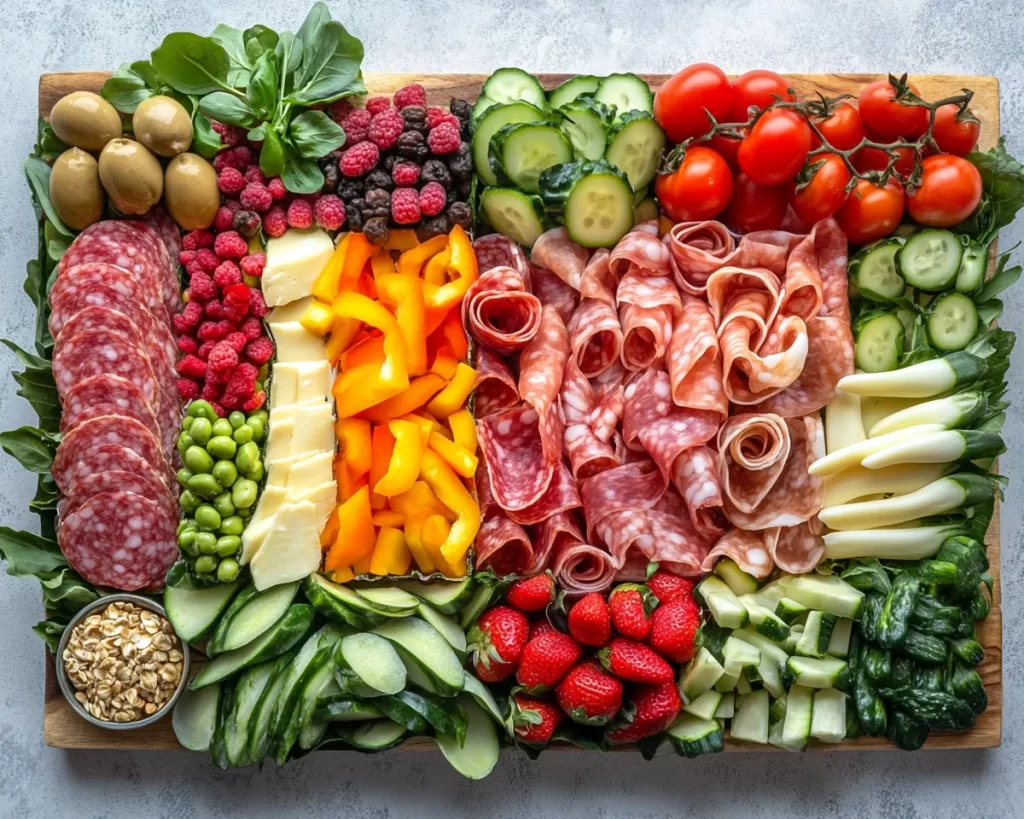
Spring is a time for fresh flavors, vibrant colors, and delightful gatherings, making it the perfect season for a charcuterie board. Picture yourself hosting friends or family, with an array of colorful ingredients spread out beautifully. This Spring Charcuterie Board Ideas with Spring Veggie Cups is not only visually appealing but also wonderfully tasty. Let’s dive into creating an exquisite spread that everyone will love!
What Is Spring Charcuterie Board Ideas with Spring Veggie Cups in 5 Steps?
A charcuterie board typically features a selection of cured meats, cheeses, fruits, nuts, and fresh vegetables arranged on a serving platter. However, when you add spring veggie cups, you take this elegant concept to a whole new level! These cups allow guests to enjoy fresh veggies in a handy and beautiful way, enhancing both the visual appeal and the taste experience. You can personalize your board with various ingredients, making it adaptable for all dietary preferences.
Why You’ll Love This
This recipe is a hit for several reasons:
– **Easy Preparation:** With just 5 steps, you can create a stunning charcuterie board that looks like a work of art.
– **Fresh Ingredients:** Spring is all about fresh produce, and your charcuterie board can feature seasonal vegetables and fruits.
– **Versatile Options:** You can customize your board to cater to various tastes, whether your guests prefer savory or sweet flavors.
– **Creative Presentation:** The inclusion of veggie cups adds a playful twist, making it more inviting, especially for kids and picky eaters.
– **Perfect for Any Gathering:** Whether it’s a picnic, baby shower, or casual dinner, this charcuterie board fits right in.
Ingredients You’ll Need
Here’s a straightforward list of ingredients for your spring charcuterie board:
- Assorted Cured Meats: Choose your favorites such as prosciutto, salami, and chorizo. These provide rich flavors that complement the fresh veggies.
- Cheese Varieties: Consider soft cheeses like brie or goat cheese alongside sharp cheddar or aged gouda to satisfy diverse palates.
- Fresh Vegetables: An assortment of snap peas, cherry tomatoes, radishes, and cucumbers for freshness.
- Seasonal Fruits: Add strawberries, blueberries, or apple slices for a sweet contrast to the savory elements.
- Nuts: Almonds or walnuts provide crunch and depth; they are also great for gluten-free solutions.
- Crackers or Breadsticks: Choose a mix of textures and flavors, from sourdough crisps to whole grain options for variety.
- Dip Options: Include hummus or creamy ranch dressing as a dipper for fresh vegetables.
How to Make
Creating your Spring Charcuterie Board is an enjoyable process. Follow these simple steps:
- Start with a large wooden board or platter. This sets the foundation for an inviting presentation. Make sure it’s clean and dry before arranging your ingredients.
- Next, arrange your cured meats. Fold or roll them elegantly to create a beautiful display. Vary the placement to achieve a dynamic look, placing different types of meat next to each other while allowing for an overlapping effect.
- After the meats, add cheese. Slice larger blocks and position them alongside the meats while leaving space for crackers and dips. This prevents crowding and enhances accessibility for your guests.
- Fill in the board with fresh vegetables. Use small cups or jars for your veggie cups, filled with hummus or ranch at the bottom and assorted veggies sticking out. This not only looks appealing but also allows easy serving.
- Finally, scatter nuts and fruits in the gaps to create a colorful mosaic effect. Ensure the nuts are toasted for added flavor. The mixture should look balanced and inviting, hinting at the delicious combinations guests can create.
Variations & Substitutions
Vegan Charcuterie Board: Swap out meats for plant-based options like marinated tofu or vegan deli slices. Include a variety of dairy-free cheeses, such as cashew-based or almond cheeses. Add a wider range of vegetables and fruits to complement the vegan spread.
Gluten-Free Board: Utilize gluten-free crackers and breadsticks, ensuring that all included dips are also gluten-free. Adding ingredients like olives and pickles can introduce bold flavors that appeal to everyone.
Kid-Friendly Version: Incorporate more fun items like cheese sticks, mini sandwiches using whole wheat bread, and a variety of fruit skewers. This approach engages children and encourages them to try a variety of foods.
International Theme: Feature Mediterranean ingredients with hummus, tabbouleh, and olives. You can also work in Asian-inspired items like sushi rolls or edamame for a unique world tour experience.
Seasonal Twist: Change up fruits based on what’s available. You might include peaches or nectarines in summer, which would provide balance as the season progresses.
Common Mistakes to Avoid
One common mistake is overcrowding the board. This can make it challenging for guests to serve themselves. Space out your ingredients, ensuring a balanced look that invites guests to explore.
Another issue is not considering flavors when pairing items. Ensure that the flavors complement one another. For example, pair sharp cheeses with fruity spreads or sweet fruits with savory nuts.
Finally, avoid using overly wilted or tired ingredients. Freshness is key to an appealing presentation. Always check your produce for quality, ensuring everything is vibrant and full of color.
Storage, Freezing & Reheating Tips
When it comes to storage, any leftovers must be kept in airtight containers in the fridge to maintain freshness. You can store meats and cheeses separately from the vegetables and fruits. Be mindful that once cut, the quality of some fruits can degrade, so it’s best to eat them sooner rather than later.
If you have veggies with dips, it’s better not to mix them, as the dips can cause the vegetables to become soggy. Also, avoid freezing your charcuterie board. Most items like cheese and fresh produce don’t hold up well in the freezer. Instead, aim to make just enough for your gathering to minimize waste and maximize flavor.
Frequently Asked Questions
Can I prepare the charcuterie board in advance?
Absolutely! You can slice cheeses, meats, and veggies in advance, then cover and refrigerate them. Assemble the board just before serving for the best visual appeal.
What’s the best way to serve a charcuterie board?
Provide small plates and toothpicks to make it easy for guests to serve themselves. Position the board in a central place, allowing easy access for everyone to share.
How do I choose the right meats and cheeses for my board?
Consider variety—choose at least one soft cheese, a hard cheese, and a flavorful cheese. For meats, offer different types such as prosciutto, salami, and chorizo for a well-rounded selection.
Is there a season for charcuterie boards?
Not at all! Charcuterie boards can be enjoyed all year round, but tailoring them to seasons allows for vibrant colors and fresh flavors that match the time of year.
Can I use leftovers for my next charcuterie board?
Certainly! Leftover meats and cheeses can be fantastic for a casual, improvised board. Just ensure they’re still fresh and handle leftovers in a way that maintains safety and flavor.
Conclusion: A Spring Charcuterie Board with Veggie Cups is not just a treat; it’s a canvas for creativity and a showcase of flavors. With the right ingredients and a bit of thought, you’ll create something beautiful and delicious for any occasion. Enjoy!