Prep time: 20 minutes
Cook time: 0 minutes
Total time: 20 minutes
Servings: 6
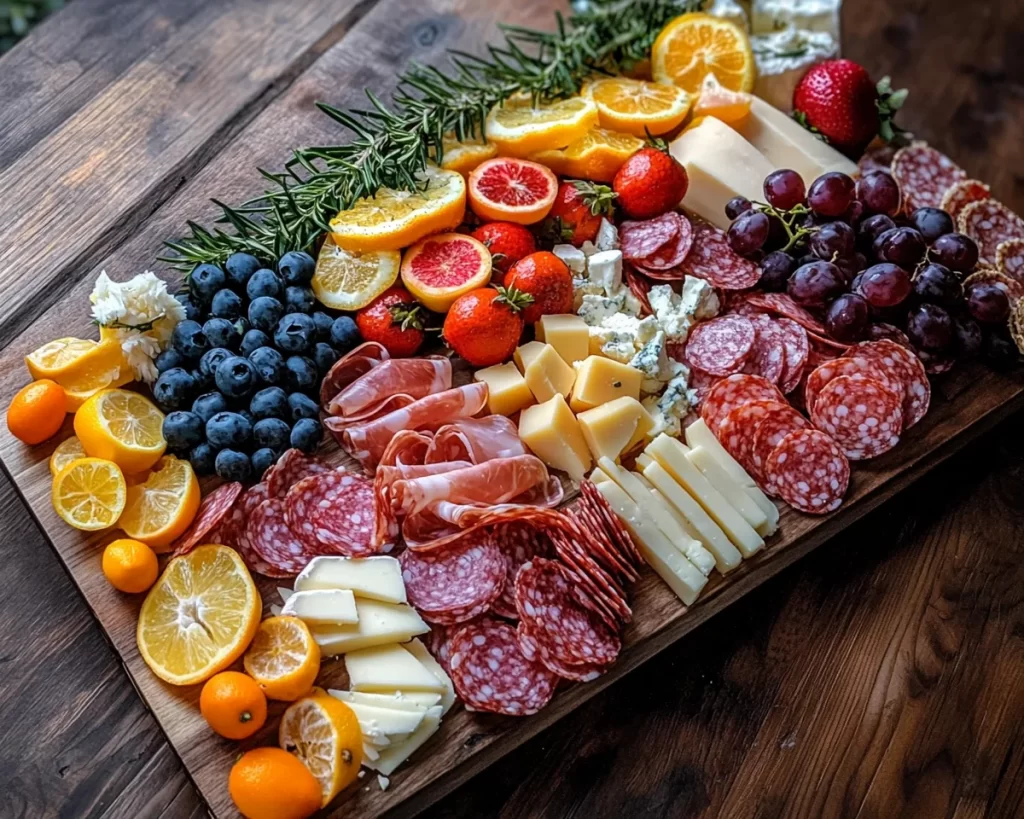
When it comes to entertaining and spring gatherings, a beautifully arranged charcuterie board featuring cheese and citrus is both eye-catching and delicious. This board is perfect for busy parents or those new to culinary arts, effortlessly impressing guests with a variety of colors and flavors. The bright, tangy citrus complements rich cheeses beautifully, making it an enticing dish for any occasion.
What Is Spring Charcuterie Board Ideas with Cheese & Citrus in 5 Steps?
A Spring Charcuterie Board is an artistic arrangement of cured meats, artisanal cheeses, and seasonal fruits, particularly citrus in this case. It offers not only a feast for the palate but also a visual delight. This board can serve as an appetizer or a light meal, catering to diverse taste preferences. The key to crafting an extraordinary charcuterie board lies in selecting the right ingredients and arranging them artfully.
Why You’ll Love This
This Spring Charcuterie Board is a celebration of spring flavors, making it an ideal choice for brunches, picnics, or casual get-togethers. The refreshing pops of citrus like oranges, lemons, and limes infuse vitality into the dish, while the selection of cheeses adds depth and richness. The beauty of this board is its versatility; you can customize it to suit your personal tastes or dietary restrictions. Plus, it requires minimal preparation, making it perfect for busy parents or anyone looking to impress without a lot of work. The tangy contrast of citrus with savory cheese creates an enticing combination that’s hard to resist.
Ingredients You’ll Need
- Various Cheeses: Choose a mix of hard and soft cheeses like aged cheddar, brie, and goat cheese for different textures and flavors.
- Cured Meats: Include selections like prosciutto, salami, or chorizo for savory undertones.
- Citrus Fruits: Oranges, lemons, and grapefruits add a fresh, zesty flavor that complements the richness of the cheese.
- Nuts: Almonds or walnuts provide crunch and contrast to the soft textures of cheese and fruits.
- Olives: Add a briny element to balance the sweetness of the fruits.
- Honey or Jam: A drizzle of honey or a few spoonfuls of jam can enhance the flavor profile.
- Crackers or Bread: Offer a variety of textures with crunchy crackers or slices of baguette.
How to Make
- Gather all your ingredients: Start by preparing all the components you’ll be using on your board. This includes cutting any cheeses into bite-sized pieces, slicing citrus fruits, and arranging them in bowls or on the board itself for easy access.
- Choose a base: Use a large wooden cutting board or a serving platter as your base. This will be the canvas for your charcuterie masterpiece.
- Arrange the cheeses: Place your cheeses on the board firstly. It’s visually appealing to mix hard and soft cheeses among different sections of the board. Remember to include cheese knives for serving.
- Add the cured meats: Curate a beautiful display with your chosen meats. Fold slices neatly or roll them into small bundles. Position them next to the cheeses for a harmonious look.
- Fill in with fruits and nuts: The citrus slices should be distributed around the board, filling gaps and enhancing color. Add your nuts and olives in small bowls or directly on the board to complete the arrangement. Drizzle honey or spoon jam over the cheese or in designated sections for a pop of sweetness.
Variations & Substitutions
Variation with Seasonal Vegetables: For those looking to add a healthful twist, consider including seasonal vegetables like radishes, cucumbers, and cherry tomatoes. These provide a fresh crunch and can be paired beautifully with the creamy cheeses. The vibrant colors enhance the board’s overall appearance while offering additional textures and flavors.
Variation for Vegan Options: If you are catering to a vegan audience, replace traditional cheeses with nut-based cheeses or seasoned tofu. Include an array of fruits, seeds, and olives, ensuring options are available for everyone at your gathering. This variation not only accommodates dietary restrictions but also presents a colorful and appealing display.
Variation for a Mediterranean Twist: Swap out some of the traditional ingredients for Mediterranean options. Include feta and kalamata olives alongside roasted red peppers and artichokes. A sprinkle of oregano or a drizzle of olive oil can also add a wonderful flavor dimension.
Common Mistakes to Avoid
One common mistake when preparing a charcuterie board is overloading it with too many ingredients. While variety is important, a cluttered board can be off-putting. Aim for balance and harmony on the board to maintain a visually appealing arrangement.
Another issue is not considering texture. If you include an abundance of soft cheeses, the board might lack variety. Mixing different textures—such as crunchy nuts with creamy cheeses—ensures a more enjoyable tasting experience.
Lastly, forgetting the accompaniments like crackers, honey, or jams can leave guests feeling underwhelmed. Don’t overlook these essential components that enhance the overall flavor profile and enjoyment of the board.
Storage, Freezing & Reheating Tips
A charcuterie board is best enjoyed fresh, but if you have leftovers, store them properly to maintain quality. Wrap any uneaten cheese or meats tightly in plastic wrap or store them in airtight containers; this prevents them from drying out. Citrus fruits can be kept in the refrigerator but should be used within a day or two to ensure freshness.
For freezing, it’s advisable to avoid freezing cheese and cured meats together as they may not thaw properly. However, some hard cheeses may survive the freezer well when wrapped well. When ready to serve again, allow everything to thaw in the refrigerator.
When reheating items like bread or crackers, place them in the oven for a few minutes to regain their crispness, ideally at low temperatures to prevent burning.
Frequently Asked Questions
What types of cheese are best for a charcuterie board?
The best cheeses to include are a mix of textures and flavors. Soft cheeses like brie or camembert add creaminess, while hard cheeses like aged cheddar bring depth. It’s also great to include a tangy option like goat cheese and a blue cheese for variety.
How do I choose the right fruits?
Seasonal fruits are ideal. Citrus fruits like oranges, grapefruits, and lemons not only add a pop of color but also complement the cheeses well. Consider including berries or apples for a sweet contrast.
Can I make a charcuterie board ahead of time?
Absolutely! You can prepare your charcuterie board a few hours before serving. Just keep it refrigerated and cover it with plastic wrap to maintain freshness. Allow it to come to room temperature for better flavor before serving.
How much should I prepare per person?
A good rule of thumb is to prepare about 3-5 ounces of cheese and 2 ounces of meat per person, along with an assortment of fruits and accompaniments. Adjust based on whether it is a main dish or an appetizer.
What can I do with leftover cheese and meats?
Leftover ingredients can be used in various ways. Incorporate them into salads, omelets, or sandwiches for exciting meals. These versatile components can elevate simple dishes into something special.
Conclusion: With a beautiful Spring Charcuterie Board featuring cheese and citrus, you have the perfect centerpiece for any gathering. It combines visual appeal with delightful flavors, ensuring an enjoyable experience for everyone at the table. Whether you stick to traditional ingredients or explore variations, this charcuterie board will undoubtedly be a crowd-pleaser.