Prep time: 15 minutes
Cook time: 45 minutes
Total time: 1 hour
Servings: 10
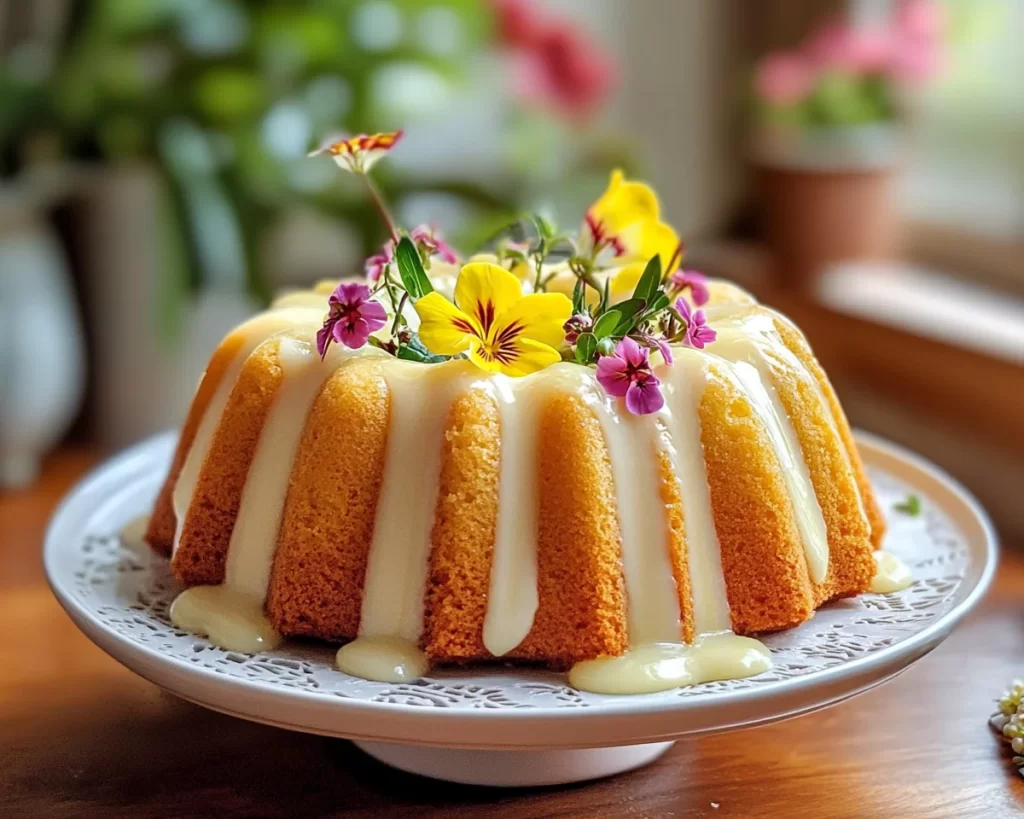
If you have ever bit into a fluffy, moist cake that practically bursts with flavor, then you are going to adore making this Spring Cake: Lemon Vanilla Bundt Cake. Imagine the delightful aroma of fresh lemons filling your kitchen while it bakes. It’s a true sensory experience that takes you straight to a sunny afternoon, whether you’re hosting a spring gathering or simply indulging as a sweet treat with a cup of coffee. This cake beautifully balances the brightness of lemon with the warm sweetness of vanilla, creating a harmonious blend that’s perfect for any occasion.
This recipe stands out not just because of its taste, but also because of its simplicity. You don’t need to be a seasoned baker to master this lemony delight; with easy-to-follow instructions, you’ll be whipping it up in no time. Throughout this article, I’ll guide you step-by-step, share some cooking tips, unveil variations, and tackle common questions that arise when making this delightful cake. So grab your apron, and let’s dive into the world of baking with this refreshing treat!
What Is Spring Cake: Lemon Vanilla Bundt Cake?
Spring Cake: Lemon Vanilla Bundt Cake has its roots in traditional bundt cake recipes, which often emphasize rich ingredients and deep flavors. However, this version is specifically designed to embrace the essence of spring and the zestiness that comes with it. The cake itself is tender and moist, thanks to the incorporation of sour cream and butter, which lend a velvety texture. The addition of freshly squeezed lemon juice and zest not only amplifies the taste but also infuses the cake with delightful fragrances.
The flavors of lemon and vanilla complement each other perfectly, resulting in an irresistible cake that shines at any gathering. The lemon adds a zesty tang that refreshes the palate, while the vanilla rounds it out with a sweetness that keeps you coming back for more. This cake is not just visually appealing but also light and airy, making it an ideal dessert for spring and summer gatherings. With each bite, you’ll experience a harmonious combination of flavors that transports you to a sunlit picnic or a charming tea party.
Why You’ll Love This
You will love this cake for many reasons. First and foremost, the taste is simply divine. The bright, zesty notes of lemon harmonize beautifully with the smooth sweetness of vanilla, making it a favorite among both kids and adults. Additionally, the texture is perfectly moist, so you won’t find it dry or crumbly, which can sometimes happen with cakes. The lightness of this bundt cake enhances its flavor, making it feel decadent without being overly indulgent.
Another reason you’ll appreciate this recipe is its simplicity. Even if you are a beginner in the kitchen, the instructions are straightforward, allowing you to create a bakery-worthy cake without any fuss. Plus, the ingredients are often staples in your pantry, meaning you can whip it up any time you have a craving or need to impress guests on short notice. Moreover, it’s budget-friendly and versatile—easily adaptable to various flavor preferences.
It’s important to highlight that many people shy away from bundt cakes because they are concerned about their complexity. However, this recipe is wonderfully forgiving, making it a fantastic option for novice bakers. As long as you follow the steps and pay attention to your ingredients, you are bound to succeed. Flavors can be adjusted to your liking, opening up avenues for creative exploration.
Ingredients You’ll Need
To create this delicious Spring Cake: Lemon Vanilla Bundt Cake, you will need the following ingredients:
- 2 ½ cups all-purpose flour – This is the base of your cake and gives it structure.
- 1 ½ cups granulated sugar – Provides sweetness to balance the tart lemon.
- 1 cup unsalted butter, softened – Adds richness and moisture to the cake.
- 1 teaspoon vanilla extract – Enhances the flavor profile with a warm, sweet note.
- 3 large eggs – Eggs help to bind the cake together and add moisture.
- 1 cup sour cream – Contributes to the cake’s moistness and tanginess.
- 2 tablespoons lemon zest – Provides intense citrus flavor without being overly tart.
- ¼ cup freshly squeezed lemon juice – Infuses the cake with bright, zesty flavors.
- 1 teaspoon baking powder – Helps the cake rise to create a light texture.
- ½ teaspoon baking soda – Works with the baking powder for additional lift.
- ½ teaspoon salt – Enhances all the flavors.
Each ingredient plays a pivotal role in achieving the distinct taste and texture of this bundt cake. For those who are constrained by dietary preferences, substitutes definitely exist. You could use Greek yogurt instead of sour cream for a lighter option. You might even consider using coconut oil or applesauce in place of some of the butter. The lemon zest is crucial, as it infuses intense flavor while keeping the cake light.
How to Make
Let’s break down the steps of creating your very own Spring Cake: Lemon Vanilla Bundt Cake. This cake is easy to handle, and each step will guide you through the process seamlessly.
- Preheat your oven: Start by preheating your oven to 350°F (175°C). Preheating is crucial as it ensures your cake bakes evenly. While the oven is warming, you can prepare the bundt pan.
- Prepare your bundt pan: Grease your bundt pan generously with butter or cooking spray to ensure the cake releases easily after baking. A dusting of flour can add extra assurance. Make sure to coat all the nooks and crannies, as this will help preserve the cake’s beautiful shape.
- Mix butter and sugar: In a large mixing bowl, beat the softened butter and granulated sugar together with an electric mixer or a whisk until the mixture is light and fluffy. This process usually takes about 3-5 minutes. The fluffy texture encourages air bubbles that provide lift and lightness to the cake.
- Add eggs and vanilla: Once the butter and sugar are well combined, add the eggs one at a time, ensuring each is fully incorporated before adding the next. Finally, mix in the vanilla extract. The batter should be smooth and creamy at this point.
- Combine dry ingredients: In a separate bowl, whisk together your all-purpose flour, baking powder, baking soda, and salt. This step is crucial to ensure an even distribution of the leavening agents, which helps the cake rise properly.
- Incorporate the sour cream and lemon: Gradually add the sour cream, lemon juice, and lemon zest to your wet mixture, alternating with the dry ingredients. Begin and end with the dry ingredients. This technique helps to keep the batter smooth and avoids overmixing.
- Pour batter into the bundt pan: Carefully pour the batter into the prepared bundt pan. Use a spatula to evenly distribute it and tap the pan lightly on the counter to remove any air bubbles. This will help prevent uneven rises and cracks.
- Bake your cake: Place the bundt pan in your preheated oven and bake for 40-45 minutes. Keep an eye on it during the last few minutes. To check for doneness, insert a toothpick into the center; it should come out clean or with a few moist crumbs attached.
- Cooling time: Once baked, remove the cake from the oven and let it cool in the pan for about 15-20 minutes. This allows it to set, making it easier to remove. After that, gently run a knife around the edges, then invert it onto a serving plate. Let it cool completely.
Taking these steps with care will make you feel like a professional baker. Pay special attention to the mixing stages; they are the backbone of your cake’s texture.
Variations & Substitutions
Citrus Medley Variation: You can elevate the Spring Cake by incorporating various citrus flavors. Instead of just using lemon, consider adding lime or orange zest to the batter. This creates a refreshing medley of flavors, perfect for those who love a fruity punch. Adjust the lemon juice quantity, as citrus can balance or conflict depending on personal preference. Using this variation will definitely make your cake stand out on a dessert table.
Gluten-Free Version: For those adhering to a gluten-free diet, simply swap the all-purpose flour with a 1:1 gluten-free flour mix. It’s essential to ensure that the mix includes xanthan gum, which helps mimic the structure that gluten would normally provide. You may need to test the baking time a bit, as gluten-free cakes can sometimes take slightly longer to bake.
Lower-Sugar Option: If you’re looking for a healthier alternative, reduce the sugar amount by up to half, or try using natural sweeteners like honey or agave syrup instead. This can be a great way to enjoy a sweeter treat without compromising your dietary needs. Remember that this will slightly alter the moisture and texture, so be prepared for some experimentation in terms of baking time.
Vegan Lemon Vanilla Bundt Cake: To make this cake vegan, you can replace the eggs with flaxseed or chia seed alternatives: use 1 tablespoon of ground flaxseed or chia seeds mixed with 2.5 tablespoons of water for each egg. For the sour cream, opt for a plant-based yogurt alternative. Substitute the butter with coconut oil or any vegan margarine to keep that lovely richness intact.
These variations allow for tremendous flexibility and can cater to different dietary needs while still delivering a cake that’s just as delightful as the original.
Common Mistakes to Avoid
Baking is both an art and a science. To help ensure that your Spring Cake: Lemon Vanilla Bundt Cake turns out perfectly, here are some common pitfalls you should avoid:
Not measuring ingredients properly: Accurate measurements are crucial when baking. Weighing your flour rather than using volume can be beneficial, as too much flour can lead to a dry cake. Always spoon flour into your measuring cup and level it off without packing it down.
Overmixing the batter: When incorporating the dry ingredients with the wet, mix just until combined. Overmixing can lead to tough and dense cakes. The gluten in the flour develops with excessive mixing, which may result in a chewy texture rather than a light and fluffy cake.
Not letting the cake cool properly: Cooling the cake in the bundt pan for the appropriate amount of time is important. If you remove it too quickly, it may break or stick to the pan. Ensure that you allow it to set for at least 15 minutes before inverting onto a plate.
Baking at the wrong temperature: Ensure that your oven is accurately calibrated. Baking at too low a temperature can yield a flat or undercooked cake, while baking at too high a temperature can cause the cake to cook unevenly. An oven thermometer could be an invaluable tool for ensuring perfect baking conditions.
Being mindful of these common mistakes will help you achieve a perfectly baked bundt cake every time.
Storage, Freezing & Reheating Tips
To maintain the freshness of your Spring Cake: Lemon Vanilla Bundt Cake, it’s essential to store it properly. Once the cake has completely cooled, cover it airtight with plastic wrap or aluminum foil, or place it in an airtight container. This will help maintain its moisture and flavor. Under ideal conditions inside your kitchen pantry, the cake can last for about 3–4 days.
If you have any leftover cake that’s not immediately consumed, freezing can be a great option. Slice the cake into individual pieces and wrap each one tightly in plastic wrap before placing them in a freezer-safe bag or container. Label the container with the date, and it will be good for up to 3 months.
When you’re ready to enjoy the frozen cake, simply thaw it overnight in the refrigerator, or take it out to room temperature for a couple of hours before serving. For those who prefer a warm slice, you can pop it in the microwave for about 10-15 seconds.
Proper storage techniques not only help keep your cake fresh but also help minimize food waste, making meal planning more efficient.
Frequently Asked Questions
Can I use bottled lemon juice instead of fresh?
While you can use bottled lemon juice in a pinch, fresh lemon juice provides a much brighter flavor. The zest of fresh lemons also adds aromatic oils that are missing in bottled juice. For the best results, always opt for fresh when possible; it makes a noticeable difference in taste.
How can I make sure my cake doesn’t stick to the pan?
A well-greased bundt pan is your best friend. Use ample butter or cooking spray to coat all surfaces, and don’t skimp on flouring after greasing. Additionally, allowing the cake to cool adequately before inverting it will reduce sticking risks. If you find it challenging, you can try using parchment paper for added security.
Can I add frosting to this cake?
Yes, you can! While the cake is delicious on its own, a lemon glaze made with powdered sugar and lemon juice can elevate it even further. Drizzle the glaze over the cooled cake to enhance flavor and provide an appealing finish. Alternatively, you could serve it with whipped cream or fresh berries for a delightful touch.
How do I know if my cake is done?
The best method is to conduct the toothpick test. Insert a toothpick into the center of the cake; if it comes out clean or with a few moist crumbs, it’s done. If it comes out with wet batter, return it to the oven for a few more minutes, checking for doneness regularly.
Can I make this cake ahead of time?
Absolutely! This lemon vanilla bundt cake actually tastes better the next day as the flavors meld together. You can bake it a day or two in advance, wrap it tightly, and store it at room temperature for short-term storage, or freeze it for longer preservation. Just allow for sufficient cooling time before storing.
Conclusion:
This Spring Cake: Lemon Vanilla Bundt Cake is an incredible addition to any dessert lineup, showcasing bright flavors, moist texture, and impressive presentation without the fuss. The recipe’s simplicity and versatility allow you to customize it to fit different tastes and dietary preferences, making it perfect for any gathering or just a cozy treat at home. So, whether you decide to enjoy it as is or try out the suggested variations and substitutions, I encourage you to get baking. Don’t forget to let your creativity shine through, and remember—sharing is caring, so invite your friends and family to join you in savoring this delightful cake! Happy baking!