Prep time: 30 minutes
Cook time: 45 minutes
Total time: 1 hour 15 minutes
Servings: 12
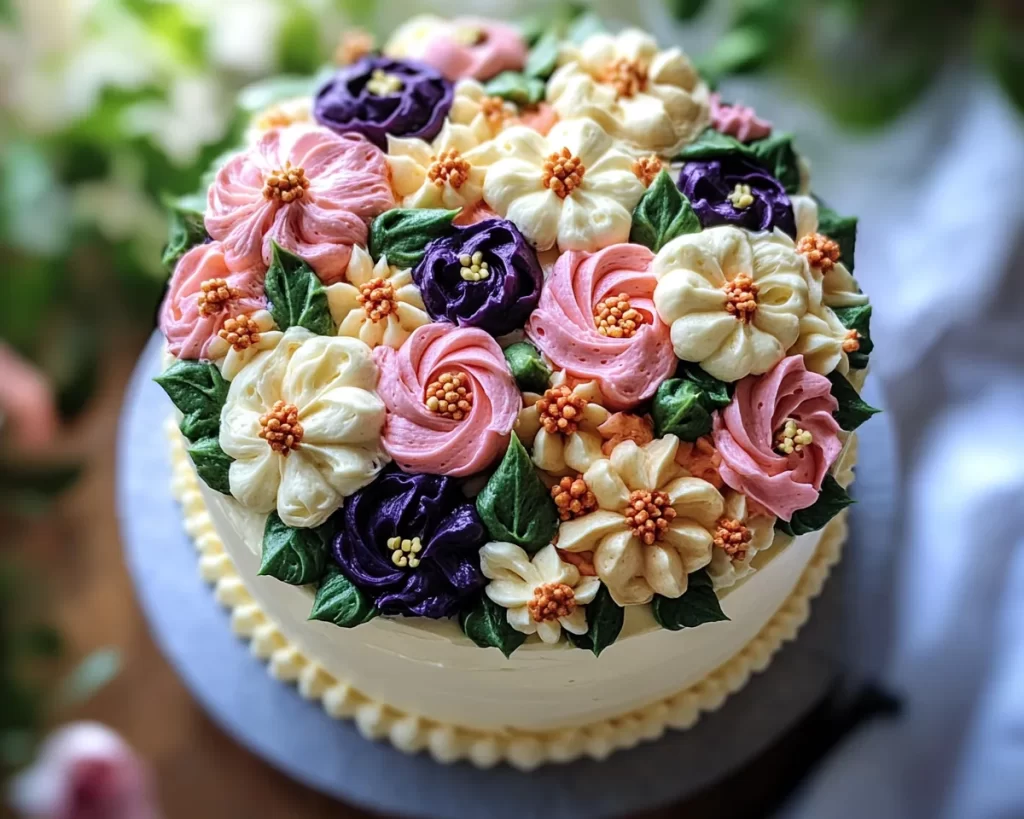
Creating a stunning cake that turns heads doesn’t require a culinary degree, especially when it comes to the Spring Cake Designs: Simple Buttercream Flowers Cake. This delightful cake is not just a feast for the eyes; it is also a treat for the taste buds. Imagine a soft, moist cake layered with rich buttercream adorned with exquisite buttercream flowers. Whether you are looking to impress guests at a garden party, celebrate a special occasion, or simply unleash your creative side in the kitchen, this cake is your go-to choice. In this article, you will learn how to master this beautiful cake, from the essential techniques to the small tips that can make a huge difference.
Spring cakes evoke the freshness of blooming flowers and sunny days. This beautiful dessert embodies the essence of spring, symbolizing rebirth and renewal, which is what we often feel during this season. The delicate buttercream flowers, in various pastel shades, bring a delightful touch to the cake, creating a visual treat that complements its flavors. In the following sections, you will gain a deep understanding of the ingredients, techniques, and creative tips that will help you not only bake this cake but also customize it to your liking.
What Is Spring Cake Designs: Simple Buttercream Flowers Cake?
The Spring Cake Designs: Simple Buttercream Flowers Cake is an enchanting dessert that showcases the beauty of buttercream artistry. Originating from classic cake-making traditions, this cake features a soft, fluffy texture made to perfection with all-purpose flour, sugar, eggs, butter, and baking powder. The cake is typically layered with a creamy buttercream frosting that can be flavored or colored to fit any occasion.
Buttercream, composed of butter and sugar, is whipped to cloud-like consistency, perfect for decorating cakes and cupcakes. The key to crafting stunning floral buttercream designs lies in achieving the right consistency—thick enough to hold its shape but smooth enough to pipe effortlessly. Moreover, the flavors can vary significantly based on the type of extract used—vanilla, almond, or citrus can all be incorporated to enrich the experience.
In this cake, the emphasis is placed not only on the aesthetics but also on flavor, with each slice offering a balance between sweetness and richness. Baking this cake is an excellent opportunity to unleash your inner artist while enjoying the rewarding process of both baking and decorating.
Why You’ll Love This
You will love this cake for its **delicious taste** and **visually stunning designs**. The combination of flavors and textures makes each bite a celebration on your palate. The moist cake paired with the creamy and decadent buttercream creates a perfect harmony that resonates with both children and adults alike. Additionally, the ease with which this cake can be decorated makes it ideal for bakers of all skill levels, from beginners to seasoned experts.
Another reason you’ll fall in love with this cake is its versatility. You can customize it for any occasion—be it a birthday, wedding, or simple family gatherings—by changing the colors or designs of the flowers. Misinterpretations that this cake could be arduous to create often deter bakers. However, with the right tools and guidance, even those new to baking can create stunning results. Don’t let the fear of intricate designs hold you back; each flower made with buttercream is a step toward cake decorating mastery.
Moreover, this cake can easily fit into various dietary preferences. By substituting certain ingredients, you can easily make a gluten-free or dairy-free version. This encourages a broader range of individuals to enjoy the sweet delight that the Spring Cake Designs: Simple Buttercream Flowers Cake offers.
Ingredients You’ll Need
To achieve a luscious Spring Cake Designs: Simple Buttercream Flowers Cake, gather these essential ingredients:
- 2 cups of all-purpose flour: This acts as the backbone of your cake structure. For a gluten-free option, consider using almond flour or a gluten-free blend.
- 1 ½ cups of granulated sugar: This adds sweetness and creates a tender crumb when creamed with butter.
- 1 cup unsalted butter, softened: Softened butter is crucial for whipping into the cake batter, contributing to its moistness.
- 4 large eggs: Eggs help bind the ingredients while adding richness; substitute with flaxseed meal for a vegan version.
- 1 cup of milk: Milk provides moisture; you may opt for almond or oat milk for a dairy-free alternative.
- 2 ½ teaspoons baking powder: This leavening agent encourages the cake to rise and achieve that desirable fluffiness.
- 1 teaspoon vanilla extract: Vanilla acts as a flavor enhancer; replace it with almond extract for a delightful twist.
- 3 cups powdered sugar: This is the key ingredient for creating the buttercream frosting.
- 2-3 tablespoons of heavy cream: Heavy cream can be adjusted based on the desired consistency of your buttercream.
- Food coloring (optional): Various colors can be used to create vibrant buttercream flowers.
Each of these ingredients plays an important role in crafting a cake that is both beautiful and delicious. Pay attention to the quality of ingredients, as they can significantly impact the final outcome. Always opt for **fresh** ingredients to ensure the best flavors and textures.
How to Make
Creating this stunning Spring Cake Designs: Simple Buttercream Flowers Cake can be achieved through the following step-by-step process:
- Preheat your oven: Set your oven to 350°F (175°C). This ensures the cake bakes evenly, allowing it to rise beautifully.
- Prepare your baking pans: Grease two 9-inch round cake pans with butter or cooking spray and line the bottom with parchment paper. This prevents the cakes from sticking and helps in easy removal.
- Mix dry ingredients: In a mixing bowl, whisk together the all-purpose flour, baking powder, and a pinch of salt. This not only aerates the flour but ensures that ingredients are evenly distributed.
- Cream the butter and sugar: Using a hand mixer or stand mixer, beat the softened butter and granulated sugar together until light and fluffy, about 5 minutes. This stage incorporates air into the mix, which helps the cake rise.
- Add the eggs one at a time: Incorporate each egg into the butter-sugar mixture, beating until each is fully combined before adding the next. The mixture should look pale and creamy at this stage.
- Blend in the vanilla extract: Mix in the vanilla extract until well combined; this adds a lovely aroma and flavor to the cake.
- Combine dry and wet ingredients: Gradually mix in the dry ingredients and milk, alternating between the two. Start and finish with the flour mixture. Mix until just combined to avoid overmixing, which can lead to a dense cake.
- Pour the batter into pans: Divide the batter evenly between the prepared cake pans, smoothing the top with a spatula. Ensure the batter is evenly spread to promote even baking.
- Bake the cakes: Place the pans in the preheated oven and bake for about 25-30 minutes. The cakes are done when a toothpick inserted in the center comes out clean.
- Cool the cakes: Once baked, take the cakes out and let them cool in the pans for 10 minutes. Then transfer them to a wire rack to cool completely. This helps the cake set properly while preventing sogginess.
- Prepare the buttercream: In a medium bowl, beat the softened butter until creamy. Gradually add the powdered sugar, mixing until well combined. Incorporate the heavy cream and mix until you reach a smooth, spreadable consistency. Adjust with more cream or sugar if necessary.
- Color the buttercream: If you want to create colored flowers, separate small portions of the buttercream into separate bowls and add food coloring as desired. Mix until you achieve vibrant colors for decoration.
- Assemble the cake: Place one cake layer on a serving plate. Spread a generous layer of buttercream frosting on top, smoothing it out with an offset spatula. Add the second layer of cake on top and frost the top and sides of the entire cake.
- Decorate with flowers: Using a piping bag fitted with different piping tips, pipe out buttercream flowers on the top of the cake. There are various techniques to explore; practice makes perfect! Use different colors to add a dimension of beauty.
- Let it set: Once decorated, let the cake sit for at least 30 minutes before slicing, allowing the buttercream to set. This also helps the flavors meld together.
- Serve & enjoy: Slice into the cake and serve it at your next gathering, enjoying the beautiful artwork along with the delicious flavor. Your efforts will be rewarded as your guests marvel at your creation.
By following these detailed steps, you can ensure a successful baking experience. Remember to have fun throughout the process and don’t hesitate to customize your cake according to your preferences.
Variations & Substitutions
Gluten-Free Variation: If you want to make this cake gluten-free, substitute all-purpose flour with a gluten-free blend. Ensure that the blend contains xanthan gum to help maintain the cake’s structure. The flavor may vary slightly, but the cake will remain enjoyable and moist. You can also use almond flour for a nutty flavor and added moisture.
Dairy-Free Variation: To create a dairy-free cake, replace the butter with a plant-based margarine or coconut oil, and use almond or coconut milk in place of regular milk. The richness of the buttercream can still be achieved using dairy-free alternatives. It’s essential to check the labels of the products, ensuring they align with your dietary preferences.
Chocolate Variation: Create a chocolate cake by incorporating ½ cup of unsweetened cocoa powder into the dry ingredients. This not only adds a rich chocolate flavor but also turns the cake into a delightful treat for chocolate lovers. You can pair the chocolate cake with the same buttercream or a chocolate buttercream frosting for an added layer of indulgence.
Citrus Addition: Add enhancements to the cake by introducing citrus zest, such as lemon or orange, into the batter. This makes the overall flavor refreshing and lively, perfect for a springtime dessert. Adjust the sugar level slightly to accommodate the tanginess of the citrus zest.
Flower Decorating Variation: While the simple buttercream flowers are beautiful, consider exploring other flower designs like roses or daisies. Different piping tips can create unique floral textures. You can also use fresh edible flowers, like pansies or violets, for decoration, adding a lovely touch while keeping the cake edible.
Common Mistakes to Avoid
Attempting to rush any cake baking process is a common mistake. It’s crucial to ensure that all ingredients are at room temperature before starting; this affects how well they incorporate and can lead to lumps or a denser cake.
Another pitfall is overmixing the batter. Once the wet and dry ingredients are combined, mix just until you see streaks of flour; excess mixing can develop gluten, resulting in a dense cake instead of a light and fluffy one.
Finally, timing is everything. Make sure to keep an eye on your cake as it bakes. Every oven behaves differently; a cake can go from perfectly baked to overdone in mere minutes. Use the toothpick test, inserting it in the center to check for doneness, and rely on visual cues like a lightly golden top.
Storage, Freezing & Reheating Tips
For **storage**, keep the Spring Cake Designs: Simple Buttercream Flowers Cake at room temperature in an airtight container for up to 3 days. If you need to store it longer, refrigeration is also an option, although be wary of the buttercream getting slightly hard.
To **freeze** the cake, wrap it tightly in plastic wrap, followed by aluminum foil. Properly stored, it can last for up to 3 months. When you’re ready to enjoy, let it thaw in the refrigerator overnight before bringing it to room temperature.
**Reheating** is not recommended because the textures may change. However, if you are longing for that fresh-baked flavor, consider slicing a piece and gently warming it in the microwave for 10-15 seconds; this also helps soften buttercream slightly.
Always practice good food safety by ensuring your ingredients are fresh and maintaining proper temperature gradients during the storage of your cake.
Frequently Asked Questions
Can I make this cake ahead of time?
Yes, you can prepare the cake layers in advance and store them in the fridge or freeze them. Assemble and decorate the cake on the day of serving for the best flavor and presentation.
What causes my buttercream to be too runny?
If your buttercream is too runny, it might be due to the addition of too much cream or liquid. To fix this, gradually add more powdered sugar until you reach your desired consistency.
Can I use fresh flowers for decoration?
Absolutely! However, be sure that the flowers are **edible** and free of pesticides. Using edible flowers can add an elegant touch, provided you properly research which types are safe to consume.
How do I achieve vibrant colors in my buttercream?
Utilizing gel food coloring instead of liquid is the best way to achieve vibrant colors without altering the consistency of your buttercream. Start with a small amount and gradually add more until you reach your preference.
Is it possible to make this a layered cake?
Definitely! Layered cakes are a fantastic way to showcase your decorating skills. Simply bake additional layers and alternate them with buttercream or filling of your choice.
Conclusion:
The Spring Cake Designs: Simple Buttercream Flowers Cake is an impressive yet approachable dessert perfect for celebrating spring’s beauty. With this detailed guide, you have all the tools necessary to craft an exceptional cake that will wow your family and friends. Embrace your creativity while baking, and don’t hesitate to personalize this cake to suit your taste. Enjoy the journey of creating this masterpiece, and remember, the best part about baking is sharing delicious moments with those you love. Now grab your apron, fill your kitchen with good aromas, and dive in!