Prep time: 30 minutes
Cook time: 45 minutes
Total time: 1 hour 15 minutes
Servings: 8
There’s something undeniably captivating about springtime, the vibrant colors, the fresh blooms, and of course, the seasonal treats that celebrate the warmth and renewal that the season brings. Spring Cake Designs focused on a *minimalist spring cake aesthetic* has the power to bring that energy into your kitchen. Imagine a cake that mirrors the beauty of blossoming flowers and the gentle breezes of spring. This cake isn’t just a feast for the eyes; it embodies a delightful medley of flavors and textures that evoke the very essence of the season. Here, you’ll learn how to create this simplistic yet elegant cake that will surely become a crowd favorite for any spring gathering.
What truly makes this cake stand out is its ability to combine effortless elegance with a refreshing taste. Its light sponge and delicate flavors serve as a perfect canvas for various toppings—think fresh fruits, subtle icing, and edible flowers that beautifully reflect the minimalist aesthetic. As you move through this recipe, I will share practical cooking tips, delightful variations, and all the pieces you need to create your very own spring cake masterpiece.
What Is Spring Cake Designs: Minimalist Spring Cake Aesthetic?
The *Spring Cake Designs: Minimalist Spring Cake Aesthetic* is more than just a dessert; it’s a *celebration of nature*. Originating from the idea of embracing seasonal ingredients and simple yet artful presentations, this cake often features light flavors such as citrus or almond, which complement the seasonal ingredients. The texture is typically a soft sponge, airy and moist, allowing it to blend harmoniously with the toppings that often include fresh fruits and delicate cream frosting.
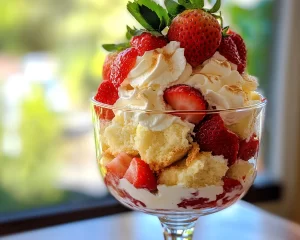
In terms of flavor, this minimalist cake emphasizes freshness. Imagine biting into a piece that bursts with the natural sweetness of strawberries or the zesty brightness of lemon. Each slice is light, making it an ideal dessert after a hearty spring meal or as part of a lavish afternoon tea. The attention to detail in presentation, such as the arrangement of fruits and floral designs, transforms this cake into a canvas that reflects the themes of simplicity and beauty inspired by spring.
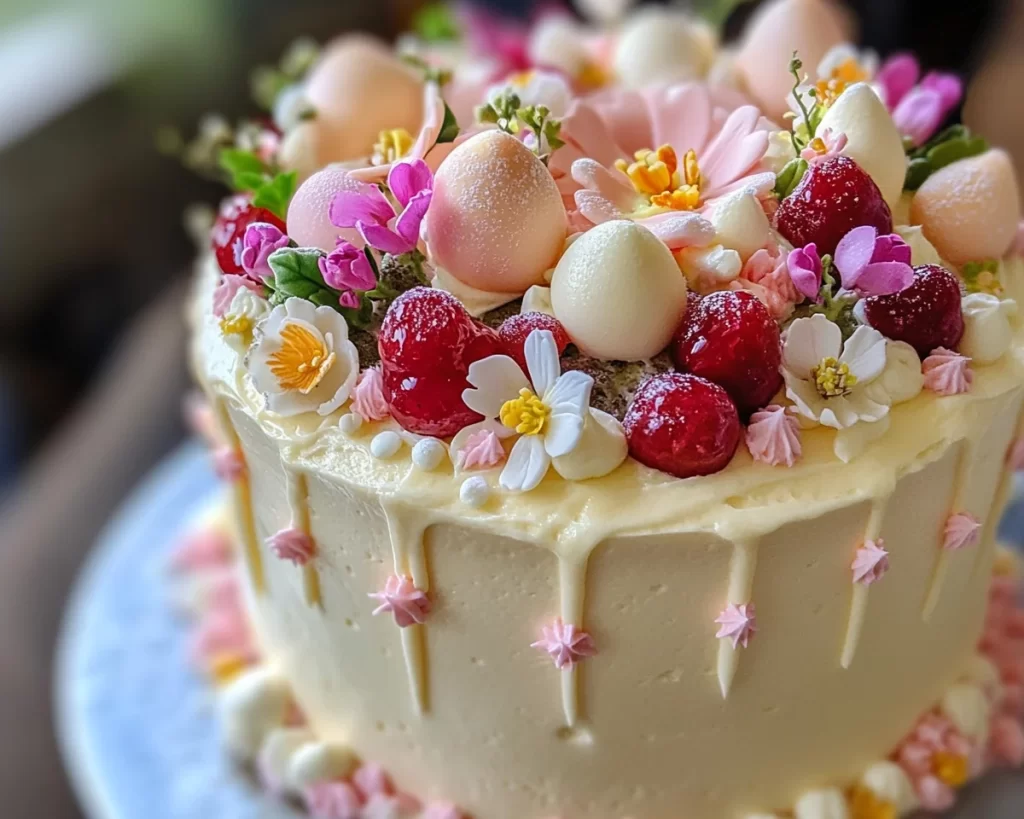
The visual appeal of the *minimalist spring cake* is vital, as it draws on the aesthetics of spring. Simple designs often use seasonal colors like pale pastels and earthy tones, allowing the natural beauty of fresh ingredients to shine through. When you decide to take on this recipe, you won’t just be baking; you’ll be creating a work of art that may serve as a centerpiece for any spring celebration.
Why You’ll Love This
This cake is not just easy to make; it’s a delightful option for various occasions, from birthday parties to brunches with friends. The delightful taste combined with a *light texture* means it won’t leave your guests feeling heavy or overly indulgent. You’ll appreciate the versatility of this cake, as it easily adapts to various dietary needs and preferences, allowing you to use gluten-free or vegan substitutes if necessary.
Another compelling reason to love this recipe is its affordability. Most of the ingredients are basic pantry staples, which means you can create a stunning dessert without breaking the bank. This is particularly important for busy parents or anyone looking to stick to a budget while still impressing their guests. Often, the common misconception is that a beautifully designed cake must involve complicated techniques and expensive ingredients. However, this spring cake defies that stereotype by showcasing that simplicity can be equally impressive and satisfying.
Moreover, the minimalist approach allows for easy customization. One of the strengths of this cake is that you can adapt it to fit different flavor profiles or dietary restrictions. Whether you prefer a vanilla base with fresh berries or a lemon-infused sponge topped with edible flowers, this cake provides a platform for creativity in your kitchen.
Ingredients You’ll Need
- All-purpose flour: This is the base of your cake, contributing to its structure. If you are looking for a gluten-free option, consider using almond flour or a gluten-free baking blend.
- Sugar: Both granulated and powdered sugar can be used. Granulated sugar will give the cake sweetness, while powdered sugar is best for frosting.
- Baking powder: Essential for leavening your cake, ensuring it rises beautifully. Double-check that yours is fresh for optimal results.
- Salt: Just a pinch enhances the flavor of the cake, balancing the sweetness.
- Unsalted butter: Provides richness and moisture. For dairy-free alternatives, coconut oil or plant-based butter work well.
- Eggs: They add structure and stability. If you need a vegan option, you can substitute one egg with a flaxseed egg (1 tablespoon ground flaxseed + 3 tablespoons water).
- Vanilla extract: Offers a warm flavor that enhances the cake’s overall taste. Use pure vanilla for the best results.
- Milk: Adds moisture to the batter. You can replace it with almond milk or oat milk for a dairy-free option.
- Fresh fruits: Strawberries, raspberries, or any seasonal berries work beautifully for decoration and flavor.
- Edible flowers: These add a stunning decorative touch and can elevate the cake’s aesthetic significantly.
Each of these ingredients plays a crucial role in the cake’s flavor and texture. Ensuring quality ingredients will elevate your final product and create a cake that not only tastes divine but looks like a masterpiece ready for sharing.
How to Make
- Start by preheating your oven to 350°F (175°C), and prepare a round cake pan by greasing it lightly with butter and dusting it with flour. This helps to prevent the cake from sticking to the pan.
- In a large mixing bowl, combine the dry ingredients: all-purpose flour, sugar, baking powder, and salt. Whisk them together to ensure they’re evenly mixed, which is crucial for the cake’s texture.
- In a separate bowl, cream the butter until it’s light and fluffy. This can take about 5 minutes with a hand mixer. Add the eggs one at a time, mixing well after each addition, followed by the vanilla extract. The mixture should be smooth and creamy.
- Gradually add the dry ingredients to the wet ingredients while alternating with milk. Mix until just combined—be careful not to overmix as this can lead to a dense texture.
- Pour the batter into the prepared cake pan, smoothing the top with a spatula. Bake in the preheated oven for about 30-35 minutes or until a toothpick inserted into the center comes out clean. Keep an eye on the time, as every oven can be slightly different.
- Once baked, let the cake cool in the pan for about 10 minutes before transferring it to a wire rack to cool completely. This prevents condensation from building up at the bottom of the cake.
- Once the cake has cooled, it’s time to frost. A simple whipped cream or a light buttercream frosting works best. Spread it evenly over the top of the cake, and be generous with the decorations if using fruits and edible flowers for that minimalist spring aesthetic.
- Slice the cake, serve it on a beautiful plate, and watch everyone marvel at your stunning creation. The fresh lemon or berry fragrances should fill the air, inviting everyone to dive into this delightful spring treat.
Creating this *minimalist spring cake* is a fulfilling process. Aim for a soft, airy sponge, and remember that baking is a delightful journey; enjoy each step!
Variations & Substitutions
Lemon Spring Cake Variation
For those who enjoy a citrusy twist, consider adding the zest of one lemon to your batter and replacing part of the milk with lemon juice. This change creates a refreshing flavor profile that balances well with the sweetness of the frosting and fruits. It’s perfect for anyone looking to incorporate more fruity flavors into their dessert. When transitioning to this variation, the resulting cake will not only boast a beautiful lemon-y aroma but will also complement berry toppings exceptionally.
Gluten-Free Variant
If you require a gluten-free option or want to accommodate guests with dietary restrictions, simply replace all-purpose flour with a gluten-free flour blend. Ensure the baking powder is also gluten-free. The texture might differ slightly, so consider adding a tablespoon of xanthan gum to bind the ingredients for better results.
Vegan Variation
To create a fully vegan spring cake, substitute the eggs with a flaxseed egg (as mentioned above), use plant-based butter, and opt for unsweetened almond milk instead of regular milk. You can also substitute the powdered sugar in the frosting with coconut cream for a lighter, dairy-free frosting option. This adaptation still yields a moist and flavorful cake while making it suitable for plant-based diets.
Berry Blush Spring Cake
Infuse your cake batter with pureed raspberries or strawberries for a gorgeous, blush color. This variation adds a touch of sweetness and fruity flavor straight into the cake. Additionally, consider using chia seeds soaked in water as a replacement for eggs, giving the cake added nutrients and a unique taste.
Chocolate Spring Cake
For chocolate lovers, replace about ¼ cup of the flour with cocoa powder, creating a rich and earthy flavor that pairs beautifully with lighter toppings like whipped cream and fresh fruits. The contrast of chocolate and the freshness of spring produces an exciting take on this traditional cake.
Each variation leads to a unique version of the *spring cake design*, allowing you to cater to different preferences and dietary needs while still celebrating that minimalist aesthetic.
Common Mistakes to Avoid
One of the most frequent mistakes when baking is overmixing the batter; this can lead to a dense, *heavy cake* instead of the desired airy consistency. Always mix the batter until just combined, and if you see a few lumps, that’s perfectly okay.
Another common error is not preheating the oven sufficiently. Baking at the right temperature is crucial to ensure that the cake rises correctly. Additionally, using an incorrect flour measurement can change the cake’s texture dramatically. Always spoon the flour into the measuring cup and level it off with a knife instead of scooping it directly from the bag.
Finally, be mindful of the cooling process. If you leave the cake in the pan too long, it may become soggy. Conversely, transferring it to the rack immediately can cause it to break apart. Allow it to rest briefly before making the switch.
Keeping these tips in mind will help you avoid common pitfalls and ensure a beautifully baked spring cake everyone will love.
Storage, Freezing & Reheating Tips
To keep your spring cake fresh, it’s vital to store it correctly. If you plan to eat it within a few days, store it tightly wrapped in plastic wrap at room temperature, particularly if it’s unfrosted. For frosted cakes, it’s best to keep them in the refrigerator to prevent the frosting from melting or becoming too soft. Ensure you cover it well with plastic or aluminum foil to prevent drying out.
If you have leftover cake, you can freeze it for up to three months. To do this, slice the cake into portions and wrap each piece tightly in plastic wrap, followed by aluminum foil for added protection. When you’re ready to enjoy it, let it thaw in the refrigerator overnight.
For reheating a slice, avoid the microwave, as it may dry out the cake. Instead, consider warming it gently in a preheated oven at a low temperature (around 300°F), placing it in for about 10-15 minutes. This will help maintain the cake’s texture while bringing back the freshness.
Practice good food safety by ensuring that the cake is stored in a clean, airtight container, especially if you’re adding fresh fruits or dairy-based frostings.
Frequently Asked Questions
Can I make this cake in advance?
Absolutely! This cake can be made a day in advance, making it perfect for gatherings. Simply bake, cool, and store it covered in the refrigerator. Frost the cake on the day you are ready to serve it to maintain its freshness.
What can I substitute for fresh fruits in this recipe?
If seasonal fruits are unavailable, you can use frozen fruits instead. Just ensure they are completely thawed and drained of excess moisture before using them as a topping. Alternatively, you can use dried fruits or even chocolate ganache if you want to swap out the fresh elements.
Can this cake be made as cupcakes instead?
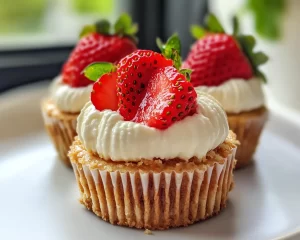
Yes, this recipe can easily be adapted for cupcakes. Just line a muffin tray with cupcake liners, fill them about two-thirds full with the batter, and reduce the baking time to about 15-20 minutes. Keep an eye on them to avoid over-baking.
What makes a cake rise perfectly?
The key to a well-risen cake lies in the balance of leavening agents and the creaming of butter and sugar. Ensure that your baking powder is fresh and follow the mixing instructions closely. Also, be cautious not to open the oven door frequently, as this can cause the temperature to fluctuate.
How can I achieve a smoother frosting finish on my cake?
For a smoother finish, consider chilling the cake before frosting to firm it up. For the frosting itself, give it a good whip until it’s light and airy. Use an offset spatula to spread the frosting evenly, and a hot knife will help smooth out any rough edges.
Conclusion:
In creating the *Spring Cake Designs: Minimalist Spring Cake Aesthetic*, you’re not just preparing a delightful dessert; you’re embracing the essence of spring. This recipe is rich in taste, light in texture, and flexible enough to cater to various dietary needs. Whether you choose traditional flavors or opt for personal variations, this cake encourages creativity in the kitchen and offers an opportunity to spotlight beautiful seasonal ingredients.
I encourage you to try this recipe, customize it to fit your preferences, and share it with loved ones during your next gathering. Delight in the act of baking and serve a slice of spring to your family and friends. Happy baking!