Prep time: 30 minutes
Cook time: 40 minutes
Total time: 1 hour 10 minutes
Servings: 12
There’s something undeniably enchanting about a beautifully layered cake, especially when it comes to celebrating a special occasion like a spring birthday. Imagine a light, fluffy cake with the crisp notes of lemon perfectly intertwined with the rich and creamy flavor of vanilla. That’s precisely what the Spring Birthday Cake: Lemon Vanilla Layer Cake brings to the table. It’s a showstopper that can evoke nostalgia or create new memories, making it an ideal centerpiece for birthdays or festive gatherings.
This recipe is not only about the taste; it’s about the experience. You’ll learn how to create a delicate cake with just the right balance of sweetness and tanginess that will have your guests coming back for seconds. You will also discover tips to ensure a smooth baking experience, variations to cater to different palates, and answers to common questions so you can make this cake a staple in your repertoire.
What Is Spring Birthday Cake: Lemon Vanilla Layer Cake?
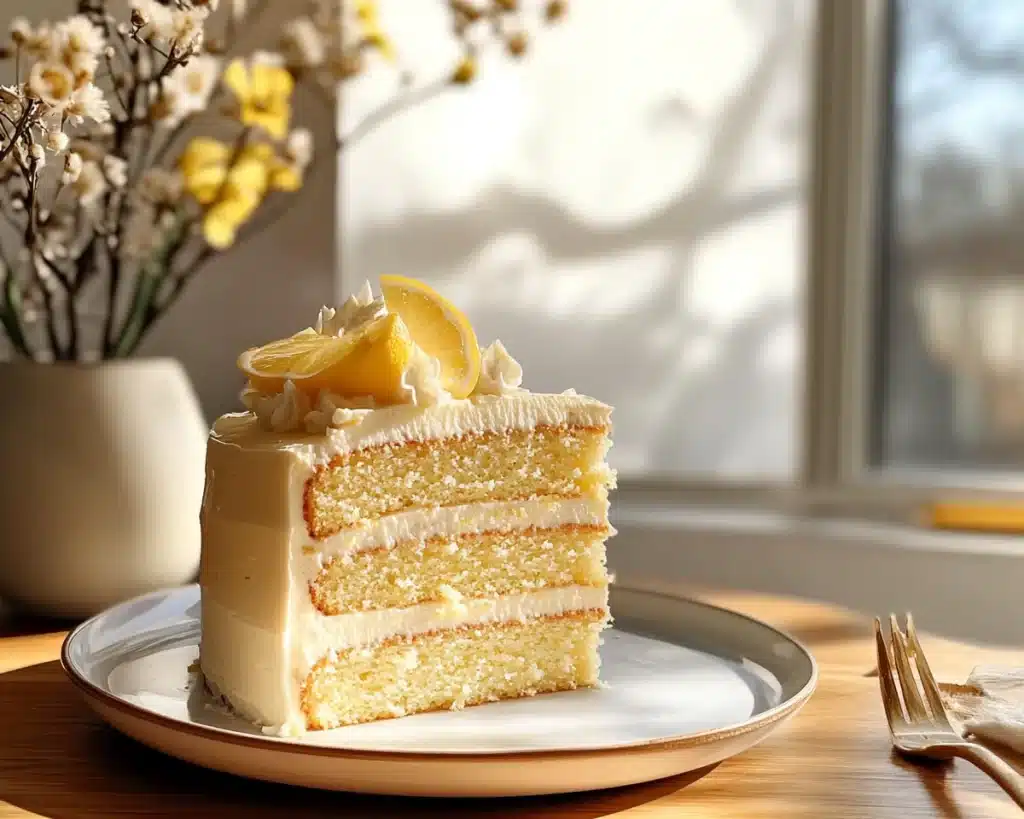
The Spring Birthday Cake: Lemon Vanilla Layer Cake is a delightful multi-layered cake that perfectly embodies the essence of spring. Traditionally, this cake consists of three to four layers of soft, moist vanilla cake infused with fresh lemon zest. The layers are stacked with a creamy lemon buttercream that not only amps up the flavor but also adds a beautifully rich texture, creating a sensory delight with every bite.
The origins of this cake can be traced back to classic layer cakes that were popularized in the early 20th century. However, this version has been adapted to incorporate seasonal ingredients, offering a lightness that is perfect for springtime celebrations. The flavor profile is refreshingly vibrant, combining the light tartness of lemon with the warm sweetness of vanilla, ensuring it’s not overwhelming but rather a refreshing treat that brightens up any occasion.
Lemon, in particular, lends a natural brightness and acidity which counteracts the sweetness of the cake, while the vanilla provides a familiar comfort. The texture of the cake is soft and fluffy, making it easy to slice and serve. It’s not only about how it tastes but also how it looks. Traditionally adorned with fresh fruits or edible flowers, this cake is as much a feast for the eyes as it is for the palate.
Why You’ll Love This
There are countless reasons to fall in love with the Spring Birthday Cake: Lemon Vanilla Layer Cake. First and foremost is its exquisite flavor. The pairing of lemon and vanilla creates a balanced taste that is light yet satisfying, making it perfect for any spring gathering. You won’t have to worry about trying to impress guests with complicated baking techniques. This recipe is straightforward and perfect for enthusiastic beginners and seasoned bakers alike.
Moreover, the cake is versatile and can serve a variety of dietary needs. You can easily substitute ingredients for gluten-free flour or use a vegan buttercream if necessary, ensuring that no one is left out of enjoying this delicious treat. Cost-wise, this cake is reasonably budget-friendly, requiring mainly pantry staples. You will find that it is not only a delightful dessert but also an economical choice for big gatherings or family-friendly celebrations.
By focusing on fresh ingredients and vibrant flavors, you also make a healthier choice compared to many rich, chocolate-based cakes. In fact, lemon is high in vitamin C and has numerous health benefits. However, there are a few common misconceptions about making layer cakes. Many believe that a perfectly moist cake is challenging to achieve, but with proper techniques and following this recipe, you’ll find it to be more accessible than you think. You’ll discover tips and tricks as you continue in this guide.
Ingredients You’ll Need
To create this lovely Spring Birthday Cake: Lemon Vanilla Layer Cake, you will need the following ingredients:
- 2 ¾ cups all-purpose flour – Provides the structure of the cake. You may substitute with gluten-free flour if needed.
- 2 ½ teaspoons baking powder – Acts as the leavening agent, helping the cake rise.
- ½ teaspoon baking soda – Works with the baking powder for a lighter texture.
- ½ teaspoon salt – Enhances the flavors.
- ¾ cup unsalted butter, softened – Adds richness and moisture. Store-bought vegan butter can be used for a dairy-free version.
- 2 cups granulated sugar – Sweetens the cake and helps with the golden crust.
- 4 large eggs – Provides structure and moisture. You can use flax eggs as a plant-based alternative.
- 1 tablespoon fresh lemon zest – Adds bright flavor; use organic lemons if possible.
- 1 tablespoon pure vanilla extract – Infuses the cake with a comforting flavor.
- 1 cup milk – Adjusts the batter’s consistency; almond or oat milk can be substituted.
- 2 cups powdered sugar – Essential for creating the lemon buttercream.
- ½ cup lemon juice (freshly squeezed if possible) – Brings a beautiful tartness to both the cake and buttercream.
- 1 tablespoon lemon zest (for the buttercream) – Enhances the lemon flavor.
- Additional fruit or edible flowers for decoration (optional) – Adds a lovely visual touch.
Each ingredient plays an important role in achieving the cake’s unique flavor and texture. While it’s possible to switch out some ingredients, ensure that you are mindful of how these changes can affect not just taste, but also the cake’s overall structure.
How to Make
Making the Spring Birthday Cake: Lemon Vanilla Layer Cake can be a rewarding experience. Just follow these step-by-step instructions:
- Preheat your oven to 350°F (175°C). It’s crucial to preheat your oven properly to ensure even baking. This is the first step to creating a beautifully baked cake.
- Prepare your cake pans by greasing them with butter and dusting them with flour or using parchment paper. This will prevent the cake from sticking, ensuring your layers come out cleanly.
- In a large mixing bowl, combine the dry ingredients – flour, baking powder, baking soda, and salt. Whisk them together. Incorporating air into the mixture at this stage helps distribute the leavening agents evenly.
- In another bowl, cream the softened butter with granulated sugar using an electric mixer on medium speed until light and fluffy. This step infuses air into the butter, which is vital for the cake’s fluffiness.
- Add the eggs, one at a time, making sure to mix thoroughly after each addition. This process will incorporate air and create a smooth batter. Scrape down the sides of the bowl as needed.
- Mix in the lemon zest and vanilla extract. This is where the magic begins, as the aromatic oils from the zest will add brightness to the batter.
- Gradually add the dry ingredients to the butter mixture, alternating with milk. Begin and end with the flour mixture. Mix until just combined to avoid overworking the batter, which could lead to a dense cake.
- Divide the batter evenly between the prepared pans. You can use a kitchen scale for accuracy. The more evenly your layers bake, the easier it will be to assemble your cake.
- Bake in the preheated oven for about 30–35 minutes or until a toothpick inserted into the center comes out clean. Keep an eye on your cakes during the last few minutes, as oven temperatures can vary.
- Once baked, remove the cakes from the oven and let them cool in the pans for 10 minutes. Then, turn them out onto a wire rack to cool completely. Cooling is vital to prevent the cake from becoming soggy when frosting.
- While the cakes cool, prepare the lemon buttercream. In a mixing bowl, combine softened butter and powdered sugar, mixing on low until incorporated. Slowly add the lemon juice and zest; beat on medium-high speed until fluffy and well combined. Taste, and if you want more lemon flavor, add additional zest or juice.
- Once your cakes are completely cool, level the tops with a serrated knife to ensure stable layers. Place the first layer on a cake stand or serving plate. Spread a generous layer of lemon buttercream on top, followed by the second layer of cake.
- Repeat the process with additional layers, if using, and crumbling up excess cakes on the top layer for added texture. Apply a crumb coat (a thin layer of frosting) all over the cake and refrigerate for 20 to 30 minutes to set. Finally, add a thicker layer of frosting all over the cake.
- Decorate with fresh fruits or edible flowers to bring a vibrant, spring-like look to your cake. This last step will not only enhance presentation but also add extra flavor and visual appeal.
- Slice, serve, and enjoy! Each bite should deliver a delightful balance of lemon and vanilla, leaving everyone wanting more.
With these detailed steps, even beginners can confidently face their fears of baking layered cakes. Just take your time with each step and savor the process!
Variations & Substitutions
Gluten-Free Variation: If you are sensitive to gluten or choose to follow a gluten-free diet, consider using a gluten-free all-purpose flour blend. Brands such as Bob’s Red Mill or King Arthur offer great substitutes that can work seamlessly in cakes. It is essential to check for xanthan gum in your flour mix, as it helps mimic the chewy texture of traditional flour.
Vegan Vanilla Lemon Layer Cake: To create a vegan version of this delightful cake, substitute the eggs with flax eggs (1 tablespoon of ground flaxseed mixed with 2.5 tablespoons of water per egg) and use a plant-based butter for the frosting. Almond milk or coconut milk work wonderfully instead of dairy milk. This version retains the delicious flavors without compromising on texture, making it perfect for plant-based diets.
Berry Lemon Layer Cake: You can enhance the cake by mixing fresh or frozen berries like raspberries or blueberries into the batter. This will create a lovely pop of color and an extra layer of flavor. To incorporate berries, reduce the cake’s some dry ingredients by about ¼ cup, depending on the amount of berries used. For a topping, try adding a thin layer of preserves between the layers for added tartness.
Citrus Medley Layer Cake: Embrace a variety of citrus flavors by combining orange and lime zest with the lemon. This variation will layer on the complexity of flavors while retaining the sweetness of the vanilla. A mix of different citrus fruits provides an unexpected twist that intrigues your taste buds.
Healthy Lemon Layer Cake: If you’re watching your sugar and calorie intake, you can replace granulated sugar with coconut sugar or a sugar substitute like erythritol. Additionally, you can use Greek yogurt in the buttercream instead of butter to provide creaminess without excessive fat content. This version still provides that refreshing lemon flavor without the guilt!
Common Mistakes to Avoid
Baking is as much a science as it is an art, and certain common mistakes can derail your Spring Birthday Cake: Lemon Vanilla Layer Cake. One major issue is overmixing the batter. While it can be tempting to whip the batter until it’s perfectly smooth, overmixing incorporates too much air, resulting in a dense, tough cake. Focus on mixing until just combined; lumps are okay!
Another pitfall is not properly measuring your flour. Flour can be packed into the measuring cup, leading to too much flour in your batter. For best results, spoon the flour into a measuring cup and level it off with a knife for accuracy. This simple adjustment can dramatically change your cake’s texture.
A third mistake is underbaking the cake. Each oven can vary in temperature, so it’s essential to check on your cake a few minutes before the suggested baking time is up. A toothpick test is your best friend; when it comes out clean or with a few crumbs, your cake is ready. Burnt or overly dry cakes tell a different story, so keep an eye out!
Lastly, not letting the cake layers cool completely can lead to a mushy cake. Patience is your true ally here; allow your layers to cool at room temperature before frosting. If you put warm cake layers together or frost when it’s not fully cooled, you risk melting your buttercream and ending up with a soupy mess.
Storage, Freezing & Reheating Tips
Once you’ve mastered the art of this beautiful Spring Birthday Cake: Lemon Vanilla Layer Cake, you may find yourself with leftovers. To store the cake, simply keep it in an airtight container at room temperature for up to 3 days. If you live in a particularly humid area, consider refrigerating it to maintain texture.
For longer storage, you can freeze the cake. Slice it into manageable portions and wrap each piece tightly in plastic wrap, followed by a layer of aluminum foil. This will prevent freezer burn and keep the cake fresh for about 2-3 months. When you’re ready to enjoy, remove the slices and let them thaw in the fridge overnight or at room temperature for a few hours.
If you wish to reheat pieces of the cake, a brief microwave session (about 10-15 seconds) will warm it enough to regain that fresh-out-of-the-oven feel without altering its texture too much.
Keep in mind that food safety is crucial; always keep an eye on any leftover cream. If your cake has a lemon buttercream frosting, it’s best to store it in the refrigerator if you don’t plan on consuming it within a few days.
Frequently Asked Questions
Can I make this cake ahead of time? Yes, absolutely! You can bake the cake layers a day in advance and store them in the refrigerator. Once cooled, wrap them tightly in plastic wrap to keep them fresh. Assemble the cake the day you plan to serve it for the best flavor.
Can I use bottled lemon juice instead of fresh? While you technically can use bottled lemon juice, fresh lemon juice is highly recommended. Fresh juice offers a brighter, more vibrant flavor that elevates the cake. If you want the best flavor, always go for fresh!
What’s the best type of frosting for this cake? The classic pairing of lemon buttercream is perfect, but you could explore alternatives. Cream cheese frosting adds a wonderful tanginess that works beautifully too. Additionally, a simple whipped cream topping can provide a light finishing touch for those warm spring evenings.
Is it possible to layer different flavors in this cake? Absolutely! You can turn this cake into a layered flavor phenomenon by alternating layers with chocolate, orange, or even strawberry. This adds an element of surprise and can cater to different preferences at gatherings.
How can I make my cake more visually appealing? Decorating is key to a gorgeous cake presentation. Besides frosting, consider topping your cake with fresh fruit, edible flowers, or candied lemon slices. A sprinkle of powdered sugar on top can also give a lovely finishing touch that highlights the spring vibe.
Conclusion:
The Spring Birthday Cake: Lemon Vanilla Layer Cake is not just any dessert; it’s an emotional centerpiece for your special occasions. With its layers of zesty lemon and rich vanilla, this cake celebrates the beauty of spring and the warmth of gathering with loved ones. So go ahead—roll up your sleeves, gather your ingredients, and let your creativity shine. Don’t hesitate to modify and make this recipe your own, whether it’s through flavors or decoration. As you slice into your creation, remember that every bite brings a piece of joy, and it’s a wonderful way to celebrate life’s special moments. Happy baking!