Prep time: 15 minutes
Cook time: 20 minutes
Total time: 35 minutes
Servings: 4
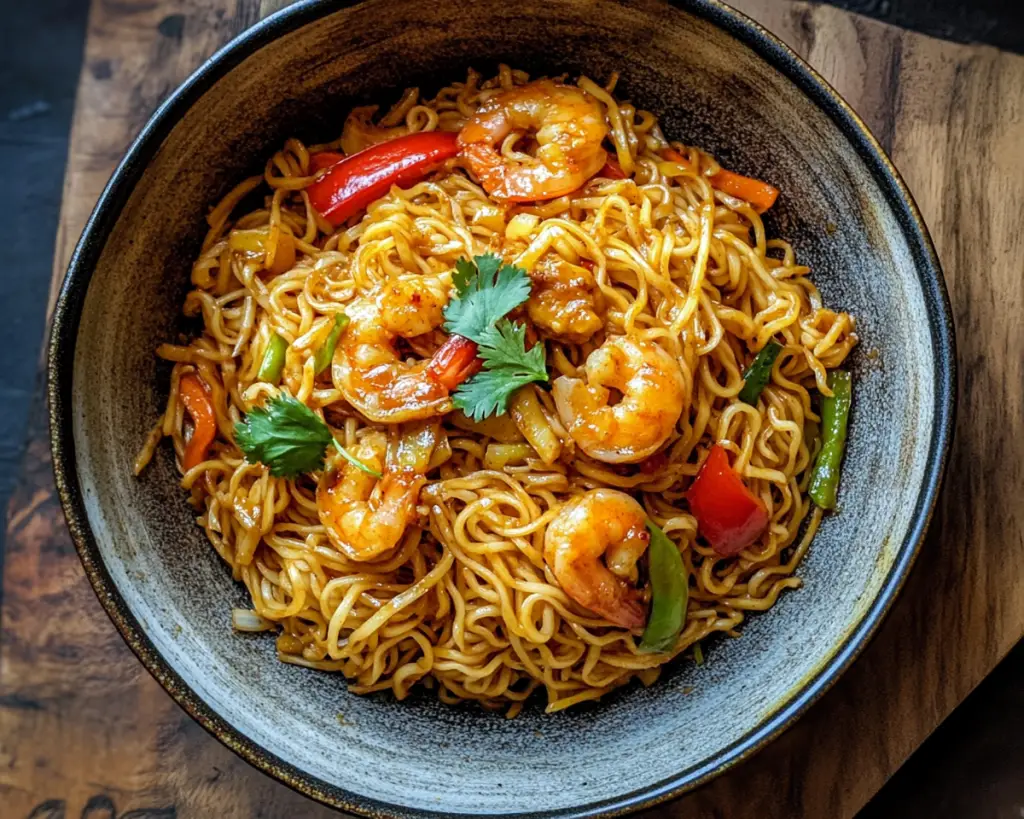
There’s something uniquely delightful about digging into a bowl of Singapore Noodles. Those vibrant yellow strands, tossed lovingly with a medley of fresh vegetables, succulent shrimp (or your preferred protein), and fragrant curry, create an irresistible dish that transports your taste buds straight to Southeast Asia. This recipe is not just a meal; it’s an experience, evoking memories of bustling street markets and the aroma of spices wafting through the air.
What makes this dish special is its combination of flavors and textures. The sweet notes of curry mingle with the crunch of fresh vegetables, while the chewy noodles hug every ingredient, creating a symphony of taste in every bite. You’ll learn not just how to prepare this dish easily at home but also discover tips for customizing it to suit you or your family’s preferences, making it a go-to recipe for busy weeknights or special gatherings.
What Is Singapore Noodles (Flavorful Curry Stir-Fry Noodles)?
Singapore Noodles, despite their name, are actually not from Singapore at all. This popular dish, believed to have originated in Chinese cuisine, particularly from Chinese restaurants outside of China, showcases a non-traditional blend of flavors that captures the essence of Southeast Asian cooking. The star of this dish is the thin rice vermicelli noodles, which are notable for their light texture. Once cooked, they absorb the flavors of the ingredients they are paired with, creating a delightful balance.
The dish is marked by its signature yellow hue, which comes from the addition of curry powder. This not only gives the noodles their vibrant color but also infuses them with a warm, spicy undertone. The combination of crispy vegetables like bell peppers and onions, along with proteins like shrimp or chicken, adds a satisfying crunch and depth to the meal. You might find that the addition of soy sauce and other seasonings makes every noodle a burst of flavor, turning a simple dinner into a delightful feast.
Why You’ll Love This
This recipe for Singapore Noodles stands out for a myriad of reasons. First, it’s incredibly flavorful, fulfilling your cravings for something savory and spicy without overwhelming your palate. The dish is versatile; you can use whichever protein or vegetables you have on hand, making it an excellent option for clearing out the fridge.
Another benefit is its simplicity and speed. In just 35 minutes, you can prepare a meal that rivals many dishes from takeout menus, saving both time and money. Plus, this dish can easily be modified to suit a variety of dietary needs, from being vegetarian to accommodating gluten-free requirements with the right noodle choice.
Many people often think that creating an authentic-tasting Asian dish at home requires a complex list of ingredients or skills. However, this recipe busts that myth by showing you that delicious food doesn’t have to be complicated. It’s all about the balance of flavor, texture, and method—easy enough for beginners, yet sophisticated enough for experienced home cooks.
Ingredients You’ll Need
- Rice Vermicelli Noodles: These thin noodles are the base of the dish. Look for them in the Asian section of your grocery store. You can substitute with other noodles, but avoid thick varieties that don’t absorb flavors well.
- Curry Powder: The star spice that gives the dish its unique flavor. Feel free to use a blend that suits your spice tolerance. You can find various blends ranging from mild to hot.
- Shrimp or Chicken: Your choice of protein. Shrimp cooks quickly, absorbing the flavors wonderfully, while chicken adds heartiness. If you’re vegetarian, tofu is a great substitute.
- Bell Peppers: Their sweetness balances the spices. You can use any color; red and yellow are sweeter, while green adds a slight bitterness.
- Onion: Sautéed onions provide a rich base flavor. You can replace yellow onions with red or shallots for a milder taste.
- Carrots: Adds a lovely crunch and sweetness. You can use fresh or frozen, although fresh will give a better texture.
- Garlic: Minced garlic infuses the dish with an aromatic quality. Fresh is best, but pre-minced can save time.
- Peas: These give a pop of color and sweetness. Substitute with other vegetables based on what you have at hand.
- Soy Sauce: This adds depth and umami flavor. For a gluten-free version, opt for tamari.
- Sesame Oil: A finishing touch that provides a nutty aroma. Avoid heating it too much to preserve its flavor.
How to Make
- Begin by preparing the rice vermicelli noodles according to the package instructions. Typically, they require soaking in hot water for about 10 minutes. The goal is to make them tender but not mushy, so keep an eye on them. Once done, drain and set aside, tossing with a bit of oil to avoid sticking.
- In a large pan or wok, heat a tablespoon of sesame oil over medium heat. Once hot, add the minced garlic and sliced onions, stirring frequently until fragrant, which should take about 1-2 minutes. Garnishing your dish with fresh aromatics sets the base flavor, enhancing the overall profile.
- Add your choice of protein—shrimp or chicken. If using shrimp, sauté until they turn pink and opaque (about 2-3 minutes). For chicken, cook through until no longer pink, which will take around 5-7 minutes. This step is crucial because undercooked protein can spoil your dish and could also lead to food safety issues.
- Next, toss in the bell peppers, carrots, and peas, mixing everything well. Continue to sauté for an additional 3-4 minutes. The vegetables should be tender yet firm, giving a wonderful crunch that complements the noodles.
- Sprinkle in the curry powder and soy sauce, stirring to combine. Let everything cook for about 1 minute to allow the flavors to meld together nicely. You’ll notice the vibrant colors deepening, and the aroma will start to fill your kitchen, making it hard to resist.
- Finally, add the prepared noodles directly to the pan. Toss everything together gently, ensuring the noodles are well-coated with the sauce and vegetables. This step is key to prevent any of the noodles from clumping together. Cook for an additional 2-3 minutes, allowing the dish to heat through completely.
Variations & Substitutions
Vegetarian Singapore Noodles: If you’re looking to reduce meat consumption, consider substituting shrimp or chicken with tofu or tempeh. Marinate your tofu in a little soy sauce and sesame oil before frying it until golden. This variation not only maintains protein content but also offers a unique texture that soaks up flavors beautifully.
Spicy Singapore Noodles: For heat lovers, add sliced jalapeños or Thai chili peppers during the sautéing process. This variation gives the dish an extra kick that pairs wonderfully with the savory notes. Make sure to adjust the curry powder based on your spice level after testing the initial flavor.
Seafood Singapore Noodles: Expand your protein selection by using a mix of seafood, such as scallops or calamari, alongside shrimp. This variation adds a delightful complexity to the dish as different seafood brings their own unique flavors and textures, making it even more exciting to enjoy.
Gluten-Free Version: To accommodate gluten-sensitive diets, simply replace soy sauce with a gluten-free version, such as tamari, and choose rice noodles specifically labeled gluten-free. This ensures that all the flavors remain intact without compromising taste or texture.
Loaded Singapore Noodles: Feel free to increase your vegetable quota by adding broccoli, zucchini, or snap peas. This variation not only enhances nutritional value but also improves the overall crunch factor, making it visually appealing as well. More veggies mean more colors and textures, which can transform the dish into a scrumptious delight.
Common Mistakes to Avoid
One common mistake when preparing Singapore Noodles is overcooking the rice vermicelli noodles. If they sit in hot water too long, they turn mushy, resulting in a clumpy dish. Be sure to follow the package instructions closely and rinse them under cold water after draining to stop the cooking process.
Another frequent error is using too much curry powder. While flavor is key, an excessive amount can easily overpower the other ingredients and leave an unpleasant aftertaste. Start with a moderate amount and taste as you go, adjusting to your personal preference for spice.
Not cooking ingredients in the correct order can also affect the dish’s overall success. Protein should always go in before the vegetables to ensure proper cooking. Under-cooked shrimp or chicken can lead to food safety issues, while overcooked vegetables result in a loss of that desirable crunch.
Lastly, failing to toss the noodles well with the other ingredients can lead to an uneven distribution of flavors. Take care to ensure that every noodle is nicely coated with curry and sauce for the perfect bite.
Storage, Freezing & Reheating Tips
For optimal storage, allow any leftovers to cool completely before transferring them to an airtight container. Singapore Noodles can be safely stored in the refrigerator for up to 3 days. When reheating, it’s best to add a splash of water or broth to the pan to prevent the noodles from drying out.
If you plan on freezing the dish, remember that the texture of the noodles may change slightly once thawed, but they still remain delicious. For maximum freshness, consume the dish within two months of freezing. Thaw in the refrigerator overnight before reheating on the stovetop over medium heat.
When reheating, always ensure that the dish reaches an internal temperature of 165°F (74°C) to eliminate any food safety concerns. Stir regularly to ensure even heating, and feel free to add a dash of soy or sesame oil to enhance flavors as needed.
Frequently Asked Questions
Can I use other types of noodles for Singapore Noodles? Yes, while rice vermicelli is traditional, you can use other noodles like udon or soba. Just consider the cooking time and follow package instructions accordingly; the flavor profile will change slightly, but the dish will still be delicious!
How spicy is Singapore Noodles? The spice level largely depends on how much curry powder and additional spices you use. If you prefer a milder flavor, start with a small amount of curry powder and gradually add more to suit your taste.
What else can I add to Singapore Noodles? You can customize your dish by adding an array of proteins and vegetables. Options such as bell peppers, shrimp, chicken, broccoli, or even peanut butter for creaminess can elevate the dish’s flavor and texture.
Is there a vegetarian option for this recipe? Absolutely! You can easily make this dish vegetarian by using tofu as your sole protein source and including a variety of vegetables. This not only maintains the dish’s integrity but also enhances its nutritional content.
What can I serve with Singapore Noodles? Singapore Noodles are versatile and can be enjoyed on their own, but they can also be served alongside a refreshing cucumber salad or spring rolls. These side items complement the flavors perfectly and add a crunchy texture to your meal.
Conclusion:
In conclusion, this recipe for Singapore Noodles provides a fast, flavorful, and customizable dish that fits any occasion. Whether you are looking for a busy weeknight dinner or a dish to impress guests, this one definitely has you covered. Don’t hesitate to try your hand at this delightful recipe. Customize it based on your preferences, and share it with loved ones to spread the joy of cooking. With its vibrant flavors and beautiful presentation, Singapore Noodles are sure to become a staple in your kitchen!