Prep time: 15 minutes
Cook time: 25 minutes
Total time: 40 minutes
Servings: 4
Scalloped potatoes are a comfort food classic, and when you combine them with the vibrant flavors of butternut squash and aromatic sage, you create a dish that’s not only delicious but also visually stunning. This recipe takes just 40 minutes, making it perfect for busy evenings when you want something hearty yet simple. Whether you’re a kitchen beginner or a seasoned cook, you’ll find that this dish is approachable and satisfying. Let’s dive into the specifics of this scrumptious recipe.
What Is Scalloped Potatoes: Butternut Squash and Sage Scalloped Potatoes in 40 Minutes?
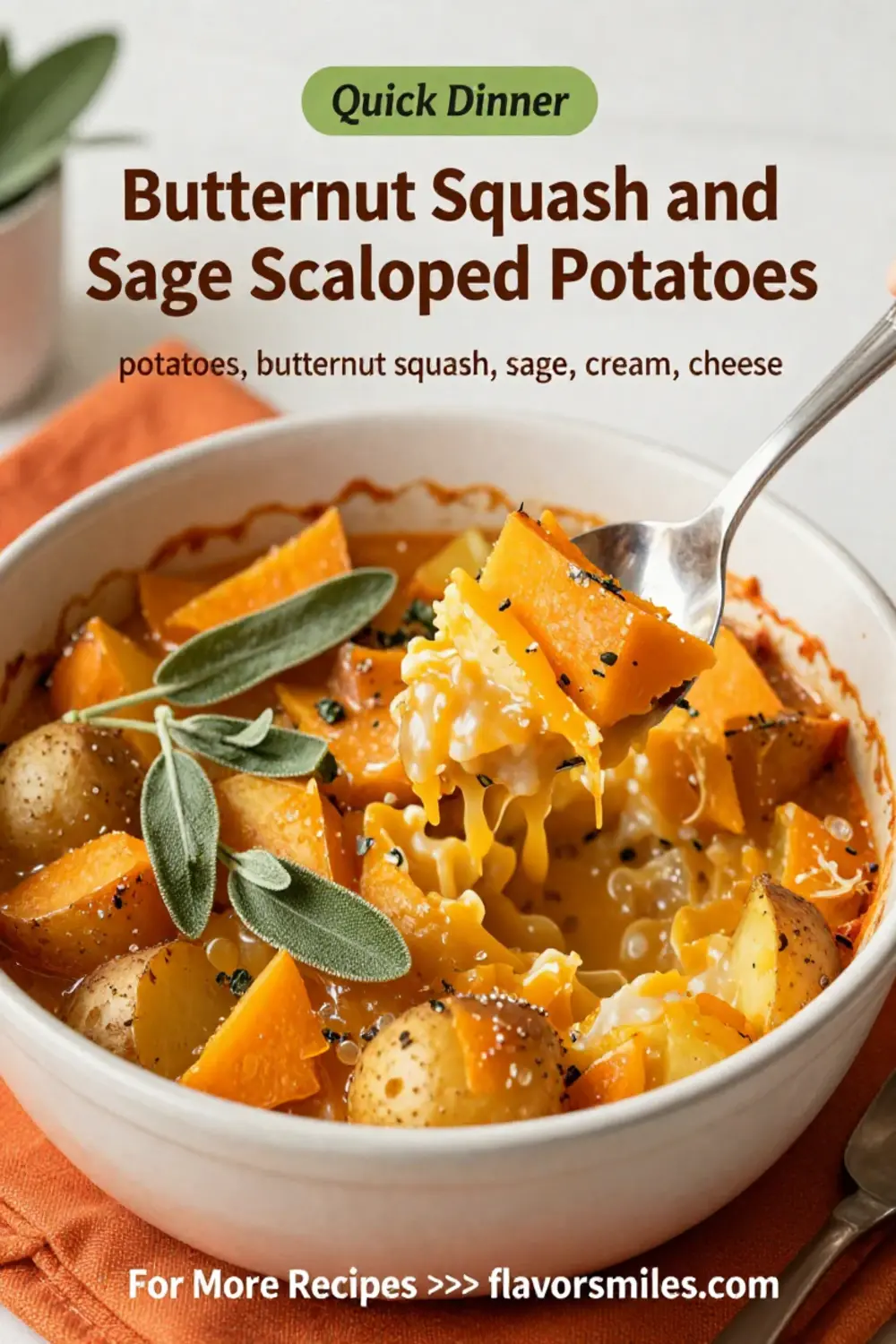
This version of scalloped potatoes incorporates layers of tender, thinly sliced butternut squash and potatoes, baked with a creamy sauce infused with sage. This classic dish is baked until bubbling and golden, producing an irresistible contrast between the creaminess of the sauce and the soft, tender vegetables. The result is a dish that is rich in flavor and perfect for any occasion.
Why You’ll Love This
You will adore this dish for many reasons. First, the combination of butternut squash and potatoes offers a lovely balance between sweet and savory flavors. The sage adds an enchanting herbal note that elevates the entire dish. Not only is it delicious, but it’s also a feast for the eyes, making it a fantastic addition to any holiday table or family dinner. Plus, the fact that it can be made in just 40 minutes means you can enjoy a decadent meal without spending all day in the kitchen.
Ingredients You’ll Need
- 4 medium-sized potatoes, thinly sliced — These will provide the classic scalloped texture. Yukon Gold or russet potatoes work well for their creaminess and flavor.
- 1 small butternut squash, peeled and sliced — This adds a sweet, nutty flavor that complements the potatoes.
- 2 cups heavy cream — For a rich sauce that binds the dish together.
- 1 teaspoon dried sage — This herb adds an aromatic depth that’s essential in this recipe.
- 1 teaspoon garlic powder — For an added layer of flavor.
- Salt and pepper to taste — Essential for enhancing all the flavors in the dish.
- 1 cup grated cheese (optional, such as cheddar or Gruyère) — For a cheesy topping that helps create a delicious crust.
How to Make
- Preheat your oven to 375°F (190°C). This is crucial for ensuring that the layers of potatoes and butternut squash cook evenly and thoroughly.
- In a mixing bowl, combine the heavy cream, dried sage, garlic powder, salt, and pepper. This will be your creamy sauce, so make sure to whisk it well until everything is combined.
- In a greased baking dish, begin layering the ingredients. Start with a layer of potatoes, followed by a layer of butternut squash, then pour a portion of the cream mixture over the top. Repeat this layering process until all ingredients are used, finishing with a layer of potatoes topped with the remaining cream.
- If you’re using cheese, sprinkle it generously over the top layer. This will help create a golden, bubbly crust as it bakes.
- Cover the dish with aluminum foil and bake in the preheated oven for about 20 minutes. This initial steaming phase helps soften the vegetables.
- After 20 minutes, remove the foil and continue baking for an additional 10 to 15 minutes until the top is golden and bubbly. The potatoes should be tender when pricked with a fork.
Variations & Substitutions
Cheesy Spinach Variation: If you’re looking to add some greens, consider incorporating spinach into your layers. Sauté fresh spinach in a pan with a bit of olive oil until wilted. By adding cheese to this variation, you elevate the flavors even further. The creamy texture pairs wonderfully with the spinach, making each bite flavorful and nutritious.
Sweet Potato Alternative: If you’re a fan of sweet potatoes, feel free to swap out regular potatoes for sweet ones. This variation offers a lovely sweetness that complements the butternut squash. Adjust the seasoning slightly, as sweet potatoes may require a touch more salt to balance their natural sweetness.
Herb Blend Variation: Feel free to play with herbs! If sage isn’t quite your style, consider using thyme or rosemary instead. Fresh herbs can be very impactful; just remember to chop them finely to distribute the flavor evenly through the creamy sauce.
Common Mistakes to Avoid
One common mistake is **not slicing the vegetables thinly enough**. The key to perfectly cooked scalloped potatoes is achieving even thickness for optimal cooking. Use a mandoline if available for consistent slices.
Another pitfall is **skipping the initial covered baking**. Covering the dish in the first half ensures that the vegetables get steamed and tender before browning. If the dish isn’t covered initially, you may end up with firm potatoes that don’t have that melt-in-your-mouth quality we’re after.
Finally, **not letting the dish rest** after cooking can lead to soupy scalloped potatoes. Allow the dish to sit for about 5 to 10 minutes before serving, helping the layers set together nicely.
Storage, Freezing & Reheating Tips
Store any leftovers in an airtight container in the refrigerator for up to 4 days. Make sure it’s completely cooled before placing it in the fridge.
For longer storage, consider freezing this dish. Wrap the cooled scalloped potatoes tightly in aluminum foil and place them in a freezer-safe container. They can be frozen for up to 2 months. To reheat, thaw in the refrigerator overnight and then warm in the oven at 350°F (175°C) until heated through. You may want to cover the dish with foil initially to prevent burning and keep it moist.
Frequently Asked Questions
Can I make scalloped potatoes ahead of time?
Absolutely! You can prep the dish in advance and refrigerate it before baking. Just keep the sauce separate until you’re ready to bake to ensure the potatoes don’t get too soggy. When you’re ready to cook, pour the sauce over and bake as directed.
What type of potatoes are best for scalloped potatoes?
Yukon Gold and russet potatoes are great choices for scalloped potatoes. Yukon Gold provides a creamy texture, while russet potatoes yield a fluffier result. Remember to slice them thinly for even cooking.
Can I add other vegetables to this recipe?
Definitely! Feel free to add vegetables like zucchini or parsnips. Just make sure to slice everything uniformly so it cooks evenly alongside the potatoes and squash.
How can I make this recipe healthier?
To lighten this dish up, you can substitute half of the heavy cream with low-fat milk or unsweetened almond milk. Adding more vegetables not only enhances the nutritional value but also adds more texture and flavor.
What can I serve with scalloped potatoes?
Scalloped potatoes pair wonderfully with a variety of proteins such as roasted chicken, grilled steak, or baked fish. They also make a fantastic side dish for holiday meals or family gatherings, adding a creamy, comforting element to your plate.
Conclusion:
This scalloped potatoes recipe brings together the sweet essence of butternut squash, the comforting texture of creamy layers, and the aromatic warmth of sage, all in a quick, easy-to-make dish. With various variations and simple steps, it’s an ideal recipe for busy families or anyone looking to impress their guests without spending hours in the kitchen. Enjoy your meal knowing that you’ve created a delightful dish that just might become a new family favorite!