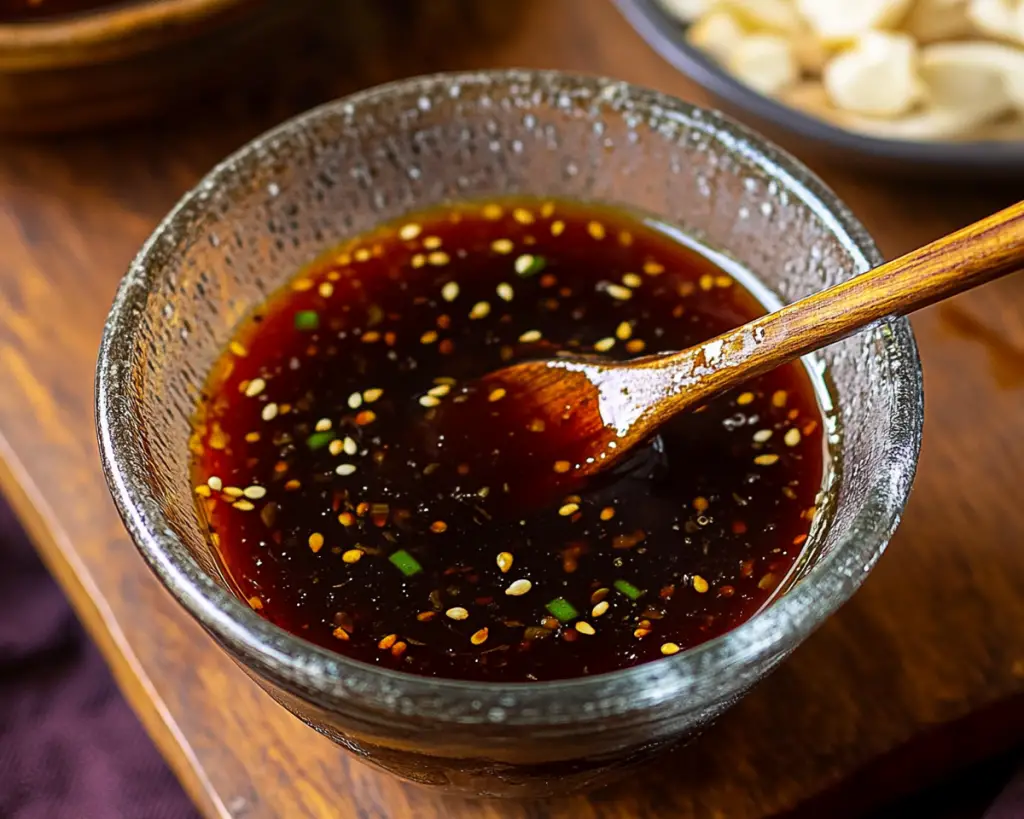
Prep time: 10 minutes
Cook time: 5 minutes
Total time: 15 minutes
Servings: 1 cup
Teriyaki sauce is a beloved staple in many households, bringing a delightful fusion of sweet and savory flavors to a variety of dishes. Making your own **quick homemade teriyaki sauce** not only saves you time but also gives you the freedom to adjust the ingredients to suit your taste. Whether you’re marinating chicken, glazing salmon, or stirring it into stir-fries, this recipe offers a fast and easy way to whip up a batch that’s rich, flavorful, and purely delicious.
Today, I’ll guide you on how to create a **quick homemade teriyaki sauce** that’s packed with vibrant flavors. You’ll learn how to balance sweetness with savory notes and customize the sauce to fit your culinary creations perfectly.
What Is Quick Homemade Teriyaki Sauce?
Teriyaki sauce is a traditional Japanese condiment that consists mainly of soy sauce, mirin (a sweet rice wine), and sugar. Often used in Japanese cuisine, this sauce is particularly popular for marinating or basting grilled meats, making it a fantastic addition to recipes involving chicken, beef, fish, or vegetables. The name “teriyaki” refers to a cooking technique of grilling or broiling food, which is often glazed with the sauce, resulting in a glossy finish.
The texture of teriyaki sauce is typically thick and glossy, coating meats beautifully while also imparting a delicious umami flavor profile that makes dishes incredibly appetizing. The sweetness often comes from the sugar or honey added during preparation, which caramelizes beautifully during cooking, enhancing the experience by bringing warmth and color to the meal. With its versatility, teriyaki sauce serves as a delightful marinade, a topping for rice bowls, and a dipping sauce for sushi.
With this **quick homemade teriyaki sauce**, you can achieve that authentic taste quickly and efficiently, even on busy nights. Imagine coming home after a long day and being able to prepare a savory stir-fry or a wholesome grilled chicken dish that’s as good as what you’d find in a restaurant—all in less than 15 minutes!
Why You’ll Love This Quick Homemade Teriyaki Sauce
There are many reasons to love making your own **quick homemade teriyaki sauce**. Firstly, it’s incredibly easy and quick! The minimal prep time means you can make it fresh while your rice cooks or your proteins marinate. Secondly, the **taste** is unmatched. By using fresh ingredients, you can create a sauce that bursts with flavor, far superior to anything from a bottle.
Economically speaking, making teriyaki sauce at home is also more cost-effective than purchasing it pre-made. When you create your own, you control **all the ingredients**, allowing you to avoid any unnecessary preservatives or additives found in many store-bought versions. Plus, you can experiment with different levels of sweetness and saltiness, customizing the sauce to your preferences.
Common misconceptions about teriyaki sauce suggest that it can only be used for grilling or stir-frying. However, this homemade variation can also serve as a **delicious dipping sauce for appetizers**, a tasty glaze for roasted vegetables, or an exciting addition to sandwiches. The possibilities with this sauce are truly endless!
Ingredients You’ll Need
To make a batch of quick homemade teriyaki sauce, you will need the following ingredients:
- Soy Sauce: The base of your teriyaki sauce. Opt for low-sodium soy sauce to control the saltiness.
- Mirin or Rice Vinegar: Provides a slight sweetness and acidity. If mirin is unavailable, rice vinegar can substitute, but consider adding a bit of sugar to mimic the sweetness.
- Brown Sugar: Adds a rich sweetness that balances the saltiness of soy sauce.
- Garlic: Freshly minced or powdered, for an aromatic punch.
- Ginger: Freshly grated or powdered, adds warmth and zest. Fresh ginger provides a more vibrant flavor.
- Cornstarch: Acts as a thickening agent; it’s optional depending on the desired consistency of your sauce.
- Water: Used to dilute the sauce and in the cornstarch slurry for thickening.
With these simple ingredients, you can create a beautiful, tasty sauce without any fuss.
How to Make Quick Homemade Teriyaki Sauce
Making quick homemade teriyaki sauce is a straightforward process. Follow these steps:
- In a small saucepan, combine 1 cup of soy sauce, 1/2 cup of mirin or rice vinegar, and 1/3 cup of brown sugar. Stir everything together over medium heat.
- Add 2 minced garlic cloves and 1 tablespoon grated ginger to the mixture. Keep stirring until the sugar dissolves completely.
- Once the mixture starts to bubble, lower the heat and let it simmer for about 2-3 minutes. This allows the flavors to meld together beautifully.
- If you prefer a thicker sauce, mix 1 tablespoon of cornstarch with 2 tablespoons of water in a small bowl to create a slurry. Gradually pour this into the simmering sauce and stir continuously.
- Keep simmering for another 1-2 minutes, or until the sauce thickens to your desired consistency. If you want it thicker, just let it cook a little longer.
- Remove the saucepan from the heat and let the sauce cool before transferring it to a clean jar or container. It can be stored in the refrigerator for up to two weeks.
And that’s it! You’ve just made a delicious batch of quick homemade teriyaki sauce that rivals any store-bought option. This sauce is the perfect accompaniment for grilled meats, stir-fried veggies, or as a glaze for baked foods, elevating the flavor of simple ingredients into something fabulous.
5 Variations & Substitutions
Honey Teriyaki Sauce: Substitute the brown sugar with honey for a different sweetness profile. Honey brings a unique flavor and a touch of floral notes. It’s also healthier, making it a great option for a lighter sauce. Just remember that honey may thicken the sauce slightly more than sugar.
Sesame Teriyaki Sauce: Adding 1 tablespoon of sesame oil enhances the flavors wonderfully. It lends a deeper, nuttier profile that pairs beautifully with chicken and fish. You can also sprinkle sesame seeds at the end for added texture and charm.
Spicy Teriyaki Sauce: If you’re a fan of heat, add 1 teaspoon of sriracha or red pepper flakes to your sauce. Adjust according to your heat tolerance. This variation brings a kick to the sauce, making it fantastic for grilled meats and stir-fried dishes.
Pineapple Teriyaki Sauce: For a tropical twist, include 1/2 cup of pineapple juice. It complements the savory flavors, adding a sweet and tangy element. Pineapple juice pairs exceptionally well with chicken and pork dishes.
Gluten-Free Teriyaki Sauce: Use tamari or coconut aminos to make this recipe gluten-free while still maintaining that classic soy sauce flavor. It’s a wonderful alternative for those with gluten sensitivities and does not compromise the taste of your sauce.
These variations cater to diverse tastes and dietary needs, allowing you to enjoy your teriyaki sauce exactly how you love it!
Common Mistakes to Avoid
When making teriyaki sauce, there are a few common pitfalls to watch for. Firstly, be cautious with the amount of salt. Using regular soy sauce can make your sauce overly salty, so it’s often better to opt for low-sodium soy sauce, especially if you’re cooking for young kids or those watching their sodium intake.
Secondly, be careful not to overheat or overcook the sauce. High temperatures can cause the sugar to burn, resulting in an undesirable bitter flavor. Remember, you only need to bring it to a simmer to combine the ingredients effectively.
Lastly, avoid skipping the thickness step if you prefer a more commercial-style sauce. A properly thickened sauce clings better to your proteins and vegetables, enhancing the overall dining experience. Always taste your sauce before serving, and adjust sweetness or acidity as needed.
Storage, Freezing & Reheating Tips
To store your quick homemade teriyaki sauce, let it cool completely first. Transfer it into a clean, airtight container or glass jar. Store in the refrigerator for up to two weeks. This is an excellent option for meal prep, allowing you to have homemade sauce ready at your fingertips.
If you want to keep it longer, consider freezing. Pour the cooled sauce into an ice cube tray and freeze. Once frozen, transfer the cubes into a resealable plastic bag. This way, you can easily take out portions for quick meals on busy days.
To reheat, simply thaw the required amount in the refrigerator overnight or warm it up gently on the stove over low heat. Be sure to stir well, as the consistency may change after freezing. If it becomes too thick upon reheating, add a splash of water or more soy sauce to adjust the texture.
Frequently Asked Questions
Can I use other sweeteners instead of brown sugar? Yes, you can substitute brown sugar with alternatives like honey, agave syrup, or maple syrup. Be mindful of the sweetness level, as some sweeteners are sweeter than others. Adjust accordingly to suit your taste preference.
What can I use teriyaki sauce on? Teriyaki sauce works wonderfully as a marinade or glaze for meats, such as chicken, pork, or steak. It’s also great in stir-fries with vegetables, as a dipping sauce for sushi, or drizzled over rice bowls for added flavor.
How thick should my teriyaki sauce be? The thickness can vary based on your personal preference. A good standard is a syrup-like consistency that can coat the back of a spoon. If you prefer a thicker sauce, just add more cornstarch slurry and cook it a bit longer.
Can I store teriyaki sauce in the pantry? It’s best to store homemade teriyaki sauce in the refrigerator. Storing at room temperature may lead to spoilage due to the presence of ingredients like garlic and sugar that can ferment if left out.
Is this teriyaki sauce gluten-free? Traditional teriyaki sauce contains soy sauce, which has gluten. However, you can easily make it gluten-free by substituting soy sauce with tamari or coconut aminos. This way, you get the same delicious flavor without the gluten content.
Conclusion:
This quick homemade teriyaki sauce offers a fantastic way to infuse meals with a burst of flavor and authenticity, all within a brief time frame. With the ability to customize it to your taste and dietary needs, it easily becomes a kitchen staple. Whether you’re tossing it with stir-fried vegetables, using it as a marinade for chicken, or drenching grilled tofu, this sauce takes everyday meals from ordinary to extraordinary. Don’t hesitate to try making this sauce for your next meal, and feel free to share your twists on the recipe! Enjoy crafting your culinary masterpieces!