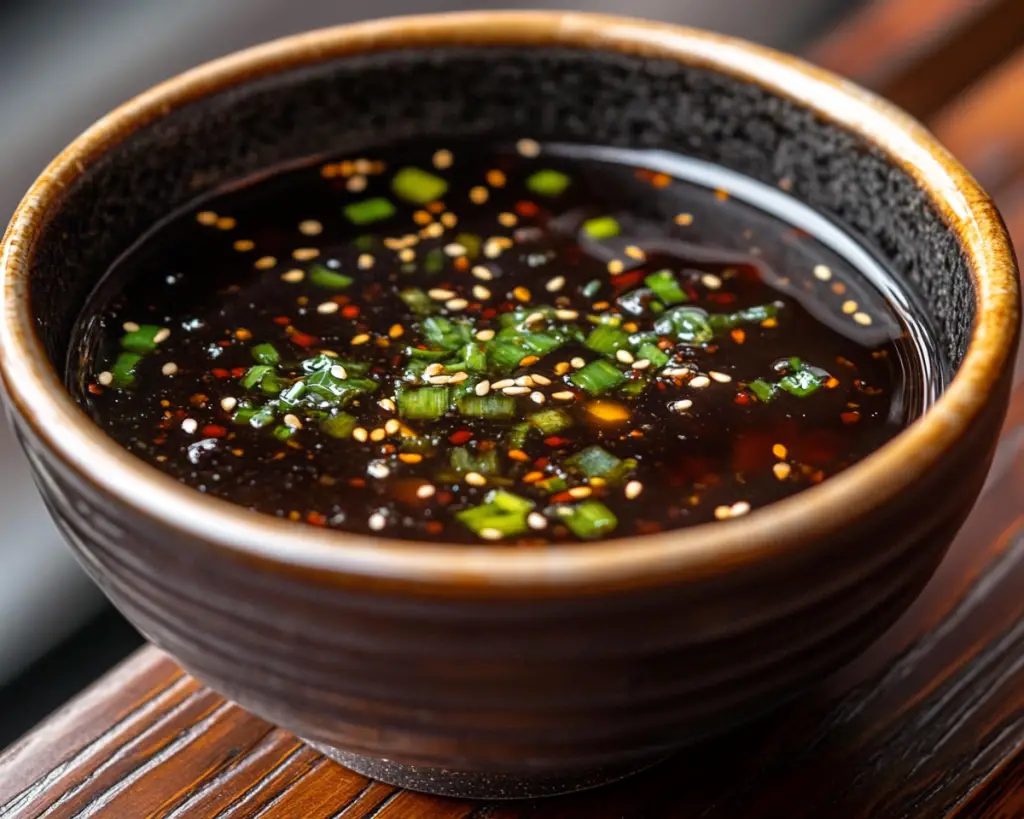
Prep time: 5 minutes
Cook time: 5 minutes
Total time: 10 minutes
Servings: 1 cup
Homemade teriyaki sauce is a flavor-packed addition to your cooking repertoire that will elevate any dish from ordinary to extraordinary. Picture juicy grilled chicken drizzled with a glossy, *sweet-and-savory sauce*, or stir-fried veggies bursting with taste! This quick homemade teriyaki sauce is not just an easy option, but also a solution for busy weeknights when you crave a delicious meal without lengthy preparation. In this article, I’ll share a simple yet versatile recipe, along with tips, variations, and frequently asked questions to help you master this delicious sauce with confidence.
What Is Teriyaki Sauce?
Teriyaki sauce originates from Japan, where the *word “teriyaki”* means “glaze” or “to grill.” Traditional teriyaki sauce consists of a few simple ingredients — primarily soy sauce, sake, mirin, and sugar or honey. This combination results in a beautifully balanced *flavor profile* that is both *salty and sweet*, with a hint of umami. The sauce can be used as both a marinade and a glaze, making it incredibly versatile in the kitchen.
The texture of homemade teriyaki sauce is typically *smooth and glossy*, a direct result of the sugar and other components that caramelize during cooking. Its robust flavor complements various dishes, from grilled meats and seafood to stir-fried vegetables and tofu. Making your own teriyaki sauce allows you to control the ingredients, ensuring that your sauce is free from additives and tailored to your taste preferences.
Why You’ll Love This Homemade Teriyaki Sauce
This quick homemade teriyaki sauce ticks all the boxes when it comes to flavor, convenience, and versatility. First and foremost, its taste is simply unbeatable; you can enjoy the complex harmony of flavors that store-bought versions often lack. The combination of sweet and savory notes enhances any dish you choose it for. Additionally, this recipe is incredibly easy to whip up, taking just 10 minutes from start to finish!
Homemade teriyaki sauce is also a budget-friendly option. With a few basic pantry ingredients, you can create a batch that far exceeds the quantity and quality of pre-made sauces. Moreover, you can easily adjust the sweetness, saltiness, or spiciness according to your family’s taste preferences. This sauce can be used for *meal prep*, drizzled over grilled chicken or used as a marinade for stir-fried vegetables, so you won’t find yourself in the kitchen for too long.
Ingredients You’ll Need
- Soy Sauce: The base of your teriyaki sauce, soy sauce adds a salty and umami flavor. For a gluten-free version, use tamari or coconut aminos as a substitute.
- Brown Sugar: This component contributes sweetness, which balances the saltiness of the soy sauce. You can replace it with honey or maple syrup for a natural sweetener.
- Rice Vinegar: Adds a touch of acidity to the sauce, enhancing its flavor. If you don’t have rice vinegar, apple cider vinegar works in a pinch.
- Garlic: Freshly minced garlic brings in an aromatic depth to the sauce. You can use garlic powder if you’re short on fresh, but the flavor will be milder.
- Ginger: Freshly grated ginger provides a warm, zesty kick that complements the other ingredients. Ground ginger is an alternative, though fresh ginger is preferred for vibrancy.
- Water: Used to dilute the sauce for a balanced consistency. Adjust the quantity based on your desired thickness.
- Sesame Oil: Optional but recommended for a distinctive nutty flavor that enhances the dish. Use toasted sesame oil for a stronger taste.
How to Make Quick Homemade Teriyaki Sauce
1. In a small saucepan, combine soy sauce, brown sugar, rice vinegar, minced garlic, grated ginger, and water. Whisk the ingredients together until the sugar has dissolved completely. This step is essential as it ensures a smooth sauce without any gritty texture as you cook it.
2. Place the saucepan over medium heat and bring the mixture to a simmer, allowing it to bubble gently. As it heats, the flavors will meld beautifully, creating a more complex taste profile. Make sure to keep an eye on it to prevent the mixture from boiling over.
3. Allow the sauce to simmer for about 5 minutes, stirring occasionally. During this time, it will thicken slightly. If you prefer a thicker consistency, you can continue to simmer for an additional 2-3 minutes. Don’t forget to taste it, as this gives you the opportunity to adjust the flavor to your liking by adding more sugar or vinegar if necessary.
4. Once the sauce reaches your desired thickness, remove the pan from heat and stir in a splash of sesame oil for added flavor. This step intensifies the nuttiness and enhances the overall taste of your teriyaki sauce.
5. Let the sauce cool before transferring it to an airtight container. You can store it in the refrigerator for up to a week, which allows you to have quick access to this *delicious sauce* for your meals!
5 Variations & Substitutions
Spicy Teriyaki Sauce: For those who enjoy a little heat, add red pepper flakes or a few drops of sriracha to the saucepan while simmering. This variation not only brings in spice, but it creates a delightful contrast to the sweetness. You can adjust the amount based on your own heat threshold, ensuring that it’s enjoyable for everyone at the table.
Lemon Teriyaki Sauce: To give your teriyaki sauce a citrusy twist, incorporate fresh lemon juice and zest into the mixture. The acidity will brighten the flavor and provide a refreshing note. This variation is excellent for grilled fish, especially salmon, as it complements the fish’s natural flavors beautifully.
Pineapple Teriyaki Sauce: Adding crushed pineapple or pineapple juice introduces a fruit-forward sweetness to your sauce. This version pairs exceptionally well with grilled meats, enriching the profile with tropical elements. For an extra touch, consider adding a tablespoon of cornstarch in the simmering process to achieve a barbecue-like consistency.
Maple Teriyaki Sauce: Swap out the brown sugar for pure maple syrup for a naturally sweetened alternative. This substitution provides a unique flavor that complements the soy sauce, while also being a *great option for those avoiding refined sugars*. The syrup adds a subtle earthiness and depth, ensuring that your dish remains flavorful without the processed sugars.
Low-Sodium Teriyaki Sauce: If you’re watching your sodium intake, opt for low-sodium soy sauce or substitute half of it with water. This can help reduce the sodium content while still capturing the flavor of traditional teriyaki sauce. Add a pinch of salt for taste if needed, but be sure to taste it before doing so, as it may not be necessary depending on your personal preference.
Common Mistakes to Avoid
Creating the perfect homemade teriyaki sauce is simple, but there are a few common pitfalls you want to avoid. A frequent mistake is not dissolving the sugar properly before heating. If sugar granules remain undissolved, they can create an uneven texture, leading to a *gritty sauce*. Ensure that you whisk thoroughly until the mixture is smooth.
Another common error is over-thickening the sauce by cooking it for too long. While a slightly thickened sauce is desirable, excessive cooking can lead to a sticky, candy-like consistency that isn’t suitable for pouring or glazing. Keep an eye on it, and pull it off the heat once it reaches your desired thickness.
Lastly, don’t forget to taste your sauce as you go! This allows you to adjust the *sweetness* or *saltiness* according to your preferences, ensuring that the sauce perfectly complements your dish.
Storage, Freezing & Reheating Tips
You can store your homemade teriyaki sauce in an airtight container in the refrigerator for up to a week. This makes it a great option for meal prep, allowing you to have delicious sauce on hand whenever you need it. Always allow the sauce to cool completely at room temperature before transferring it to the container to avoid condensation.
If you want to keep the sauce for even longer, consider freezing it. Pour the cooled sauce into ice cube trays for easy portioning, and once frozen, transfer the cubes to a freezer bag. This method allows you to use just the amount you need! When reheating, simply defrost in the refrigerator overnight or warm it gently on the stove.
When reheating, be careful not to overcook it. Simply warm it over low heat until it reaches your desired temperature, and it will return to its *glossy, rich texture*.
Frequently Asked Questions
Can I use teriyaki sauce as a marinade? Yes, teriyaki sauce works great as a marinade for various proteins, including chicken, pork, and seafood. Marinate your choice of protein for at least 30 minutes or up to a few hours for deeper flavor infusion.
What’s the difference between teriyaki sauce and soy sauce? While both sauces contain soy sauce, teriyaki sauce is thicker and sweeter due to the addition of sugar or honey and sometimes vinegar. Teriyaki sauce has a more complex flavor profile and is often used as a glaze.
Can I make teriyaki sauce in bulk? Absolutely! This recipe can easily be doubled or tripled, allowing you to have a larger supply for meal prep. Just ensure proper storage in an airtight container to maintain its flavor and quality.
Is there a gluten-free version of teriyaki sauce? Yes! You can easily make gluten-free teriyaki sauce by substituting regular soy sauce with gluten-free tamari or coconut aminos. This allows those with gluten sensitivities to enjoy this delicious flavor enhancer.
How can I adjust the sweetness in the teriyaki sauce? If you’d like a *sweeter sauce*, simply add more brown sugar or honey while the sauce simmers. Conversely, if you prefer a less sweet flavor, you can reduce the sugar to taste. Just remember that the amount of sweetness may affect the overall flavor balance.
Conclusion:
Quick homemade teriyaki sauce is an exceptional way to enhance your meals with a burst of flavor that’s both satisfying and easy to prepare. Whether you use it as a marinade, a glaze, or in stir-fries, this simple recipe allows you to customize your sauce precisely to your taste. Try making it today and experience the joy of *elevating everyday dishes* into something truly delicious! Your family will thank you, and you may even find yourself enjoying the cooking process more than you expected. Don’t hesitate to experiment with different variations and share your findings with friends and family!