Prep time: 5 minutes
Cook time: 10 minutes
Total time: 15 minutes
Servings: 1 cup
Whether you’re whipping up a weeknight stir-fry or glazing grilled chicken, a quick homemade teriyaki sauce is always a great go-to. It brings a lovely sweet and savory flavor, elevating your dishes without the need for store-bought sauces full of preservatives. There’s something truly satisfying about making your own sauces. You have complete control over the ingredients, ensuring that everything is fresh and tailored to your taste. In this recipe, you’ll learn how to create a delicious teriyaki sauce quickly, with minimal effort and maximum flavor.
Let’s dive into the world of teriyaki sauce and discover why this recipe is special, what makes it so versatile, and how you can make it at home in just a few simple steps.
What Is Teriyaki Sauce?
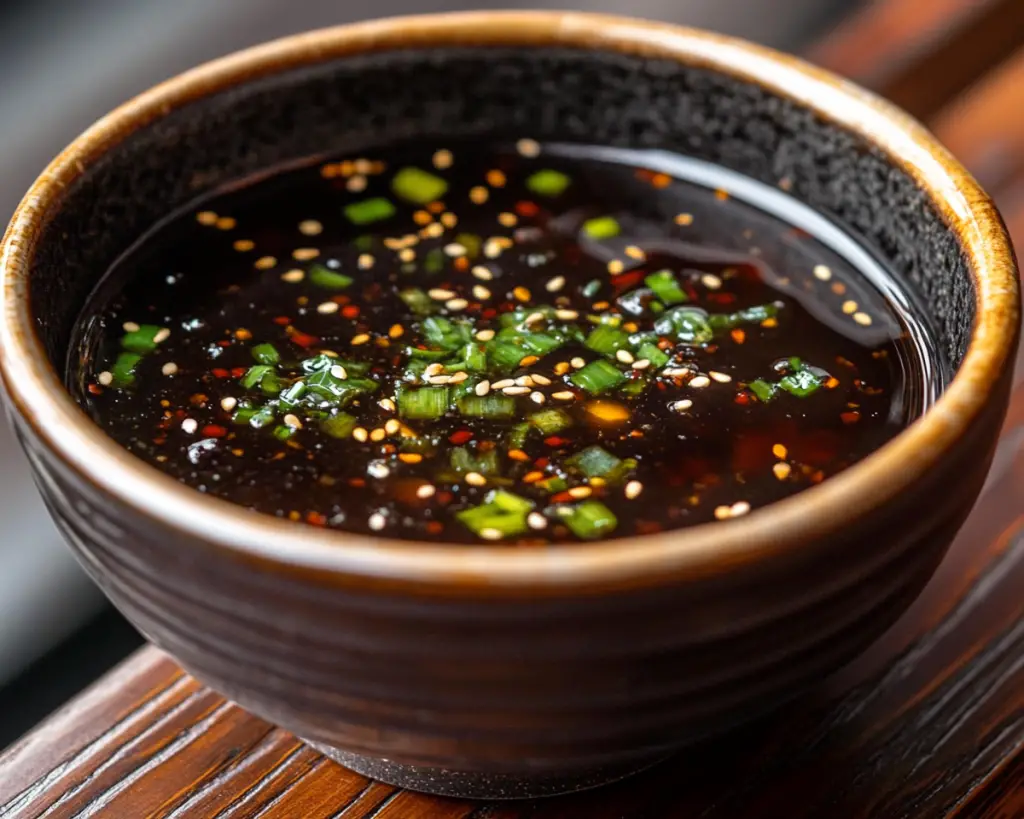
Teriyaki sauce is a Japanese traditional sauce characterized by its rich, sweet, and savory flavors. The word “teriyaki” is derived from the cooking method, which involves grilling or broiling meat while basting it with a soy sauce mixture. Typically, teriyaki sauce has a base of soy sauce, sweeteners like sugar or honey, and other ingredients such as mirin or rice vinegar, which enhance its flavors. The result is a glossy, thick sauce that clings beautifully to meats, vegetables, and even rice.
The sauce is often used not only in Japanese cuisine but also in many Asian-inspired dishes around the world. Its versatility extends beyond grilling; you can use it as a marinade, a dipping sauce, or to infuse flavor into stir-fried dishes. The balance of sweet and salty, combined with hints of umami, makes teriyaki sauce a universally appealing condiment for many different types of meals.
Why You’ll Love This Quick Homemade Teriyaki Sauce
You won’t just love this homemade teriyaki sauce for its vibrant flavor; you’ll appreciate how incredibly quick and easy it is to prepare. Unlike store-bought options that often contain artificial additives and high fructose corn syrup, making your sauce at home allows you to control the sweetness, saltiness, and overall flavor profile. This means you can indulge your taste buds without any guilt.
Another benefit is the cost-effectiveness. Homemade teriyaki sauce requires just a few pantry staples, which are likely sitting in your kitchen already. In addition to being budget-friendly, this sauce is also very customizable. You can adjust the sweetness, add spices like ginger or garlic, or even incorporate different kinds of sweeteners. It’s perfect for busy parents or those new to cooking who want to impress their families with a delicious meal without spending hours in the kitchen.
Ingredients You’ll Need
- Soy Sauce: The base of your teriyaki sauce, providing the salty umami flavor. For a gluten-free option, use tamari.
- Brown Sugar: This adds sweetness and depth. You can substitute it with honey or maple syrup based on your preference.
- Rice Vinegar: Adds acidity and balances the sweetness of the sugar. If unavailable, apple cider vinegar can be a good substitute.
- Garlic: Fresh minced garlic enhances the flavor profile of the sauce. You can also use garlic powder if you don’t have fresh on hand.
- Ginger: Fresh grated ginger brings warmth and spice. Dried ginger can be used in a pinch, but fresh is recommended for the best flavor.
- Water: This is used to dilute the sauce slightly for a more pourable consistency.
- Cornstarch: Mixed with water to create a slurry, it thickens the sauce and gives it that luscious texture.
How to Make Quick Homemade Teriyaki Sauce
1. Start by gathering all your ingredients. Having everything in place will make the cooking process seamless and quick.
2. In a medium-sized saucepan, combine ½ cup of soy sauce, ¼ cup of brown sugar, and 2 tablespoons of rice vinegar. This will be the base of your teriyaki sauce.
3. Add 2 cloves of minced garlic and 1 teaspoon of freshly grated ginger into the mix. Stir everything together until the brown sugar is dissolved. It should take just a minute or two over medium heat.
4. Turn the heat to low and let the mixture simmer for about 5 minutes. Keep stirring occasionally to prevent it from burning or sticking to the bottom of the pan. The aroma at this stage will be mouthwatering and indicative of the flavor developing.
5. While the sauce is simmering, mix 1 tablespoon of cornstarch with 1 tablespoon of water in a small bowl to create a slurry. This is essential for achieving that perfect thick consistency.
6. Once the sauce has simmered for 5 minutes, slowly stir the cornstarch slurry into the saucepan. Stir continuously and let it simmer for an additional 2-3 minutes until the sauce thickens to your desired consistency. If it becomes too thick, simply whisk in a little water until it reaches the perfect pourable texture.
7. Taste your teriyaki sauce and adjust as needed. If you prefer it sweeter, add a touch more brown sugar. For more acidity, a splash of rice vinegar will work wonders.
8. Remove the saucepan from heat and let the sauce cool before transferring it to a clean jar. Your homemade teriyaki sauce is now ready to use!
5 Variations & Substitutions
1. Honey Teriyaki Sauce: If you prefer a more natural sweetener, this variation uses honey instead of brown sugar. The substitution adds a delightful floral note, making the sauce even more complex. For a quick substitute, simply replace the brown sugar in the original recipe with an equal amount of honey. However, reduce the amount of water slightly to account for honey’s liquid.
2. Spicy Teriyaki Sauce: To give your teriyaki sauce a kick, you can incorporate some chili flakes or sriracha. Start with a small amount and adjust to your preferred spice level. This adds a surprising twist that pairs well with grilled meats, providing a nice contrast to the sweetness.
3. Pineapple Teriyaki Sauce: Adding pineapple juice not only enhances the sweetness but also introduces a tropical flair to your teriyaki sauce. You can substitute part of the water in the original recipe with pineapple juice for a vibrant, fruity touch. Adding real crushed pineapple during simmering will add texture and chunks of fruit.
4. Gluten-free Teriyaki Sauce: If you are following a gluten-free diet, simply replace soy sauce with tamari, which is a gluten-free alternative. Additionally, check that your other ingredients are certified gluten-free.
5. Miso Teriyaki Sauce: For a rich and umami-packed flavor, add miso paste to your teriyaki sauce. Start with one tablespoon of miso in the saucepan during the simmering stage, mixing well until it fully incorporates into the sauce. This will create a deeper flavor profile that’s absolutely delicious.
Common Mistakes to Avoid
One common mistake when making teriyaki sauce is using low-quality soy sauce. This can lead to a bland or overly salty sauce that lacks depth. Always opt for a good quality soy sauce, as it will impart much better flavors.
Another issue is not properly dissolving the sugar before turning up the heat. Be sure to stir the mixture until the sugar fully dissolves, which helps prevent any gritty texture in your finished sauce.
Overcooking the sauce is also a mistake. Since it thickens quickly due to the cornstarch, don’t leave it unattended on the heat. If you do overcook it, adding a splash of water can often save the sauce and restore its desired consistency.
Lastly, under-seasoning can lead to an unbalanced flavor. Always taste your sauce as you go and adjust the sweetness or acidity according to your preferences.
Storage, Freezing & Reheating Tips
Once prepared, your homemade teriyaki sauce can be stored in an airtight container in the refrigerator for up to 2 weeks. Be sure to let it cool completely before transferring it to the storage container to prevent condensation, which can affect its texture.
For longer storage, you can freeze the sauce. Pour it into freezer-safe bags, laying them flat to save space. The sauce will last for about 3 months in the freezer. When you’re ready to use it, simply thaw it in the refrigerator overnight before reheating.
To reheat, pour the frozen sauce into a saucepan over low heat, stirring gently until warmed through. If the sauce has thickened too much in the refrigerator, you can whisk in a teaspoon of water to loosen it up.
Frequently Asked Questions
Can I use coconut aminos instead of soy sauce? Yes, coconut aminos can be used as a soy sauce substitute for a lower-sodium and soy-free option. The flavor will be slightly different, but it still provides a delightful umami taste that works well in teriyaki sauce.
Is teriyaki sauce gluten-free? Traditional teriyaki sauce contains soy sauce, which is made from wheat. However, if you substitute soy sauce with tamari, which is gluten-free, you can create a gluten-free version of teriyaki sauce.
Can I make teriyaki sauce without cornstarch? Yes, if you prefer not to use cornstarch, you can omit it. The sauce will be thinner but still flavorful. Alternatively, arrowroot powder or tapioca starch can be used as a thickening agent.
How can I use teriyaki sauce in my meals? Teriyaki sauce is incredibly versatile. You can use it as a marinade for chicken, beef, or tofu; drizzle it over grilled veggies; or use it as a dipping sauce for spring rolls. It pairs wonderfully with rice or noodles for a complete meal.
Can I double the recipe and store extra sauce? Absolutely! You can easily double or even triple the recipe to make a larger batch. Just be sure to store any leftovers properly in an airtight container, as mentioned before.
Conclusion:
This quick homemade teriyaki sauce is a delightful addition to your culinary repertoire. With its sweet, savory, and umami-packed goodness, it transforms simple meals into something spectacular. Not only is it easy to make, but it offers endless customization options to cater to your taste preferences. So go ahead, try making your own teriyaki sauce, experiment with various flavors, and enjoy the satisfaction of a homemade condiment that will elevate your dishes. Don’t forget to share your creations or variations with friends and family!