Prep time: 10 minutes
Cook time: 40 minutes
Total time: 50 minutes
Servings: 4
Caramelized onions are a kitchen treasure that can elevate any dish, from burgers to gourmet pizzas. The aroma of sweet, golden-brown onions sizzling in a pan can evoke cherished memories of family dinners and festive gatherings. However, many home cooks shy away from making caramelized onions due to concerns about burning them or not achieving the right flavor. Fear not! This recipe for **Perfect Caramelized Onions Without Burning** is here to guide you through a foolproof process.
In this article, you will learn not only how to create the most delectable caramelized onions but also tips and tricks for perfecting this essential cooking skill. You’ll discover the science behind caramelization, how to avoid common mistakes, and even variations to suit different dishes. By the end, you’ll be able to whip up caramelized onions that can enhance any meal, impress your friends, and even turn a simple sandwich into a culinary masterpiece.
What Is Perfect Caramelized Onions Without Burning?
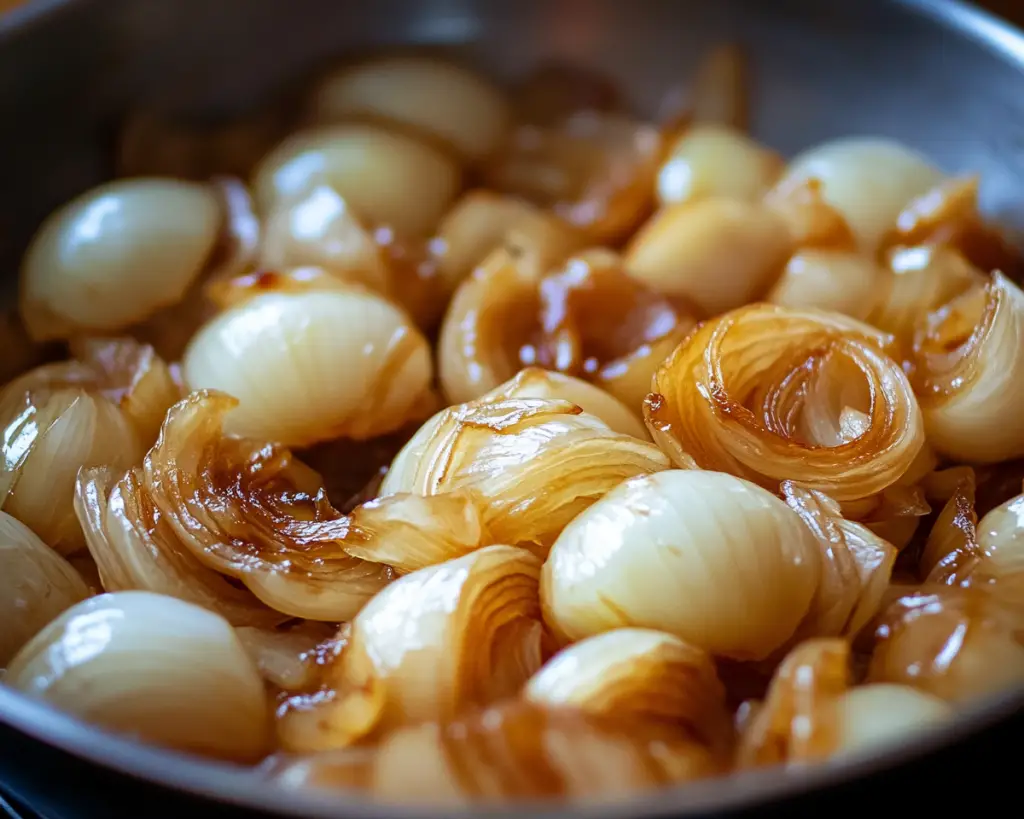
Caramelized onions are onions cooked slowly, allowing their natural sugars to break down and develop a rich, sweet flavor and silky texture. This method originated from classical French cooking but has found its place in various cuisines around the world. The transformation begins with slicing onions and then cooking them over low heat for an extended period. The key to perfect caramelization is patience; you cannot rush this process.
When you correctly execute this technique, you’ll delight in onions that are sweet, tender, and bursting with flavor. The natural sugars in onions caramelize, creating a deep golden-brown color and complex taste that makes them a versatile addition to many dishes. From topping a juicy steak to mixing into creamy pasta, **perfect caramelized onions** are a staple that adds depth to your culinary creations.
Why You’ll Love This
There are numerous reasons why you’ll appreciate incorporating caramelized onions into your cooking repertoire. First and foremost, the flavor is simply unmatched. The method of cooking onions slowly transforms them into a sweet and savory delight that can enhance anything from **sandwiches** and **pizzas** to gourmet sauces and lengthy stews.
Additionally, the ease of this recipe makes it accessible for beginners. Even if you’ve never cooked a thing in your life, you can succeed with this dish by following the simple steps outlined. Moreover, this method is incredibly cost-effective. With just a few onions, you can create a luxurious ingredient that saves you money compared to purchasing pre-made versions.
Common misconceptions suggest that caramelized onions are too difficult to make, or that they require constant attention. In reality, once you master this method, you can prepare them while multitasking in the kitchen. You can easily focus on other preparations without fear of burning them as you follow our guidelines.
Ingredients You’ll Need
To create your perfect caramelized onions, you’ll need the following ingredients:
- Onions: The star ingredient. Yellow onions are commonly used due to their natural sweetness, but you can substitute with white or red onions for a different flavor profile.
- Butter: Adds richness and enhances the flavor of the onions. You can also use olive oil for a healthier option or for a different taste.
- Salt: Enhances the natural sweetness and aids in the drawing out of moisture. Use coarse salt for the best results.
- Sugar (optional): For an extra boost of sweetness, especially if your onions are not as sweet as you’d like. Use brown sugar to add a deeper flavor.
- Balsamic vinegar (optional): Adds acidity and depth to counterbalance the sweetness.
Each of these ingredients plays a vital role in achieving the perfect caramelized onions. The type of onion can significantly affect the end result, so choose what suits your palate.
How to Make
Now that you have the ingredients ready, let’s dive into the step-by-step process of making the best caramelized onions. Follow these numbered instructions carefully to achieve perfect results:
- Slice the Onions: Start by peeling the onions and then slicing them thinly. Aim for even slices, about 1/4 inch thick. Consistent thickness ensures even cooking and prevents some onions from burning while others remain raw.
- Heat the Pan: Choose a wide, heavy-bottomed skillet, like cast iron or stainless steel. This type of pan distributes heat evenly. Place the skillet over medium heat and add about 2 tablespoons of butter. Allow the butter to melt completely but not brown.
- Add Onions: Once the butter has melted, add the sliced onions to the skillet. Stir them gently to coat them in the melted butter. Make sure they are spread out evenly in the pan. This helps them cook uniformly.
- Season with Salt: Sprinkle a pinch of salt over the onions. This will help the onions release their moisture, which is essential for the caramelization process. Stir occasionally to prevent sticking, but also let them sit to develop that caramel color.
- Lower the Heat: After about 10 minutes, reduce the heat to low. This slow cooking allows the sugars to break down and caramelize without burning. Keep an eye on them and stir occasionally. At this point, you can add a teaspoon of sugar for extra sweetness if you’d like.
- Patience is Key: Continue to cook the onions for about 30 minutes, stirring every 5 to 10 minutes. The onions will gradually turn from opaque to translucent, then finally to a beautiful deep golden brown. If they start to stick too much, add a splash of water or broth to deglaze the pan. This will add moisture without affecting the caramelization.
- Finishing Touches: When the onions have reached a rich golden color, and they’re tender and sweet, add in balsamic vinegar for a tangy finish, if desired. Stir for another minute, then remove from heat.
- Serving: Let the onions cool slightly before serving. They can be used immediately, stored in the refrigerator, or frozen for later use. The flavor continues to develop, making them even better the next day!
By following these precise steps, you’ll be on your way to creating perfectly caramelized onions that can elevate any meal.
Variations & Substitutions
Sweet and Tangy Onions: If you’re looking for a flavor profile that balances sweetness with a tangy bite, consider adding a splash of balsamic vinegar towards the end of cooking. This variation not only adds taste but also enhances color, making them visually appealing. Ideal for salads or gourmet burgers, they offer a refreshing palate contrast.
Herbed Caramelized Onions: For extra depth, try adding fresh herbs like thyme or rosemary during the last 10 minutes of cooking. This variation infuses the onions with earthy flavors and can complement roast meats beautifully. Adjust the herbs based on your meal or preference; they provide a wonderful fragrance and additional complexity.
Spicy Caramelized Onions: Give your caramelized onions a kick by incorporating a pinch of red pepper flakes or a splash of hot sauce while cooking. This is perfect for those who enjoy a bit of heat. The spice can beautifully balance with the sweetness, making these onions a fantastic topping for tacos or grilled cheeses.
Vegan Version: If you’re following a vegan diet, simply substitute the butter with olive oil or a plant-based butter alternative. This keeps the recipe entirely plant-based without sacrificing flavor.
Low-Carb Option: For a low-carb version, you can use shallots or green onions instead of regular onions. They impart a similar sweet flavor but have fewer carbohydrates, making them a good option for keto diets. You might reduce the cooking time as shallots caramelize faster.
Each of these variations allows you to customize your caramelized onions according to preferences and dietary restrictions, making them suitable for a wide array of dishes!
Common Mistakes to Avoid
Making caramelized onions may seem simple, but there are some common pitfalls to watch out for. One of the most critical errors is cooking them too quickly. Remember, **patience is paramount**—if the heat is too high, the onions may burn rather than caramelize, resulting in a bitter taste. Adjust the heat as needed and give yourself enough time to let the natural sugars develop.
Another common mistake is overcrowding the pan. If you add too many onions at once, they will steam instead of caramelize. Use a wider pan to ensure that the onions are spread out and have room to cook evenly.
Don’t forget to use salt properly. Adding it too late in the cooking process can lead to uneven seasoning and might result in some soggy sections. Aim to salt the onions right after adding them to the pan to draw out moisture effectively.
Lastly, always keep a close watch on onions as they cook. If you notice they are sticking to the pan, don’t hesitate to add a little water and scrape the bottom gently to deglaze. This action not only prevents burning but helps incorporate those flavorful bits back into the onions.
Storage, Freezing & Reheating Tips
Proper storage of caramelized onions is essential for maintaining their flavor and texture. Once cooled, you can store them in an airtight container in the refrigerator for up to one week. For longer shelf life, consider freezing the onions. Freeze in small portions in resealable freezer bags or ice cube trays, allowing you to pull just the right amount when needed.
When reheating, do so gently. You can use a skillet over low heat, adding a splash of broth or water to rejuvenate their moisture. The microwave is also an option—just be sure not to overcook them, as this can lead to a change in texture.
For food safety, always ensure that the onions are completely cooled before storing and that they are consumed within a week if stored in the refrigerator. This practice guarantees that your delicious caramelized onions remain safe and tasty.
Frequently Asked Questions
Can I use different types of onions for caramelizing?
Yes, you can use various types of onions, including yellow, red, or sweet onions. Each type offers a different flavor profile, so experiment to find what you like best!
What if I accidentally burn the onions?
If the onions burn, it’s best to discard them and start over. Burned onions can turn a dish bitter. Cooking them over low heat while stirring occasionally is key to achieving the perfect caramelization without burning.
Can I make caramelized onions in advance?
Absolutely! Caramelized onions store well. You can prepare them in advance and keep them in the refrigerator for up to a week, or freeze them for longer storage. Just remember to reheat them gently.
How long does it take to caramelize onions properly?
Caramelizing onions takes about 30 to 40 minutes on low heat. This slow cooking allows the natural sugars to develop properly, resulting in a rich and sweet flavor.
Can I add other ingredients to the onions while cooking?
Certainly! Ingredients like garlic, herbs, or spices can enhance the taste of your caramelized onions. Just add them in the last 5 to 10 minutes of cooking to prevent burning.
Conclusion:
In summary, mastering the art of **perfect caramelized onions** is a valuable skill that can enhance your cooking immensely. This delightful addition transforms ordinary dishes into extraordinary flavors, bringing warmth and richness to your table. Whether you use it as a topping for your favorite dishes or incorporate it into sauces, the possibilities are endless.
I encourage you to try this recipe for yourself and get creative with variations that suit your tastes. Make these onions a staple in your kitchen and watch as they elevate your meals. Share your creations with friends and family, and don’t hesitate to explore different ways to incorporate this versatile ingredient into your cooking. Enjoy the journey of flavor exploration!