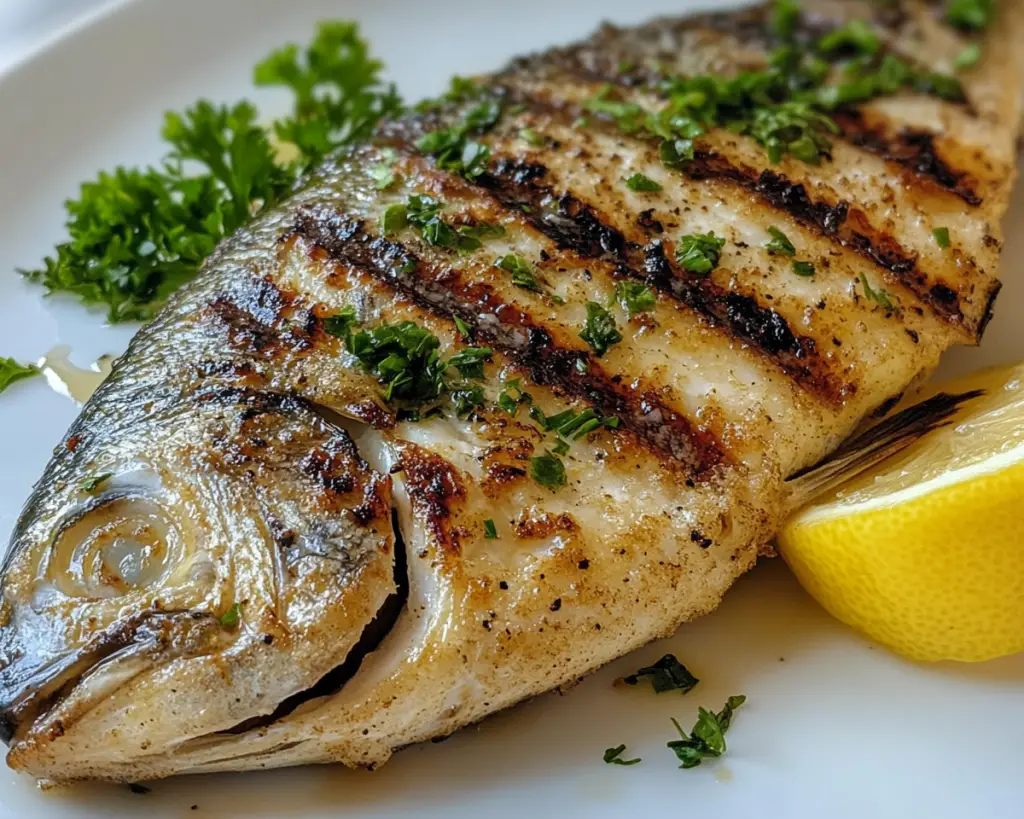
Prep time: 15 minutes
Cook time: 10 minutes
Total time: 25 minutes
Servings: 4
There’s something undeniably comforting about the aroma of freshly cooked fish wafting through the kitchen, and paired with a zesty enhancement of fresh lemon, it becomes an experience that tantalizes the senses. Pan-fried fish with lemon is not just a dish; it evokes a sense of culinary artistry that transforms simple ingredients into something extraordinary. Whether it’s a special occasion or a weeknight dinner, this recipe holds a special place in the hearts of many home cooks.
Today, you will learn how to create this delightful meal that brings together the flaky texture of well-cooked fish with the bright tang of lemon. You’ll discover the essential ingredients, step-by-step cooking instructions, and tips to make this dish your own. Let’s dive into why this dish is so beloved in households around the world!
What Is Pan-Fried Fish with Lemon?
Pan-fried fish with lemon is a classic dish that showcases the delicate nature of fish cooked to perfection. Originating from various coastal cuisines, this dish is known for its crispy exterior and moist interior. The magic happens when fresh fish is seasoned and pan-fried to golden perfection, while a generous squeeze of lemon enhances its natural flavors.
This dish can be made using various types of fish, such as cod, tilapia, or salmon, which allows for a range of textures and flavor profiles. The best part? It’s incredibly easy to prepare, making it a favorite choice for both beginners and experienced cooks alike. Its bright and zesty taste means it can act as either a main course or a light lunch, making it versatile for any meal occasion.
The lemon not only adds flavor but also acts as a natural tenderizer for the fish. Its acidity cuts through the richness of the fish, making every bite refreshing. The dish combines simplicity and elegance, making it a perfect option for busy parents or individuals looking to whip up a quick yet impressive meal.
Why You’ll Love This
When it comes to making dinner, ease, taste, and nutrition are often at the forefront of our minds, and pan-fried fish with lemon ticks all these boxes. First and foremost, this dish is incredibly quick to prepare and cook, making it ideal for weeknight dinners when time is of the essence. With just a handful of ingredients, you can have a flavorful meal on the table in under thirty minutes, which is a blessing for busy families.
Moreover, the flavor profile of fried fish elevated by lemon is nothing short of divine. The crispy texture pairs perfectly with the excitement of zesty lemon, making each bite an experience. In terms of cost, this dish can adapt to your budgetary needs; fresh fish can vary significantly in price, allowing you to choose based on what’s available in your area.
A common misconception is that cooking fish can be intimidating, leading to overcooked or dry fish. However, when you pay attention to cooking times and use a good-quality pan, you can achieve restaurant-quality results right at home. Plus, fish is packed with nutrients, making it a healthy option for those mindful of their diet. You’ll find that this dish is not only easy but also nourishing, which is a key reason to add it to your weeknight rotation.
Ingredients You’ll Need
– Fish fillets: Choose a firm white fish like cod, tilapia, or even salmon. The quality of the fish directly impacts the flavor, so opt for fresh when possible.
– Flour: Used for coating the fish to achieve a crispy exterior. You can use all-purpose flour or substitute with almond flour for a gluten-free version.
– Salt: Essential for seasoning the fish. It helps to enhance flavors and make the dish more palatable.
– Pepper: Freshly ground black pepper adds a necessary hint of spice.
– Lemon juice: Freshly squeezed lemon juice is crucial for that zesty flavor. Bottled lemon juice will not have the same aromatic effect.
– Butter: A mix of butter and oil is ideal for frying to impart richness and help achieve the right browning.
– Olive oil: You can substitute with canola or vegetable oil if preferred. Olive oil adds a nice flavor while frying.
Each ingredient plays a pivotal role in the overall success of this dish. The choice of fish is crucial, as a thicker fillet will require a longer cooking time, while thinner cuts may cook nearly instantly. Flour not only enhances texture but also promotes a lovely golden-brown finish when pan-fried. Always remember, quality matters, especially with ingredients like lemon juice and fish!
How to Make
To achieve the perfect pan-fried fish with lemon, follow these step-by-step instructions:
- Prepare the fish: Rinse the fish fillets under cold water and pat them dry with paper towels. This step is crucial for achieving a crispy exterior. Sprinkle both sides of the fillets with salt and pepper to season them evenly. Make sure to season well, as this enhances the overall flavor of the dish.
- Dredge in flour: On a large plate, spread a thin layer of flour. Take each fish fillet and coat it evenly on both sides, shaking off any excess flour. This coating helps crispen the fish during frying and seals in moisture, ensuring your fish remains juicy.
- Heat the pan: In a large skillet, heat 2 tablespoons of olive oil and 2 tablespoons of butter over medium-high heat. The mixture should be hot enough that it shimmers but doesn’t smoke. A properly heated pan is essential for achieving that loaded, crispy crust.
- Fry the fish: Add the coated fillets to the hot pan. Avoid overcrowding; you may need to do this in batches. Fry for about 3-4 minutes per side, or until the fish is golden brown and flakes easily with a fork. Flip using a spatula, ensuring you keep the fillet intact. Adjust heat as necessary to prevent burning.
- Add lemon: Once the fish is cooked, remove it from the pan and drain briefly on a paper towel. While the fish is warm, squeeze fresh lemon juice over it generously. If you prefer, you can also garnish with lemon slices for presentation.
- Serve: Arrange the fish on a serving platter, pairing it with vegetables, rice, or your choice of side dishes. Serve immediately for the best texture and flavor.
Pay attention to cooking times; fish generally requires less cooking time than meat due to its delicate nature. A well-cooked fish should feel flaky when prodded with a fork yet remain tender to the bite. For beginners, monitoring closely is key; this dish rewards careful observation.
Variations & Substitutions
Herbed Pan-Fried Fish: For an aromatic twist, consider adding fresh herbs directly into the cooking process. Chopped parsley, dill, or thyme can be added alongside the lemon juice to elevate the flavors. Fresh herbs will provide a garden-fresh taste that beautifully complements the chaos of the frying pan. This variation is perfect for those who appreciate a burst of flavor with each bite and wish to create a dish that is more vibrant and fragrant.
Gluten-Free Option: If you are accommodating gluten restrictions, you can easily substitute regular flour with almond flour or rice flour. These alternatives will still provide a crispy texture without sacrificing flavor. Additionally, you can ensure that your seasonings are gluten-free by checking labels if you are sensitive or allergic.
Spicy Pan-Fried Fish: If you enjoy a kick, you can sprinkle a pinch of cayenne pepper or paprika in the flour before dredging the fish. This small addition can transform the dish into a spicy delight, offering a lovely contrast to the zesty lemon juice. This variation is ideal for those who love bold flavors and dishes that bring an element of surprise.
Baked Lemon Fish: If frying isn’t your style, an alternative is to bake the fish instead. Preheat your oven to 400°F (200°C), place the seasoned and floured fish fillets on a baking sheet drizzled with olive oil, and bake for 15-20 minutes, or until cooked through. This variation offers a healthier option that still retains the delicious flavors but eliminates the need for frying.
Each of these variations brings a unique flair while maintaining the dish’s essence. Regardless of dietary restrictions or flavor preferences, you can adapt this recipe for anyone’s palate!
Common Mistakes to Avoid
Cooking fish can be tricky, but avoiding a few common pitfalls will help you create a successful meal. One of the primary mistakes is overcooking the fish. Fish cooks quickly, and leaving it in the pan too long can lead to a dry, unappealing texture. Always check for doneness with a fork to ensure it flakes properly.
Another mistake is not seasoning adequately. Seasoning your fish before cooking is critical—not just for flavor but also to accentuate the fish’s natural taste. A light hand with salt and pepper can elevate your dish dramatically.
Finally, ensure your pan is properly heated before adding the fish. A cool pan will lead to steaming rather than frying, resulting in a soggy dish. Always test the heat with a small drop of water; if it sizzles, you are ready to start frying.
Storage, Freezing & Reheating Tips
If you find yourself with leftovers, you can store cooked fish in an airtight container in the refrigerator for up to 2 days. However, it’s essential to note that the earlier you consume it, the better the texture will remain. If you wish to freezethe leftovers, wrap each fillet individually in plastic wrap or foil and place them in a freezer-safe zip-top bag. Frozen fish is best utilized within three months to maintain optimal quality.
When ready to reheat, do so gently. A microwave can make the fish rubbery; instead, opt for a skillet over medium heat. Add a touch of oil or butter to help revive some of the original texture. Covering the skillet while reheating can also help retain moisture.
Food safety best practices are essential! Always ensure that the fish has cooled to room temperature before refrigerating it. Never leave cooked fish out at room temperature for more than two hours to avoid bacterial growth.
Frequently Asked Questions
Can I use frozen fish for this recipe? Yes, you can use frozen fish. However, ensure that it is fully thawed before cooking to achieve even cooking and prevent a soggy texture. Thaw the fish in the refrigerator overnight for the best results.
What sides pair well with pan-fried fish? This dish is incredibly versatile and pairs well with many sides. Some excellent options include mashed potatoes, steamed vegetables, rice, and even a fresh salad. These sides provide balance and complement the flavors of the fish without overpowering them.
How do I know when the fish is done cooking? The fish is done when it flakes easily with a fork and appears opaque in the center. A rule of thumb is to cook 10 minutes for every inch of thickness. If you have a meat thermometer, aim for an internal temperature of 145°F (63°C).
Can I pan-fry fish without flour? Absolutely! You can skip the flour for a low-carb alternative. Simply season the fish with salt and pepper and cook as instructed. Another option is to use a mixture of almond flour or cornmeal to create a different texture.
Is there a vegetarian alternative to pan-fried fish? You can prepare a similar dish using hearty vegetables such as eggplant or zucchini. Slice them into fillets, coat with flour, and follow the same cooking method. While it won’t replicate fish, it allows for a similar crispy experience with a fresh taste.
Conclusion:
Pan-fried fish with lemon is an excellent addition to any recipe repertoire. It combines ease, taste, and nutrition, making it a staple meal for households of all sizes. With variations that cater to individual preferences and dietary restrictions, this dish ensures that everyone can enjoy it.
Whether you attempt the original recipe or some of the suggested variations, I encourage you to experiment with flavors and find your perfect version. Share your cooking experiences with friends or family; meals like this were meant to be celebrated! So don’t hesitate—try this delightful dish today and relish the results!