Prep time: 10 minutes
Cook time: 30 minutes
Total time: 40 minutes
Servings: 4
Caramelized onions: they are a culinary treasure, often overlooked and underappreciated. When cooked down to their sweet and savory essence, they can elevate any dish, imparting a rich depth of flavor that is simply irresistible. Imagine stirring a spoonful into your morning omelet or layering it on a juicy burger. This recipe for One-Pan Caramelized Onions for Everything will not only make your kitchen smell fantastic while you work but also provide you with a versatile ingredient that adds delicious complexity to your meals.
This article is designed for both novice cooks looking to build their kitchen skills and busy parents needing quick, satisfying solutions to everyday meals. Whether you’re aiming to impress guests at a dinner party or searching for that perfect touch for your weeknight dinner, you’ll find that this recipe is not only simple but a true game changer in your cooking journey. Let’s jump in and unlock the secrets to making the most delectable caramelized onions you’ve ever tasted.
What Is One-Pan Caramelized Onions for Everything?
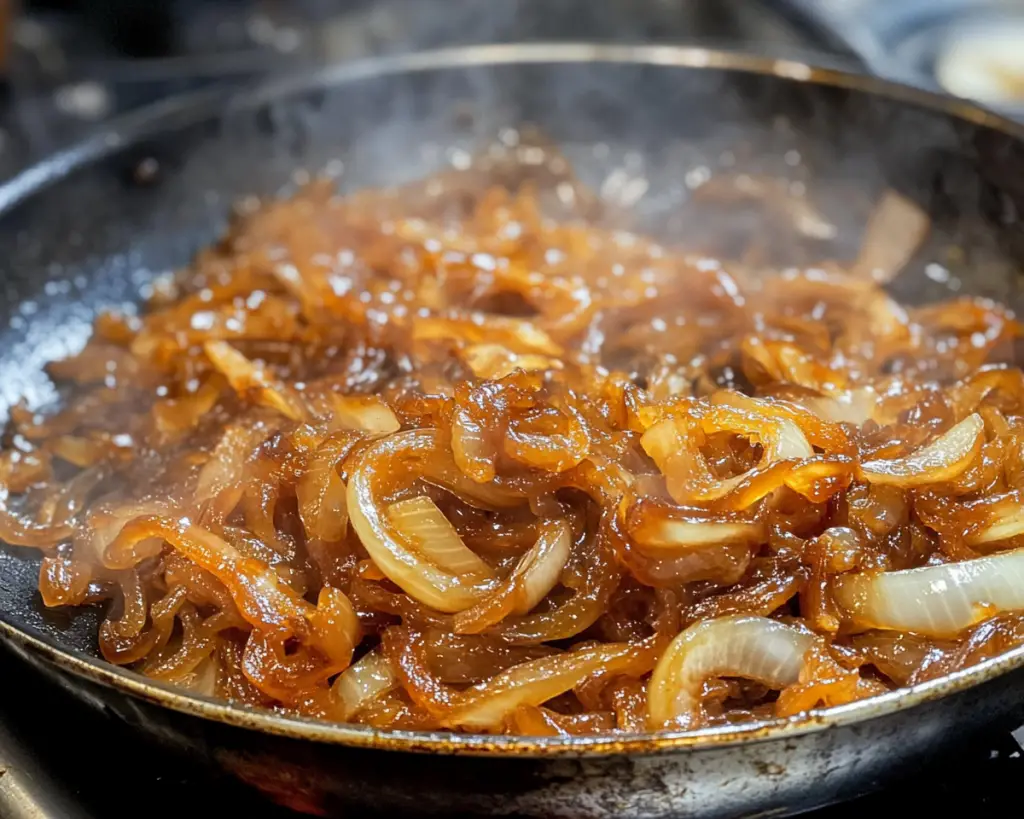
One-Pan Caramelized Onions for Everything is more than just a cooking method; it’s an invitation to elevate everyday meals into something sublime. The origins of this technique can be traced back to French cuisine, where caramelized onions are celebrated in dishes like French onion soup. The **slow cooking** process allows the natural sugars in the onions to break down, resulting in a luscious, golden-brown color and a **deeply sweet, savory flavor**.
The texture of well-cooked caramelized onions can be described as silky and tender, mingling perfectly with other ingredients. As they soften, they lose their pungency and take on a mellow, almost jam-like consistency that can complement a variety of dishes. Whether you’re tossing them into pasta, using them as a pizza topping, or even blending them into a creamy dip, these onions become a versatile asset in your kitchen.
The beauty of this recipe lies not only in its flavor but also in its simplicity. With just a few ingredients, you can transform a basic onion into a gourmet addition for any meal. This is a must-have technique for anyone wanting to explore deeper flavors in their cooking repertoire.
Why You’ll Love This
There are plenty of reasons why One-Pan Caramelized Onions for Everything will become a staple in your kitchen. First and foremost, the flavor speaks for itself; the **sweet and savory** notes of caramelized onions can make even the simplest meals extraordinarily delicious. Plus, the cooking process is straightforward. All you need is patience and a little bit of love, and you’ll be rewarded with vibrant, deeply flavored onions that can elevate any dish.
Another significant advantage is cost-effectiveness. Onions are incredibly budget-friendly, making it an economical way to enhance and diversify your meals. You don’t have to spend a ton to achieve high-end flavors; with a simple ingredient like onions, a little time goes a long way in bringing richness to your food.
Many home cooks fear caramelizing onions because they think it’s overly complicated or time-consuming. This notion couldn’t be further from the truth. With the right tips and understanding, anyone can achieve perfectly caramelized onions. For example, a common mistake is overcrowding the pan, which inhibits browning. By following a few simple techniques and being mindful during the cooking process, you can bypass these pitfalls and create caramelized onions that you will use repeatedly in your culinary endeavors.
Ingredients You’ll Need
To make delicious One-Pan Caramelized Onions, you will need the following ingredients:
- Onions: The star of this dish. Yellow onions are commonly used for their natural sweetness, but red or even white onions can also work well. They help to develop depth and flavor.
- Olive oil or butter: This adds richness and allows for even cooking. You can use either or a combination of both for added flavor.
- Salt: Helps to draw out moisture and enhances the natural sweetness of the onions. It’s a critical step that many people overlook.
- Pepper: Freshly cracked black pepper adds a touch of warmth and balance to the sweetness.
- Optional: Sugar or balsamic vinegar: While not necessary, a pinch of sugar can enhance the caramelization process, and balsamic vinegar adds a layer of complexity.
Each ingredient plays a crucial role in the final outcome of your onions. Understanding these roles not only enhances your cooking but also provides you with options for substitutions based on dietary preferences or what you have on hand.
How to Make
To prepare your One-Pan Caramelized Onions, follow these step-by-step instructions:
- Prepare the onions: Begin by peeling the onions and slicing them thinly. The thickness of the slices is crucial; aim for about 1/4 inch thick for even cooking. If your slices are too thick, they will take longer to caramelize.
- Heat the pan: Place a large skillet over medium heat and add your olive oil or butter. Allow the fat to heat until it shimmers before adding the onions. This step is essential: if you add the onions to cold fat, they will not cook evenly and may stick to the pan.
- Add the onions: Once the fat is hot, add the sliced onions to the pan. Stir them gently to coat them in the oil or butter and to distribute them evenly across the pan.
- Season: Sprinkle a generous pinch of salt over the onions. This is vital as it will help draw moisture out from the onions and enhance the sweetness during the cooking process. At this stage, you may also sprinkle a little pepper.
- Cooking process: Allow the onions to cook on medium heat for the first 10 minutes. Stir occasionally to prevent them from burning. After about 10 minutes, reduce the heat to medium-low. This lower heat will allow the onions to caramelize slowly while becoming tender.
- Continue stirring: Continue to cook the onions until they become a rich, golden brown, which may take another 15-25 minutes. If at any point the onions start to stick to the pan or darken too fast, add a tablespoon of water to help deglaze the pan and bring those flavorful bits back into the mix.
- Final touches: Once the onions reach your desired level of caramelization, you can enhance their flavor by adding a dash of balsamic vinegar or a sprinkle of sugar, if preferred. Taste for seasoning and adjust as needed.
- Serve or store: Use the caramelized onions immediately as a topping for your dishes, or store them in an airtight container in the fridge for up to one week. They also freeze beautifully for long-term storage.
These instructions guide you through the entire cooking process, ensuring that you achieve the perfect caramelization without any mishaps. The aroma of sizzling onions will fill your kitchen, making the wait worthwhile.
Variations & Substitutions
Sweet Balsamic Variation: If you want to add a touch of tangy sweetness to your caramelized onions, consider using balsamic vinegar as your finishing ingredient. After the onions are deeply caramelized, drizzle a tablespoon of balsamic vinegar into the pan. This not only adds complexity but also mellows the acidity, resulting in a fantastic juxtaposition of flavors. This variation is particularly nice in salads or as a topping on grilled chicken for an adult-friendly twist.
Herb-Infused Variation: For a herbaceous note, try adding some fresh thyme or rosemary while the onions are cooking. Begin adding the herbs after the onions have been cooking for about 10 minutes. Fresh herbs introduce an aromatic quality that beautifully complements the sweetness of the onions. This can work exceptionally well in dips or as an elegant pizza topping.
Spicy Variation: If you love a bit of heat, consider adding a pinch of red pepper flakes to your onions as they cook. This will enhance their rich flavor with a spicy kick that can be balanced with a bit of sweetener like honey or brown sugar. This variation can elevate any savory dish, particularly those with a Mexican or Mediterranean flair.
Each of these variations not only changes the flavor and aroma of the caramelized onions but also allows you to customize the dish to suit your personal taste or dietary preferences. Feel free to experiment and discover which combination resonates with you most.
Common Mistakes to Avoid
Caramelizing onions may seem straightforward, but several common mistakes could prevent you from achieving that perfect, deep-golden color and flavor. One of the biggest pitfalls is cooking at too high a temperature. Doing so can result in burnt bits rather than beautifully caramelized onions. Be sure to maintain a medium to medium-low heat to allow the sugars to develop properly.
Another mistake is overcrowding the pan. If there’s not enough space for the onions to cook evenly, they’ll steam instead of caramelizing, leading to a mushy texture. Ensure your pan is large enough to accommodate the onions without stacking them too closely.
Lastly, be mindful of timing. Patience is key in caramelizing onions. Rushing the process by turning up the heat or cooking for a shorter duration will lead to underdeveloped flavors. Remember that the best caramelized onions take time; slow your cooking process and let those flavors shine through.
Storage, Freezing & Reheating Tips
To store your leftover One-Pan Caramelized Onions, place them in an airtight container. They can be kept in the refrigerator for up to one week. For those wishing to prepare in advance, you can freeze the onions in an airtight bag or container. Spread them out in a single layer for easier thawing. When ready to use, simply defrost in the refrigerator overnight or reheat them straight from the freezer in a skillet.
For reheating, simply place the onions in a skillet over low heat. Stir occasionally and feel free to add a splash of water or broth to help them regain their silky texture. Be sure to reheat gently, as high heat could cause them to become overcooked again. Always maintain food safety best practices, ensuring the onions are stored properly to avoid spoilage.
Frequently Asked Questions
Can I use different types of onions for this recipe?
Absolutely! While yellow onions are commonly used for their sweetness, red or white onions can also deliver excellent results. Each type boasts its unique flavor profile, so feel free to experiment with what you have on hand.
How long does it take to caramelize onions?
Typically, caramelizing onions takes about 30 to 45 minutes, depending on the heat and the size of your onions. Remember, patience is key; allowing them to slow-cook will yield the best flavor.
How can I tell when my onions are properly caramelized?
The ideal caramelization results in golden-brown, tender onions that smell sweet and rich. You want to cook them until they are soft and have taken on that deep color while avoiding any burnt bits.
Can I caramelize onions ahead of time?
Absolutely! Caramelized onions store well in the refrigerator for up to a week and can be frozen for longer storage. This makes them great for meal prep when you want to have flavorful ingredients ready to use at a moment’s notice.
What dishes pair well with caramelized onions?
Caramelized onions are incredibly versatile and can enhance a variety of dishes. They are perfect on burgers, sandwiches, or topped on pizza. They also make an excellent addition to salads, pasta, and even omelets, providing a depth of flavor that is simply unbeatable.
Conclusion:
With this One-Pan Caramelized Onions for Everything recipe, you’re well on your way to transforming ordinary meals into extraordinary culinary experiences. The sweet and savory depths of flavor will enrich every dish it touches, making it an essential skill for both novice and experienced cooks. Don’t hesitate to make this dish your own; experiment with various ingredients, variations, and applications in your favorite meals. So get started today—your taste buds will thank you!