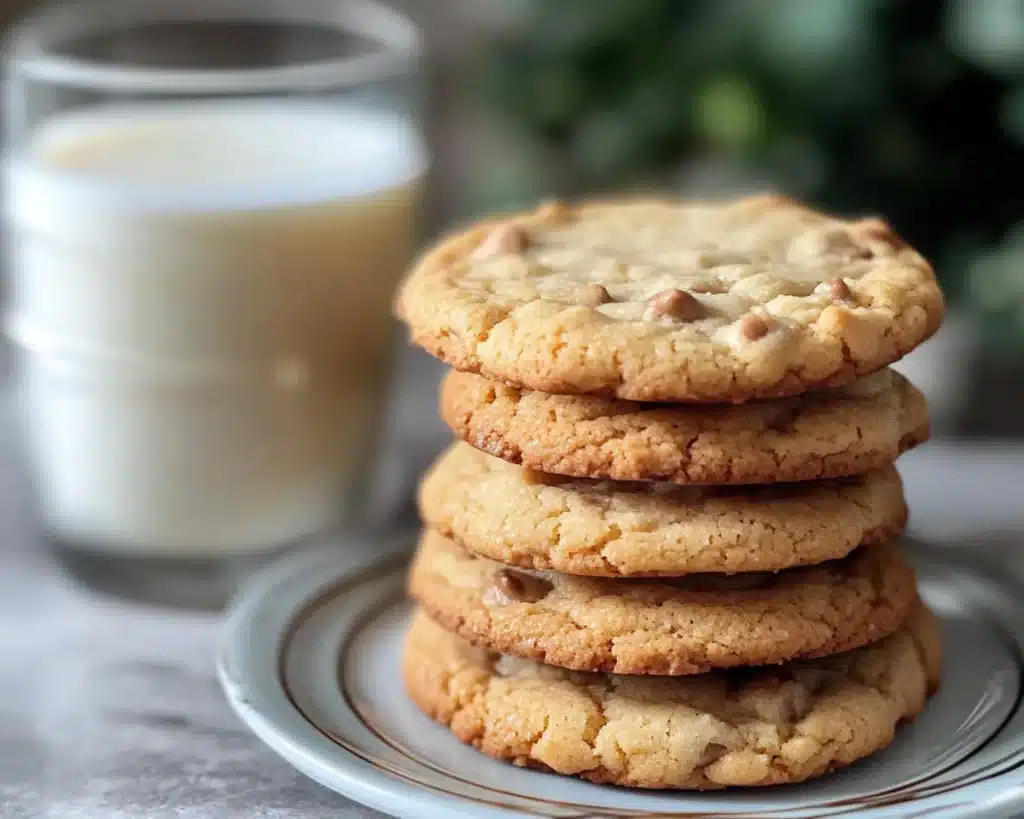
Prep time: 15 minutes
Cook time: 10 minutes
Total time: 25 minutes
Servings: 24 cookies
There’s something undeniably charming about cookies that evoke nostalgia, especially the classic milk cookie. These delightful bites are not only soft and chewy but also rich with the warm essence of home. If you’ve ever been tempted by the delightful smell of freshly baked cookies wafting through a kitchen, then you are in for a treat. This recipe for Milk Cookies: Classic Soft Milk Cookies is easy enough for beginners while being appealing to the most seasoned bakers. You’ll learn step-by-step instructions, handy tips, and even some clever variations to make this recipe truly your own.
The beauty of milk cookies lies in their simplicity and affordability. You may find that, with just a handful of ingredients, you can whip up a batch that makes everyone feel at home. Prepare to create a treat that brings comfort, joy, and perhaps even a sprinkle of magic to your everyday baking routine.
What Is Milk Cookies: Classic Soft Milk Cookies (Easy)?
Milk cookies, also known as soft milk cookies, have their origins rooted in simple home cooking, often celebrating the goodness of dairy while aiming to satisfy a sweet tooth. Their texture is reminiscent of a perfect pillow—soft, fluffy, and just slightly chewy. The flavor is mildly sweet, with a rich buttery undertone that complements the unique addition of milk, resulting in a cookie that feels indulgent yet accessible.
These cookies are often celebrated for their versatility. The addition of milk not only enhances the dough’s moisture but also gives the cookies a unique tenderness. This creamy element allows each cookie to melt in your mouth, making it a beloved treat across generations. Whether enjoyed as an after-school snack, a sweet addition to a lunchbox, or a quick pick-me-up during a busy day, milk cookies are a fair share of joy.
In making milk cookies, you’re also engaging in an easy and fun kitchen project. From mixing the batter to scooping out the dough and finally being rewarded with golden-brown treats, there’s no shortage of satisfaction. Best of all, this recipe is easy enough to involve kids or new bakers, making it a perfect choice for family bonding in the kitchen.
Why You’ll Love This
There are countless reasons to embrace the wonders of milk cookies. First and foremost, the taste is absolutely delightful—a harmonious blend of buttery goodness, sweetness, and milk that tantalizes the taste buds. Each bite provides a comforting sensation, igniting memories of cozy afternoons spent with loved ones. Couple that with their ease of preparation and you have a winning recipe—perfect for busy parents and novice bakers alike.
Moreover, milk cookies are relatively inexpensive to make, as they feature common pantry staples like flour, sugar, and butter. In times of rising grocery prices, these cookies remind us that we can create delectable treats without breaking the bank. Versatile in nature, this recipe can easily be customized, accommodating dietary preferences or experimenting with different flavors.
However, some might have misconceptions about homemade cookies, believing they are complicated or time-consuming. On the contrary, milk cookies offer a straightforward method, allowing you to whip up a batch in under thirty minutes. There’s no need for elaborate techniques or fancy equipment—just a mixing bowl and an oven. You can enjoy the lovely aroma filling your home while your cookies bake to perfection.
Ingredients You’ll Need
- 2 ½ cups all-purpose flour: This is the base of our cookies, giving them structure. You can substitute it with whole wheat flour for added nutrition.
- 1 cup unsalted butter: Butter is essential for that rich flavor and tender texture. Ensure it’s at room temperature for smoother mixing.
- 1 cup granulated sugar: This adds sweetness and helps achieve a delightful crust on the cookies.
- 1 cup milk: The star ingredient that contributes to the softness and flavor. You can use any type of milk—dairy or non-dairy alternatives, like almond or oat milk, work well too.
- 2 large eggs: Eggs bind the ingredients together and contribute to the cookies’ rise and richness.
- 2 teaspoons vanilla extract: Adds depth and enhances the overall flavor profile.
- 1 teaspoon baking powder: This helps the cookies rise, making them airy and soft.
- ½ teaspoon baking soda: Works in conjunction with baking powder for a perfect texture.
- ½ teaspoon salt: Balances the sweetness, enhancing all the flavors in the cookie.
Each ingredient plays a crucial role. For instance, if you’re aiming for a *lighter* cookie, consider substituting half of the all-purpose flour with cake flour. Alternatively, if you want *extra flavor*, add some finely chopped nuts or chocolate chips.
How to Make
1. **Preheat your oven**: Begin by preheating your oven to 350°F (180°C). This step ensures that your cookies are baked evenly and helps achieve that beautiful golden-brown color.
2. **Cream the butter and sugar**: In a large mixing bowl, combine the unsalted butter and granulated sugar. Use a hand mixer or stand mixer on medium speed and cream them together until the mixture turns light and fluffy—this should take about 3-5 minutes. The creaming process incorporates air into the dough, leading to a softer cookie.
3. **Add the eggs and vanilla**: Next, add the large eggs, one at a time, mixing well after each addition. Then, incorporate the vanilla extract, ensuring it is evenly distributed through the batter.
4. **Combine dry ingredients**: In a separate bowl, whisk together the all-purpose flour, baking powder, baking soda, and salt. Mixing these dry ingredients separately helps to evenly distribute the leavening agents throughout the flour before adding them to the wet mixture.
5. **Mix dry and wet ingredients**: Gradually add the dry mixture to the wet mixture. Mix on low speed until just combined. Be careful not to overmix; you want a cohesive dough without gluten overdevelopment for a soft texture.
6. **Incorporate milk**: Pour in the milk and mix until smooth. The addition of milk will help the dough achieve that irresistible softness and moisture that is characteristic of milk cookies.
7. **Scoop the dough**: Using a cookie scoop or tablespoon, drop dough balls onto a baking sheet lined with parchment paper. Leave adequate space between each cookie to allow for spreading while baking.
8. **Bake**: Place the cookies in the oven, baking for 8-10 minutes, or until the edges are set and the centers look slightly underbaked. Don’t worry; they’ll continue to firm up as they cool!
9. **Cool and enjoy**: Once baked, let the cookies cool on the baking sheet for about 5 minutes before transferring them to a wire rack to cool completely. Their inviting aroma will surely draw others into the kitchen!
Remember, timing and temperatures may vary, so keep an eye on these delightful treats as they bake. If you’re not sure if they’re done, it’s better to take them out a bit earlier; they’ll continue cooking on the baking sheet.
Variations & Substitutions
Chocolate Chip Milk Cookies: Add 1 to 1.5 cups of semi-sweet chocolate chips to the dough before baking. The combination of the sweet, creamy milk flavor with rich chocolate creates a divine twist that is always a crowd-pleaser.
Nutty Milk Cookies: For those who enjoy a bit of crunch, mix in 1 cup of chopped nuts such as walnuts, pecans, or almonds. The nutty flavor not only enhances the taste but also adds texture to each bite. Remember to chop the nuts finely to ensure they blend well without overpowering the lightweight texture.
Cinnamon Sugar Milk Cookies: Elevate your cookies with a sprinkling of cinnamon sugar. Mix together ¼ cup of granulated sugar and 2 teaspoons of ground cinnamon in a bowl. Before baking, roll the cookie dough balls in this mixture. This adds a lovely flavor and warm aroma that will remind you of cozy autumn days.
Oatmeal Milk Cookies: Replace 1 cup of all-purpose flour with 1 cup of rolled oats for a heartier cookie. The oats contribute a chewy texture and increased nutrition. Add raisins or dried cranberries to boost the flavor and texture even further.
Gluten-Free Milk Cookies: If you need a gluten-free option, substitute the all-purpose flour with a gluten-free flour blend. Ensure that the blend contains xanthan gum to help bind the ingredients together effectively. This allows those with gluten sensitivities to enjoy the same delightful taste without worry.
Common Mistakes to Avoid
When baking milk cookies, several things can go awry if you’re not careful. One common mistake is not using room temperature butter, which can lead to a dense cookie instead of a light and fluffy one. To ensure the best texture, take your butter out of the refrigerator well in advance, allowing it to soften naturally.
Overmixing the dough is another issue. While it may be tempting to achieve a perfectly smooth batter, mixing too long can develop gluten, leaving cookies tough instead of tender. Mix just until combined to maintain that ideal soft texture.
Make sure to measure your ingredients correctly! Using too much flour can lead to dry or crumbly cookies. Always spoon and level the flour instead of scooping directly from the bag to ensure precision. If you find yourself with excess dough, don’t hesitate to refrigerate it; chilling can help prevent spreading during baking.
Lastly, monitor the baking time. Pulling your cookies out too late can result in overly hard treats. Remember that cookies will continue to firm up once removed from the oven; aim for a slightly underbaked center for the best chewy consistency.
Storage, Freezing & Reheating Tips
When it comes to enjoying your milk cookies later, proper storage is essential. Allow the cookies to cool completely before placing them in an airtight container. You can store them at room temperature for up to one week. To retain that delightful freshness, consider adding a slice of bread to the container—this helps maintain humidity and keeps the cookies soft.
If you plan to save them for longer, freezing is an excellent option. Place the cookies in a single layer on a sheet pan and freeze until solid. Then, transfer them to a freezer-safe Ziploc bag, removing as much air as possible. They can last in the freezer for up to three months. When you’re ready to enjoy, thaw them at room temperature or pop them in the microwave for a few seconds to regain that fresh-baked warmth.
Reheating your cookies is simple. Whether they’re from the freezer or the pantry, just place them in the microwave for about 10-15 seconds. Alternatively, you can warm them in the oven at 350°F for about 5 minutes—the result is a delightful cookie that tastes as if it has just come out of the oven!
Frequently Asked Questions
Can I use whole wheat flour instead of all-purpose flour? Absolutely! Whole wheat flour can add a nice nutty taste and increase the nutrition of your cookies. However, the texture may become denser. Consider using a mixture of both whole wheat and all-purpose flour for a softer result.
Is it necessary to chill the cookie dough before baking? Chilling the dough is not mandatory, but it can provide benefits. Chilled dough often results in thicker cookies with less spread. If you have the time, letting the dough rest for at least 30 minutes can yield great results.
Can I add flavorings other than vanilla? Certainly! Feel free to experiment with other extracts, such as almond or lemon. Just remember that these flavors can be potent, so start with smaller quantities—around half a teaspoon—before adjusting to your taste.
What’s the best way to make my cookies softer? Adjusting the baking time is key. Remove the cookies when they appear slightly underbaked, as they will continue to cook on the pan. Additionally, ensuring you use enough moisture (like milk or additional butter) in the recipe can contribute to a softer texture.
Can I substitute the eggs in this recipe? Yes, if you’re looking for an egg-free version, you can replace each egg with one quarter cup of unsweetened applesauce, mashed banana, or a commercial egg replacer. These alternatives provide moisture and help bind the dough.
Conclusion:
In summary, Milk Cookies: Classic Soft Milk Cookies are an irresistible choice for anyone in need of a quick, satisfying treat. With their delightful texture and rich flavor, they’re bound to become a favorite in your household—perfect for busy parents, beginner bakers, or anyone looking to indulge their sweet tooth without much fuss. You can customize them, experiment with new flavors, and even share them with loved ones or keep them all to yourself.
Give this recipe a try, and watch how a simple batch of cookies can bring joy and warmth to your kitchen. Enjoy the process and share your delightful results with family, friends, or the world. Happy baking!