### Prep Time
10 minutes
### Cook Time
15 minutes
### Total Time
25 minutes
### Servings
4 servings
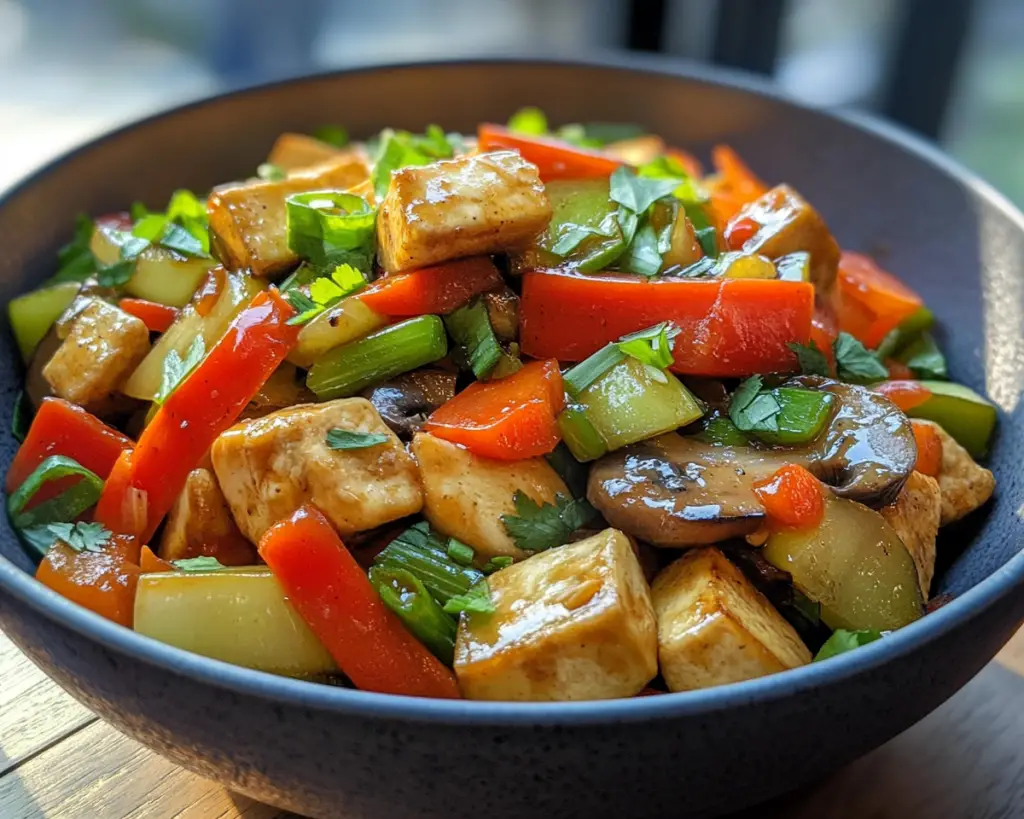
Low-calorie vegetable stir fry is the perfect dish for anyone looking to enjoy a flavorful, vibrant meal without the guilt. Picture a rainbow of fresh vegetables sizzling in a hot pan, each piece glistening with a touch of seasoning, ready to be devoured. Whether you’re a busy parent trying to whip up a quick weeknight dinner, a health-conscious individual aiming to cut down on calories, or simply someone who loves colorful plates, this recipe is designed with you in mind.
What makes this low-calorie vegetable stir fry so special? It’s not just about the health benefits; it’s about the burst of flavors that come together in just a few minutes. You’ll learn how to make a delicious meal that is not only easy to prepare but also incredibly adaptable to suit your taste preferences.
In this article, we’ll delve into the details of what you’ll need, how to create this impressive dish step-by-step, and explore variations to keep things exciting. You’ll find tips for success and ways to avoid common pitfalls, ensuring that each stir fry you make is as delightful as the last. Let’s jump right in and get cooking!
What Is Low-Calorie Vegetable Stir Fry?
Low-calorie vegetable stir fry is a quick-cooking dish that primarily features an array of vibrant vegetables, seasoned and sautéed at high heat in a small amount of oil, often with the addition of herbs and spices for flavor. Traditionally coming from Asian cuisine, stir frying is a method that retains the texture and nutrition of the food while enhancing its flavors.
The beautiful thing about vegetable stir fry is that it can be customized according to seasonal produce or your personal dietary preferences. Common vegetables used include broccoli, bell peppers, snap peas, carrots, and mushrooms, all of which bring not only a plethora of colors but also different textures to your plate. The dish can be further enhanced with protein sources such as tofu or chicken, but in its simplest form, it remains a low-calorie, nutrient-dense option.
The outcome is a dish that’s satisfying and can be enjoyed as a main course or as a side, pairing wonderfully with whole grains like brown rice or quinoa. In many ways, this dish is a celebration of vegetables, making it a great ally for those looking to incorporate more plant-based meals into their diet.
Why You’ll Love This Low-Calorie Vegetable Stir Fry
There are many reasons to fall in love with this low-calorie vegetable stir fry. Here are some key benefits:
– **Delicious Taste**: Whenever you incorporate fresh vegetables, vibrant colors, and seasonings into a hot pan, you create a delightful aroma and taste that is hard to resist. The quick cooking method helps vegetables maintain their crunchiness, providing satisfying texture alongside their full flavors.
– **Easy to Prepare**: This stir fry comes together in about 25 minutes, making it an ideal meal for those busy weeknights when you want something healthy without spending hours in the kitchen.
– **Cost-Effective**: With easily accessible vegetables and common pantry staples, this meal provides flavorful cooking without breaking the bank. Plus, it allows for the use of leftover vegetables that may otherwise go to waste.
– **Nutrient-Rich**: Packed with vitamins, minerals, and dietary fiber, the various vegetables deliver an array of health benefits. Stir frying helps preserve their nutrient content better than some other cooking techniques due to the brisk cooking time and minimal use of oil.
– **Versatile**: You can easily adapt the stir fry to include seasonal vegetables, proteins, or even different spices and sauces to fit your personal preferences or dietary needs.
It’s worth noting that some may perceive healthy meals as bland or unexciting. This is where the vibrant flavors of the vegetables and a few well-placed seasonings change the dynamic of healthy eating drastically.
Ingredients You’ll Need
To make your low-calorie vegetable stir fry, gather the following ingredients:
– **Broccoli**: 1 cup, chopped
– Role: Provides a crunchy texture and is high in vitamin C and fiber.
– Substitutes: Cauliflower or Brussels sprouts can be used for a different flavor.
– **Bell Peppers**: 1 cup, sliced (mix of colors: red, yellow, green)
– Role: Adds sweetness and a pop of color to the dish.
– Substitutes: Zucchini or carrots can add a different sweetness.
– **Carrots**: 1 cup, sliced thinly
– Role: Contributes vibrant color and sweetness; rich in beta-carotene.
– Substitutes: Snap peas or green beans can offer a different crunch.
– **Snap Peas**: 1 cup, trimmed
– Role: Provides crispness and a mild sweetness.
– Substitutes: Green beans or asparagus are also good options.
– **Mushrooms**: 1 cup, sliced (any variety)
– Role: Adds a savory umami flavor to the dish.
– Substitutes: Eggplant or tempeh can work if you want to explore different textures.
– **Garlic**: 2 cloves, minced
– Role: Enhances the overall flavor profile with its aromatic qualities.
– Substitutes: Shallots or onion can be used for sweetness.
– **Ginger**: 1 tablespoon, minced
– Role: Offers a fragrant touch and aids digestion.
– Substitutes: Ground ginger can be used but in smaller amounts.
– **Soy Sauce**: 2 tablespoons
– Role: Serves as a seasoning base, providing saltiness and flavor.
– Substitutes: Tamari (gluten-free version) or coconut aminos for a sweeter taste.
– **Olive Oil or Sesame Oil**: 1 tablespoon
– Role: For sautéing and adding richness.
– Substitutes: Avocado oil can be used for a high smoke point.
– **Optional Proteins**: Tofu, chicken, shrimp – add according to your preference for a more filling meal.
– **Sesame Seeds**: For garnish (optional)
– Role: Adds nutty flavor and visual appeal.
Collecting these ingredients sets you up for a vibrant and healthy meal!
How to Make Low-Calorie Vegetable Stir Fry
Creating your low-calorie vegetable stir fry is a simple yet rewarding process. Follow these step-by-step instructions to create a delicious steaming plate of goodness:
1. **Prepare Your Vegetables**: Begin by washing all your vegetables thoroughly. Chop, slice, and dice them as mentioned in the ingredients section. Having everything prepped ahead of time will ensure that the cooking process goes smoothly.
2. **Heat the Oil**: In a large skillet or wok, heat the olive or sesame oil over medium-high heat. Allow the oil to heat until it shimmers, indicating that it’s hot enough for stir frying. A hot pan is crucial for quickly cooking the vegetables while retaining their texture.
3. **Add Aromatics**: Add the minced garlic and ginger to the hot oil. Sauté for about 30 seconds, stirring constantly to prevent burning. The aroma will fill your kitchen, creating an inviting atmosphere. This step not only enhances the flavor but also serves as the flavor base for the stir fry.
4. **Stir-Fry the Vegetables**: Begin with your denser vegetables like broccoli and carrots. Add them to the pan, stirring frequently for about 3-4 minutes until they begin to soften but still retain their crunch. Follow with bell peppers, snap peas, and mushrooms. Cook for an additional 3-4 minutes until everything is tender but not mushy. The vibrant colors should come alive in the pan!
5. **Season**: Once your vegetables are cooked to your liking, pour in the soy sauce (or your chosen alternative). Stir continuously for about another minute to help the flavors meld together. This step is critical as it adds complexity and depth to your dish.
6. **Taste and Adjust**: Taste your stir fry and adjust seasoning if needed. Here, you could add more soy sauce, a splash of rice vinegar for extra zing, or a pinch of pepper or chili flakes for heat.
7. **Serve**: Remove the skillet from the heat. If you’d like, sprinkle with sesame seeds for garnish as you plate your stir fry. Serve hot, either alone or over steamed brown rice or quinoa for added texture and nutrition.
Congratulations, you’ve mastered a healthy and delicious meal in under 30 minutes!
5 Variations & Substitutions
1. **Protein-Packed Version**:
– **How it Changes Flavor/Texture**: Adding tofu, chicken, or shrimp introduces a satisfying protein element, making it a heartier meal.
– **Who It’s For**: Perfect for those looking to increase their protein intake without altering the essence of the stir fry.
– **Tips for Success**: If using tofu, ensure to press out excess moisture before cubing and sautéing. For chicken or shrimp, adjust cooking times appropriately, ensuring they are fully cooked through.
2. **Spicy Stir Fry**:
– **How it Changes Flavor**: Incorporating spicy elements like chili sauce or chopped jalapeños adds a kick that complements the sweetness of the vegetables.
– **Who It’s For**: Ideal for those who crave heat and excitement in their meals.
– **Tips for Success**: Add chili sauce or peppers at the same time as when you add the soy sauce to allow the flavors to blend.
3. **Curry Vegetable Stir Fry**:
– **How it Changes Flavor**: This twist introduces curry powder or paste, providing a warm, aromatic essence to the dish.
– **Who It’s For**: Great for those who enjoy Indian-inspired flavors.
– **Tips for Success**: Use coconut milk as an addition when cooking if you want a creamier texture. Add the curry paste after sautéing the garlic and ginger, allowing for the spices to bloom before adding the vegetables.
4. **Noodle Stir Fry**:
– **How it Changes Flavor/Texture**: Adding cooked rice noodles can turn your stir fry into a filling meal, providing more substance.
– **Who It’s For**: Best for those wanting a more filling, carbohydrate-rich option.
– **Tips for Success**: Make sure to cook and drain noodles according to package instructions before adding them to the pan at the end, mixing well to combine everything without clumping.
5. **Seasonal Favorites**:
– **How it Changes Flavor**: Utilizing seasonal vegetables such as asparagus in spring or squash in fall introduces new textures and flavors.
– **Who It’s For**: Perfect for maintaining variety in your diet and reducing waste.
– **Tips for Success**: Just be mindful of the cooking times as different vegetables require various length times to cook through.
Common Mistakes to Avoid
While stir frying might seem like an uncomplicated process, several common pitfalls can affect the overall quality of your dish. Here are some to watch out for:
– **Overcrowding the Pan**: If you place too many vegetables in the pan at one time, you may end up steaming them instead of stir-frying. This can cause your vegetables to become soggy instead of crisp. To avoid this, cook in batches if needed, giving the vegetables enough space to move around and properly sauté.
– **Not Heating the Oil Adequately**: If the oil isn’t hot enough when you add the vegetables, you’ll lose the intended crunch. Always ensure your oil is heated until shimmering before adding any ingredients — you should hear a sizzle!
– **Ignoring Texture**: Different vegetables have varied cooking times. Mandating all vegetables to cook for the same duration can lead to some being overcooked while others are undercooked. To prevent this, start with denser vegetables first and gradually add those that cook faster.
– **Insufficient Seasoning**: Under-seasoning your stir fry can lead to a bland dish. Remember to taste as you go! Adding a splash of soy sauce or fresh herbs at the end can elevate the flavor significantly.
– **Skipping the Garlic and Ginger**: These aromatics are essential for creating a fragrant and flavorful dish! Avoid skipping them; instead, minimize their cooking time to avoid burning.
By keeping these common mistakes in mind, you’ll be well on your way to creating a fabulous low-calorie vegetable stir fry every time!
Storage, Freezing & Reheating Tips
Storing and reheating your vegetable stir fry is straightforward, giving you the advantage of meal prep and leftovers. Follow these tips for best practices:
– **Storing**: Allow your stir fry to cool to room temperature before transferring it to an airtight container for immediate storage. It can last in the refrigerator for about 3-4 days. When storing, consider keeping any protein separate if using meat or tofu to maintain texture.
– **Freezing**: While freezing works, it’s important to note that not all vegetables freeze well and may change texture upon thawing. If you opt to freeze it, make sure to cool it completely before also storing it in an airtight container, consuming it within 2 months for optimal quality.
– **Reheating**: To reheat, you can use a microwave for quick results, making sure to stir the mixture halfway to ensure even heating. If you prefer stovetop reheating, use medium heat while continuously stirring until heated through. You may wish to add a splash of sesame oil or soy sauce to freshen up the flavors during reheating.
Maintaining proper food safety practices, such as ensuring foods are cooled quickly and reheated thoroughly, will keep your meals tasty and safe to eat.
Frequently Asked Questions
1. **Can I add meat to this dish?**
Yes! You can incorporate a variety of proteins such as chicken, beef, or shrimp. Just ensure that you cook the meat thoroughly while ensuring that your vegetables retain their crunch. Sauté the meat first until cooked through, then add your vegetables to the pan.
2. **How can I make this dish gluten-free?**
To make your low-calorie vegetable stir fry gluten-free, swap regular soy sauce for tamari or coconut aminos. Always check labels to ensure other added ingredients, such as sauces or seasonings, are gluten-free as well.
3. **What other vegetables can I use?**
The beauty of stir fry is its adaptability! You can use a variety of seasonal vegetables like zucchini, eggplant, bok choy, or even leafy greens like spinach, depending on what you have available. Just be mindful of each vegetable’s cooking time for even results.
4. **Is it possible to meal prep this dish for the week?**
Absolutely! This stir fry is a great candidate for meal prepping. You can prepare and store it in the refrigerator and reheat as needed. Just note that some vegetables may lose their initial crunch, but it will still yield a delicious meal throughout the week.
5. **What can I serve with this stir fry?**
Serving your low-calorie vegetable stir fry over rice (brown, white, or cauliflower rice) or noodles (like soba or whole-grain pasta) can be a nice addition. You can also serve it alongside grilled chicken, tofu, or as part of a larger Asian-inspired meal alongside dumplings or spring rolls.
### Conclusion
This low-calorie vegetable stir fry stands as a testament to healthy cooking that doesn’t compromise on flavor. With its vibrant colors, nutritious ingredients, and versatility, you’ve now got a go-to recipe for any occasion, whether it’s a busy weeknight dinner or a colorful dish ready for impressing guests.
Now it’s your turn! Bring the tastes of this dish into your kitchen, customize it to your preference, and enjoy the benefits it brings. Trust me; once you start exploring the delightful world of stir frying, you won’t look back. Happy cooking, and don’t forget to share your creations with friends and family!
[Read also: Easy Dessert Recipes for Beginners]