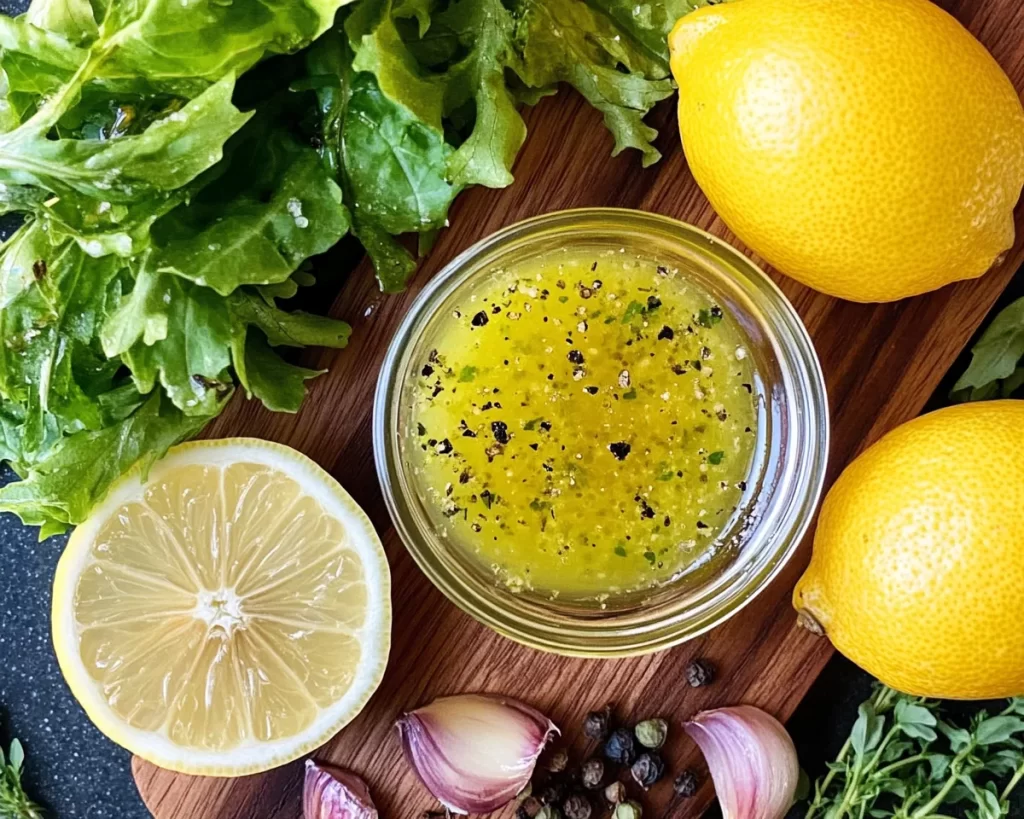
Prep time: 10 minutes
Cook time: 0 minutes
Total time: 10 minutes
Servings: 4
If you’ve ever tasted a salad and thought to yourself, “It’s missing something,” chances are you were craving a delicious dressing. This is where the magic of Lemon Vinegarette Dressing comes into play. With bright, zesty notes and a smooth, light consistency, this dressing elevates any spring salad into an unforgettable culinary experience. You might find yourself drizzling it on everything from mixed greens to roasted vegetables, making your meals not only more flavorful but also visually appealing and satisfying.
This Lemon Vinegarette Dressing is special because it strikes a perfect balance between tangy and slightly sweet, making it versatile for various salad combinations. Furthermore, it’s incredibly easy to whip up, requiring no cooking and just a handful of ingredients that you likely already have in your pantry. In this article, we’ll dive deeper into the components of this remarkable dressing, explore how to prepare it step by step, and even discuss creative variations and troubleshooting tips to ensure that your culinary adventure is smooth sailing.
What Is Lemon Vinegarette Dressing for Spring Salads (Fresh + Light)?
Lemon Vinegarette Dressing is a classic, tangy dressing that enhances the fresh flavors of spring salads. Traditionally found in Mediterranean cuisine, this dressing utilizes elements like olive oil, vinegar, lemon juice, and various seasonings to create a harmonious blend. The texture is light and slightly emulsified, making it enjoyable to coat fresh vegetables like spinach, arugula, and mixed greens without being too heavy or overpowering.
The flavor profile is bright and invigorating, which makes it the perfect companion for seasonal produce. The acid from the lemon juice brightens the natural sweetness of vegetables, while the olive oil adds richness and a smooth mouthfeel. Together, these ingredients create a dressing that enlivens your palate, making even the simplest salads burst with flavor. You will soon find that whipping up a batch of this dressing is not only a breeze but a delightful way to elevate your meals.
Why You’ll Love This
There are numerous reasons why this Lemon Vinegarette Dressing is an excellent addition to your culinary repertoire. First, the taste is simply exceptional. With its fresh citrus notes and balanced acidity, this dressing can turn humble salads into vibrant, flavor-packed dishes that will please even the pickiest of eaters.
In terms of ease, you’ll appreciate that making this dressing takes only minutes. There’s no need to heat up the stove or spend hours in preparation—just whisk the ingredients together in a bowl, and you’re ready to go! The cost factor is also a bonus; using simple ingredients like olive oil, lemon, and vinegar keeps your budget in check, making this a fantastic option for busy families or beginner cooks looking to try something new.
Moreover, this dressing is versatile. It pairs wonderfully with a variety of ingredients and can adapt to different dietary preferences. You can easily modify it to be vegan, gluten-free, or even dairy-free by selecting appropriate substitutes. This recipe will not only help invigorate your spring salads but will also give you ideas for other dishes where this dressing can shine, such as grilled meats or roasted vegetables.
Ingredients You’ll Need
To create your sumptuous Lemon Vinegarette Dressing, you’ll need the following ingredients:
- 1/4 cup extra virgin olive oil: This acts as the base of your dressing, providing a rich flavor and a smooth texture. Olive oil has heart-healthy monounsaturated fats and is often the go-to oil for dressings.
- 2 tablespoons fresh lemon juice: Freshly squeezed lemon juice gives your dressing a bright, zesty flavor that brightens the entire salad. Avoid bottled lemon juice for the best taste!
- 1 tablespoon white wine vinegar: This adds acidity and depth; it complements the lemon juice well. If you prefer a milder flavor, you can use apple cider vinegar as a substitute.
- 1 teaspoon Dijon mustard: The mustard not only helps emulsify the dressing, making it smooth and creamy, but also gives it a subtle punch. You can use whole grain mustard for a varied texture.
- 1 clove garlic, minced: Garlic adds aromatic notes that provide rebellious flavors without overwhelming the combination. For a milder garlic flavor, you can roast the garlic first.
- Salt and pepper to taste: These seasonings round out the flavors of the dressing, enhancing both the lemon and oil without overshadowing them. Season gradually and taste as you go!
These ingredients come together to create a dressing that’s not only delicious but also packed with nutritional benefits. The use of fresh, real foods means you can feel good about what you’re serving your family.
How to Make
Creating this Lemon Vinegarette Dressing is straightforward and can be accomplished in a few easy steps.
- Gather your ingredients: Start by measuring out all your ingredients. Prepare a small bowl or mixing jug to combine them. Having everything ready to go makes the process much smoother.
- Combine the base ingredients: In your bowl, start by adding the lemon juice, white wine vinegar, and the Dijon mustard. Whisk these together until they are perfectly blended. This whisking process helps to incorporate the mustard, which is vital for emulsification.
- Add garlic: Next, incorporate the minced garlic into the mixture. Whisk again to distribute it evenly. At this stage, your dressing should already smell wonderful, thanks to the fresh garlic.
- Drizzle in the olive oil: Now it’s time to add the olive oil. While whisking continuously, slowly drizzle the oil into the mixture. This technique allows the oil to blend seamlessly with the vinegar and lemon juice, preventing separation.
- Taste and season: Once the dressing is well combined, taste it and add salt and pepper to your liking. Remember, seasoning is crucial for bringing out the flavors, so adjust as necessary.
- Store or serve: If you’re not using the dressing right away, you can store it in an airtight container in the refrigerator. When you’re ready to use it, give it a good shake or stir to recombine before drizzling over your salads.
This dressing can be made in a short amount of time and absolutely guarantees freshness in every bite. The balance of flavors means you’ll want to keep it on hand for all your spring salad needs!
Variations & Substitutions
Sweet Citrus Variation: If you’re looking to add a twist of sweetness, consider incorporating orange juice along with the lemon juice in equal parts. This variation brings a delightful citrus medley to the dressing, enhancing the overall flavor profile. The addition of orange complements the lemon beautifully while adding natural sweetness. This is especially nice for kids or those who love a hint of sweet in their dressings.
Herb-Infused Variation: If you’re a fan of herbs, try adding fresh chopped herbs like basil, parsley, or dill. This will introduce delightful new flavors and aromas to the dressing, making it even more refreshing. Fresh herbs add visual appeal and a freshness that sticks out in salads, especially when you’re showcasing seasonal greens. This variation is perfect for those who enjoy a more garden-fresh taste.
Spicy Kick Variation: If you crave heat, mix in a pinch of red pepper flakes or a dash of hot sauce to the dressing. This variation is ideal for those who love bold flavors and want to add an extra dimension to their dish. The spicy element will provide a satisfying contrast to the acidity of the lemon and vinegar, making your salad a memorable experience.
Nutty Flavor Variation: To introduce a nutty depth, consider blending a spoonful of tahini (sesame paste) into the dressing. This alteration gives a creamy texture while adding complexity. This nutty variation pairs exceptionally well with roasted vegetables or grain-based salads. It’s also a fantastic option for those seeking a vegan-friendly dressing that still offers richness.
Creamy Variation: If you’re longing for something creamier, simply whisk in a tablespoon or two of Greek yogurt or dairy-free yogurt. This adaptation creates a luscious creaminess that coats the salad perfectly, adding a whole new texture. For those who might be looking for additional protein in their salads, this can be a game-changer, making the dish more satisfying.
These variations not only enhance the dressing but also reflect different flavor preferences and dietary needs. Feel free to adjust the quantities to suit your taste and always have fun experimenting!
Common Mistakes to Avoid
One common mistake when making lemon vinegarette dressing is not using fresh ingredients. Always opt for freshly squeezed lemon juice instead of store-bought versions, as the latter often contain preservatives and lack the vibrant taste necessary for an exceptional dressing.
Another issue could be the emulsification process. If you add the olive oil too quickly or don’t whisk vigorously enough, the dressings can separate. Aim for a slow drizzle while whisking to allow the fats to combine effectively. If you find your dressing has separated, simply give it a good shake or stir before serving.
Finally, a lack of seasoning can leave your dressing tasting flat. Make sure to taste your dressing before serving and adjust the salt and pepper accordingly. The right amount of seasoning elevates the entire dish, making a world of difference in flavor.
Storage, Freezing & Reheating Tips
With its simple ingredients, this Lemon Vinegarette Dressing is best enjoyed fresh, but it can be stored in an airtight container in the refrigerator for up to a week. Before using, always give it a good shake, as separation may occur.
If you happen to have leftovers, you can utilize them in various ways. It works well as a marinade for grilled chicken or fish, adding flavor without the need for excessive added fats.
As for freezing, while it’s not ideal given that the texture and flavor may change once thawed, you can freeze the dressing in ice cube trays. Once frozen, they can be transferred to a freezer-safe bag for up to three months. Use thawed cubes to dress salads in the off-season when the produce isn’t as fresh.
Always follow food safety best practices by ensuring that your containers are clean and that any leftover dressing is discarded after a week if not used.
Frequently Asked Questions
Can I make Lemon Vinegarette Dressing ahead of time?
Yes, you can prepare this dressing in advance! Simply store it in an airtight container in the refrigerator for up to a week. Just remember to give it a good shake or whisk before serving, as the ingredients may separate over time. This make-ahead convenience allows you to save time during meal prep, especially when hosting guests.
Can I use different types of vinegar?
Absolutely! If you prefer a milder taste, apple cider vinegar or red wine vinegar can be substituted for the white wine vinegar. Each type will slightly alter the flavor of the dressing, so feel free to experiment with what you enjoy most. This gives you room to customize the recipe to fit your personal taste and dietary needs.
How do I fix an overly tangy dressing?
If you find that your dressing is too tangy, a solution would be to add a bit of sweetener. A teaspoon of honey or maple syrup can help balance the acidity from the lemon juice and vinegar. Also, consider increasing the amount of olive oil added, which can mellow out the flavors while enriching the dressing’s texture.
Is this dressing suitable for meal prep?
Yes, this dressing is excellent for meal prep! You can make a larger batch at the beginning of the week and use it across various salads or as a marinade for proteins. It’s a quick way to add flavor to your meals without cooking. Just ensure that you store it properly and shake well before each use.
Can I use dried herbs instead of fresh?
Yes, you can use dried herbs if fresh ones are not available. Use about one-third of the amount if substituting dried herbs for fresh, as dried herbs are typically more potent. Add the dried herbs when mixing in the vinegar and mustard so that they have time to rehydrate and infuse their flavor into the dressing.
Conclusion:
This Lemon Vinegarette Dressing is not only a quick and easy solution to elevate your salads; it embodies so much of what we cherish about fresh, wholesome food. Its bright, tangy flavor will bring a new life to your meals, while its versatility allows for exciting variations that keep things interesting. Whether you’re whipping up a light lunch during a busy workweek or dressing up a hearty salad for a weekend gathering, this dressing is bound to impress.
So why not give it a try? Customize it to suit your taste, explore different ingredients, and share it with friends and family. You’ll soon find that your salads become the highlight of the meal, and your culinary skills will shine through effortlessly!