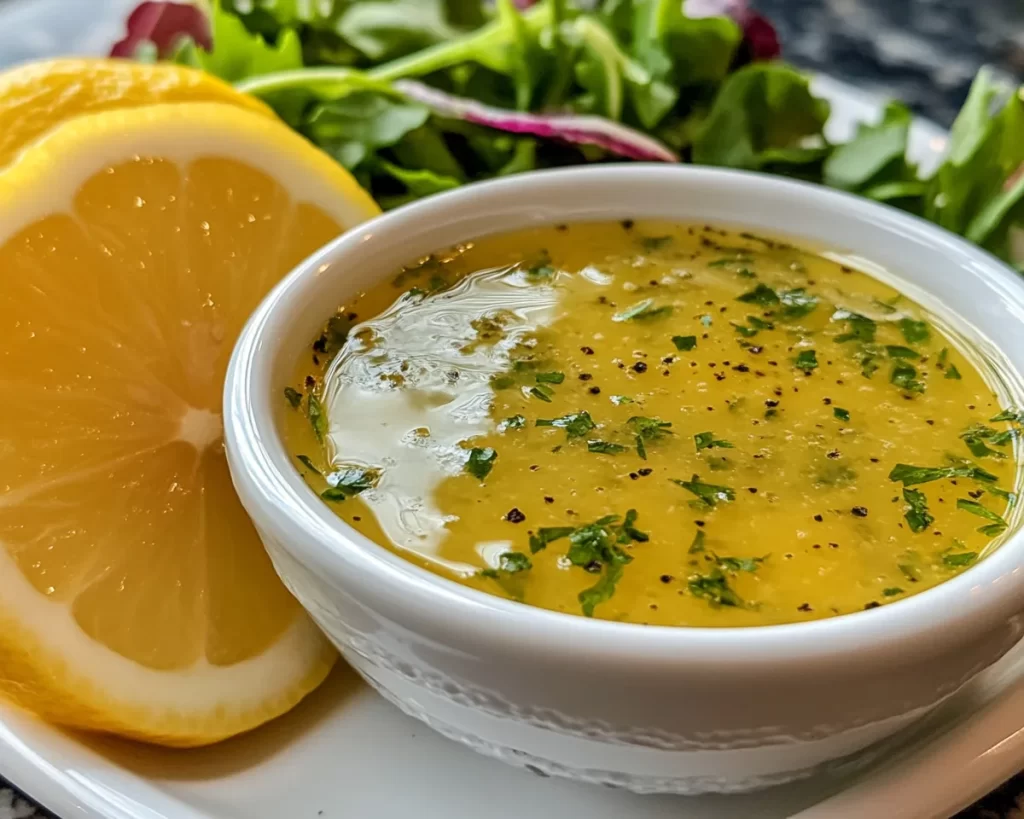
Prep time: 5 minutes
Cook time: 0 minutes
Total time: 5 minutes
Servings: 4
There’s something incredibly refreshing about a well-made salad. No matter whether it’s a simple mixed greens salad or a more elaborate meal, the perfect Lemon Vinaigrette Dressing elevates every bite. Think about it—you’re about to dive into a bowl of crisp vegetables, and just when you think you’ve found that convenient store-bought dressing, you remember that homemade options exist! This 5-Minute Salad Dressing is remarkably easy to whip up and can completely transform your meal into something special.
In this article, I’ll take you through everything you need to know about creating your own lemon vinaigrette at home. From understanding what makes this dressing unique to easy variations and tips for mastering it, consider this your go-to guide for a dressing that’s sure to impress not just your family, but also your guests!
What Is Lemon Vinegarette Dressing (5-Minute Salad Dressing)?
Lemon vinaigrette dressing is a classic condiment that marries the vibrant, zestiness of fresh lemons with the rich, nutty flavors of oil. The foundation of this dressing lies in its simplicity: quality ingredients blended harmoniously to create an explosion of flavor that brightens up any salad. The origins of vinaigrette can be traced back to French cuisine, where it has been a staple for centuries. It’s versatile and can also be used as a marinade for meats or as a drizzle over roasted veggies, amplifying the taste and aroma.
The texture of lemon vinaigrette is silky, coating your salad greens and ensuring an even distribution of flavor in every bite. When you prepare this homemade version, you have complete control over the ratios of each component, allowing customization that store-bought options can’t offer. Unlike the overly sweet or artificially flavored dressing you might find in a bottle, this recipe sings of freshness—a perfect balance of tartness and zest that pairs beautifully with various salads, especially those featuring soft cheeses or grilled vegetables.
The flavor profile of lemon vinaigrette is bright and tangy, thanks to the use of fresh juice and zest from the lemons. The olive oil brings a smooth richness, creating a delightful contrast. When well-blended, the dressing has a light body, making it perfect for drizzling—keeping your salad from becoming soggy. Whether you’re drenching a fresh garden salad or lightly tossing it with roasted root vegetables, this dressing will add an element of sophistication.
Why You’ll Love This
There’s a lot to love about making your own lemon vinaigrette dressing. First of all, it’s incredibly easy and fast—taking you just five minutes from start to finish. This is particularly beneficial for busy parents or beginners in the kitchen who want to create meals that feel elevated without spending hours at the stove. All the ingredients can be found in your kitchen pantry, making it a budget-friendly option as well. This version of lemon vinaigrette is also healthy, containing no preservatives or added sugars, allowing you to enjoy guilt-free indulgence.
In addition, lemon vinaigrette is highly versatile. You can easily personalize it according to your preferences or dietary needs by switching up the types of oil, adding herbs, or adjusting the acidity level with more or less lemon juice. It can also pair with a wide variety of salads—from bold greens and light spring mixes to hearty grains. One common misconception is that homemade dressings are complicated or time-consuming; however, this recipe dispels that myth entirely. Besides, when you taste the difference—sharp, fresh flavors—you’ll understand why making your own is often superior to store-bought alternatives.
Common mistakes usually arise when the balance of acidity and oil is off. You don’t want a dressing that is overwhelmingly sour or oily—finding the right balance is crucial. Pro tip: If you’re unsure, start with a smaller quantity of lemon juice, tasting as you go until you hit the perfect note.
Ingredients You’ll Need
Here is a list of the ingredients required to create this delicious lemon vinaigrette dressing:
- 1/2 cup extra virgin olive oil – This will provide a rich body to the dressing. It’s advisable to use high-quality oil, as the flavor will shine through. For a lighter taste, consider using canola or avocado oil as alternatives.
- 1/4 cup fresh lemon juice – Freshly squeezed juice gives the dressing a bright, tangy flavor that can’t be replaced by bottled options. If desired, you can substitute with lime juice for a different citrus twist.
- 1 teaspoon lemon zest – The zest enhances the lemony flavor, providing an aromatic quality. This step is essential; don’t skip it!
- 1 teaspoon Dijon mustard – This acts as an emulsifier, helping the oil and lemon juice to create a cohesive mixture. You can replace this with whole grain mustard for a more robust flavor.
- 1 teaspoon honey or maple syrup – A touch of sweetener balances the acidity. Adjust the amount to your taste or omit it entirely if you prefer a more tangy dressing.
- Salt and pepper, to taste – These are essential for seasoning and enhancing the overall flavors. Don’t underestimate their importance; a well-seasoned vinaigrette stands out.
Understanding what each ingredient brings to the table is vital in creating a successful lemon vinaigrette. For optimal freshness, aim to use all ingredients as soon as possible after purchase. If you want to steer clear of any allergens, make sure to check ingredient labels, especially for processed items like mustard or sweeteners.
How to Make
Making your own lemon vinaigrette dressing is quick and straightforward—perfect for those moments when you’re in a rush. Follow these step-by-step instructions for a dressing that will tantalize your taste buds:
- Start by preparing your ingredients. Slice fresh lemons in half and juice them into a measuring cup to ensure you get a precise 1/4 cup of lemon juice. Don’t forget to zest the lemons before juicing! This will really boost the flavor profile of your vinaigrette.
- In a mixing bowl, combine the lemon juice, lemon zest, and Dijon mustard. Use a whisk to mix them well together. This helps emulsify the dressing and brings the flavors together more effectively. The mustard will give the vinaigrette a nice creaminess.
- Next, slowly whisk in the extra virgin olive oil. It’s essential to add the oil gradually to allow it to emulsify properly with the other ingredients. This process will create a silky, smooth texture. It should take about 30 seconds of whisking to achieve the desired consistency.
- Add in the honey or maple syrup if you like a hint of sweetness. Whisk the mixture again, ensuring everything is well incorporated. Bear in mind that this step is optional; adjust according to your taste.
- Lastly, season your vinaigrette with salt and pepper to taste. I recommend starting with a pinch of salt and a few cracks of black pepper, tasting as you go. Remember, you can always add more, but it’s hard to take it out once it’s in!
- Transfer your dressing into a clean jar or bottle. This dressing can be stored in the refrigerator for about a week, though it’s best enjoyed fresh. Just give it a good shake before serving, as separation may occur.
Enjoy this dressing drizzled over salads, as a marinade for grilled chicken, or even as a dipping sauce for fresh bread. The options are endless, and the vibrant flavor will inspire you to create even more meals.
Variations & Substitutions
Herb-Infused Lemon Vinaigrette: If you enjoy a more complex flavor profile, consider adding fresh herbs like basil, thyme, or parsley. Simply chop the herbs finely and stir them into the vinaigrette at the end. This variation not only enhances the appearance of the dressing with flecks of green but also adds a fresh, aromatic undertone. It’s perfect for summer salads featuring tomatoes or grilled vegetables.
Spicy Lemon Vinaigrette: For those who enjoy a little heat, consider incorporating red pepper flakes or a dash of hot sauce. This culinary twist will awaken your taste buds and is excellent with robust salads that include hearty greens or elements such as chickpeas. Just be cautious with the amount; start small and adjust based on your heat tolerance.
Sweet Lemon Vinaigrette: Sweetening your Lemon Vinaigrette can add a delightful contrast. You can substitute honey for agave syrup or include finely chopped fruits like strawberries or peaches. Mash the fruits before whisking to integrate them smoothly. This variation is great for salads with nuts and cheese, adding a refreshing burst of flavor and texture.
Grainy Mustard Variation: Upgrading regular Dijon mustard to a coarse or whole grain version can add great texture and flavor, bringing an artisan feel to your dressing. This option goes wonderfully with robust salads featuring grains and legumes, offering a heartier mouthfeel and making it feel even more substantial.
Lemon-Avocado Vinaigrette: Incorporating ripe avocado into the mix adds creaminess without dairy. Blend half an avocado with the other ingredients for a thick, luscious dressing that pairs beautifully with crisp salads and crunchy vegetables. This is especially divine when making a summer salad that features light proteins or grains.
Experimenting with variations while sticking to the basic principles of this vinaigrette makes it easy for anyone, from busy parents to beginner home chefs, to customize their dressing to fit their meals or preferences.
Common Mistakes to Avoid
One of the most common mistakes when making lemon vinaigrette is not balancing the acidity and fat correctly. You want a harmonious ratio that enhances all the flavors. If your dressing ends up being too sour, try whisking in a bit more oil or sweetener. If it’s overly oily, adding more lemon juice or zest will brighten it up.
Another frequent error is using bottled lemon juice instead of fresh. The taste difference is significant. Fresh-squeezed lemon juice delivers an invigorating brightness that bottled juice simply can’t replicate. Always opt for fresh when possible!
Lastly, don’t forget to taste your vinaigrette as you go. It’s the key to achieving the right blend of flavors—and the only way to ensure that salt and pepper levels are on point. A dash of seasoning makes a world of difference, so don’t skip this step. Always take a moment to adjust as needed, because it’s much easier to correct those needs than to fix an unbalanced dressing after it’s made.
Storage, Freezing & Reheating Tips
When it comes to storing your lemon vinaigrette, it’s best kept in an airtight jar or container. This can easily be refrigerated for up to one week. If you have added fresh herbs to your dressing, it’s better to consume it within a few days to avoid any wilting or discoloration.
If you find you have leftovers, there’s no need to freeze vinaigrettes as most ingredients do not freeze well, which could alter their texture when thawed. Instead, consider making smaller batches to avoid wastage. For meals spaced throughout the week, prepare a fresh batch when needed, as making lemon vinaigrette takes minimal time.
When you’re ready to use the vinaigrette again, simply give it a strong shake to recombine the ingredients. If you notice separation (which is normal), don’t be alarmed—it’s natural! All you need to do is re-emulsify it by shaking or whisking before serving.
Frequently Asked Questions
Can I use bottled lemon juice instead of fresh?
While you technically can, using bottled lemon juice doesn’t offer the same tartness and brightness as freshly squeezed juice. Fresh lemons elevate the taste profile and aroma of your vinaigrette. If you’re in a pinch, you could use bottled juice but be prepared for a noticeable difference in flavor.
How do I make this vinaigrette taste sweeter?
If you prefer a sweeter dressing, simply increase the amount of honey or maple syrup to your taste. You can also try adding ingredients like finely chopped fruits, which will add natural sweetness and enhance the dressing’s complexity.
Can this vinaigrette be used on warm dishes?
Absolutely! While traditionally used on cold salads, lemon vinaigrette can elevate roasted or grilled vegetables too. Drizzle it over your dish right after cooking for a bright finish.
What can I substitute for olive oil?
If you want to go lighter, you can easily swap out olive oil for canola oil or avocado oil. Both alternatives maintain a mild flavor that complements the lemon beautifully while keeping the dressing healthy.
What is the best way to serve lemon vinaigrette?
Lemon vinaigrette is incredibly versatile. You can serve it drizzled over crisp garden salads, as a marinade for meats, or even as a dressing for grain bowls. It’s all about how you want to enhance the other flavors in your meal.
Conclusion:
The Lemon Vinaigrette Dressing is not just a condiment; it’s a culinary experience that enhances your salads and meals with brightness and flavor. With just a few simple ingredients and a few minutes of your time, you can create a dressing that not only rivals store-bought versions but surpasses them in freshness and taste.
Don’t hesitate to customize it according to your preferences, using the variations mentioned, or make it your own. Share your version with friends and family, and let them relish in the gourmet flavors you create at home. So grab your lemons, whisk away, and elevate your salads or grilled dishes to new heights!