Prep time: 15 minutes
Cook time: 1 hour
Total time: 1 hour 15 minutes
Servings: 4
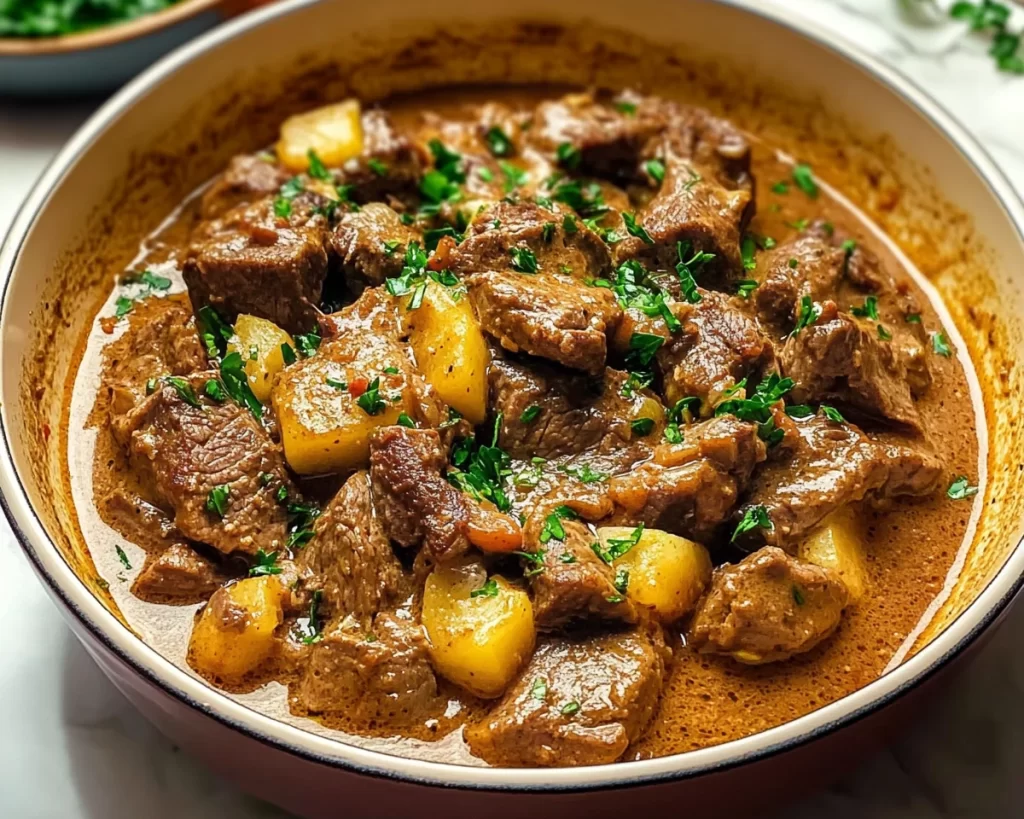
Imagine a comforting bowl of rich, decadent beef stew, simmering away on a chilly evening. The aroma wafts through your kitchen, enveloping you in a warm embrace that whispers “home.” This is the essence of “I Can’t Stop Making This Rich Leftover Beef Dish.” It’s a recipe that feels like a hug from your grandmother, practical yet deeply indulgent. What makes this dish so irresistible? It’s all about transforming leftover beef into a hearty meal that feels brand new, delightfully tender and packed with flavor. You’ll learn not just how to cook it, but also the nuances of flavoring, variations that can change the entire experience, and handy tips that make the process foolproof.
What Is I Can’t Stop Making This Rich Leftover Beef Dish?
The essence of this dish lies in a deliberate and slow cooking process that transforms what could be mundane leftovers into something extraordinary. Originating from home cooks who understood the value of making the most of every ingredient, this dish showcases tender pieces of beef that melt in your mouth, rich broth infused with a medley of aromatics, and hearty vegetables that lend texture and depth. The beauty of this recipe lies not only in its comforting flavor but also in its adaptability, making it ideal for different dietary preferences and occasions.
The base of the dish typically features leftover beef, often from a roast or stew. The addition of carrots, potatoes, and aromatic spices works harmoniously to elevate the flavors. Imagine the interplay of juicy beef with sweet carrots and earthy potatoes, creating a medley that warms the heart as much as the body. Adding a splash of red wine brings acidity and complexity, while fresh herbs like thyme and parsley introduce freshness. The result is a dish that delivers both nourishment and delight, making it a staple in many households.
Why You’ll Love This
There are ample reasons to fall in love with this rich leftover beef dish. First and foremost, its taste is absolutely comforting. Each spoonful provides a delightful burst of flavors—umami from the beef, sweetness from the vegetables, and complexity from herbs and spices. It’s not just a satisfaction of hunger; it’s a sensory experience that draws you in, making you want to savor every bite.
Another compelling reason to enjoy this recipe is its *ease*. Using leftovers means you’ve already put in the labor of cooking the beef, allowing the dish to come together swiftly. Whether you’re a busy parent juggling multiple responsibilities or a beginner who wants to confidently create something special without much fuss, this dish is forgiving and straightforward. Furthermore, it’s an economical choice. By utilizing what you already have, you minimize food waste and save on grocery bills.
Many believe comfort food is inherently unhealthy, but this dish can actually be quite nutritious. By incorporating vibrant vegetables and fresh herbs, you enhance the dish’s health quotient. You can make adjustments to accommodate dietary preferences, such as opting for gluten-free ingredients or swapping in seasonal vegetables. Its versatility serves as a shining example of how leftover ingredients can be transformed into something delightful and nourishing.
Ingredients You’ll Need
- Leftover Beef – The star of the dish. This can be anything from pot roast to grilled flank steak. Feel free to chop or shred it into bite-sized pieces for the best texture.
- Olive Oil – Used for sautéing vegetables and adding healthy fats. You can substitute with butter for a richer flavor.
- Onion – Adds a sweet depth. Choose yellow onions for a balance of sweetness and sharpness.
- Garlic – A must for aromatic richness. Fresh is best, but pre-minced can work in a pinch.
- Carrots – Their natural sweetness complements the savory beef; choose firm and brightly colored ones.
- Potatoes – Yukon Gold or Russets are great choices. They add heartiness to the dish.
- Red Wine – This adds complexity to the broth. Choose a dry red; the alcohol cooks off, leaving rich flavor.
- Beef Broth – Provides body to your dish. You can use low sodium for better control over salt levels.
- Thyme & Parsley – Fresh herbs elevate the dish. Dried herbs can also work; just use less since they are more concentrated.
- Salt & Pepper – Essential for seasoning; adjust to your taste as the stew cooks.
How to Make
- Start by gathering your ingredients. It’s essential to have everything at hand, especially the leftover beef. Chop it into manageable pieces if it’s a roast.
- Heat a large pot or Dutch oven over medium heat. Once hot, add a suitable amount of olive oil. You want just enough to coat the bottom of the pot, providing a shallow frying surface.
- Add the chopped onion and sauté for about 5-7 minutes until they are soft and translucent. The goal is to develop sweetness, so don’t rush this step.
- Next, add minced garlic, stirring for another minute. Your kitchen will soon fill with a delightful aroma. Make sure not to burn the garlic; keep it moving!
- Introduce the chopped carrots and potatoes. Stir everything together, letting the vegetables soak up the flavors, about 5 minutes. You want them slightly tender but not fully cooked yet.
- Pour in the red wine, scraping any bits off the bottom of the pot. This deglazing step adds depth to the final dish while helping to develop rich flavors.
- Add the beef broth and stir in the leftover beef. Make sure everything is well incorporated. The broth should just cover the meat and vegetables.
- Season with salt, pepper, thyme, and parsley. Bring the mixture to a gentle boil, then reduce to a simmer. Cover the pot and let it cook for about 45 minutes, stirring occasionally.
- Check the tenderness of the vegetables and beef after 45 minutes. If they are fork-tender, it’s time to taste and adjust the seasoning if needed. Remember to check for salt and pepper!
- If the stew seems too watery, you can let it simmer uncovered for a few more minutes to thicken it up. The consistency should be rich and satisfying.
- Finally, ladle the stew into bowls, garnishing with fresh parsley if desired. Serve it hot, and enjoy a generous portion of warmth and flavor!
Variations & Substitutions
Vegetarian Variation: You can easily convert this dish into a vegetarian delight by substituting the beef with hearty mushrooms or lentils. Mushrooms like portobello or cremini can add a meaty texture alongside an earthy flavor, while lentils will soak up the rich cooking liquid. Just ensure to use vegetable broth instead of beef broth for maintaining flavor integrity. Adding a splash of soy sauce or liquid smoke can replicate that beloved umami flavor present in the original dish.
Spicy Variation: If you love a bit of heat in your meals, consider adding diced jalapeños or crushed red pepper flakes during the sauté stage. A tablespoon of chipotle paste can also introduce both heat and a smoky flavor, making the dish completely irresistible. This variation is fantastic for those who enjoy a meal that has a touch of kick, providing a delightful contrast to the richness of the beef and vegetables.
Global Flavors Variation: Elevate your dish by adding regional ingredients. For an Irish twist, incorporate Guinness beer instead of red wine and add peas for a pop of color and sweetness. For an Italian flair, consider adding some diced tomatoes and a splash of balsamic vinegar, along with Italian herbs like oregano. The world is your oyster when it comes to flavoring this dish, allowing you to explore new cultures with every variation!
Slow Cooker Adaptation: If you have a busy schedule, turning this dish into a slow cooker marvel is both easy and rewarding. Simply transfer all your ingredients into the slow cooker, adjusting the liquid accordingly. Cook on low for about 6-8 hours. The flavors will meld even more beautifully, requiring minimal active engagement on your part. This method is perfect for meal prep or when you want the comfort of a hot meal waiting for you without the hassle of active cooking.
Common Mistakes to Avoid
One common mistake is not *seasoning* adequately throughout the cooking process. It’s essential to taste and adjust seasoning at various points. Also, don’t be afraid to experiment with additional spices or herbs as they can significantly elevate flavor. Another common pitfall is overcooking the vegetables; you want them to be tender but not mushy by keeping an eye on time. Additionally, not letting the stew simmer long enough can lead to a less rich flavor. Remember, the key to a deeply satisfying stew lies in allowing the flavors to develop properly, so patience is crucial!
Storage, Freezing & Reheating Tips
Proper storage of your leftover beef dish is essential to maintain quality. Allow the stew to cool completely before transferring it to an airtight container. It can be stored in the refrigerator for up to three days or frozen for up to three months. When reheating, ensure it’s heated thoroughly to an internal temperature of 165°F (74°C) for food safety. If you find it too thick, feel free to add a splash of broth or water to regain that delightful stew consistency.
For frozen portions, it’s recommended to thaw in the refrigerator overnight before reheating. If you’re in a hurry, you can use the microwave, but ensure to stir it halfway through. Slow reheating on the stovetop is often preferred for optimal texture, allowing the flavors to meld as you gently warm the stew over low heat.
Frequently Asked Questions
Can I use any type of leftover beef?
Absolutely! You can use any leftover beef, such as pot roast, steaks, or even shredded beef. Just ensure the pieces are small enough for easy mixing with vegetables. Different cuts may introduce varied flavor profiles, so don’t hesitate to mix things up based on your leftovers.
How can I make the stew thicker?
If your stew is too thin, you can create a slurry with cornstarch and cold water, then stir it in as it simmers. Alternatively, allowing it to simmer uncovered for a bit will help evaporate excess liquid. Remember, thickening choices can also be influenced by adding potatoes or even blending a portion to create a smooth texture.
Is it necessary to use red wine?
While red wine adds depth and richness, you can skip it if desired. Substitute with additional beef broth or a splash of vinegar for acidity. Wine complements many flavors, but this dish can thrive without it as well; just make sure to adjust seasonings accordingly.
Can I prepare this dish in advance?
Yes! In fact, many find it tastes even better the next day as flavors meld together. You can prepare the dish ahead of time and refrigerate it, allowing for quick reheating. This makes it an excellent choice for meal planning or family gatherings.
What side dishes pair well with this beef stew?
This hearty dish pairs beautifully with crusty bread for dipping or a light salad to balance the richness. Vegetables such as steamed green beans or a fresh garden salad offer a crisp contrast, making the entire meal well-rounded and satisfying.
Conclusion:
In summary, “I Can’t Stop Making This Rich Leftover Beef Dish” stands out as a comforting staple that maximizes the potential of what’s already on your plate. This recipe is all about versatility and flavor, allowing you to create something delightful and nourishing from simple ingredients. So why not gather your leftover beef and dive into this warming dish? Customize it, make it your own, and don’t forget to share your results. Happy cooking!