Prep time: 10 minutes
Cook time: 10 minutes
Total time: 20 minutes
Servings: 4
Planting spring onions is a rewarding endeavor that not only enhances your garden but also adds a fresh flavor to your cooking. Not only are they easy to cultivate, but spring onions are also versatile in the kitchen, making them a favorite for many home cooks. In this guide, we’ll breakdown the process into simple steps that even novice gardeners can follow.
What Is How to Plant Spring Onions: 5 Simple Steps for a Thriving Garden?
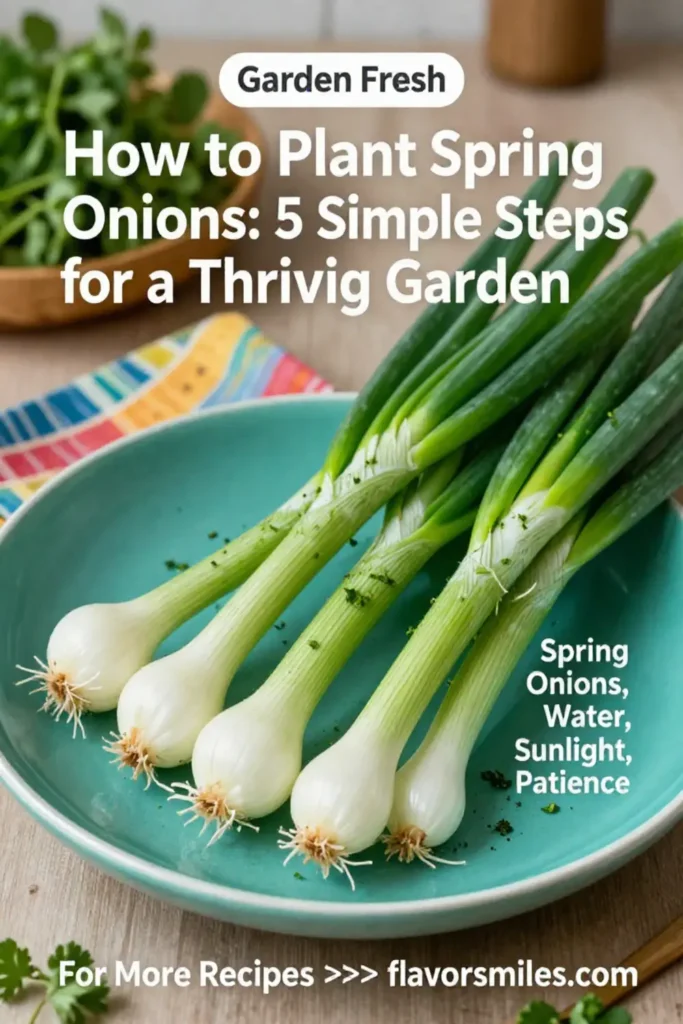
Spring onions, also known as scallions, are tender, mild onions harvested before the bulb fully develops. They are known for their delicate flavor and vibrant green tops. Growing them at home means you have a fresh supply at your fingertips for salads, soups, and various dishes. This guide will provide clear instructions on how you can grow your own spring onions, ensuring a fruitful and satisfying gardening experience.
Why You’ll Love This
The joy of gardening is unparalleled. Planting spring onions offers numerous benefits:
– **Quick Growth**: Spring onions grow rapidly, allowing you to enjoy a fresh harvest in just a few weeks. This quick turnaround makes them ideal for gardeners eager to see results.
– **Versatility in Dishes**: They can be used in salads, stir-fries, and garnishes, bringing a refreshing crunch and a mild onion flavor to your meals.
– **Low Maintenance**: Spring onions are relatively easy to grow, requiring minimal care compared to other vegetables. They thrive in various soil types and conditions.
– **Health Benefits**: Rich in vitamins A, C, and K, as well as antioxidants, they can contribute to your overall health while enhancing flavor.
Now that you’re excited about growing spring onions, let’s dive into what ingredients and materials you’ll need.
Ingredients You’ll Need
- Spring Onion Seeds: Choose high-quality seeds suited for your climate.
- Fertilizer: A balanced, organic fertilizer helps promote healthy growth.
- Potting Soil: Good quality potting soil provides the right nutrients and drainage.
- Water: Essential for germination and growth.
- Pots or Garden Bed: Choose appropriate containers or prepare garden beds for planting.

How to Make
- Choose Your Planting Location: Select a sunny area in your garden or a sunny windowsill if you prefer indoor planting. Spring onions thrive in full sunlight, so ensure they receive at least 6 hours of direct sun each day.
- Prepare the Soil: If using a garden bed, till the soil to about 12 inches deep, incorporating organic matter and fertilizer to enrich it. If using pots, fill them with quality potting soil, leaving about an inch of space at the top for watering.
- Plant the Seeds: Space the seeds about ½ inch apart and ¼ inch deep. Gently cover with soil and press lightly to ensure good seed-soil contact. If planting in rows, keep the rows about 12 inches apart to allow room for growth.
- Water Often: After planting, water the area well, ensuring the soil is moist but not waterlogged. Keep the soil consistently moist during the germination period, typically about 7 to 14 days.
- Thin Out Seedlings: Once your spring onions reach a height of about 2 inches, thin them out by snipping the weaker seedlings at the base. This allows the stronger plants to grow without competition. Aim for about 3 to 4 inches between each onion for optimal growth.
Variations & Substitutions
Growing in Containers: If you have limited garden space, you can easily grow spring onions in containers. Choose pots that are at least 6 inches deep and provide good drainage. This method offers flexibility and makes it easy to manage their growth conditions.
Interplanting with Other Vegetables: Spring onions make great companions to many vegetables such as carrots and lettuce. Interplanting can help ward off pests and maximize garden space.
Using Leftover Bulbs: You can regrow spring onions from kitchen scraps. Place the roots of green onions in a cup with water. Change the water every few days, and once you notice new green shoots emerging, transplant them into soil. This method is a sustainable and satisfying way to utilize kitchen waste.
Common Mistakes to Avoid
One of the most common issues when growing spring onions is overwatering. Too much moisture can lead to root rot, which can cripple your plants. Ensure you only water when the top inch of soil feels dry.
Another mistake is planting too close together. Giving each plant enough space is critical for proper growth. Crowded roots can lead to stunted development and smaller onions.
Lastly, neglecting fertilization can hinder your spring onions’ potential. Applying fertilizer as recommended can make a significant difference in their growth and flavor.
Storage, Freezing & Reheating Tips
To store fresh spring onions, wrap them in a damp paper towel and place them in a plastic bag in the refrigerator. They can typically last for about one to two weeks. Avoid washing them until ready to use, as excess moisture can promote spoilage.
For longer-term storage, consider **freezing** them. Chop the onions and spread them out on a baking sheet to freeze individually. Once frozen, transfer them to a freezer bag. They can last up to six months in the freezer.
When reheating or using frozen spring onions, there’s no need to thaw; add them directly to your dishes, whether it’s soups, stir-fries, or casseroles.
Frequently Asked Questions
How long do spring onions take to grow?
Spring onions typically take about 7 to 14 days to germinate and can be harvested in as little as 4 to 8 weeks, depending on the variety and growing conditions. They thrive in cool weather and can be grown in both spring and fall.
Can I grow spring onions indoors?
Yes! Spring onions are ideal for indoor gardening. Just ensure they receive sufficient sunlight, ideally near a south-facing window, and maintain consistent moisture in the soil.
What is the best time of year to plant spring onions?
The best time to plant spring onions is in early spring or late summer. However, they can be grown year-round in mild climates or indoors.
How do I know when my spring onions are ready to harvest?
When the green tops reach around 6 to 8 inches in height, your spring onions are ready to be harvested. You can pull them up carefully, ensuring not to damage the surrounding plants if they are planted closely.
Can I eat the tops of spring onions?
Absolutely! The green tops of spring onions are edible and add a fresh flavor to a variety of dishes. You can use them fresh in salads, as a garnish, or cooked in stir-fries.
Conclusion: Growing spring onions is a phenomenal way to incorporate fresh, homegrown flavors into your meals, making your cooking even more delightful. By following these straightforward steps, you’ll have a thriving crop of spring onions in no time. Happy gardening!