Prep time: 30 minutes
Cook time: 15 minutes
Total time: 45 minutes
Servings: 4
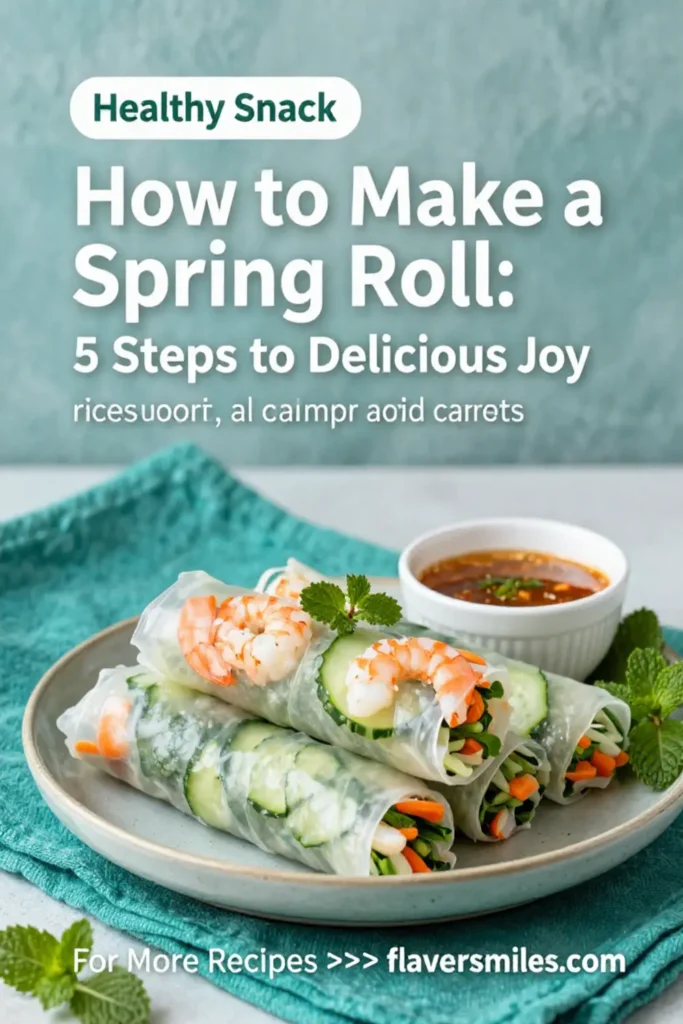
Making spring rolls is an incredibly rewarding culinary experience. They are not only crispy and tasty but also versatile and customizable, making them a perfect dish for any occasion. Whether you’re preparing them for a party, a cozy family dinner, or a simple weekday meal, these delightful rolls are sure to impress.
What Is How to Make a Spring Roll: 5 Steps to Delicious Joy?
Spring rolls are a traditional Asian dish known for their thin, crispy wrappers, filled with a variety of ingredients, ranging from fresh veggies to lean meats and flavorful herbs. They are often served with delicious dipping sauces, enhancing their taste. The beauty of spring rolls lies in their flexibility; they can be served fresh or fried, making them suitable for diverse palates.
Why You’ll Love This
1. **Quick and Easy**: With just a few steps, you can whip up a batch of homemade spring rolls that rival your favorite restaurant.
2. **Customizable**: You can adapt the fillings based on what you have in your pantry or suited to your dietary preferences.
3. **Fresh Ingredients**: The vibrant colors and textures of fresh veggies provide a nutritious punch, making these rolls both healthy and fulfilling.
4. **Perfect for Meal Prep**: Spring rolls store well, allowing you to prepare them ahead of time.
5. **Fun to Make**: Getting your family or friends involved in rolling the wraps can turn cooking into a fun activity.
Ingredients You’ll Need
- Spring roll wrappers: These thin, delicate sheets are the foundation of your rolls, providing the crunch you’ll love.
- Cabbage: Shredded cabbage adds crunch and a slight sweetness; Napa cabbage is a fantastic option.
- Carrots: Julienned carrots offer color and a touch of sweetness. They also provide an appealing crunch.
- Cucumber: Thinly sliced cucumbers give freshness and juiciness, balancing the other flavors.
- Fresh herbs: Mint and cilantro elevate the flavor with their fragrant notes.
- Protein (optional): Cooked shrimp, chicken, or tofu can be added for a heartier bite.
- Dipping sauce: A combination of soy sauce, peanut butter, or sweet chili sauce makes a flavorful accompaniment.

How to Make
- Prep Your Ingredients: Start by washing and chopping all your fresh vegetables. Shred the cabbage and carrots, slice the cucumber, and chop the herbs finely. Prepare your protein if you’re using any, making sure they are cooked and cut into thin strips.
- Soak the Wrappers: Fill a large bowl with warm water. Dip each spring roll wrapper into the water for about 15 seconds, or until it becomes pliable. Be careful not to over-soak them as they become too fragile and difficult to handle.
- Assemble Your Rolls: Lay the softened wrapper on a clean, flat surface. Place a small amount of each prepared filling in the center of the wrapper. Fold the sides over the filling, then roll from the bottom up to form a tight roll. Be gentle but firm to prevent tearing.
- Fry or Serve Fresh: If you prefer crispy rolls, heat oil in a skillet over medium heat, and fry the rolls for about 2-3 minutes on each side, or until golden brown. Alternatively, serve them fresh right after rolling.
- Prepare Your Dipping Sauce: In a small bowl, mix soy sauce with a hint of honey or peanut butter for a delightful dip that brings the rolls to life. You can also add chopped chili for an extra kick.
Variations & Substitutions
Vegetarian Spring Rolls: For a delightful twist, you can create a completely vegetarian version. Substitute the protein in the recipe with additional vegetables like bell peppers, avocados, or even cooked quinoa. These ingredients will enrich the flavor profile while maintaining a wonderful texture. You can also add a splash of sesame oil for an extra layer of flavor.
Sticky Rice Spring Rolls: If you’re a fan of sticky rice, you can create a fusion recipe. Prepare some sticky rice and mix in chopped herbs, cooked mushrooms, or even diced vegetables. Use it as the central filling in your spring rolls for a unique chewy texture combined with the crispy wrapper.
Common Mistakes to Avoid
Too Much Fillings: One common mistake is overstuffing your spring rolls. It’s tempting to add as much as possible, but too much filling makes them hard to roll and more likely to tear. Stick to a small handful of filling to ensure manageable rolls.
Improper Wrapping: If your rolls fall apart while frying or serving, it might be due to inadequate wrapping technique. Ensure you fold the edges and roll tightly. Practice will make perfect!
Storage, Freezing & Reheating Tips
For best results, store fresh spring rolls in the refrigerator, covered with a damp paper towel to prevent them from drying out. They are best eaten within a day or two. If you prefer to freeze them, ensure they are well-wrapped in plastic to avoid moisture accumulation. When ready to eat, cook them directly from the freezer; there’s no need to thaw. Frying frozen spring rolls may take a few extra minutes for them to become crispy.
Frequently Asked Questions
Can I use other wrappers besides spring roll wrappers?
Absolutely! While traditional spring roll wrappers are ideal for crispy rolls, rice paper wraps work well for fresh rolls. They provide a delightful chewiness and are often used in Vietnamese cuisine.
What can I use if I don’t have fresh herbs?
If you’re out of fresh herbs, dried herbs can work, but be mindful of the quantity, as dried herbs are more concentrated in flavor. You might also consider adding a splash of lemon or a sprinkle of ground spices for seasoning.
Are spring rolls gluten-free?
Many spring roll wrappers are made from rice flour, making them naturally gluten-free. However, always double-check the packaging to ensure they meet your dietary needs.
How do I ensure my spring rolls don’t stick together?
To avoid sticking, ensure that each rolled spring roll is well-separated. You can also dust them lightly with cornstarch or place a piece of parchment paper between rolls if you’re stacking them.
What can I serve with spring rolls?
Spring rolls pair wonderfully with a variety of sides such as a fresh salad, a light soup, or other Asian-style appetizers like dumplings or satay skewers. These sides complement the lightness of the rolls seamlessly.
Conclusion:
Making spring rolls is not just about following a recipe; it’s about enjoying a culinary adventure full of flavors, textures, and a bit of creativity. Once you’ve mastered the method, you can modify and elevate this dish to suit your needs, impressing your family and friends alike. Whether you eat them fresh or crispy and golden, spring rolls will undoubtedly bring some joy to your dining table. Enjoy your cooking!