Prep time: 10 minutes
Cook time: 0 minutes
Total time: 10 minutes
Servings: 1 cup
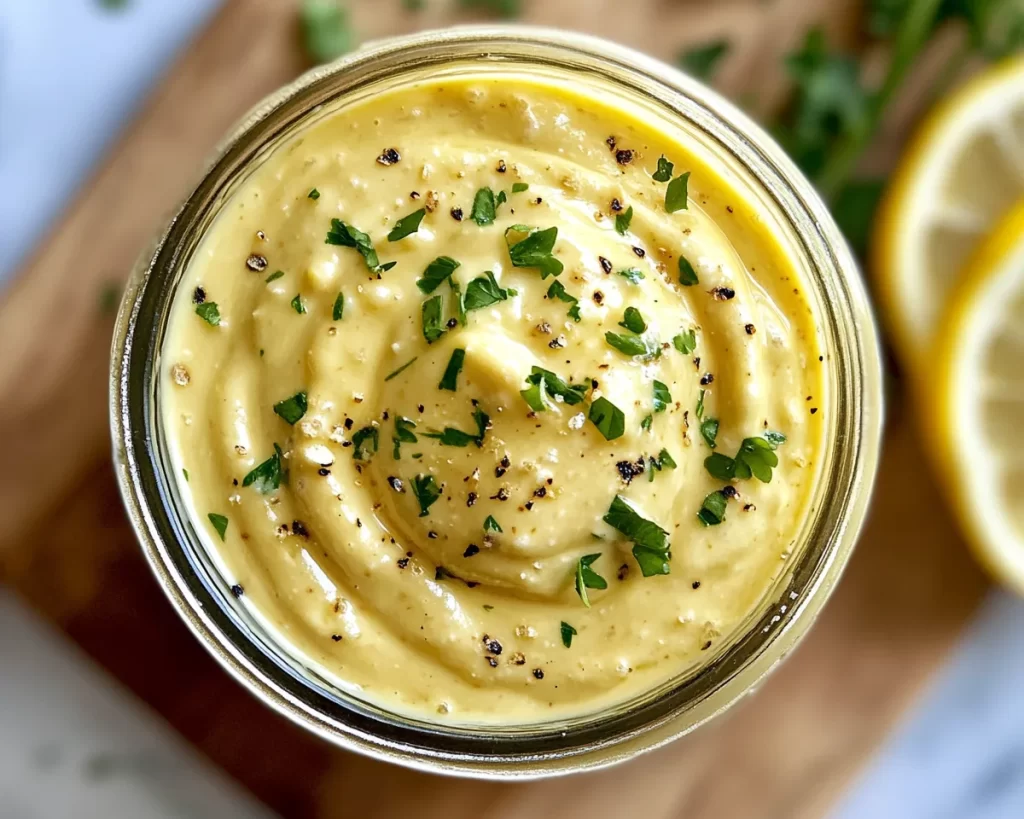
The first time you dip a fresh vegetable into creamy, homemade mayonnaise, you’ll understand the magic of this simple yet elegant condiment. Picture a sunny day, a vibrant garden salad adorned with crisp greens, radishes, and perhaps even some thinly sliced smoked salmon or chicken. Nothing elevates that dish like a dollop of homemade mayonnaise. This recipe embodies the essence of spring, and making it at home is easier than you might think. By crafting your own mayonnaise, you can personalize flavors, control the ingredients, and enjoy an incredibly fresh taste, better than any store-bought option.
In this article, you’ll discover not only how to create your own mayonnaise but also some exciting variations you can try. You’ll find tips to guarantee silky smooth texture and rich flavor. This is an inviting project for anyone—whether you’re an experienced cook looking for a quick recipe or a busy parent wanting to enhance lunch without added preservatives.
What Is Homemade Mayonnaise (Perfect for Spring Salads)?
At its core, homemade mayonnaise is an emulsion of oil, egg yolks, and an acid—typically lemon juice or vinegar. Emulsification is the key to that creamy, thick texture we all adore, and the best part is that you control every ingredient that goes into it. This beloved condiment has its origins steeped in French cuisine, where it graces everything from classic salads to gourmet sandwiches. The blend of the egg yolks with oil forms emulsified magic, creating a thick and luscious sauce.
The flavor of homemade mayonnaise is unparalleled, as it captures an essence that can be manipulated wonderfully. You can create a tangy or soft texture, depending on how much acid you incorporate. You might be surprised to learn that store-bought mayo often contains additives or unhealthy oils; making mayonnaise at home allows you to choose high-quality ingredients.
Moreover, the thrill of creating something from scratch that enriches your meals is an abundance you will appreciate. The smooth, velvety consistency pairs beautifully with spring salads, making your greens not just enjoyable but absolutely delightful.
Why You’ll Love This
When you take the plunge to make your own mayonnaise, you’re embracing a myriad of benefits. First, you’ll be rewarded with exceptional taste, as nothing beats the fresh flavor of homemade mayonnaise. Beyond taste, it is cost-effective. When you look at the prices for jarred mayonnaise, especially the organic varieties, you’ll find it’s much more economical to make it yourself using simple ingredients.
One common misconception is the fear of making mayonnaise because of its delicate nature. Many cooks worry about the risk of breaking the emulsion, but with a little patience and the right techniques, you can achieve perfect results every time. There’s something incredibly satisfying about creating this smooth condiment yourself, enabling you to build a connection with your food.
Additionally, the versatility is another remarkable aspect of homemade mayonnaise. It serves as a base for numerous other condiments, such as aioli or flavored mayonnaise, inviting endless culinary adventures. You can customize flavors to suit any dish, whether you’re dipping, spreading, or dressing salads.
Ingredients You’ll Need
To get started, here’s your ingredient list for a delightful homemade mayonnaise:
- 1 large egg yolk – This is the base of our emulsion, providing richness and helping stabilize the mixture.
- 1 tablespoon Dijon mustard – This adds depth and flavor, and also aids the emulsification process.
- 1 tablespoon white wine vinegar or lemon juice – Acidity is crucial for balancing flavors and providing tang.
- 1 cup neutral oil (like canola or grapeseed) – The oil creates the bulk of your mayonnaise and gives it that smooth texture.
- Salt – To taste, this will enhance all the flavors.
- Optional: spices or additional flavorings – Consider adding garlic, paprika, or herbs for interesting flavor twists.
Each ingredient plays a vital role in the process. The egg yolk is a powerful emulsifier, while the mustards and vinegar introduce tang and flavor. You can experiment with oils—an avocado oil could be a richer alternative, or using olive oil lends a more pronounced flavor.
How to Make
Now, let’s get into the fun part and create your homemade mayonnaise. Follow these step-by-step instructions:
- Gather all ingredients: Start by collecting your ingredients. Make sure your egg is at room temperature, as cold eggs may cause the emulsion to break. This is a critical step you shouldn’t skip.
- Combine the base: In a medium-sized bowl, combine the egg yolk, Dijon mustard, and vinegar or lemon juice. Whisk together until the mixture is smooth and somewhat pale in color. This will ensure that the flavors meld nicely before adding the oil.
- Begin adding oil: Start adding the oil very slowly, almost in drops at first. A steady stream is essential; this allows the oil to incorporate gradually without overwhelming the mixture. Whisk continuously as you’re adding the oil. You should notice the mixture thickening.
- Monitor the texture: Keep whisking until you’ve added about half of the oil. You’ll see your mayonnaise transform into a thick, creamy consistency. At this point, you can feel free to increase the speed at which you pour in the rest of the oil.
- Season to taste: Once all the oil is incorporated and you have a beautiful, thick mayonnaise, add salt to taste. If you fancy adding garlic or herbs, now is the perfect time to do that! Stir until fully combined.
- Store properly: Transfer your homemade mayonnaise to an airtight container and refrigerate. Make sure to consume it within a week for the best freshness.
Keep a close eye on the consistency as you whisk. If it becomes too thick, you can add a teaspoon of water or more lemon juice to loosen it. The beauty is in the control you have over the texture and flavor, so feel free to adjust to your preference.
Variations & Substitutions
Garlic Aioli: If you want a robust flavor that pairs beautifully with seafood, consider making garlic aioli. Simply add one or two minced garlic cloves into your mayonnaise mixture before emulsifying. This transformation gives your mayo a garlicky punch that’s ideal for dipping or spreading on sandwiches. It’s particularly wonderful with grilled fish or roasted vegetables.
Spicy Sriracha Mayo: For those who enjoy a bit of heat, spicy Sriracha mayo can be a game-changer. Once your basic mayonnaise is ready, stir in Sriracha sauce to taste. This addition not only alters the taste with heat but also lends a beautiful pink hue to your mayo. It’s perfect for drizzling over roasted sweet potatoes or as a dip for crispy fries.
Herb-Infused Mayonnaise: Bring freshness to your table by infusing your mayonnaise with herbs. Fresh basil, dill, or cilantro can be pureed with a bit of olive oil and then folded into your mayonnaise. This is especially delightful when paired with grilled meats or used in pasta salads. The vibrant flavors of herbs can add a spring-like quality to your dishes.
Avocado Mayonnaise: For a healthier alternative, you might like to try avocado mayonnaise. Replace the majority of the oil with ripe avocado, blending it with the egg yolk and acid until smooth. This creates a creamy, luscious mayo that not only tastes delicious but packs extra nutrients. Don’t forget to add lime juice for acidity and flavor balance.
Common Mistakes to Avoid
When embarking on homemade mayonnaise, it’s essential to be aware of pitfalls to steer clear of. One common issue is breaking the emulsion, resulting in a soupy mess instead of silky mayonnaise. This can occur if you pour in the oil too quickly or if your ingredients are at different temperatures.
To fix a broken emulsion, transfer the mixture to a clean bowl and whisk in a new egg yolk. Gradually add the broken mayo back into this yolk while whisking continuously. Patience is paramount, and you’ll find success if you remain steady.
Another mistake can arise from not properly seasoning your mayonnaise. A sprinkle of salt can lift the flavors immensely, so don’t forget to taste as you go. Using poor-quality oil can also impact the final product. Always opt for a neutral-tasting oil rather than something overly flavored.
Finally, make sure to store your mayonnaise in an airtight container in the refrigerator and use it within a week. Homemade mayonnaise doesn’t have the preservatives of commercial options, so freshness is key.
Storage, Freezing & Reheating Tips
Storing homemade mayonnaise correctly is crucial for food safety and quality. Transfer your finished mayonnaise into a clean glass or plastic airtight container. Glass jars with tight-fitting lids work wonderfully, as they minimize the risk of contamination.
It’s advisable to keep homemade mayonnaise refrigerated, where it can last for approximately one week. Should you have any leftovers, always check for any off smells or changes in texture before using.
Freezing homemade mayonnaise is generally not recommended because the change in texture upon thawing can lead to a grainy or separated consistency. However, if you do want to use it in the future, consider scooping portions into an ice cube tray before freezing. Just remember to use it quickly, as the texture will change greatly.
When it comes to reheating, it’s best used cold or at room temperature, as heating it can lead to further separation. Integrating it into hot dishes just as a final touch can help maintain its integrity.
Frequently Asked Questions
Can I use flavored oils in homemade mayonnaise?
Absolutely, you can experiment with flavored oils, but be careful not to overpower the mayonnaise. Oils like garlic-infused olive oil can add a unique twist, while keeping in mind that the predominant flavor should still complement the overall dish.
What can I do if my mayonnaise turns out too thin?
If your mayonnaise is too thin, it likely means you added the oil too quickly. You can rescue it by whisking in a fresh egg yolk gradually, or by adding a bit more oil slowly until you reach the desired thickness.
Is homemade mayonnaise safe to consume if made with raw eggs?
There is a small risk associated with consuming raw eggs. If you have concerns about food safety, consider using pasteurized eggs or egg substitutes specifically designed for use in raw applications.
Can I make mayonnaise without mustard?
Yes, you can make mayonnaise without mustard, but keep in mind that mustard acts as an emulsifier, which can aid in creating a stable mayonnaise. If you omit it, add a bit more acid or consider another emulsifier.
What dishes go well with homemade mayonnaise?
Homemade mayonnaise is incredibly versatile. You can pair it with salads, sandwiches, and dips; enjoy it on grilled meats, roasted vegetables, or as a dressing for pasta salads. The possibilities are endless!
Conclusion:
Homemade mayonnaise is not just a condiment; it’s an experience. With rich flavors and creamy textures, this recipe elevates your spring salads and meals in numerous ways. Embrace the joy of creating something incredibly delicious with simple ingredients. Tailor it to your preferences, explore variations, and don’t hesitate to make this flavorful mayonnaise a staple in your kitchen. Try it today, and you may discover that making condiments from scratch can bring fresh excitement to your dining table! So, gather your ingredients, follow these steps, and share the deliciousness with friends and family. Thank you for diving into this delightful cooking journey!